

 Pregledaj u prostoru
 Pošalji
 Podeli
 Detalji o delu

 Преузми
 Slični predmeti
 Rendgenski snimak
 Slajdovi
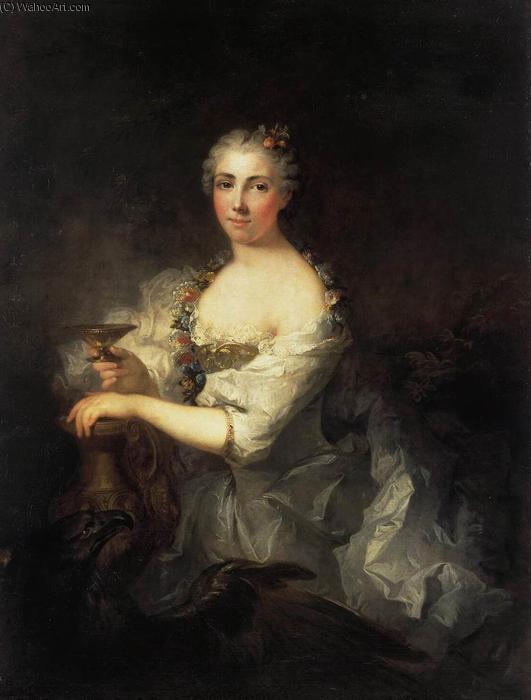
Portrait of Unknown Woman as Hebe
 Acrylic On Canvas
- WallArt
- Rococo
 115.0 x 89.0 cm
 Hermitage Museum
 Pročitaj više
Kupite digitalnu sliku visoke rezolucije i poboljšanog kvaliteta, koja je znatno superiornija od onoga što vidite u online prikazu.
Svaka datoteka je pedantno pripremljena od strane naših stručnjaka koristeći napredne alate i profesionalnu ručnu retušu. Osiguravamo da svaka slika ima izuzetnu oštrinu, preciznu reprodukciju boja i fine detalje.
Konačna datoteka se dostavlja putem e-pošte u roku od 72 sata, optimizovana za neposrednu upotrebu u profesionalnim, izdavačkim i štamparskim okruženjima. To je isti kvalitet kojem veruju vrhunski studiji dizajna, izdavači i galerije.
Digitalna slika
Preuzmite datoteku visoke rezolucije za ličnu upotrebu, štampanje i kreativne projekte. ( Kupi print Kupi ručno naslikanu sliku)
Uključeno uz svaku porudžbinu digitalne slike
Profesionalna digitalna isporuka, zagarantovana
Kada odaberete ArtsDot.com, ne dobijate samo sliku – vi primate profesionalno unapređeno digitalno umetničko delo, izrađeno sa najvećom preciznošću i uz garanciju zadovoljstva. Evo svega što automatski dolazi uz vašu porudžbinu:

Brza dostava putem e-pošte
Vaša digitalna slika visoke rezolucije biće vam poslata putem e-pošte u roku od 72 sata od poručivanja – spremna za trenutnu upotrebu.

Digitalna datoteka unapređena veštačkom inteligencijom
Vaše umetničko delo je profesionalno optimizovano korišćenjem naprednih AI alata i ručne obrade, čime se osiguravaju maksimalni detalji, oštrina i preciznost boja.

Besplatna ponovna isporuka doživotno
Slučajno ste obrisali ili izgubili svoju datoteku? Ne brinite – poslaćemo vam je ponovo u bilo kom trenutku, potpuno besplatno.

Bez troškova uvoza – zauvek
Uživajte u svojim umetničkim delima trenutno, bez carine, dažbina ili troškova dostave – digitalni download je uvek bez poreza.

Garancija vernosti boja
Uz pomoć profesionalnih alata i upravljanja bojama, osiguravamo da vaša digitalna slika što vernije odražava originalne boje.

Garancija zadovoljstva u roku od 60 dana
Ako niste zadovoljni svojom digitalnom slikom, revidirat ćemo je ili vratiti 100% novca u roku od 60 dana – bez ikakvih pitanja.

100% garancija povrata novca
Niste zadovoljni? Obezbedite pun povrat novca u roku od 60 dana od trenutka kada ste primili svoju digitalnu datoteku – bez suvišnih pitanja.

Popusti na velike porudžbine
Kupite 3 slike, uštedite 10% - Kupite 5 slika, uštedite 15% - Kupite 10+ slika, uštedite 20%. Odlično za kreativne projekte, galerije i agencije.
A Delicate Dance Between Dutch Intimacy and Rococo Elegance: Exploring Robert Le Vrac de Tournières’ “Portrait of Unknown Woman as Hebe”
Robert Le Vrac de Tournières, born in Caen, France, in 1667, stands as a pivotal figure bridging the stylistic currents of the Baroque and Rococo eras. While his contemporaries wrestled with grand narratives and dramatic expressions—a hallmark of the preceding century—Tournières embraced a more nuanced aesthetic, skillfully blending influences from Dutch genre painting with the burgeoning lightness and ornamentation characteristic of the Rococo movement. This masterful fusion is vividly realized in “Portrait of Unknown Woman as Hebe,” a captivating artwork that continues to intrigue scholars and connoisseurs alike.The Influence of Dutch Intimacy
Tournières’ artistic sensibilities were undeniably shaped by the prevailing trends emanating from Holland during his formative years. Dutch painters excelled at capturing everyday life with remarkable realism and psychological depth, prioritizing intimate scenes populated by ordinary individuals. This approach is palpable in “Portrait of Unknown Woman as Hebe,” where the subject—a woman seated gracefully—is depicted in a setting that evokes a sense of quiet contemplation. The artist’s meticulous attention to detail extends beyond mere representation; he strives to convey an inner state of serenity and thoughtfulness, mirroring the humanist ideals prevalent during Tournières' time. Notice particularly the subtle rendering of drapery – a technique borrowed directly from Dutch masters—which contributes to the overall impression of understated elegance.A Rococo Palette and Refined Technique
Despite his grounding in Dutch realism, Tournières’ artistic vision ascended towards the opulent aesthetic championed by Rococo artists. His palette is characterized by delicate hues—primarily pastel shades—creating a luminous atmosphere that contrasts beautifully with the dark background. This masterful use of color underscores Tournières' commitment to capturing not just visual appearance but also emotional resonance. The artist’s technique demonstrates exceptional precision, achieved through painstaking brushwork and careful layering of pigments. He skillfully renders textures – from the smooth skin tone to the intricate folds of fabric—creating a palpable sense of materiality that elevates the artwork beyond mere imitation.Symbolism Embedded in Form and Gesture
The composition itself is laden with symbolic significance. The woman’s posture exudes composure and grace, reflecting the ideals of feminine virtue celebrated during the Rococo period. Her hand delicately holding what appears to be a flower – likely Hebe, the Greek goddess of youth—further reinforces this theme. Flowers frequently served as emblems of beauty, purity, and renewal in art history, symbolizing aspirations for harmony and flourishing life. The artist’s deliberate framing emphasizes the subject's gaze directly at the viewer, fostering a connection between sitter and observer—a hallmark of portraiture intended to convey not just likeness but also character and spirit.Historical Context and Artistic Legacy
“Portrait of Unknown Woman as Hebe” was created during a period marked by significant social and intellectual transformations. The Enlightenment challenged traditional hierarchies and championed reason, influencing artistic sensibilities across Europe. Tournières’ work exemplifies this shift toward humanist values, prioritizing psychological insight and aesthetic refinement. Although he wasn't among the most celebrated painters of his era, Tournières’ meticulous technique and stylistic innovation secured his place as a significant contributor to French art history. Reproductions of “Portrait of Unknown Woman as Hebe” continue to inspire interior designers seeking to infuse their spaces with understated elegance and contemplative beauty—a testament to the enduring power of this remarkable artwork.Srodna umetnička dela
Biografija umetnika
Robert Le Vrac de Tournières: A Life in Transition
Early Life and Education
Robert Le Vrac de Tournières was born in Caen, France, in 1667. His artistic journey began with studies under Lucas Delahaye, a respected painter of the time. He further honed his skills under the tutelage of Bon Boullogne and Rigaud, both prominent figures in French painting, setting the stage for a successful career.
Artistic Development and Style
Tournières’ artistic style reflects a fascinating transitional period within French art. He skillfully blended elements of Dutch intimacy – particularly evident in his genre scenes – with the emerging lightness and elegance that would come to define the Rococo style. His palette was noted for its delicate coloring, and he demonstrated a keen talent for capturing both pose and drapery. While not considered among the most powerful painters of his era, critics acknowledged his careful technique and refined execution.
Academic Recognition and Major Works
Tournières achieved significant recognition during his lifetime, being received into the Académie royale de peinture twice. The first acceptance in 1702 was based on his portraiture skills, specifically portraits of fellow artists Pierre Mosnier and Michel Corneille. His second reception in 1716, as a history painter, came with his work Invention of Drawing (1716), depicting a romantic scene illuminated by candlelight. Although many of his large-scale paintings have been lost to time, numerous smaller works survive, showcasing his mastery of detail and character portrayal.
Influences and Artistic Preoccupations
Tournières was deeply influenced by Dutch masters such as Godfried Schalken and Gerard Dou, dedicating considerable study to their techniques. This influence is visible in his attention to light, shadow, and the intimate portrayal of everyday life. He also drew inspiration from his teachers, incorporating elements of their styles into his own unique approach.
Later Life and Legacy
In 1737, Tournières was promoted to professeur auxiliaire, further solidifying his position within the artistic community. He continued to exhibit successfully at the Salon of 1742. However, he returned to Caen in 1749 and ceased painting. His father, an engraver, had familial connections through marriage to François Lemoyne. Despite fading from active practice, Tournières left behind a considerable body of portraits that remain highly regarded and are found in notable collections today.
Historical Significance
Robert Le Vrac de Tournières occupies an important place as a transitional figure in French art. He embodies the shift from the more formal Baroque style towards the lighter, more decorative Rococo aesthetic. His ability to synthesize Dutch realism with emerging French sensibilities makes his work particularly valuable for understanding the evolution of 18th-century painting.
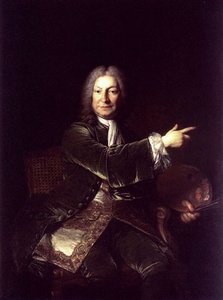
robert le vrac de tournières
1667 - 1752 , France
Kratke činjenice
- Birth Date: 1667
- Birth Place: Caen, France
- Death Date: 1752
- Influenced By:
- Lucas Delahaye
- Bon Boullogne
- Rigaud
- Godfried Schalken
- Gerard Dou
- Movement: Rococo, French Regency
- Name: Robert Le Vrac de Tournières
- Nationality: French
- Notable Works:
- Invention of Drawing (1716)
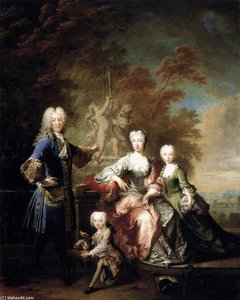
- Count Ferdinand Adolf von Plettenberg and his Family

