

 Pregledaj u prostoru
 Pošalji
 Podeli
 Detalji o delu

 Преузми
 Slični predmeti
 Rendgenski snimak
 Slajdovi
 Stats
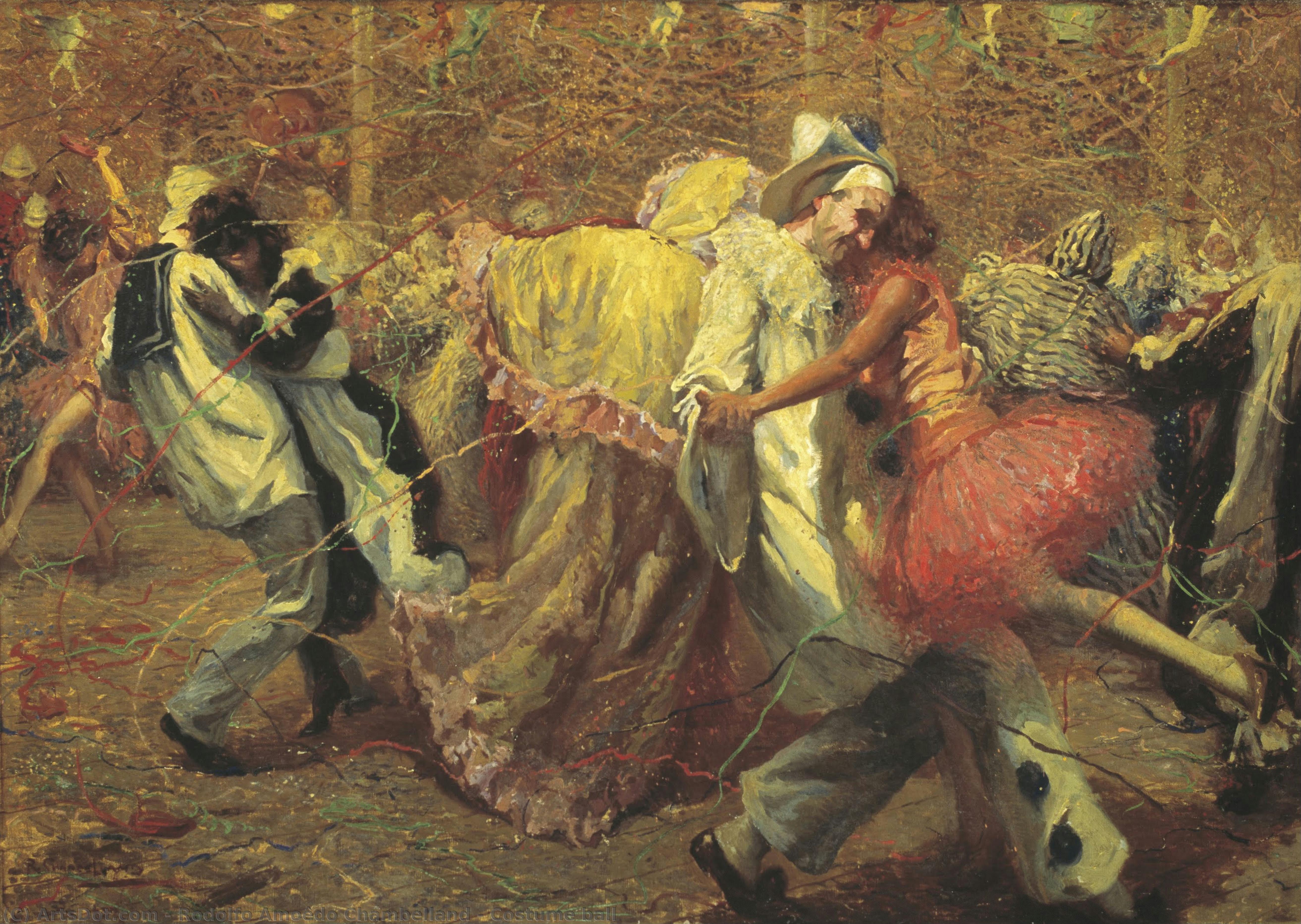
StatsCostume ball

 Pročitaj više
Ručno rađena uljana reprodukcija
Ručno oslikano uljanim bojama na platnu u dimenzijama i okviru po vašem izboru, izrađeno po porudžbini od strane naših umetnika. ( Switch to Print Switch to Digital Image)




































Izaberite jednu od naših unapred definisanih veličina koje odgovaraju originalnim proporcijama umetničkog dela.

Можете унети сопствене димензије како бисте прилагодили дело одређеном оквиру или простору. Ако одабрана величина не одговара пропорцијама оригинала, слика ће бити исечена или проширена додатним елементима који се ручно насликавају. Дигитални prikaz ће вам бити послат на одобрење пре почетка производње.
Имајте на уму да преглед на екрану не одражава стварно исецање или проширење. Само приказ (mockup) ће тачно приказати коначну композицију.
Иако су доступне прилагођене величине, препоручујемо да одаберете димензију из дефинисане листе како бисте сачували оригиналне пропорције.
Nakon narudžbine, tim ArtsDot.com će klijentu putem e-pošte poslati uputstva i dostaviti prikaz predloženog rešenja
Isporuka širom sveta () za 3/4 nedelje umesto uobičajenih 5 nedelja. (7 септембар). Bez kompromisa po pitanju kvaliteta.

Besplatna ekspresna dostava širom sveta

Visokokvalitetno laneno platno

Kompletno osiguranje transporta

Garancija povraćaja carine i uvoznih dažbina

Garancija vernosti boja

Politika povraćaja u roku od 100 dana (isključivo u slučaju nedostataka)

Garancija povrata novca od 100%

Popust pri grupnoj kupovini
 Opcija sa staklom dostupna je samo za dimenzije manje od 110 cm

Costume ball
Tehnika reprodukcije
Dimenzije reprodukcije
-


Konačna cena
$ 263
Srodna umetnička dela








Biografija umetnika
A Life Dedicated to Brazilian Decorative Arts: Rodolfo Amoêdo Chambelland
Rodolfo Amoêdo Chambelland, born in Rio de Janeiro in 1894, emerged as a significant figure in the burgeoning Brazilian art scene of the early 20th century. While not always a household name internationally, his contributions to the aesthetic landscape of his homeland were profound, particularly in the realm of decorative arts and mural painting. Chambelland’s artistic journey began with formal training at the Escola Nacional de Belas Artes in 1911, where he benefited from the tutelage of esteemed artists like Rodolfo Amoêdo – a namesake but not directly related – João Zeferino da Costa, and Daniel Bérard. This foundational education instilled in him a classical sensibility that would later be tempered by the evolving modern currents sweeping through Europe. His early participation in the Exposições Gerais de Belas Artes, beginning after 1906, signaled his commitment to public artistic life and quickly garnered recognition with several prize wins.Early Commissions and Collaborative Projects
Chambelland’s career took a collaborative turn in 1911 when he joined forces with his brother João Timóteo da Costa, along with Carlos and Rodolfo Chambelland, to decorate the Brazilian pavilion at the Turin International Exhibition. This project was pivotal, exposing him to international styles and solidifying his reputation as a skilled decorative artist capable of large-scale undertakings. The experience undoubtedly broadened his artistic horizons and fueled his ambition to transform interior spaces into immersive works of art. Following this success, Chambelland became increasingly sought after for prestigious commissions within Rio de Janeiro itself. He wasn’t merely executing designs; he was actively shaping the visual identity of the city's most prominent institutions.Transforming Iconic Spaces: A Legacy in Murals and Interiors
The hallmark of Chambelland’s career lies in his ability to seamlessly blend artistic skill with architectural context. He left an indelible mark on several iconic Rio de Janeiro landmarks, demonstrating a mastery of mural painting and interior design. Among his most notable achievements are the decorative schemes within the headquarters of the Fluminense Football Club – a testament to his versatility beyond purely aesthetic pursuits – and the elegant noble hall of the Tiradentes Palace. However, it is perhaps his murals at Copacabana Palace that best exemplify his artistic vision. These works weren’t simply embellishments; they were integral components of the hotel's luxurious ambiance, reflecting the glamour and sophistication of the era. The Copacabana Palace commissions showcase Chambelland’s talent for creating scenes that are both visually stunning and evocative of Brazilian culture and lifestyle.A Premature End and Lasting Influence
Tragically, Rodolfo Chambelland's promising career was cut short by his untimely death in 1932 at the Hospício Pedro II in Rio de Janeiro. Despite his relatively brief artistic lifespan, he left behind a significant body of work that continues to inspire and captivate. His influence can be seen in the subsequent development of Brazilian decorative arts, particularly in the emphasis on integrating art with architecture and celebrating national identity through visual expression. While often overshadowed by more internationally recognized figures, Chambelland’s contributions were essential in shaping the aesthetic character of Rio de Janeiro during a period of rapid modernization and cultural transformation. He represents a vital link between classical traditions and the emerging Brazilian modernism, embodying a unique blend of artistic skill, collaborative spirit, and dedication to enhancing the beauty of his surroundings.Key Characteristics of His Work
- Classical Foundation: Chambelland’s training at the Escola Nacional de Belas Artes provided him with a strong grounding in classical painting techniques and composition.
- Decorative Emphasis: He excelled in decorative arts, focusing on transforming interior spaces through murals, designs, and embellishments.
- Integration of Art & Architecture: Chambelland’s work was characterized by a seamless integration with the architectural context, enhancing rather than dominating the surrounding environment.
- Celebration of Brazilian Culture: His murals often reflected aspects of Brazilian life, culture, and landscape, contributing to a growing sense of national identity in art.
- Collaborative Spirit: He frequently worked on large-scale projects with his brothers and other artists, demonstrating a willingness to collaborate and share artistic vision.
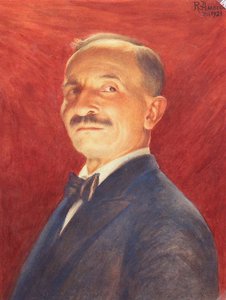
rodolfo amoêdo chambelland
1894 - 1932 , Brazil
Osnovne informacije
- Artistic Movement Or Style: Decorative Arts
- Artists Who Influenced This Artist:
- Rodolfo Amoêdo
- João Zeferino da Costa
- Daniel Bérard
- Date Of Birth: 1894
- Date Of Death: 1932
- Full Name: Rodolfo Amoêdo Chambelland
- Nationality: Brazilian
- Notable Artworks: ['Costume ball']
- Place Of Birth: Rio de Janeiro, Brazil