

 Pregledaj u prostoru
 Pošalji
 Podeli
 Detalji o delu

 Преузми
 Slični predmeti
 Rendgenski snimak
 Slajdovi
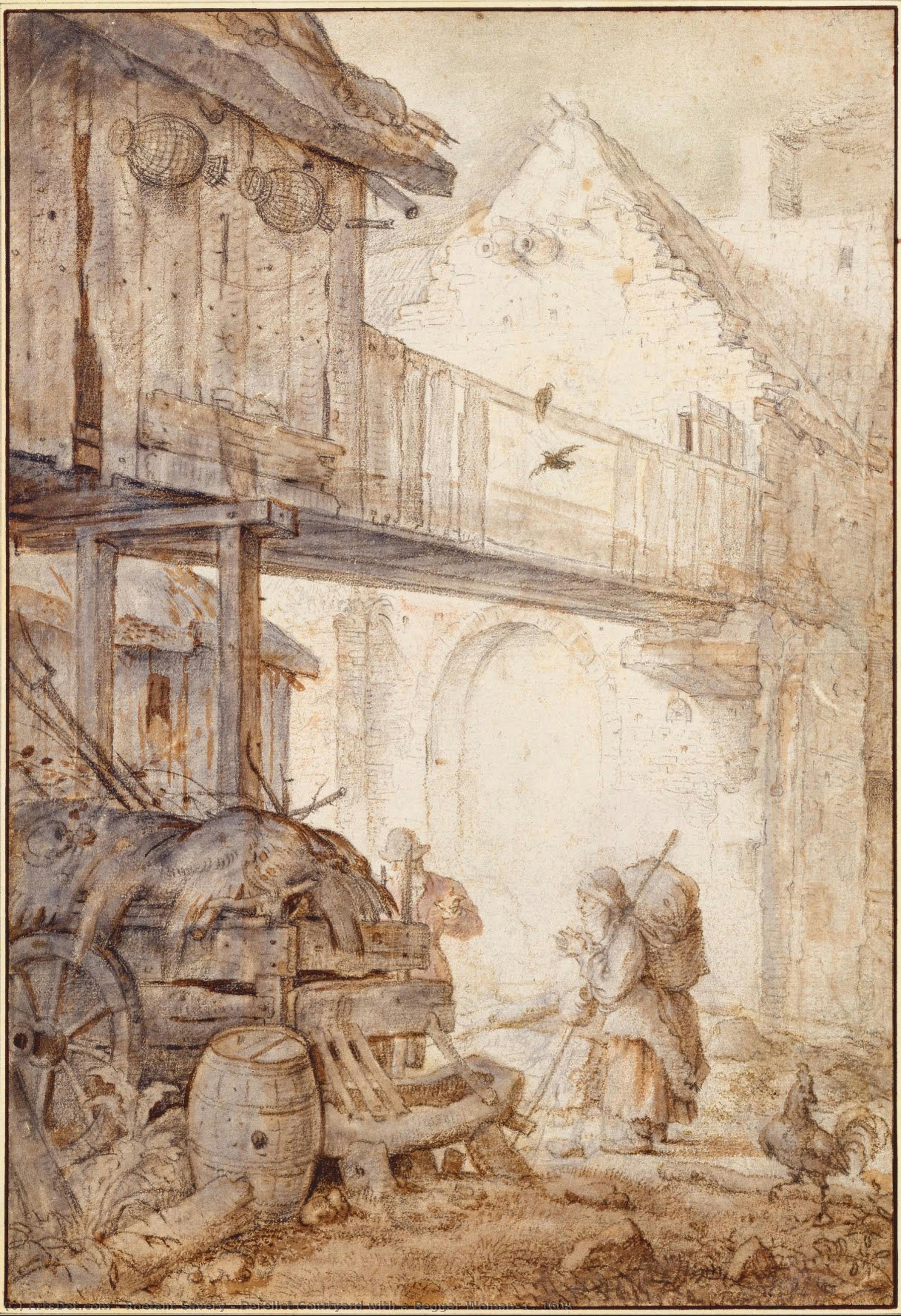
Derelict Courtyard with a Beggar Woman, c. 1608


 Pročitaj više
Kupite digitalnu sliku visoke rezolucije i poboljšanog kvaliteta, koja je znatno superiornija od onoga što vidite u online prikazu.
Svaka datoteka je pedantno pripremljena od strane naših stručnjaka koristeći napredne alate i profesionalnu ručnu retušu. Osiguravamo da svaka slika ima izuzetnu oštrinu, preciznu reprodukciju boja i fine detalje.
Konačna datoteka se dostavlja putem e-pošte u roku od 72 sata, optimizovana za neposrednu upotrebu u profesionalnim, izdavačkim i štamparskim okruženjima. To je isti kvalitet kojem veruju vrhunski studiji dizajna, izdavači i galerije.
Digitalna slika
Preuzmite datoteku visoke rezolucije za ličnu upotrebu, štampanje i kreativne projekte. ( Kupi print Kupi ručno naslikanu sliku)
Uključeno uz svaku porudžbinu digitalne slike
Profesionalna digitalna isporuka, zagarantovana
Kada odaberete ArtsDot.com, ne dobijate samo sliku – vi primate profesionalno unapređeno digitalno umetničko delo, izrađeno sa najvećom preciznošću i uz garanciju zadovoljstva. Evo svega što automatski dolazi uz vašu porudžbinu:

Brza dostava putem e-pošte
Vaša digitalna slika visoke rezolucije biće vam poslata putem e-pošte u roku od 72 sata od poručivanja – spremna za trenutnu upotrebu.

Digitalna datoteka unapređena veštačkom inteligencijom
Vaše umetničko delo je profesionalno optimizovano korišćenjem naprednih AI alata i ručne obrade, čime se osiguravaju maksimalni detalji, oštrina i preciznost boja.

Besplatna ponovna isporuka doživotno
Slučajno ste obrisali ili izgubili svoju datoteku? Ne brinite – poslaćemo vam je ponovo u bilo kom trenutku, potpuno besplatno.

Bez troškova uvoza – zauvek
Uživajte u svojim umetničkim delima trenutno, bez carine, dažbina ili troškova dostave – digitalni download je uvek bez poreza.

Garancija vernosti boja
Uz pomoć profesionalnih alata i upravljanja bojama, osiguravamo da vaša digitalna slika što vernije odražava originalne boje.

Garancija zadovoljstva u roku od 60 dana
Ako niste zadovoljni svojom digitalnom slikom, revidirat ćemo je ili vratiti 100% novca u roku od 60 dana – bez ikakvih pitanja.

100% garancija povrata novca
Niste zadovoljni? Obezbedite pun povrat novca u roku od 60 dana od trenutka kada ste primili svoju digitalnu datoteku – bez suvišnih pitanja.

Popusti na velike porudžbine
Kupite 3 slike, uštedite 10% - Kupite 5 slika, uštedite 15% - Kupite 10+ slika, uštedite 20%. Odlično za kreativne projekte, galerije i agencije.
Opis kolekcionarskog dela
A Glimpse into a Forgotten World
In the quiet, weathered corners of history, certain images possess the power to transport us to eras long since passed. Roelant Savery’s Derelict Courtyard with a Beggar Woman, c. 1608 serves as such a portal. This evocative composition invites the viewer into a scene that feels both intimate and profoundly desolate. At first glance, the eye is drawn to the textured reality of an aging courtyard, where the passage of time is etched into every crumbling stone and shadowed alcove. The painting captures a moment of stillness within a space that has clearly seen better days, presenting a tableau of human existence that is as much about survival as it is about atmosphere.
The subject matter delves into the gritty, unvarnished reality of early 17th-century life. Within this dilapidated setting, Savery populates the scene with a cast of characters that suggest a narrative of hardship and resilience. A man sits grounded in the center of the courtyard, perhaps lost in thought or weary from labor, while women move through the space with a quiet, heavy presence. The inclusion of animals—a horse bowing its head in exhaustion and birds flitting through the upper reaches of the frame—adds a layer of organic life to the architectural decay. There is a profound sense of memento mori here; the derelict surroundings act as a silent reminder of the transient nature of all things, from human prosperity to the very structures we build.
Mastery of Light and Mannerist Influence
Technically, this work showcases Savery’s unique ability to blend the meticulous detail of Flemish tradition with the expressive, sometimes elongated elegance of the Mannerist style. Though the description of the piece suggests a monochromatic or muted palette, the true mastery lies in the artist's command over light and shadow. He uses contrast not merely to define shapes, but to sculpt emotion. The way light falls upon the figures amidst the gloom of the courtyard creates a dramatic tension, pulling the viewer’s gaze toward the central human drama while leaving the periphery shrouded in mystery.
For the discerning collector or interior designer, this piece offers an unparalleled depth of character. It is not merely a decoration but a conversation piece that brings a sense of historical gravity and soulful introspection to any space. The fine brushwork required to render the textures of weathered stone, animal fur, and worn fabric provides a tactile quality that makes a high-quality reproduction feel remarkably alive. Whether placed in a contemporary gallery setting or a classic study, Savery’s work commands attention through its ability to evoke nostalgia for a world we can only imagine, making it an exquisite choice for those looking to infuse their surroundings with timeless artistry and emotional resonance.
Srodna umetnička dela

Biografija umetnika
Roelant Savery: A Flemish Master in the Dutch Golden Age
Born in Kortrijk, Belgium, around 1576 and tragically dying in Utrecht in 1639, Roelant Savery – often referred to as “de Savery” or simply Savery – stands as a compelling figure within the vibrant tapestry of the Dutch Golden Age. His life was one shaped by religious upheaval, artistic apprenticeship, and a remarkable ability to blend Flemish tradition with burgeoning Mannerist influences. More than just a painter, Savery became renowned for his distinctive illustrations, most notably his captivating depictions of the extinct dodo bird – images that continue to fascinate and inform our understanding of this unique period in art history.
Savery’s early life was profoundly impacted by the religious tensions of the time. Belonging to an Anabaptist family, he experienced the forced migration from Flanders to Haarlem around 1585, a common fate for those fleeing persecution under Spanish rule. This displacement shaped his artistic trajectory, exposing him to diverse influences and ultimately contributing to his distinctive style. His formal training began with his older brother, Jacob Savery – himself a respected painter – and the renowned Hans Bol, both masters of the Flemish tradition. These formative years instilled in him a deep appreciation for meticulous detail, rich color palettes, and a penchant for depicting scenes brimming with life and movement.
A Court Painter and Continental Explorer
Following his apprenticeship, Savery embarked on a journey that took him across Europe, culminating in a prestigious position as court painter to the emperors Rudolf II of Prague and Mathias of Vienna. This period proved pivotal, immersing him within the heart of Mannerist art – a style characterized by elongated figures, dramatic lighting, and an emphasis on symbolism and allegory. His time in Prague allowed him to study alongside some of the era’s most influential artists, absorbing their techniques and expanding his artistic horizons. He also traveled to Tyrol, dedicating himself to the detailed observation and documentation of flora, a skill that would later inform his stunning botanical illustrations.
Gillis d'Hondecoeter became Savery’s devoted pupil during this period, further solidifying the transmission of Flemish artistic principles. The influence of Hans Bol remained strong, particularly in Savery’s landscapes – characterized by their meticulous rendering of animals, plants, and architectural details. These works weren’t merely representations; they were carefully constructed narratives, often imbued with mythological or biblical themes, creating a rich visual language for the viewer.
The Utrecht Period: Landscapes, Still Lifes, and Dodos
Returning to Amsterdam in 1616, Savery established himself in Utrecht, where he quickly gained recognition as one of the city’s most successful painters. His studio became a hub of artistic activity, attracting fellow artists like Adam Willaerts and fostering a collaborative environment. The large house he acquired on Boterstraat was not just a residence; it served as a vibrant atelier, complete with a flourishing garden – a veritable living laboratory for his botanical studies and a gathering place for artistic discourse.
Savery’s oeuvre is remarkably diverse, encompassing meticulously rendered landscapes in the tradition of Gillis van Coninxloo, often embellished with an astonishing array of animals and plants. He was equally celebrated for his exquisite flower still lifes – elaborate arrangements presented within stone niches or on rustic tables, frequently incorporating intriguing elements like lizards and insects. However, it’s perhaps his illustrations of the dodo that have secured his enduring fame. His depictions, particularly those from 1626, are considered among the most iconic representations of this extinct bird, captivating audiences for centuries to come. These images weren't simply scientific records; they were imbued with a sense of wonder and fascination, reflecting Savery’s artistic sensibility.
Legacy and Influence
Despite his considerable success, Savery’s later life was marked by financial difficulties and personal struggles, possibly exacerbated by excessive drinking. He ultimately faced bankruptcy in 1638 and passed away shortly thereafter. However, his legacy endures through the remarkable quality of his work and his profound influence on subsequent generations of artists. His nephew, Hans Savery (known as Jan Savery), continued the family tradition, further developing the genre of animal painting and producing equally compelling dodo illustrations. Roelant Savery’s art continues to be studied and admired for its technical brilliance, its evocative atmosphere, and its unique blend of Flemish tradition and Mannerist innovation – a testament to the enduring power of his artistic vision.
roelant savery
1576 - 1639
Kratke činjenice
- Artistic Movement Or Style: Flemish, Mannerist
- Artists Or Movements Influenced By This Artist: ['Roelant Roghman']
- Artists Who Influenced This Artist:
- Hans Bol
- Gillis van Coninxloo
- Date Of Birth: 1576
- Date Of Death: 1639
- Full Name: Roelant Savery
- Nationality: Dutch
- Notable Artworks:
- Het Gulden Cabinet
- Dodo Illustrations
- Place Of Birth: Kortrijk, Flanders

