

 Pregledaj u prostoru
 Pošalji
 Podeli
 Detalji o delu

 Преузми
 Slični predmeti
 Rendgenski snimak
 Slajdovi
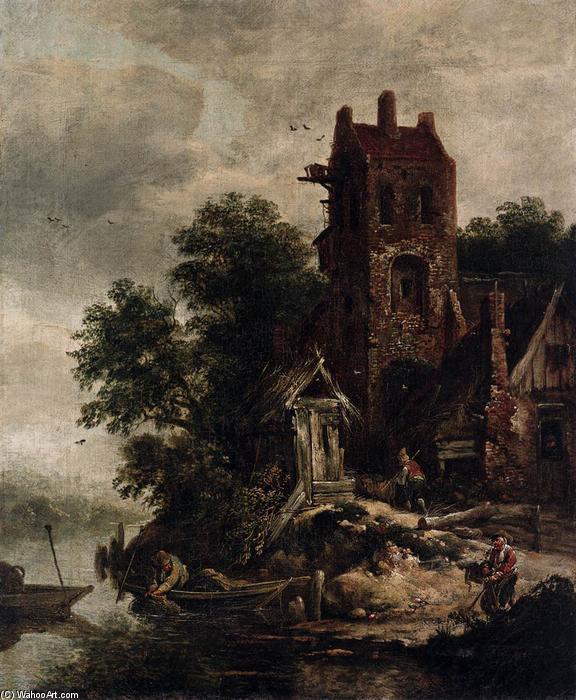
The Pigeon House
 Acrylic On Canvas
- WallArt
- Dutch Golden Age
 1660
1660- Late Medieval
 37.0 x 31.0 cm
 Metropolitan Museum of Art
 Pročitaj više
Ručno rađena uljana reprodukcija
Ručno oslikano uljanim bojama na platnu u dimenzijama i okviru po vašem izboru, izrađeno po porudžbini od strane naših umetnika. ( Kupi print Kupi digitalnu sliku)




P118B $10

P118H $10

P118W $10

P438Z $10

P508JH $12

P508YH $12

P805H $10

P805Z $10

P919BZ $10

P919G $10

P919XJ $10

P959ZH $10

P968JZ $12

W106C $8

W218G $10

W218JH $8

W218Y $10

W307PJ $10

W316G $10

W316PJ $8

W316Y $10

W398PJ $8

W4111J $10

W500HY $15

W500JH $15

W692G $12

W849H $8

W940BG $15

W953PJ $8




Izaberite jednu od naših unapred definisanih veličina koje odgovaraju originalnim proporcijama umetničkog dela.

Можете унети сопствене димензије како бисте прилагодили дело одређеном оквиру или простору. Ако одабрана величина не одговара пропорцијама оригинала, слика ће бити исечена или проширена додатним елементима који се ручно насликавају. Дигитални prikaz ће вам бити послат на одобрење пре почетка производње.
Имајте на уму да преглед на екрану не одражава стварно исецање или проширење. Само приказ (mockup) ће тачно приказати коначну композицију.
Иако су доступне прилагођене величине, препоручујемо да одаберете димензију из дефинисане листе како бисте сачували оригиналне пропорције.
Nakon narudžbine, tim ArtsDot.com će klijentu putem e-pošte poslati uputstva i dostaviti prikaz predloženog rešenja
Isporuka širom sveta () za 3/4 nedelje umesto uobičajenih 5 nedelja. (29 август). Bez kompromisa po pitanju kvaliteta.

Besplatna ekspresna dostava širom sveta

Visokokvalitetno laneno platno

Kompletno osiguranje transporta

Garancija povraćaja carine i uvoznih dažbina

Garancija vernosti boja

Politika povrata u roku od 60 dana (samo u slučaju nedostataka)

Garancija povrata novca od 100%

Popust pri grupnoj kupovini
 Opcija sa staklom dostupna je samo za dimenzije manje od 110 cm

The Pigeon House
Tehnika reprodukcije
Dimenzije reprodukcije
-


Konačna cena
$ 263
The Serene Embrace of “The Pigeon House” – A Dutch Golden Age Masterpiece
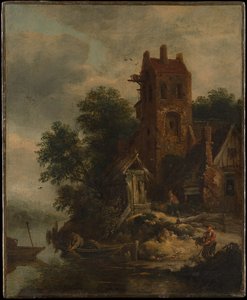
Roelof Jansz van Vries’s “The Pigeon House,” painted in 1660, isn't merely a landscape; it’s a carefully constructed tableau of rural tranquility imbued with the quiet dignity characteristic of the Dutch Golden Age. This oil painting, now housed within the Metropolitan Museum of Art in New York City, offers a profound glimpse into a world where nature and human settlement coexist in harmonious balance – a testament to van Vries's exceptional skill in capturing both the beauty of the countryside and the subtle nuances of light and atmosphere.
The scene unfolds with remarkable detail: a modest brick building, clearly a pigeon house judging by its prominent tower, dominates the composition. This structure isn’t imposing or grand; rather, it speaks to a practical, almost humble existence – a vital element within the rural landscape. Before this building stretches a small body of water, reflecting the overcast sky above in a mirror-like surface. Two figures are present—one rowing a boat and another standing at the water's edge—adding a touch of human presence without disrupting the overall sense of peace. The surrounding fields are rendered with meticulous care, showcasing a variety of greens and browns that suggest the changing seasons. Scattered amongst the trees are several birds, adding to the painting’s naturalistic feel.
A Window into Dutch Artistic Tradition
“The Pigeon House” firmly establishes itself within the context of Dutch Golden Age art, a period renowned for its realism, attention to detail, and profound engagement with the natural world. Van Vries masterfully employs techniques honed by generations of Dutch painters – particularly the use of *tenebrism*, subtly layering light and shadow to create depth and drama. The earth tones—ochres, browns, and muted greens—are applied in smooth, blended strokes, characteristic of the period’s preference for a naturalistic palette. The artist's ability to capture the texture of brick, wood, and water is particularly noteworthy, demonstrating a keen observational skill and a deep understanding of materials.
Furthermore, the painting reflects the broader cultural values of the time – a reverence for nature, a celebration of rural life, and an appreciation for the simple pleasures. The pigeon house itself symbolizes more than just a storage facility; it represents a connection to tradition, a link between past and present, and a quiet acknowledgement of the rhythms of agricultural life.
Symbolism and Emotional Resonance
Beyond its technical brilliance, “The Pigeon House” resonates with a powerful sense of serenity. The overcast sky, the still water, and the muted colors all contribute to an atmosphere of calm and contemplation. There’s a feeling of timelessness about the scene—as if it could exist outside of time, offering a moment of respite from the complexities of daily life. The figures in the painting, though small in scale, serve as reminders of humanity's place within this vast landscape.
The title itself – “The Pigeon House” – is deceptively simple. It invites us to consider the significance of seemingly ordinary objects and places—to find beauty and meaning in the everyday. Van Vries’s painting encourages a slow, deliberate appreciation for the details that often go unnoticed, reminding us of the quiet dignity and enduring charm of rural life.
A Legacy of Dutch Landscape Art
“The Pigeon House” stands as a significant example of Dutch landscape art, showcasing van Vries's mastery of composition, color, and technique. Its influence can be seen in subsequent generations of artists who continued to explore the beauty of the Dutch countryside. The painting’s enduring appeal lies not only in its aesthetic qualities but also in its ability to evoke a sense of nostalgia for a simpler time—a time when nature held sway and human life was inextricably linked to the rhythms of the seasons. Reproductions of this captivating artwork offer a wonderful opportunity to bring this serene scene into your home, allowing you to experience the tranquility and beauty of the Dutch Golden Age firsthand.
Srodna umetnička dela



Biografija umetnika
The Serene Vision of Roelof Jansz van Vries
In the golden light of the seventeenth-century Netherlands, few artists captured the quiet dignity of the Dutch countryside as tenderly as Roelof Jansz van Vries. Born in the vibrant artistic hub of Haarlem around 1631, van Vries emerged during a period when the landscape painting genre was reaching its zenith. His life and work serve as a window into the soul of the Dutch Golden Age, reflecting a world where the boundaries between human settlement and the natural wild were bridged by a profound sense of peace. While his early years remain somewhat veiled in the mists of history, his presence is firmly etched in the records of the prestigious Guild of Saint Luke, first appearing in Leiden in 1653 and later joining the Haarlem guild in 1657.
The trajectory of van Vries’s life took him from the meticulous traditions of Haarlem to the bustling commercial heart of Amsterdam. It was in Amsterdam that he established his permanent residence, marrying Marytje Adriaens in 1659—a union witnessed by the notable painter Reynier Hals. This connection to the broader artistic community underscores the social fabric in which van Vries operated, a network of masters and patrons that fueled the creative explosion of the era. Though his precise date of passing remains a subject of scholarly debate, with records suggesting he lived well into the turn of the century, his legacy was firmly planted during the height of Dutch prosperity.
A Mastery of Light and Atmosphere
To gaze upon a van Vries landscape is to experience a masterclass in luminosity. His artistic DNA was deeply intertwined with the luminist tradition, drawing significant inspiration from titans such as Jacob van Ruisdael, Jan Wynants, and Philips Wouwerman. Unlike those who sought drama through harsh contrasts of light and shadow, van Vries preferred a more diffused, atmospheric approach. He possessed an uncanny ability to render the subtle gradations of a cloudy sky, allowing natural illumination to wash over his canvases with a soft, pervasive glow that evokes a sense of eternal stillness.
His technique was characterized by an extraordinary attention to detail that bordered on the poetic. One might observe how he meticulously rendered the texture of weathered brickwork or the delicate foliage of ancient trees, often adorning them with minute, golden dots of light—a stylistic flourish reminiscent of Meindert Hobbema. This precision did not come at the expense of atmosphere; rather, it served to ground his ethereal light in a tangible reality. In works such as The Pigeon House (1660), we see this harmony perfectly realized, where a modest structure and a mirror-like body of water coexist in a state of perfect equilibrium, inviting the viewer to step into a world of rural tranquility.
Legacy and Artistic Significance
The historical significance of Roelof Jansz van Vries lies in his role as a bridge between the grand landscape traditions of Haarlem and the evolving tastes of the Amsterdam art market. While he was often celebrated for his ability to capture the essence of the Dutch terrain, he also demonstrated a sophisticated collaborative spirit. It is noted that in many of his compositions, the small, lively figures inhabiting his landscapes were sometimes the work of other masters, such as Adriaen van de Velde or Johannes Lingelbach, creating a rich tapestry of collective genius.
Today, the works of van Vries continue to command respect in the world's most prestigious institutions, including:
- The Metropolitan Museum of Art, where his masterpieces offer profound glimpses into the Dutch pastoral ideal.
- The Rijksmuseum, preserving the cultural heritage of his homeland.
- The National Gallery, showcasing his enduring influence on the landscape genre.
Ultimately, van Vries remains a painter of the quiet moment. His ability to find the extraordinary within the ordinary—a simple river scene, a distant tower, or a bird in flight—ensures that his vision of the Dutch Golden Age remains as luminous and captivating today as it was three centuries ago.
Roelof Jansz van Vries
1631 - 1681 , Netherlands
Osnovne informacije
- Artistic Movement Or Style: Golden Age Landscape Painting
- Artists Or Movements Influenced By This Artist: ['Haarlem Landscape Tradition']
- Artists Who Influenced This Artist:
- Jacob Van Ruisdael
- Jan Wynants
- Date Of Birth: 1631 Haarlem Netherlands
- Date Of Death: 1681 Amsterdam
- Full Name: Roelof Jansz van Vries
- Nationality: Dutch
- Notable Artworks:
- The Pigeon House
- Landscape with a Tower
- Place Of Birth: Haarlem Netherlands
Povezani članci

Zlatno doba Holandske umetnosti: Top 10 remek dela za vaš dom
Otkrijte remek dela Holandskog zlatnog doba! Uronite u svet Rembrandta, Vermeera i drugih majstora. 10 ikoničnih slika koje su definisale umetnost. Inspiracija za vaš dom i kolekciju - ekskluzivne reprodukcije na ArtsDot.com!

Rembrandt van Rijn: 25 Majstorstava Svetla i Senke za Vaš Dom | ArtsDot
Uronite u svet Rembrandta van Rijna! Otkrijte 25 najlepših dela holandskog majstora – portrete, istorijske scene i biblijska platna. Kvalitetne reprodukcije slika za dekoraciju enterijera dostupne na ArtsDot.com.
Golden Light & Dutch Skies: Bringing the Magic of Dutch Golden Age Landscapes into Your Home
Transform your home with the breathtaking light of Dutch Golden Age landscapes. Discover how hand-painted oil reproductions of masterworks like Ruisdael and Vermeer bring timeless elegance, atmosphere, and soulful texture to modern interiors. Elevate your space with museum-quality art.
Jan van Goyen: Master of Dutch Landscape & Atmospheric Perspective
Discover Jan van Goyen, the master of Dutch landscape painting. Explore his subtle technique, atmospheric realism & lasting influence on art history. Learn about this 17th-century pioneer at ArtsDot.
Charles Leickert: Capturing the Dutch Golden Age Light – A Comprehensive Study of Technique, Context, and Legacy
Explore the captivating winter landscapes of Charles Leickert, a master of Dutch Golden Age light & atmosphere. Discover his techniques, symbolism, and lasting legacy – a comprehensive study for art enthusiasts and collectors.

