

 Pregledaj u prostoru
 Pošalji
 Podeli
 Detalji o delu

 Преузми
 Slični predmeti
 Rendgenski snimak
 Slajdovi
 Stats
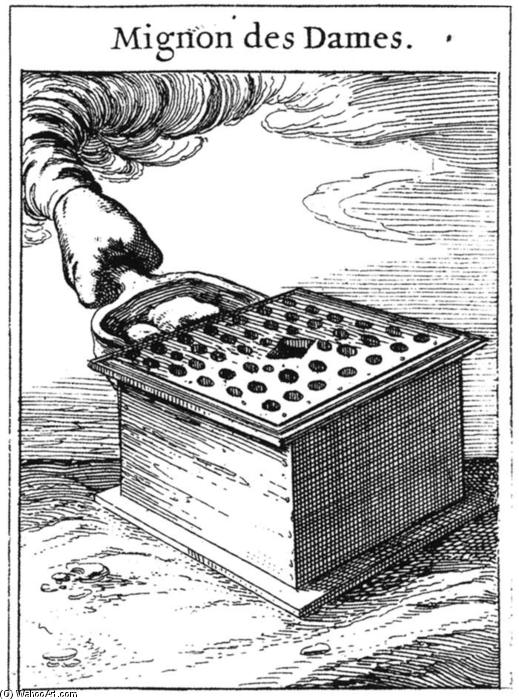
StatsEmblem from Sinnepoppen


 Pročitaj više
Giclee štampa / Umetnički otisak
Giclée štampa ili print na platnu muzejskog kvaliteta uz brzu proizvodnju i fleksibilne opcije završne obrade. ( Kupi ručno naslikanu sliku Switch to Digital Image)




































Izaberite jednu od naših unapred definisanih veličina koje odgovaraju originalnim proporcijama umetničkog dela.

Možete uneti sopstvene dimenzije kako biste umetničko delo prilagodili specifičnom okviru ili prostoru. Ako odabrani format ne odgovara proporcijama originalne slike, mi ćemo ili iscrtati deo dela ili proširiti sliku pomoću ogledane ivice ili jednobojnog popunjavanja. Digitalni prikaz će vam biti poslat na odobrenje pre početka proizvodnje.
Imajte na umu da pregled na ekranu ne odražava stvarno iscrtavanje ili proširivanje. Samo će prikaz (mockup) precizno pokazati finalnu kompoziciju.
Iako su prilagođene dimenzije dostupne, preporučujemo da odaberete dimenziju sa unapred definisane liste kako biste očuvali originalne proporcije.
Dostava širom sveta () za 2 nedelje umesto uobičajenih 4/5 nedelja. (8 септембар)

Besplatna ekspresna dostava širom sveta

Visokokvalitetno laneno platno

Kompletno osiguranje transporta

Garancija povraćaja carine i uvoznih dažbina

Garancija vernosti boja

Politika povraćaja u roku od 100 dana (isključivo u slučaju nedostataka)

Garancija povrata novca od 100%

Popust pri grupnoj kupovini
 Opcija sa staklom dostupna je samo za dimenzije manje od 110 cm

Emblem from Sinnepoppen
Giclee štampa / Umetnički otisak
Dimenzije reprodukcije
-


Konačna cena
$ 62
Srodna umetnička dela





Biografija umetnika
Roemer Visscher: The Poet-Merchant of Amsterdam’s Golden Age
Roemer Pieterszoon Visscher, born in Amsterdam in 1547 and passing away in 1620, was far more than simply a merchant; he was a pivotal figure in the vibrant cultural landscape of the Dutch Golden Age. Often described as a “poet-merchant,” his life intertwined seamlessly with both the practicalities of trade and the flourishing world of literature and art. Visscher’s legacy rests not only on his commercial success but also on his significant contributions to epigram, emblemata, and humanist writing – genres that reflect the intellectual currents shaping 16th-century Europe. His home, “het saligh Roemers huys,” became a renowned gathering place for artists, poets, and intellectuals, solidifying his position as a central hub of Amsterdam’s creative energy.A Life Woven with Commerce and Culture
Visscher's early life remains somewhat shrouded in mystery, though it is known he was born into a prosperous merchant family. He quickly established himself as a successful trader, eventually becoming one of the first Dutch underwriters – individuals who guaranteed payments for goods shipped overseas. This financial acumen provided him with the resources to indulge his passion for literature and the arts. Crucially, Visscher’s social circle included some of the most prominent figures of the era: P.C. Hooft, Bredero, and Vondel. The “rederijkerskamer De Eglantier,” a guild of poets and scholars, served as a vital forum for intellectual exchange, and Visscher's membership underscored his commitment to humanist ideals. The slogan of this esteemed chamber, "In liefde bloeiende" ("Blossoming in love"), perfectly encapsulates the spirit of the time – a celebration of beauty, reason, and human connection. His house on the Gelderse Kade was a beacon for artists and writers alike, fostering an environment of creativity and collaboration.The Art of the Epigram and Emblemata
Visscher’s literary output is characterized by its elegance, wit, and profound insights. He excelled in the epigram – short, witty poems often employing paradox or irony – a form highly valued for its concision and intellectual sharpness. However, his most enduring contribution lies in his emblemata: carefully crafted compositions that combined visual imagery with concise rhyming verses. These emblems served as moral lessons, offering guidance on matters of virtue, wisdom, and human experience. The emblem “Elck wat wils” (To each his own), derived from one of Visscher’s works, remains a common expression in the Dutch language, demonstrating the lasting impact of his writing. His collection *Sinnepoppen* ("Little Wisdom Dolls") is particularly notable for its clever observations on human nature and everyday life.Themes and Influences: Renaissance Humanism Meets Dutch Realism
Visscher’s work reflects a fascinating blend of Renaissance humanist ideals and the emerging realism characteristic of Dutch art and literature. He drew inspiration from classical antiquity, embracing the principles of proportion, harmony, and intellectual inquiry that defined the Renaissance. Yet, unlike many of his contemporaries who idealized beauty, Visscher possessed a keen eye for detail and a willingness to confront the complexities of human existence. His writings often explored themes of morality, love, loss, and the transient nature of life – subjects treated with both sensitivity and shrewd observation. The influence of the *rederijkers* tradition is evident in his meticulous craftsmanship and adherence to formal conventions, while his engagement with contemporary social and political issues reveals a distinctly Dutch sensibility.Legacy and Enduring Significance
Roemer Visscher’s impact extends far beyond his immediate literary circle. He played a crucial role in shaping the cultural identity of Amsterdam during the Golden Age, fostering an environment of intellectual exchange and artistic innovation. His works continue to be studied and appreciated for their wit, elegance, and profound insights into the human condition. The enduring popularity of “Elck wat wils” serves as a testament to Visscher’s ability to capture the essence of Dutch culture in a single, memorable phrase. He remains a significant figure in the history of Dutch literature and art – a poet-merchant whose life and work embody the spirit of a transformative era.
roemer pieterszoon visscher
1547 - 1620 , Netherlands
Osnovne informacije
- Artistic Movement Or Style: Renaissance, Rederijkers
- Artists Or Movements Influenced By This Artist: ['Dutch Golden Age']
- Artists Who Influenced This Artist:
- P.C. Hooft
- Bredero
- Vondel
- Date Of Birth: 1547
- Date Of Death: 1620
- Full Name: Roemer Pieterszoon Visscher
- Nationality: Dutch
- Notable Artworks:
- T'loff vande mutse
- Brabbeling
- Sinnepoppen
- Place Of Birth: Amsterdam, Netherlands