

 Pregledaj u prostoru
 Pošalji
 Podeli
 Detalji o delu

 Преузми
 Slični predmeti
 Rendgenski snimak
 Slajdovi
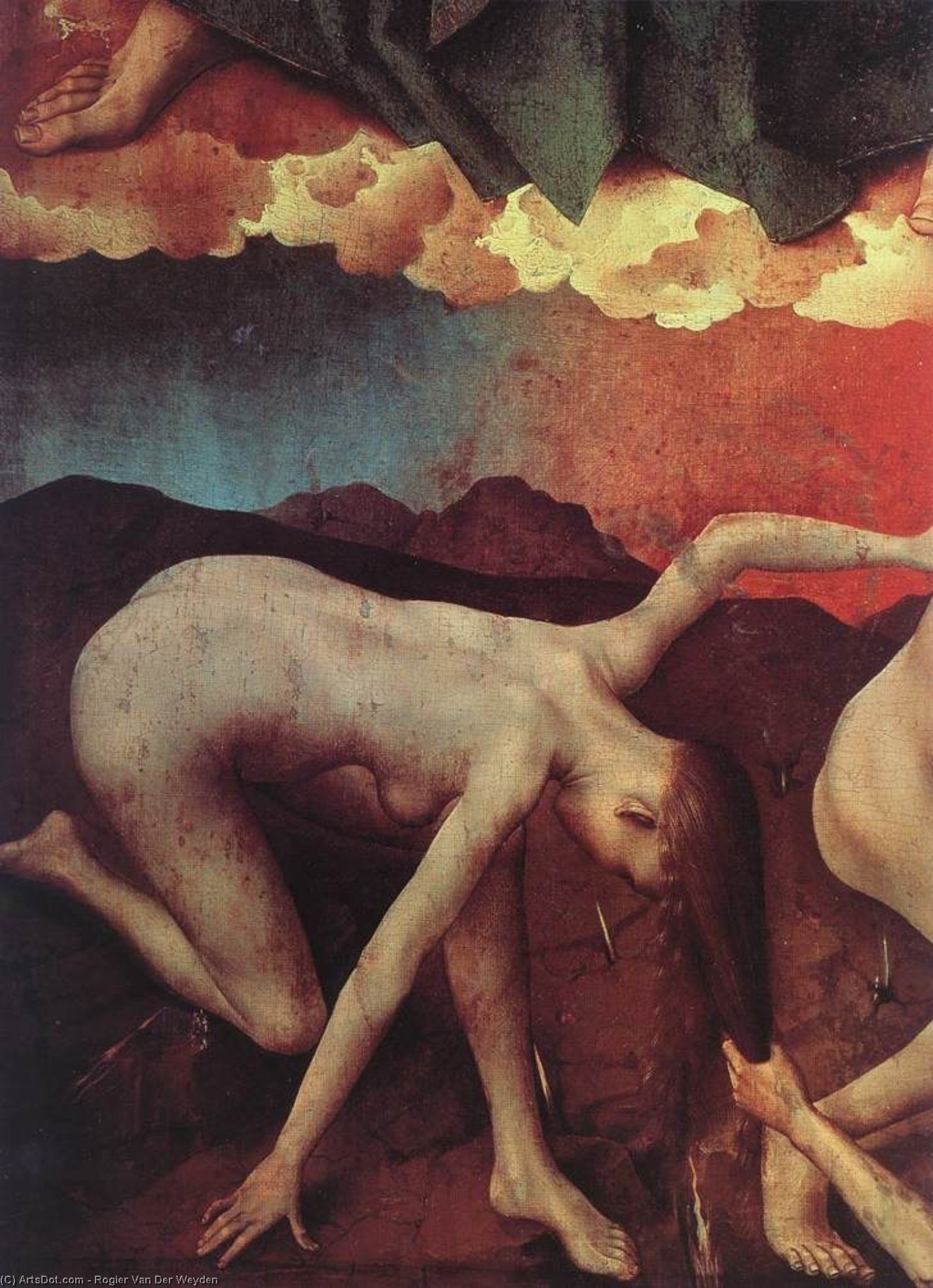
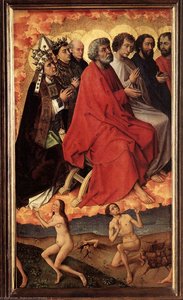
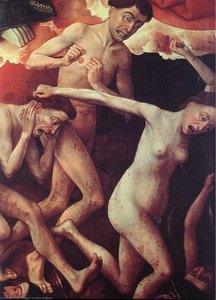
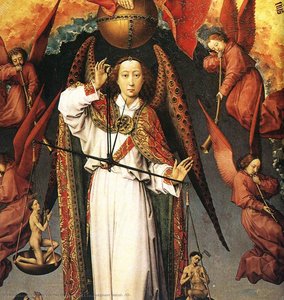
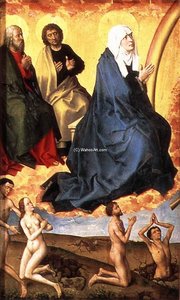
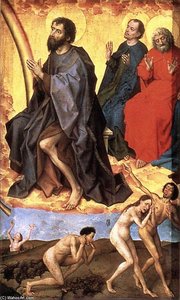
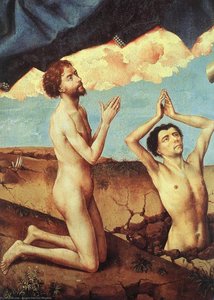
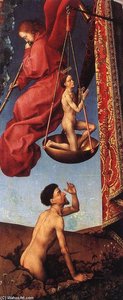
The Last Judgment (detail) (19)


 Pročitaj više
Kupite digitalnu sliku visoke rezolucije i poboljšanog kvaliteta, koja je znatno superiornija od onoga što vidite u online prikazu.
Svaka datoteka je pedantno pripremljena od strane naših stručnjaka koristeći napredne alate i profesionalnu ručnu retušu. Osiguravamo da svaka slika ima izuzetnu oštrinu, preciznu reprodukciju boja i fine detalje.
Konačna datoteka se dostavlja putem e-pošte u roku od 72 sata, optimizovana za neposrednu upotrebu u profesionalnim, izdavačkim i štamparskim okruženjima. To je isti kvalitet kojem veruju vrhunski studiji dizajna, izdavači i galerije.
Digitalna slika
Preuzmite datoteku visoke rezolucije za ličnu upotrebu, štampanje i kreativne projekte. ( Kupi print Kupi ručno naslikanu sliku)
Uključeno uz svaku porudžbinu digitalne slike
Profesionalna digitalna isporuka, zagarantovana
Kada odaberete ArtsDot.com, ne dobijate samo sliku – vi primate profesionalno unapređeno digitalno umetničko delo, izrađeno sa najvećom preciznošću i uz garanciju zadovoljstva. Evo svega što automatski dolazi uz vašu porudžbinu:

Brza dostava putem e-pošte
Vaša digitalna slika visoke rezolucije biće vam poslata putem e-pošte u roku od 72 sata od poručivanja – spremna za trenutnu upotrebu.

Digitalna datoteka unapređena veštačkom inteligencijom
Vaše umetničko delo je profesionalno optimizovano korišćenjem naprednih AI alata i ručne obrade, čime se osiguravaju maksimalni detalji, oštrina i preciznost boja.

Besplatna ponovna isporuka doživotno
Slučajno ste obrisali ili izgubili svoju datoteku? Ne brinite – poslaćemo vam je ponovo u bilo kom trenutku, potpuno besplatno.

Bez troškova uvoza – zauvek
Uživajte u svojim umetničkim delima trenutno, bez carine, dažbina ili troškova dostave – digitalni download je uvek bez poreza.

Garancija vernosti boja
Uz pomoć profesionalnih alata i upravljanja bojama, osiguravamo da vaša digitalna slika što vernije odražava originalne boje.

Garancija zadovoljstva od 100 dana
Ako niste zadovoljni svojom digitalnom slikom, izvršićemo reviziju ili ćemo vam vratiti 100% novca u roku od 100 dana – bez ikakvih pitanja.

100% garancija povrata novca
Niste zadovoljni? Dobijte puni povraćaj novca u roku od 100 dana od prijema digitalne datoteke – bez suvišnih pitanja.

Popusti na velike porudžbine
Kupite 3 slike, uštedite 10% - Kupite 5 slika, uštedite 15% - Kupite 10+ slika, uštedite 20%. Odlično za kreativne projekte, galerije i agencije.
A Masterpiece of Medieval Drama: Unveiling Rogier van der Weyden’s “The Last Judgment”
Rogier van der Weyden's "The Last Judgment," a detail from his monumental 1446 painting, isn’t merely a depiction of biblical narrative; it’s a visceral exploration of human emotion and the weighty consequences of earthly actions. Born in Tournai around 1400, Van der Weyden wasn’t simply a painter; he was a goldsmith first, an experience that instilled within him an unparalleled dedication to meticulous detail and a profound understanding of texture and light – qualities that would become instantly recognizable in his religious works. This background informed every brushstroke, imbuing the scene with a startling realism and emotional intensity rarely seen in contemporary art. The painting itself, originally part of a larger altarpiece commissioned for the Beaune Cathedral, captures a pivotal moment: Christ’s ascension to judge humanity, a scene brimming with sorrow, fear, and the promise of eternal reward or damnation.
The detail presented here focuses on the immediate aftermath of Christ's descent – a chaotic tableau of souls being drawn towards their final destination. Mary Magdalene kneels at his feet, her face etched with grief and humility, while figures in various states of mourning and witnessing surround them. The composition is dominated by a dramatic interplay of light and shadow, characteristic of Van der Weyden’s style, which he honed through years of studying the works of Jan van Eyck. Notice how the rich reds of Christ's robe contrast sharply with the somber blues and purples that envelop the scene, drawing the eye to the central figure and amplifying the emotional weight of the event. The mountains in the background aren’t merely a backdrop; they create a sense of depth and grandeur, underscoring the scale of this cosmic judgment.
The Language of Emotion: Van der Weyden's Innovative Approach
What distinguishes “The Last Judgment” is not simply its technical brilliance – though that’s undeniable. It’s the raw emotionality conveyed through Van der Weyden’s masterful use of human form. He moved beyond the stylized representations common in earlier religious art, opting instead for a level of naturalism previously unseen. His figures aren't idealized; they are flawed, vulnerable, and deeply affected by the events unfolding before them. The subtle shifts in expression – the furrowed brows, the downcast eyes, the outstretched hands – communicate a spectrum of emotions with remarkable subtlety. This focus on individual psychology was revolutionary for its time, reflecting Van der Weyden’s belief that art should not merely depict religious truth but also evoke a profound emotional response in the viewer.
Consider Mary Magdalene's posture: her head bowed in sorrow, her hands clasped together in supplication. Her expression is one of utter humility and acceptance, suggesting a deep understanding of her own sinfulness. Conversely, the figures on the right – those destined for damnation – are depicted with a sense of anguish and despair. The artist’s ability to capture these nuanced emotional states is what elevates “The Last Judgment” beyond a simple illustration of biblical narrative; it becomes a powerful meditation on human morality and the consequences of our choices.
Symbolism and Historical Context
Beyond its immediate depiction, "The Last Judgment" is rich in symbolic meaning. The presence of Christ as the central figure underscores his role as judge and savior. The figures ascending to his right represent those who will be saved, while those descending to his left are destined for eternal punishment. The inclusion of Mary Magdalene, a symbol of repentance and redemption, highlights the possibility of forgiveness through faith. The painting was created during a period of intense religious fervor in Europe, as the Church sought to reaffirm its authority and combat heresy. Van der Weyden’s work reflects this climate of piety and anxiety, capturing the profound sense of uncertainty and spiritual struggle that characterized the era.
Furthermore, it's important to note that Van der Weyden was a highly sought-after artist in his time, working for wealthy patrons across Europe. His portraits, such as “Portrait of a Lady,” demonstrate his skill at capturing individual character and personality – a talent he brought to bear on this monumental religious work. The influence of earlier works, particularly those of Jan van Eyck and the tradition of depictions of the Last Judgment in Pisa, is evident in Van der Weyden’s composition and style, yet he ultimately forged his own distinctive artistic voice.
Bringing “The Last Judgment” to Your Space: A Hand-Painted Reproduction
ArtsDot offers meticulously crafted hand-painted reproductions of Rogier van der Weyden's "The Last Judgment" detail. Each reproduction is created by skilled artists using traditional techniques, ensuring that the painting’s rich colors, intricate details, and emotional depth are faithfully preserved. Whether you’re an art collector, a design enthusiast, or simply someone seeking to add a touch of timeless beauty to your home or office, our reproductions provide a stunning way to experience this masterpiece firsthand. Explore our collection today and bring the drama and spirituality of “The Last Judgment” into your world.
Srodna umetnička dela
Biografija umetnika
Рођер ван дер Вејден: Мајстор емоција и ренесансног реализма
У свету средњовековне уметности, мало је имена тако моћно и трајно као име Рођера ван дер Вејдена. Овог мајстора рано-нетољанске сликарске школе, рођеног отприлике 1400. године у Турнаију, данашњој Белгији, често се говори као о једном од три најважнија представника те епохе, заједно са Робертом Кампаном и Јаном ван Ејком. Иако детаљи његовог раног живота остају у сенци историјских записа, познато је да је прво био златар, занимање које му је дало прецизност и пажњу за детаље који ће касније обележити његову сликарску праксу. Та умешност рада са благородним металима трансформисала се у способност да са невероватном веромноћом представи тканине, изразе лица и текстуре, чиме је превазишао пуку представљање стварности – он ју је рекреирао уз готово религијски поштовање.
Од Турнаја до Брисела: Узлетање уметника
Већ 1427. године, Рођер је постао мајстор у Гиљди светог Луке у Турнаију, што говори о његовом таленту и вештини. Кључни тренутак у његовој каријери догађа се 1435. године када постаје двоски портретиста Филипа Доброг, бургнског војводе. Ова покровитељска улога не само да му је обезбедила финансијску стабилност, већ га је и изложила елити и уметничким круговима тог доба. У то време, његова уметност се развијала, одступајући од строгих конвенција претходних генерација ка више емоционалног и реалистичког приступа. Рођер није само сликао религијске сцене; он је тежио да пробуди осећања код посматрача, да створи искуство које надмашује пуку посматраност.
Језик осећања: Стил и техника
Рођер ван дер Вејден се истицао својом палиетром богатом и разноличном, правом таписеријом боја пажљиво одабраних да избегну понављање и створе дубину и сложеност у његовим композицијама. Изузетна способност да пренесе дубоке емоције – *патос* – посебно је запажена у приказивању сцена туговања, као што је Ламентација, где су жалост и патња готово осећајне. Ова емоционална интензивност није постигнута драматичним покретима или претераним изражавањима лица; уместо тога, била је фино испреплетана у само ткиво сликарења, пренесена кроз деликатне нијансе израза лица, тела и композиције. Његове фигуре, иако се држе конвенција времена, показују растући интерес за реалистичну представљање – не само у анатомији и драпирима, већ и у откривању психолошких стања његових субјеката. Они поседују достојанствену, готово скулпторску квалитету, нарочито запажену у његовим великим триптихима, што им даје осећај свечаности и побожности. Мајсторски је користио уље као боју, градећи слојеве прозирних глазира како би постигао луминозне ефекте и створио осећај дубине и реализма који је био револуционаран за своје време.
Трајан утицај: Остварење кроз слике
Утицај Рођера ван дер Вејдена прекорачио је границе његове родне Фландрије. Његова дела била су веома тражена широм Европе, посебно у Италији и Шпанији, где су представила нови ниво емоционалне дубине и реализма локалним уметничким традицијама. Иако је његова слава доживела период релативне забрављености у 17. веку, поновно откривање током 19. века учврстило га као једног од најважнијих сликара 15. века. Он стоји раме уз раме са Јаном ван Ејком и Робертом Кампаном као једним од три велика рано-нетољанска мајстора, сваки од који доприноси развоју северне ренесансне уметности. Његове иновативне технике и емоционално наелектрисане композиције отвориле су пут будућим генерацијама уметника, инспиришући бројне имитаторе и обликујући ток западноевропске сликарске уметности вековима. Он је помогао да се уље естаблира као доминантно медиј и подигао статус уметника у друштву, трансформишући их од квалификованих занаталија у цењена ствараоца.
Најзначајнија дела и трајни мајстори
Током своје плодне каријере, Рођер ван дер Вејден је створио бројна дела која стоје као сведочанства његове уметничке вештине. Свети Лука црта Мадону, смештена у Музеју лепих уметности у Бостону, приказује његовог мајсторства у раду на панелу са уљем и пажљивог посматрања. Ламентација, која се налази у Музеју лепих уметности у Турнаију, Белгија, можда је његово најславније дело – снажно емотивна представа Христове туге, позната по драматичној употреби *кјароскура* и способности да пробуди дубоку жалост код посматрача. Постоје многа издања Свадбе, свака од којих демонстрира његову способност да са задивљујућом сензибилношћу пренесе тугу и драму. Благовестиљење, мајсторско дело рафинираног стила и пажње за детаље, показује његову способност да чак и најтрадиционалнијем субјекте надахне свежом животом. И коначно, сложени и детаљно Браделински триптих стоји као монументално достигнуће – комплекс алтарски комад који приказује пуни спектар уметничких способности Ван дер Вејдена.
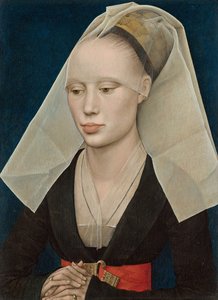
Roge Van Der Vejden
1400 - 1464 , Belgija
Kratke činjenice
- Datum Rođenja: c. 1400.
- Datum Smrti: 1464.
- Mesto Rođenja: Tournai, Belgija
- Na Njih Je Uticao:
- Italijanska renesansa
- Španska umetnost
- Nacionalnost: Belgijanac
- Puno Ime: Rogier van der Weyden
- Umetnički Pokret: Rana nemačka umetnost
- Uticali Na Njega:
- Robert Campin
- Jan van Eyck
- Značajna Dela:
- Polaganje u grob
- Lamentacija
- Sv. Luka crta Bogorodicu
- Bladelin Triptih