 Pregledaj u prostoru
 Pošalji
 Podeli
 Detalji o delu

 Преузми
 Slični predmeti
 Rendgenski snimak
 Slajdovi
Пресецање Јована Крститеља
 Akril na platnu
- Umetnost za zidove
- Baroque Classicising
 36.0 x 58.0 cm
 Hermitage Museum
 Pročitaj više
Ručno rađena uljana reprodukcija
Ručno oslikano uljanim bojama na platnu u dimenzijama i okviru po vašem izboru, izrađeno po porudžbini od strane naših umetnika. ( Kupi print Kupi digitalnu sliku)




P118B $10

P118H $10

P118W $10

P438Z $10

P508JH $12

P508YH $12

P805H $10

P805Z $10

P919BZ $10

P919G $10

P919XJ $10

P959ZH $10

P968JZ $12

W106C $8

W218G $10

W218JH $8

W218Y $10

W307PJ $10

W316G $10

W316PJ $8

W316Y $10

W398PJ $8

W4111J $10

W500HY $15

W500JH $15

W692G $12

W849H $8

W940BG $15

W953PJ $8




Izaberite jednu od naših unapred definisanih veličina koje odgovaraju originalnim proporcijama umetničkog dela.

Можете унети сопствене димензије како бисте прилагодили дело одређеном оквиру или простору. Ако одабрана величина не одговара пропорцијама оригинала, слика ће бити исечена или проширена додатним елементима који се ручно насликавају. Дигитални prikaz ће вам бити послат на одобрење пре почетка производње.
Имајте на уму да преглед на екрану не одражава стварно исецање или проширење. Само приказ (mockup) ће тачно приказати коначну композицију.
Иако су доступне прилагођене величине, препоручујемо да одаберете димензију из дефинисане листе како бисте сачували оригиналне пропорције.
Nakon narudžbine, tim ArtsDot.com će klijentu putem e-pošte poslati uputstva i dostaviti prikaz predloženog rešenja
Isporuka širom sveta () za 3/4 nedelje umesto uobičajenih 5 nedelja. (27 август). Bez kompromisa po pitanju kvaliteta.

Besplatna ekspresna dostava širom sveta

Visokokvalitetno laneno platno

Kompletno osiguranje transporta

Garancija povraćaja carine i uvoznih dažbina

Garancija vernosti boja

Politika povrata u roku od 60 dana (samo u slučaju nedostataka)

Garancija povrata novca od 100%

Popust pri grupnoj kupovini
 Opcija sa staklom dostupna je samo za dimenzije manje od 110 cm

Пресецање Јована Крститеља
Tehnika reprodukcije
Dimenzije reprodukcije
-


Konačna cena
$ 263
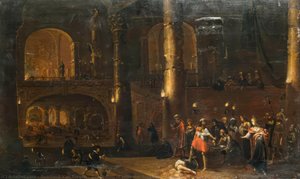
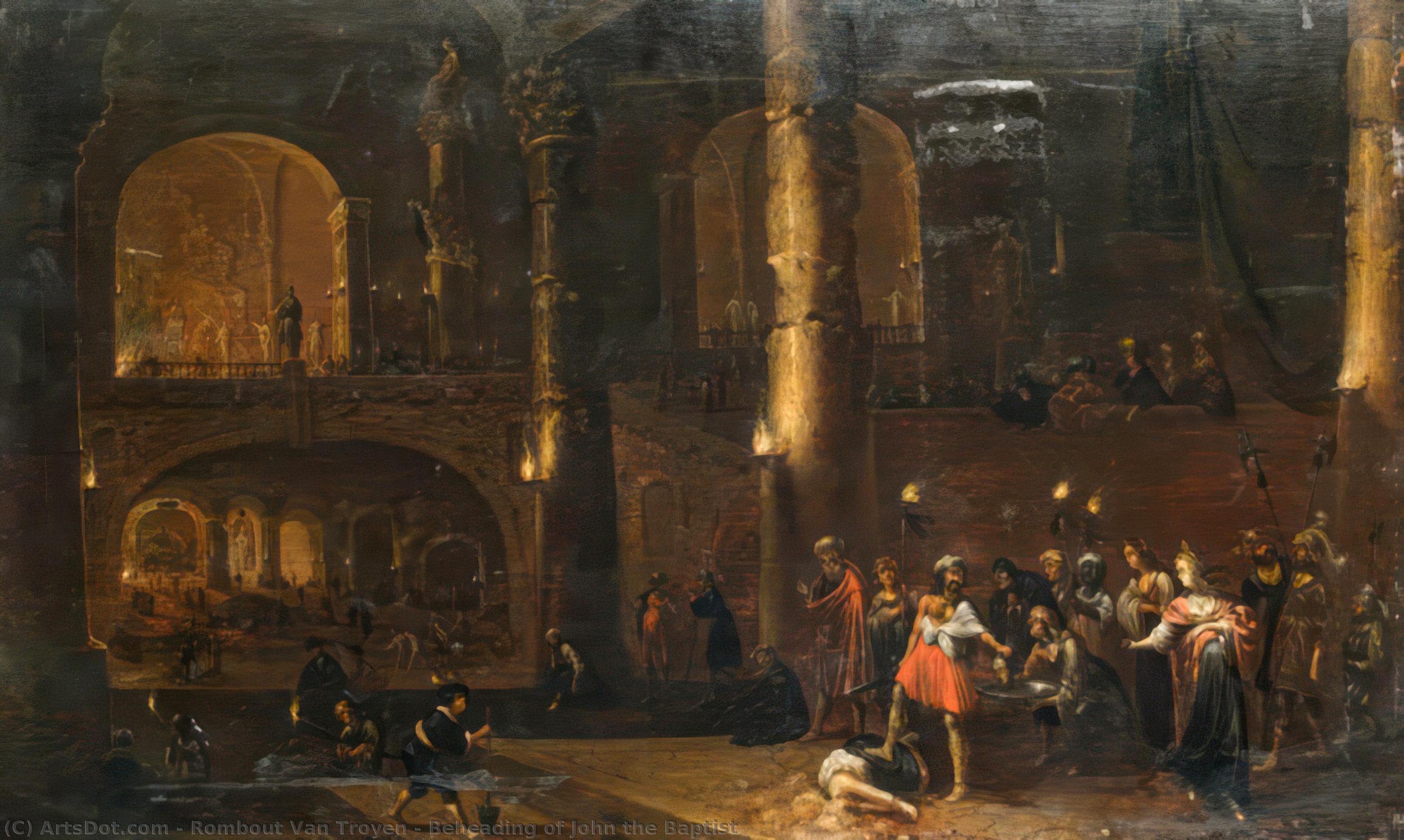
Beheading of John the Baptist – A Dramatic Tableau by Rombout Van Troyen
Rombout van Troyen’s “Beheading of John the Baptist,” executed in 1617, stands as a testament to the artistic fervor of the Dutch Golden Age and embodies a masterful blend of classical influences and theatrical dramatic lighting—a hallmark of Caravaggio's style. Measuring 36 x 58 cm and housed within The Hermitage Museum’s collection in St. Petersburg, Russia, this oil on panel painting transcends mere depiction; it delivers a visceral experience of violence tempered by idealized beauty.
- Artist: Rombout van Troyen (c 1605 – 1655)
- Born City: Amsterdam
- Born Country: Netherlands
- Style: Classicising Tendency with Caravaggesque Lighting
Despite originating in Verona, Italy, Van Troyen swiftly adopted Rome’s artistic ethos upon relocating there. The choice of slate as a support and the deliberate inclusion of an artificial light source—a technique directly borrowed from Gerrit van Honthorst—immediately evoke Caravaggio's signature nocturnal scenes. However, unlike Honthorst’s focus on atmospheric haze, Van Troyen eschewed overt Caravaggesque melodrama, instead channeling inspiration from Annibale Carracci’s monumental Pietà (Museo di Capodimonte, Naples). This influence is palpable in the carefully posed figures and the meticulous rendering of anatomical detail.
The composition itself is meticulously crafted. At its core lies a brutal confrontation: a man wielding a sword decapitates another kneeling supplicant. The scene unfolds with unsettling immediacy, capturing the horror of the event while simultaneously elevating it to an artistic ideal. Scattered figures—a physician examining the severed head and attendants—further enrich the narrative, creating a dynamic tableau that reflects the anxieties surrounding mortality and religious martyrdom prevalent during the period.
Historically, “Beheading of John the Baptist” aligns with broader trends in 17th-century art – a conscious effort to synthesize classical aesthetics with Baroque theatricality. Notably, there’s speculation that its attribution to Annibale Carracci arose from an inventory taken in 1700 at the Borghese collection, highlighting the painting's enduring appeal and prompting ongoing scholarly debate regarding stylistic interpretation.
Ultimately, Rombout van Troyen’s “Beheading of John the Baptist” is more than just a visual representation; it’s an emotional conduit. The stark contrasts of light and shadow amplify the drama, conveying not only the gruesome act itself but also the profound contemplation of faith and sacrifice—a timeless masterpiece that continues to captivate viewers centuries later.
Srodna umetnička dela
Biografija umetnika
A Master of Ruin and Shadow: The Life and Art of Rombout van Troyen
Rombout van Troyen, a name perhaps less instantly recognizable than some of his Dutch Golden Age contemporaries, nevertheless occupies a fascinating niche within the pantheon of 17th-century painters. Born around 1605 in Amsterdam, Van Troyen dedicated his career to crafting evocative landscapes and architectural scenes—a curious pursuit for an artist who, as historical accounts suggest, never actually set foot in Italy, the very source of inspiration for his most celebrated works. His paintings are not depictions of observed reality but rather meticulously constructed fantasies, born from a deep study of other artists’ interpretations of the Italian countryside and a remarkable talent for atmospheric effect.Early Training and Artistic Development
Van Troyen's artistic journey began around 1615 with a seven-year apprenticeship under Jan Pynas, a respected painter in Amsterdam known for his landscapes and history paintings. This formative period proved crucial to Van Troyen’s development. Pynas introduced him to the traditions of Adam Elsheimer, a German artist whose small-scale, intensely detailed landscapes had a profound impact on Dutch painting. Elsheimer's influence is visible in Van Troyen’s early works—a penchant for dramatic lighting and a focus on classical ruins as symbols of time’s passage and human mortality. However, while Pynas provided the initial foundation, Van Troyen quickly began to forge his own distinctive style, moving beyond simple imitation towards a more complex and emotionally resonant vision. He absorbed influences from other sources too, developing a unique blend that would define his oeuvre.The Italianate Landscape: A World Imagined
Van Troyen specialized in what became known as the “Italianate landscape”—scenes depicting the rolling hills, crumbling palaces, and sun-drenched grottos of Italy. These paintings were immensely popular during the Dutch Golden Age, appealing to a growing merchant class eager to display their sophistication and worldliness. Yet, Van Troyen’s approach differed from many of his contemporaries. He wasn't interested in recreating specific Italian locations; instead, he constructed idealized visions—landscapes populated with classical architecture, often bathed in a melancholic light. His scenes are frequently characterized by a sense of drama and mystery, achieved through the skillful use of chiaroscuro – the dramatic contrast between light and shadow. The Burning of Troy, for example, exemplifies this approach, depicting a historical event within a shadowy, expansive setting that heightens tension and emotion. His compositions often feature numerous figures engaged in various activities, adding narrative depth to his landscapes.Technique and Style: A Masterful Hand
Van Troyen’s technical skill was undeniable. He worked primarily with oil on panel, employing a meticulous brushstroke and a keen eye for detail. His paintings are characterized by their rich color palettes, often dominated by warm earth tones and subtle gradations of light. He possessed an exceptional ability to create atmospheric perspective—the illusion of depth achieved through the blurring of distant objects—which contributed significantly to the sense of realism in his landscapes. Chiaroscuro was central to his style; he used it not merely as a technical device but as a means of conveying mood and emotion. The dramatic interplay of light and shadow often draws the viewer’s eye to specific focal points within the composition, while simultaneously creating a sense of mystery and intrigue. His works are also notable for their intricate architectural details—crumbling columns, arched doorways, and overgrown ruins—which add a layer of historical depth and symbolic resonance.Legacy and Historical Significance
Despite facing financial difficulties in his later years – records indicate he relocated to Friesland in the 1650s – Rombout van Troyen left behind a significant body of work that continues to captivate art enthusiasts today. While often overshadowed by more famous Dutch masters, his paintings offer a unique perspective on the Italianate landscape tradition and demonstrate a remarkable talent for atmospheric effect and narrative storytelling. His ability to create compelling scenes from imagination rather than direct observation sets him apart, revealing a sophisticated artistic sensibility and a deep understanding of classical symbolism. Recent scholarship has begun to shed new light on Van Troyen’s life and career, solidifying his place as an important figure within the Dutch Golden Age and a master of ruin and shadow.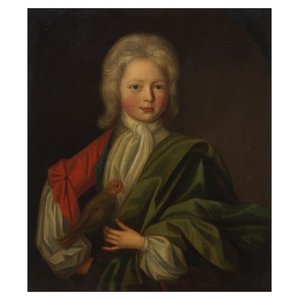
rombout van troyen
1605 - 1655 , Netherlands
Osnovne informacije
- Artistic Movement Or Style: Dutch Golden Age painting
- Artists Who Influenced This Artist:
- Annibale Carracci
- Jan Pynas
- Date Of Birth: c 1605
- Date Of Death: 1655
- Full Name: Rombout van Troyen
- Nationality: Dutch
- Notable Artworks: ['Beheading of John the Baptist']
- Place Of Birth: Amsterdam, Netherlands
Povezani članci

Rembrandt van Rijn: 25 Majstorstava Svetla i Senke za Vaš Dom | ArtsDot
Uronite u svet Rembrandta van Rijna! Otkrijte 25 najlepših dela holandskog majstora – portrete, istorijske scene i biblijska platna. Kvalitetne reprodukcije slika za dekoraciju enterijera dostupne na ArtsDot.com.

25 Remek-dela Džona Singera Sargenta: Portreti Elegancije i Svetlosti | ArtsDot
Uronite u svet Džona Singera Sargenta! Otkrijte 25 remek-dela impresionizma i realizma, od portreta Madame X do fascinantnih akvarela. Inspiracija za dekoraciju enterijera & luksuzne reprodukcije slika na ArtsDot.com.

25 Remek-dela Džona Konstebla: Lepota Engleske na Platnu | ArtsDot
Uronite u svet Džona Konstebla! Otkrijte 25 remek-dela engleskog pejzaža, romantizma i seoske idile. Kupite reprodukcije slika vrhunskog kvaliteta za dekoraciju enterijera na ArtsDot.com.
Adriaen van Ostade: A Master of Dutch Genre Painting & Social Commentary
Explore the life & work of Adriaen van Ostade, a leading Dutch Golden Age painter. Discover his realistic genre scenes, social commentary, and lasting influence on art history. Learn more at ArtsDot.
Jan van Goyen: Master of Dutch Landscape & Atmospheric Perspective
Discover Jan van Goyen, the master of Dutch landscape painting. Explore his subtle technique, atmospheric realism & lasting influence on art history. Learn about this 17th-century pioneer at ArtsDot.