

 Pregledaj u prostoru
 Pošalji
 Podeli
 Detalji o delu

 Преузми
 Slični predmeti
 Rendgenski snimak
 Slajdovi
 Stats
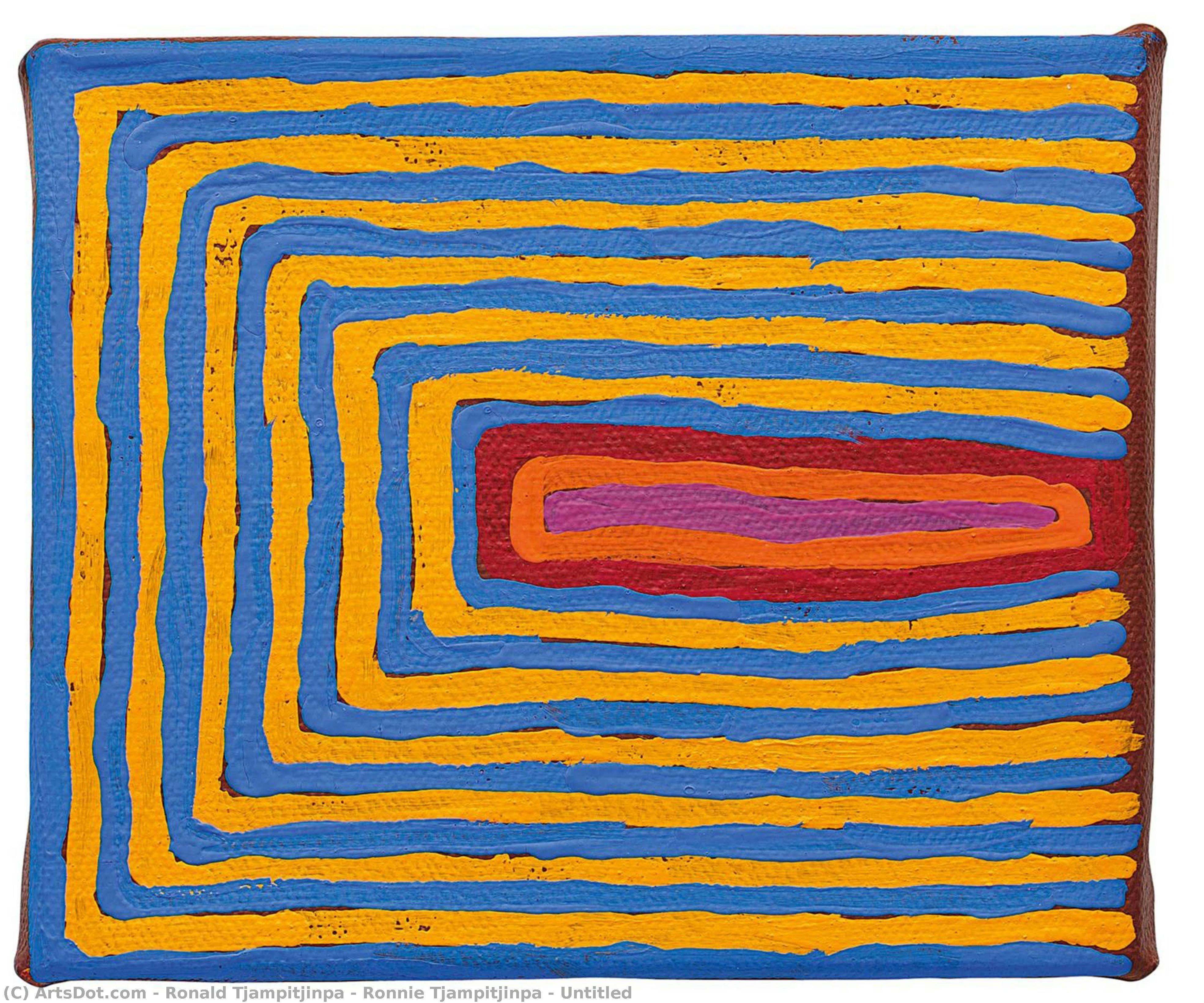
StatsRonnie Tjampitjinpa - Untitled

 Pročitaj više
Giclee štampa / Umetnički otisak
Giclée štampa ili print na platnu muzejskog kvaliteta uz brzu proizvodnju i fleksibilne opcije završne obrade. ( Kupi ručno naslikanu sliku Switch to Digital Image)




































Izaberite jednu od naših unapred definisanih veličina koje odgovaraju originalnim proporcijama umetničkog dela.

Možete uneti sopstvene dimenzije kako biste umetničko delo prilagodili specifičnom okviru ili prostoru. Ako odabrani format ne odgovara proporcijama originalne slike, mi ćemo ili iscrtati deo dela ili proširiti sliku pomoću ogledane ivice ili jednobojnog popunjavanja. Digitalni prikaz će vam biti poslat na odobrenje pre početka proizvodnje.
Imajte na umu da pregled na ekranu ne odražava stvarno iscrtavanje ili proširivanje. Samo će prikaz (mockup) precizno pokazati finalnu kompoziciju.
Iako su prilagođene dimenzije dostupne, preporučujemo da odaberete dimenziju sa unapred definisane liste kako biste očuvali originalne proporcije.
Dostava širom sveta () za 2 nedelje umesto uobičajenih 4/5 nedelja. (8 септембар)

Besplatna ekspresna dostava širom sveta

Visokokvalitetno laneno platno

Kompletno osiguranje transporta

Garancija povraćaja carine i uvoznih dažbina

Garancija vernosti boja

Politika povraćaja u roku od 100 dana (isključivo u slučaju nedostataka)

Garancija povrata novca od 100%

Popust pri grupnoj kupovini
 Opcija sa staklom dostupna je samo za dimenzije manje od 110 cm

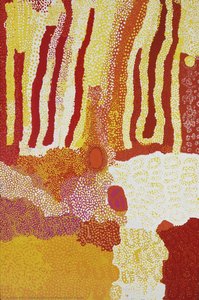
Ronnie Tjampitjinpa - Untitled
Giclee štampa / Umetnički otisak
Dimenzije reprodukcije
-


Konačna cena
$ 62
Srodna umetnička dela

Biografija umetnika
Early Life and the Call of Papunya
Ronald Tjampitjinpa, also known as Ronnie Tjampitjinpa, emerged from the heart of the Australian Western Desert in 1943, born near Tjiturrunya, a place approximately 100 kilometers west of the Kintore Ranges. His early life was inextricably linked to the nomadic traditions of his Pintupi people, traversing vast landscapes and absorbing an intimate knowledge of the land—a landscape steeped in ancestral stories and the complex network of Dreaming songlines known as the Tingari cycle. The 1950s brought hardship with a prolonged drought, forcing Tjampitjinpa’s family to seek refuge first at Haasts Bluff and then Papunya, settlements established under government policies aimed at assimilating Aboriginal communities. This relocation proved profoundly disruptive, severing ties to traditional ways of life and fostering a deep longing for their ancestral country. The forced communal living in Papunya, amongst diverse tribal groups, created an environment of cultural tension but also unexpectedly became the crucible for a remarkable artistic movement.The Birth of a Movement: Papunya Tula Art
Papunya, despite its initial challenges, proved to be the unlikely birthplace of contemporary Indigenous Australian art. In 1971, schoolteacher Geoffrey Bardon recognized the inherent storytelling power within the men’s knowledge of their lands and encouraged them to express these narratives through painting. Tjampitjinpa was among those who cautiously began translating ancient beliefs onto canvas—initially using pencils on paper before embracing acrylic paints. These early works were often deeply personal, reflecting a yearning for home and a desire to preserve cultural heritage threatened by assimilation. The outpouring of artistic expression led to the formation of the Papunya School Painters Co-operative in 1971, which evolved into Papunya Tula Artists in 1972—a landmark achievement that empowered Aboriginal artists and revolutionized the art world’s perception of Indigenous culture. Tjampitjinpa became a founding shareholder, playing a pivotal role in establishing this pioneering cooperative model.Dreaming Stories and Geometric Abstraction
Tjampitjinpa's artistic style is immediately recognizable for its simplicity, boldness, and profound connection to the land. His paintings are not literal depictions of landscapes but rather abstract representations of *Tingari* sites—sacred places associated with ancestral beings and creation stories. He employs a distinctive palette, often featuring earthy tones punctuated by vibrant ochres and yellows, creating compositions that evoke the heat, texture, and spiritual energy of the desert. The geometric shapes and lines are not merely aesthetic choices; they represent pathways, waterholes, sand dunes, and other significant features within the *Tingari* cycle. These paintings function as maps—both physical and metaphysical—guiding viewers through a complex web of ancestral knowledge. His work often explores themes of “water dreaming” and “bushfire dreaming”, further illustrating his deep connection to the natural world and its cyclical rhythms.Advocacy, Return to Country, and Mature Style
Throughout the 1980s, Tjampitjinpa actively advocated for the return of the Pintupi people to their traditional lands. His efforts culminated in the establishment of Walungurru (Kintore) in 1981, allowing his community to reclaim their ancestral country after decades of displacement. He then established outstations at Ininti (Redbank), Muyinga and Yinintitjarra, further solidifying the Pintupi’s connection to their homelands. This return to country profoundly impacted his art. Freed from the constraints of Papunya and immersed in the familiar landscapes of his youth, Tjampitjinpa's paintings gained a new depth and confidence. He became Chairman of the Kintore Outstation Council, demonstrating his commitment to community leadership alongside his artistic pursuits. His style matured, becoming increasingly refined and symbolic, earning him widespread acclaim both nationally and internationally.Legacy and Historical Significance
Ronald Tjampitjinpa stands as one of the most important contemporary Indigenous Australian artists. He was a winner of the 1988 Alice Springs Art Prize and his works are held in numerous prestigious public and private collections, including the National Gallery of Australia and the Art Gallery of New South Wales. His contribution extends beyond his individual artistic achievements; he played a crucial role in establishing Papunya Tula Artists, empowering Aboriginal artists to control their narratives and benefit from their cultural heritage. His paintings are not simply works of art but powerful statements of identity, resilience, and connection to the land. Tjampitjinpa’s legacy continues to inspire generations of Indigenous artists and serves as a testament to the enduring power of *Dreamtime* stories and the importance of preserving cultural traditions. He remains an active artist today, continuing to share his knowledge and vision with the world.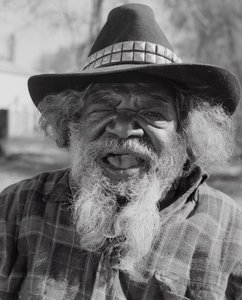
ronald tjampitjinpa
1943 - , Australia
Osnovne informacije
- Artistic Movement Or Style: Papunya Tula, Dreamtime Painting
- Date Of Birth: 1943
- Full Name: Ronald Tjampitjinpa
- Nationality: Australian Aboriginal
- Notable Artworks: ['Untitled']
- Place Of Birth: Papunya, Australia