

 Pregledaj u prostoru
 Pošalji
 Podeli
 Detalji o delu

 Преузми
 Slični predmeti
 Rendgenski snimak
 Slajdovi
 Stats
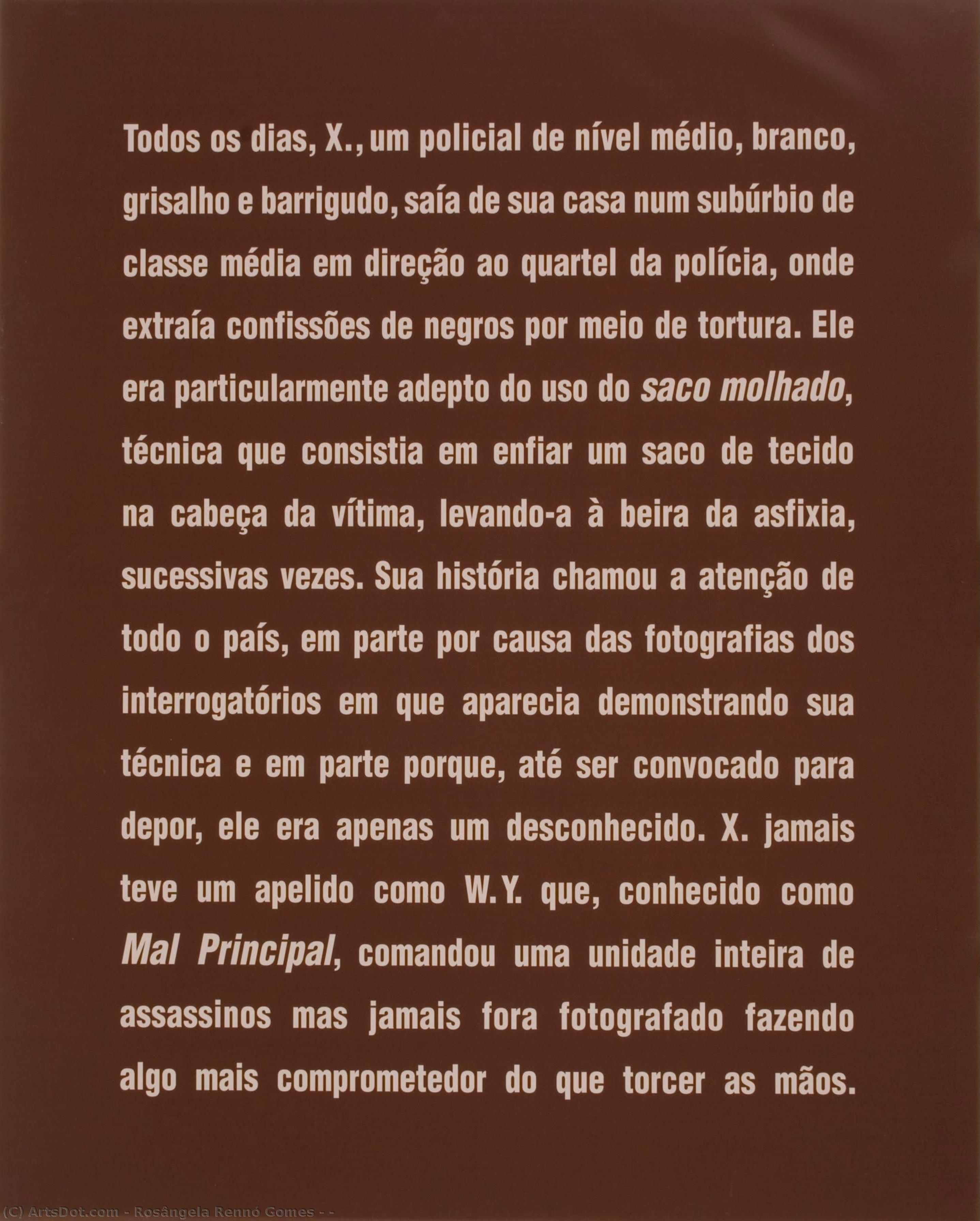
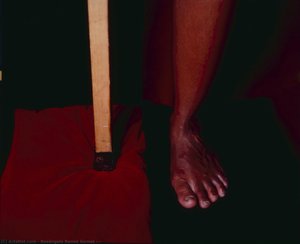
Stats Acrylic On Canvas
- WallArt
- Appropriation Photography
 Contemporary
 Museu de Arte de São Paulo Assis Chateaubriand
 Pročitaj više
Giclee štampa / Umetnički otisak
Giclée štampa ili print na platnu muzejskog kvaliteta uz brzu proizvodnju i fleksibilne opcije završne obrade. ( Kupi ručno naslikanu sliku Switch to Digital Image)




P118B $10

P118H $10

P118W $10

P438Z $10

P508JH $12

P508YH $12

P805H $10

P805Z $10

P919BZ $10

P919G $10

P919XJ $10

P959ZH $10

P968JZ $12

W106C $8

W218G $10

W218JH $8

W218Y $10

W307PJ $10

W316G $10

W316PJ $8

W316Y $10

W398PJ $8

W4111J $10

W500HY $15

W500JH $15

W692G $12

W849H $8

W940BG $15

W953PJ $8




Izaberite jednu od naših unapred definisanih veličina koje odgovaraju originalnim proporcijama umetničkog dela.

Možete uneti sopstvene dimenzije kako biste umetničko delo prilagodili specifičnom okviru ili prostoru. Ako odabrani format ne odgovara proporcijama originalne slike, mi ćemo ili iscrtati deo dela ili proširiti sliku pomoću ogledane ivice ili jednobojnog popunjavanja. Digitalni prikaz će vam biti poslat na odobrenje pre početka proizvodnje.
Imajte na umu da pregled na ekranu ne odražava stvarno iscrtavanje ili proširivanje. Samo će prikaz (mockup) precizno pokazati finalnu kompoziciju.
Iako su prilagođene dimenzije dostupne, preporučujemo da odaberete dimenziju sa unapred definisane liste kako biste očuvali originalne proporcije.
Dostava širom sveta () za 2 nedelje umesto uobičajenih 4/5 nedelja. (8 септембар)

Besplatna ekspresna dostava širom sveta

Visokokvalitetno laneno platno

Kompletno osiguranje transporta

Garancija povraćaja carine i uvoznih dažbina

Garancija vernosti boja

Politika povraćaja u roku od 100 dana (isključivo u slučaju nedostataka)

Garancija povrata novca od 100%

Popust pri grupnoj kupovini
 Opcija sa staklom dostupna je samo za dimenzije manje od 110 cm

None
Giclee štampa / Umetnički otisak
Dimenzije reprodukcije
-


Konačna cena
$ 62
A Silent Dialogue with the Past: Exploring Rosângela Rennó Gomes’s Photographic Collages
Rosângela Rennó Gomes's work isn’t merely a display of images; it’s an excavation. Within her meticulously constructed photographic collages, fragments of forgotten histories whisper across the surface, inviting viewers to participate in a silent dialogue with the past. Her pieces, often exhibited within the hushed halls of museums like the Museu de Arte de São Paulo Assis Chateaubriand (MASP), possess an arresting stillness that belies the complex narratives they contain. Rennó Gomes doesn’t create original photographs; instead, she operates as a devoted archivist, rescuing discarded images – snapshots from family albums, faded newspaper clippings, and anonymous portraits unearthed from flea markets and institutional collections – transforming them into potent symbols of memory and collective experience.
- The Process: Rennó Gomes’s method is remarkably deliberate. She painstakingly selects each image, often spending hours examining its texture, tone, and the subtle clues it offers about its origin. She then arranges these fragments within a larger composition, creating intricate mosaics that demand close attention.
- Materiality: The collages themselves are constructed using a variety of materials – vintage photographs, printed ephemera, and even hand-drawn elements – adding layers of tactile richness and historical depth to the work.
Decoding the Language of Lost Faces
The power of Rennó Gomes’s art lies in its ability to evoke a sense of profound loss and longing. Many of the images she incorporates depict faces – often anonymous, sometimes melancholic – frozen in moments of everyday life. These aren't grand historical portraits; they are glimpses into the private lives of individuals who have been largely forgotten by time. The repetition of these faces, arranged in unexpected juxtapositions, creates a haunting resonance, suggesting the vastness of human experience and the fragility of memory. The text fragments that appear within her collages – snippets of advertisements, news headlines, or personal letters – further amplify this sense of disorientation and fragmented narrative.
Consider the recurring motif of the female figure in Rennó Gomes’s work. These women, often presented in domestic settings or engaged in simple activities, seem to embody a quiet resilience—a testament to the enduring strength of memory and identity within the face of oblivion.Brazilian Context: Memory, Archive, and National Identity
Rennó Gomes’s practice is deeply rooted in the Brazilian context. Brazil's turbulent history – marked by periods of military dictatorship, economic instability, and social upheaval – has profoundly shaped its cultural landscape. The act of collecting and reassembling discarded images can be interpreted as a form of resistance against official narratives and a reclaiming of lost histories. Archives themselves have been sites of contested power in Brazil, often serving as instruments of state control. Rennó Gomes’s work challenges this dynamic by giving voice to the marginalized and forgotten, transforming the archive from a tool of repression into a space for remembrance and reflection.
The influence of Brazilian modernist movements, particularly the emphasis on collective memory and social critique, is evident in her approach to image manipulation and composition.A Reproduction’s Resonance: Bringing Rennó Gomes's Vision Home
Reproductions of Rosângela Rennó Gomes’s collages offer a unique opportunity to engage with this complex and evocative body of work. The meticulous detail of the original pieces is faithfully captured in high-quality reproductions, allowing viewers to appreciate the subtle nuances of her technique and the emotional weight of her imagery. These prints serve not just as decorative objects but as portals into forgotten narratives—inviting us to contemplate the stories embedded within each image and the enduring power of memory. Whether adorning a gallery wall or gracing a private study, Rennó Gomes’s work invites contemplation and sparks dialogue about our own relationship with the past.
Srodna umetnička dela


Biografija umetnika
rosângela rennó gomes: A Biography
Early Life and Background
rosângela rennó gomes was born in Belo Horizonte, Minas Gerais, Brazil, in 1962. She continues to live and work in Rio de Janeiro. Her formative years in a country undergoing significant political and social change deeply influenced her artistic trajectory. While specific details about her early education remain less documented, it’s clear that the socio-political climate of Brazil played a crucial role in shaping her perspective as an artist.Artistic Development and Key Themes
rennó gomes' work centers around the appropriation and recontextualization of photographic images sourced from public and private archives. She doesn’t create original photographs herself; instead, she meticulously collects discarded or overlooked images – often found in flea markets, family albums, newspapers, and institutional archives. This practice isn’t merely about collecting but a deliberate act of *rescue* and reinterpretation. Her work consistently questions the nature of an image, its inherent biases, and its symbolic power.- Memory and History: A core theme is exploring how history is constructed, remembered, and often deliberately forgotten or distorted.
- Social Narratives: She focuses on giving voice to marginalized communities and untold stories, particularly those erased from official historical accounts.
- The Power of the Archive: Her work investigates how archives function as sites of power, control, and selective memory.
Influences and Artistic Approach
rennó gomes’ artistic approach is significantly influenced by photographic theorists. Vilém Flusser, a Czech-Brazilian philosopher and photographer, profoundly impacted her understanding of the photograph as a conceptual apparatus rather than simply a representation of reality. Similarly, the work of German photographer and theorist Andreas Muller Pohle contributed to her exploration of photography’s inherent limitations and its capacity for manipulation. Her method involves carefully selecting images, often anonymous portraits or documentary photographs, and presenting them in installations, objects, or photographic series that disrupt their original context and meaning. She aims to generate interest in what she calls 'the little stories of the downtrodden and the vanquished,' focusing on the ‘inglorious’ episodes of history.Major Achievements and Exhibitions
While a comprehensive list of exhibitions is extensive, rennó gomes has exhibited her work internationally at numerous prestigious venues. Her installations are known for their evocative power and ability to provoke critical reflection on Brazilian society and its past. She’s been recognized for her innovative use of found imagery and her commitment to uncovering hidden narratives. Specific details regarding awards or major institutional acquisitions require further research, but her consistent presence in significant art exhibitions demonstrates her growing recognition within the contemporary art world.Historical Significance and Legacy
rosângela rennó gomes occupies a unique position within Brazilian contemporary art. Her work challenges conventional notions of authorship, originality, and historical representation. By giving visibility to forgotten or suppressed histories, she contributes to a more nuanced and inclusive understanding of Brazil’s past. She is considered an important voice in the ongoing dialogue about memory, identity, and social justice in Latin America and beyond. Her influence extends to younger generations of artists interested in archival research, appropriation, and critical engagement with historical narratives.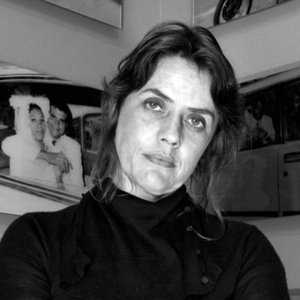
rosângela rennó gomes
1962 - , Brazil
Osnovne informacije
- Birth Date: 1962
- Birth Place: Belo Horizonte, Brazil
- Influenced By: Vilém Flusser, Andreas Muller Pohle
- Movement: Contemporary art, Photography
- Name: rosângela rennó gomes
- Nationality: Brazilian
- Notable Works: Photographic installations & objects using found images
Povezani članci

Monochrome Visions: Exploring the Aesthetic & Historical Significance of Black & White Photography
Explore the rich history & artistic power of black and white photography. From early techniques to iconic masters like Ansel Adams, discover why monochrome continues to captivate art lovers today. Expert insights for collectors.
Documentary Photography's Defining Moments: 10 Masterpieces for Your Home |
Explore 10 defining documentary photography masterpieces – from Dorothea Lange to Robert Capa. Discover powerful stories, iconic images & timeless art for your home. Museum-quality prints at .
Witnessing History Through Lens & Light: Documentary Photography's Enduring Legacy
Explore the powerful history of documentary photography – from its origins to contemporary masters like Gordon Parks & W. Eugene Smith. Discover how this art form shapes our understanding of society and witness pivotal moments in time.

Pictorialism: A Search for Artistic Photography's Soul – Aesthetics, Techniques & Legacy
Explore the captivating world of Pictorialism – a pivotal movement that transformed photography into fine art. Discover key artists like Stieglitz & Käsebier, techniques, and collecting tips from experts.

Beyond the Lens: Photography's Enduring Influence on Modern & Contemporary Art
Explore photography's pivotal role in shaping modern & contemporary art. Discover key movements, influential artists like Stieglitz, and expert collecting advice from ArtsDot.