

 Pregledaj u prostoru
 Pošalji
 Podeli
 Detalji o delu

 Преузми
 Slični predmeti
 Rendgenski snimak
 Slajdovi
 Stats
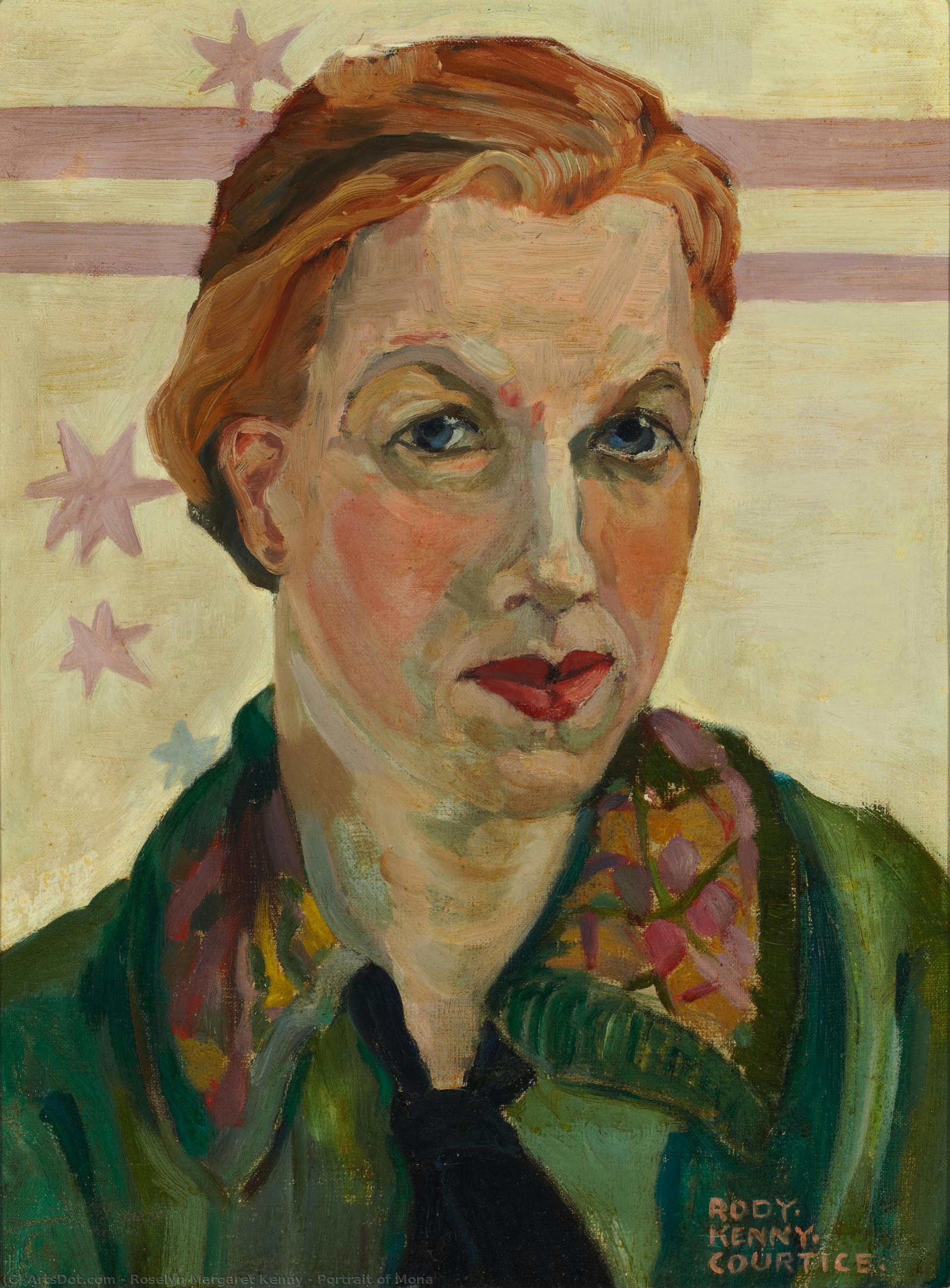
StatsPortrait of Mona

 Pročitaj više
Ručno rađena uljana reprodukcija
Ručno oslikano uljanim bojama na platnu u dimenzijama i okviru po vašem izboru, izrađeno po porudžbini od strane naših umetnika. ( Switch to Print Switch to Digital Image)




































Izaberite jednu od naših unapred definisanih veličina koje odgovaraju originalnim proporcijama umetničkog dela.

Можете унети сопствене димензије како бисте прилагодили дело одређеном оквиру или простору. Ако одабрана величина не одговара пропорцијама оригинала, слика ће бити исечена или проширена додатним елементима који се ручно насликавају. Дигитални prikaz ће вам бити послат на одобрење пре почетка производње.
Имајте на уму да преглед на екрану не одражава стварно исецање или проширење. Само приказ (mockup) ће тачно приказати коначну композицију.
Иако су доступне прилагођене величине, препоручујемо да одаберете димензију из дефинисане листе како бисте сачували оригиналне пропорције.
Nakon narudžbine, tim ArtsDot.com će klijentu putem e-pošte poslati uputstva i dostaviti prikaz predloženog rešenja
Isporuka širom sveta () za 3/4 nedelje umesto uobičajenih 5 nedelja. (8 септембар). Bez kompromisa po pitanju kvaliteta.

Besplatna ekspresna dostava širom sveta

Visokokvalitetno laneno platno

Kompletno osiguranje transporta

Garancija povraćaja carine i uvoznih dažbina

Garancija vernosti boja

Politika povraćaja u roku od 100 dana (isključivo u slučaju nedostataka)

Garancija povrata novca od 100%

Popust pri grupnoj kupovini
 Opcija sa staklom dostupna je samo za dimenzije manje od 110 cm

Portrait of Mona
Tehnika reprodukcije
Dimenzije reprodukcije
-


Konačna cena
$ 263
Srodna umetnička dela










Biografija umetnika
A Pioneer of Canadian Modernism
Roselyn Margaret Kenny Courtice, often recognized by her evocative name Rody Kenny Courtice, remains a luminous figure in the tapestry of Canadian art history. Born in Renfrew, Ontario, on August 30, 1891, her journey was one defined by a profound connection to the natural world and an unwavering commitment to the evolving language of modernism. Her early life was subtly shaped by the craftsmanship of her father, a tile mason whose dedication to visual precision instilled in her a foundational respect for texture and form. This early exposure to the tactile beauty of materials would later manifest in her ability to manipulate oil on canvas with both delicacy and strength.
Her formal education at the Ontario College of Art marked a transformative era in her development. As one of the first women to break through the academic barriers of the time, she studied under the legendary Arthur Lismer, securing prestigious scholarships annually from 1920 to 1924. This period of intense study placed her at the very heart of a burgeoning artistic revolution. Surrounded by the energy of the Group of Seven movement, Kenny found herself in the company of luminaries such as Franklin Carmichael, Lawren Harris, and Frederick Varley. While these masters were busy redefining the Canadian landscape through bold, rugged strokes, Kenny was beginning to cultivate a visual vocabulary that, while influenced by their ethos, remained distinctly her own.
The Evolution of Style and Subject
As her career progressed, Kenny’s work transitioned from the sweeping landscapes characteristic of her contemporaries toward more intimate, nuanced explorations of subject matter. She possessed a remarkable ability to find the extraordinary within the ordinary, utilizing bold colors and simplified forms to breathe life into both flora and fauna. Her technique often balanced a modernist structural clarity with an emotional depth that invited viewers into a more contemplative space.
Her repertoire showcases a fascinating breadth of vision:
- Floral Elegance: In works such as Grandiflora Blanca, painted in 1937, she demonstrated a masterful command of contrast, placing delicate white petals against deep, nocturnal blues to create a sense of breathtaking intimacy.
- Narrative Intrigue: Her 1949 masterpiece, The Game, reveals a more complex side of her artistry, using a vintage-style chessboard with horses and figures to weave a sense of depth, mystery, and psychological intrigue.
- Natural Vitality: In pieces like My Cat (1948), she captured the whimsical spirit of nature, depicting a vibrant white cat navigating a lush, verdant forest, showcasing her ability to blend animal portraiture with atmospheric landscape painting.
Legacy and Historical Significance
The historical significance of Roselyn Margaret Kenny Courtice lies in her role as a bridge between the rugged nationalism of the Group of Seven and the more personal, expressive modernism that followed. She did not merely follow the trends of her era; she navigated them with a singular grace, carving out a space for female artists within a male-dominated landscape. Her ability to move between the grandeur of the Canadian wilderness and the quiet beauty of a single blossom speaks to a versatile spirit that refused to be confined by a single genre.
By the time of her passing in Toronto in 1973, she had left behind a legacy of resilience and innovation. Her work continues to serve as a vital touchstone for understanding the development of Canadian modernism, reminding us that the true power of art lies in its ability to find beauty in both the vastness of the horizon and the smallest detail of a petal. Through her eyes, the Canadian landscape was not just a subject to be documented, but a living, breathing entity to be felt.
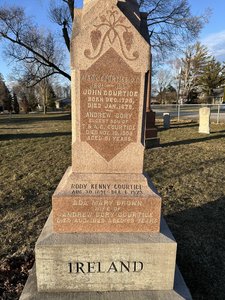
roselyn margaret kenny
1891 - 1973 , Canada
Osnovne informacije
- Artistic Movement Or Style: Modernist
- Artists Or Movements Influenced By This Artist: ['Group of Seven']
- Artists Who Influenced This Artist:
- Arthur Lismer
- J.E.H. MacDonald
- Date Of Birth: August 30, 1891
- Date Of Death: December 6, 1973
- Full Name: Roselyn Margaret Kenny Courtice
- Nationality: Canadian
- Notable Artworks:
- The Game
- My Cat
- Portrait of Mona
- Place Of Birth: Renfrew, Ontario