

 Pregledaj u prostoru
 Pošalji
 Podeli
 Detalji o delu

 Преузми
 Slični predmeti
 Rendgenski snimak
 Slajdovi
JACQUES GERARD MILBERT


 Pročitaj više
Ručno rađena uljana reprodukcija
Ručno oslikano uljanim bojama na platnu u dimenzijama i okviru po vašem izboru, izrađeno po porudžbini od strane naših umetnika. ( Kupi print Kupi digitalnu sliku)




P118B $10

P118H $10

P118W $10

P438Z $10

P508JH $12

P508YH $12

P805H $10

P805Z $10

P919BZ $10

P919G $10

P919XJ $10

P959ZH $10

P968JZ $12

W106C $8

W218G $10

W218JH $8

W218Y $10

W307PJ $10

W316G $10

W316PJ $8

W316Y $10

W398PJ $8

W4111J $10

W500HY $15

W500JH $15

W692G $12

W849H $8

W940BG $15

W953PJ $8




Izaberite jednu od naših unapred definisanih veličina koje odgovaraju originalnim proporcijama umetničkog dela.

Можете унети сопствене димензије како бисте прилагодили дело одређеном оквиру или простору. Ако одабрана величина не одговара пропорцијама оригинала, слика ће бити исечена или проширена додатним елементима који се ручно насликавају. Дигитални prikaz ће вам бити послат на одобрење пре почетка производње.
Имајте на уму да преглед на екрану не одражава стварно исецање или проширење. Само приказ (mockup) ће тачно приказати коначну композицију.
Иако су доступне прилагођене величине, препоручујемо да одаберете димензију из дефинисане листе како бисте сачували оригиналне пропорције.
Nakon narudžbine, tim ArtsDot.com će klijentu putem e-pošte poslati uputstva i dostaviti prikaz predloženog rešenja
Isporuka širom sveta () za 3/4 nedelje umesto uobičajenih 5 nedelja. (22 август). Bez kompromisa po pitanju kvaliteta.

Besplatna ekspresna dostava širom sveta

Visokokvalitetno laneno platno

Kompletno osiguranje transporta

Garancija povraćaja carine i uvoznih dažbina

Garancija vernosti boja

Politika povrata u roku od 60 dana (samo u slučaju nedostataka)

Garancija povrata novca od 100%

Popust pri grupnoj kupovini
 Opcija sa staklom dostupna je samo za dimenzije manje od 110 cm

JACQUES GERARD MILBERT
Tehnika reprodukcije
Dimenzije reprodukcije
-


Konačna cena
$ 263
Opis umetničkog dela
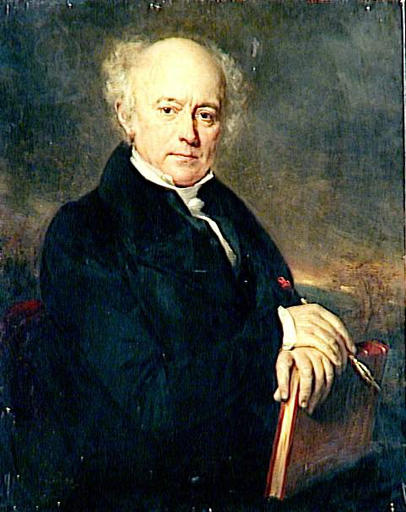
A Study in Somber Dignity: The Portrait of Jacques Gerard Milbert
To stand before this portrait is to encounter a moment suspended in time—a quiet testament to intellect and enduring character. Jean-Sébastien Rouillard’s depiction of Jacques Gerard Milbert is not merely a likeness; it is a carefully constructed meditation on the weight of knowledge. The composition immediately draws the viewer into its somber, dignified atmosphere. The subject, seated with an air of profound contemplation, holds a book—an object that serves as both prop and potent symbol. Rouillard masterfully captures the gravitas associated with men of letters or established figures, presenting Milbert not just as a man, but as a repository of thought.
Mastery in Technique and Tone
Technically, the painting speaks volumes about the artist's skill. The palette is deliberately muted, dominated by deep browns, cool grays, and velvety blacks, which together create an enveloping sense of formality. Observe the handling of the paint; it suggests a thick impasto application in areas like the hair and the folds of the heavy drapery, giving the surface a palpable texture that speaks to the physical act of painting itself. The light source, originating subtly from the upper left, is directional and dramatic, carving out the contours of Milbert’s face and lending an almost sculptural quality to his features. This careful interplay of illumination and shadow—the chiaroscuro effect—is what gives the portrait its profound depth.
Historical Echoes: The Neoclassical Gaze
The style firmly plants this work within the currents of Neoclassicism, an era that prized clarity, structure, and classical ideals of representation. Given Rouillard’s formative years under the shadow of Jacques-Louis David, one senses a lineage of meticulous draftsmanship and formal composition. The overall arrangement adheres to a sense of ordered balance, guiding the eye naturally from the subject's gaze down to the book in his lap. This adherence to classical structure imbues the portrait with an air of timeless importance, making it feel both historically resonant and perpetually relevant.
Symbolism and Emotional Resonance
The symbolism at heart of this piece revolves around the relationship between man and learning. The book is the anchor; it suggests that Milbert’s identity, or at least his public persona, is inextricably linked to scholarship. Emotionally, the portrait invites quiet contemplation. It bypasses fleeting moments of drama for something more enduring—the steady flame of intellect. For the collector or designer, this piece offers not just decoration, but a focal point imbued with intellectual weight, capable of elevating any space it graces into one of thoughtful repose.
Srodna umetnička dela
Biografija umetnika
Jean-Sébastien Rouillard: A Parisian Portraitist Bridging David and the Salon
Jean-Sébastien Rouillard (1789 – 1852) stands as a significant, yet often overlooked, figure in 18th and early 19th century French portraiture. Born into a family deeply rooted in artistic tradition—his father was a renowned miniature painter—Rouillard’s journey began under the tutelage of Jacques-Louis David, arguably France's most influential artist of the late Enlightenment and early Romantic periods. This formative influence profoundly shaped his style, imbuing it with a meticulous attention to detail, a dramatic use of light and shadow, and an inherent sense of formality characteristic of the Salon era. Rouillard’s career unfolded against the backdrop of revolutionary and Napoleonic France, a period marked by profound social and political upheaval, which inevitably impacted artistic production and subject matter.
Rouillard's early works demonstrate a clear debt to David, particularly in his compositions and rendering of drapery. However, he quickly developed a distinct voice, characterized by a subtle elegance and an ability to capture the psychological nuances of his subjects. He was awarded the Légion d’honneur, a testament to his standing within the artistic establishment, and became a sought-after portraitist for both nobility and members of the bourgeoisie. His commissions included notable figures such as Charles de Schomberg, a celebrated French Marshal, and Jean Antoine Marbot, a distinguished general. These portraits are not merely likenesses; they are carefully constructed narratives, revealing the status, character, and aspirations of their sitters through subtle gestures, expressions, and the opulent settings in which they were depicted.
- Early Training & David’s Influence: Rouillard's apprenticeship with David instilled in him a rigorous approach to technique and an understanding of classical composition.
- Salon Era Portraiture: His work exemplifies the conventions of the Salon, emphasizing formality, idealized beauty, and social status.
- Notable Commissions: He painted portraits for prominent figures like Charles de Schomberg and Jean Antoine Marbot, showcasing his skill in capturing character and conveying authority.
- Family Legacy: Rouillard’s artistic lineage extended beyond himself; his wife, Françoise-Julie-Aldrovandine Lenoir, was also a talented miniature painter, and their daughter, Stéphanie Rouillard, continued the family tradition as an amateur artist.
The Rouillard Family Tomb & A Glimpse into Artistic Heritage
The Rouillard family’s legacy is inextricably linked to the Montparnasse Cemetery in Paris, where they are interred in the first section of the first division. This location offers a poignant reminder of the interconnectedness of artistic families and the enduring impact of patronage. The tomb itself—a modest yet dignified structure—serves as a silent testament to their collective achievements. It’s a place where one can contemplate not only the individual lives of Jean-Sébastien, his wife, and daughter but also the broader context of their artistic endeavors within the vibrant cultural landscape of 19th-century France.
The presence of Stéphanie Rouillard, a talented amateur painter in her own right, further illuminates the family’s commitment to art. Her marriage to Victor Rendu, an agronomist, demonstrates how artistic talent could flourish even outside the traditional confines of the art world. The Rouillard family tomb stands as a tangible symbol of this familial dedication and a reminder that artistic influence can be passed down through generations.
Technique & Style: A Blend of Davidian Precision and Parisian Elegance
Rouillard’s technical skill is undeniable, reflecting the rigorous training he received from David. He possessed an exceptional ability to render fabrics with remarkable realism—drapery flows with a convincing weight and texture—and his use of light and shadow creates dramatic effects that heighten the sense of depth and volume within his portraits. However, Rouillard’s style transcends mere imitation; it incorporates elements of Parisian elegance and refinement, reflecting the tastes of the bourgeoisie who commissioned his work.
His compositions are typically formal, with subjects posed in three-quarter views against richly decorated backgrounds. He skillfully employs a palette of muted tones—grays, browns, and ochres—to create a sense of atmosphere and to emphasize the textures of clothing and furnishings. While influenced by David’s emphasis on classical ideals, Rouillard’s portraits possess a subtle sensuality and an intimate quality that distinguishes them from the more austere works of his mentor.
Historical Significance & Legacy
Jean-Sébastien Rouillard's contribution to French portraiture lies not in revolutionary innovation but rather in his consistent execution of established conventions with remarkable skill and sensitivity. He was a product of his time—a witness to the tumultuous events of the late 18th and early 19th centuries—and his portraits offer valuable insights into the social, political, and cultural dynamics of the era. Despite not achieving widespread fame during his lifetime, Rouillard’s work has been rediscovered in recent decades, revealing its enduring appeal and artistic merit.
His paintings are now housed in various museums and private collections, providing a window into the world of 19th-century French society. Rouillard's legacy endures as a testament to the power of tradition, the importance of mentorship, and the lasting impact of a dedicated artist who quietly but effectively captured the essence of his subjects through the lens of Parisian elegance.
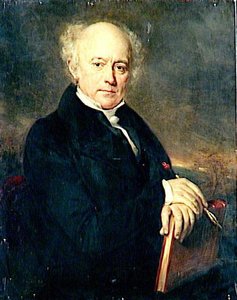
rouillard jean sébastien
1789 - 1852
Osnovne informacije
- Artistic Movement Or Style: Portraiture
- Artists Or Movements Influenced By This Artist: ['David Student Art']
- Artists Who Influenced This Artist: ['Jacques-Louis David']
- Date Of Birth: 1789 Paris
- Date Of Death: 1852 Paris
- Full Name: Jean-Sébastien Rouillard
- Nationality: French
- Notable Artworks:
- Charles de Schomberg
- Jean Antoine Marbot
- Place Of Birth: Paris, France
Povezani članci

Academic Portraiture: Tradition, Technique & the Evolution of Representational Art
Explore the rich history & masterful techniques of academic portraiture. Discover iconic artists, learn about collecting, and commission a bespoke oil painting reproduction with ArtsDot.
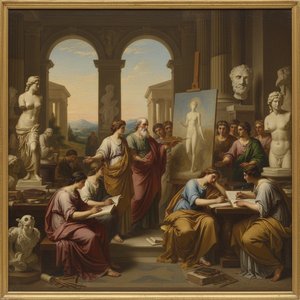
Academic Art: Tradition, Technique & the Pursuit of Ideal Form in the 19th Century
Explore the world of Academic Art! Discover its history, key artists like Ingres & Bouguereau, defining techniques, and lasting influence on 19th-century painting. Learn about the Salon system and its legacy.

The Enduring Legacy of Oil on Canvas: Technique, History & Aesthetic Impact
Explore the rich history & techniques of oil painting – from Renaissance masters to Impressionism. Discover pigments, layering methods, and why this timeless medium endures. Expert insights for artists & art enthusiasts.
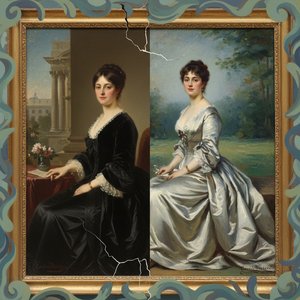
Carolus-Duran: Bridging Academic Tradition & Modern Sensibility in 19th-Century Portraiture
Explore the life & art of Carolus-Duran, a pivotal 19th-century French painter bridging academic tradition and modern sensibility. Discover his influence on Sargent & the rise of Impressionism.
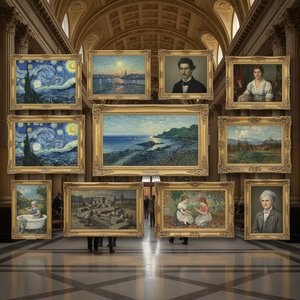
19th Century Masterpieces: 10 Paintings That Defined an Era | ArtsDot
Journey through 19th century art with ArtsDot! Explore 10 iconic paintings – from Monet & Renoir to Courbet – and discover the stories behind Romanticism, Realism & Impressionism. Find museum-quality reproductions for your home decor. Explore the full collection online!

