

 Pregledaj u prostoru
 Pošalji
 Podeli
 Detalji o delu

 Преузми
 Slični predmeti
 Rendgenski snimak
 Slajdovi
 Stats
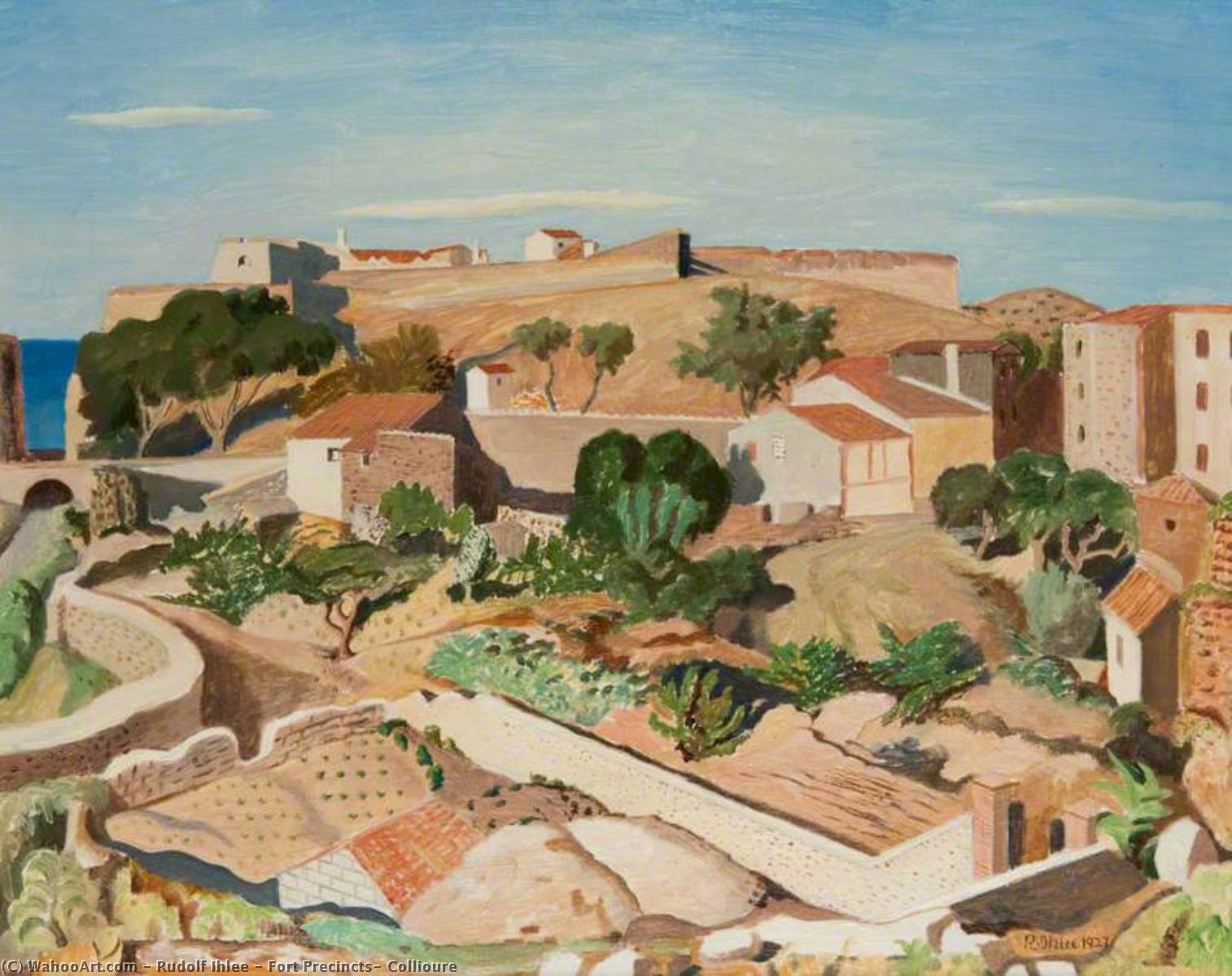
StatsFort Precincts, Collioure
 1927
1927 38.0 x 46.0 cm
 Pročitaj više
Ručno rađena uljana reprodukcija
Ručno oslikano uljanim bojama na platnu u dimenzijama i okviru po vašem izboru, izrađeno po porudžbini od strane naših umetnika. ( Switch to Print Switch to Digital Image)




































Izaberite jednu od naših unapred definisanih veličina koje odgovaraju originalnim proporcijama umetničkog dela.

Можете унети сопствене димензије како бисте прилагодили дело одређеном оквиру или простору. Ако одабрана величина не одговара пропорцијама оригинала, слика ће бити исечена или проширена додатним елементима који се ручно насликавају. Дигитални prikaz ће вам бити послат на одобрење пре почетка производње.
Имајте на уму да преглед на екрану не одражава стварно исецање или проширење. Само приказ (mockup) ће тачно приказати коначну композицију.
Иако су доступне прилагођене величине, препоручујемо да одаберете димензију из дефинисане листе како бисте сачували оригиналне пропорције.
Nakon narudžbine, tim ArtsDot.com će klijentu putem e-pošte poslati uputstva i dostaviti prikaz predloženog rešenja
Isporuka širom sveta () za 3/4 nedelje umesto uobičajenih 5 nedelja. (7 септембар). Bez kompromisa po pitanju kvaliteta.

Besplatna ekspresna dostava širom sveta

Visokokvalitetno laneno platno

Kompletno osiguranje transporta

Garancija povraćaja carine i uvoznih dažbina

Garancija vernosti boja

Politika povraćaja u roku od 100 dana (isključivo u slučaju nedostataka)

Garancija povrata novca od 100%

Popust pri grupnoj kupovini
 Opcija sa staklom dostupna je samo za dimenzije manje od 110 cm

Fort Precincts, Collioure
Tehnika reprodukcije
Dimenzije reprodukcije
-


Konačna cena
$ 263
Srodna umetnička dela









Biografija umetnika
A Painter's Embrace of Light and Landscape
Rudolf Ihlee (1883–1968) was a painter and draughtsman whose life story reads like a profound transition from the precision of engineering to the emotive freedom of Post-Impressionism. Born in London, he was the eighth son of the founder of the prestigious Jaegar cloth firm, inheriting an artistic sensibility that would eventually lead him far from his industrial roots. Before fully committing to the canvas, Ihlee demonstrated a remarkable aptitude for technical discipline, apprenticing as an engineer at Ferranti in 1902. This early exposure to the structured world of draughtsmanship provided him with a unique foundation, instilling a meticulous eye for detail and form that would later underpin his more fluid, atmospheric explorations of light.
His true calling, however, beckoned toward the Slade School of Fine Arts, where he studied from 1906 to 1910. During these formative years, Ihlee emerged as a star pupil, earning numerous prizes and becoming part of the legendary "Coster Gang." This group of avant-garde contemporaries—including luminaries such as Stanley Spencer, Mark Gertler, and C.R.W. Nevinson—was known for their distinctive style and bohemian spirit. It was within this vibrant circle that Ihlee’s artistic identity began to coalesce, shaped by a shared desire to push the boundaries of traditional representation and embrace the burgeoning modernism of the early twentieth century.
The Mediterranean Muse and the Colors of Collioure
Following the upheaval of World War I, during which he served as an engineering draughtsman in Peterborough, Ihlee made the resolute decision to prioritize his creative passion over technical stability. In 1921, he established himself within the New English Art Club, a move that signaled his arrival as a respected figure in the British art scene. Yet, it was his relocation to the sun-drenched landscapes of southern France that would most profoundly transform his palette. Settling in Collioure, Catalonia, alongside his wife Isabelle, Ihlee found himself immersed in the same luminous atmosphere that had previously captivated masters like Matisse and Derrain.
The Mediterranean light acted as a catalyst for a new period of intense productivity and stylistic evolution. His work began to vibrate with the warmth of the coastal region, characterized by an Impressionistic command of color and a rhythmic, expressive brushwork. He moved away from the rigid structures of his training toward a more evocative way of capturing the essence of the landscape. His paintings from this era are not merely depictions of scenery but are emotional responses to the vibrant hues of the sea, the rugged terrain, and the shifting shadows of the Catalan coast. This period of creative flowering was also marked by significant personal connections, most notably his enduring friendship with the visionary designer Charles Rennie Mackintosh, which enriched his artistic dialogue.
Legacy and Artistic Significance
Throughout his long career, Rudolf Ihlee remained a dedicated observer of the natural world, leaving behind an oeuvre that bridges the gap between British academic training and Continental modernism. His ability to synthesize the structural integrity learned at the Slade with the spontaneous, light-filled techniques of the French school allowed him to create works that are both grounded and ethereal. While he may have been an under-appreciated figure in certain historical narratives, his contributions to the landscape tradition are undeniable.
The enduring significance of Ihlee's work can be seen in the way his paintings continue to resonate with viewers through their atmospheric depth and tonal mastery. His legacy is preserved not only in private collections but also in prestigious institutions such as:
- The Victoria & Albert Museum, which holds examples of his masterful draughtsmanship.
- Manchester Art Gallery, showcasing his contribution to the landscape genre.
- The Cecil Higgins Art Gallery, where his works continue to inspire appreciation for the Post-Impressionist spirit.
Ultimately, Rudolf Ihlee stands as a testament to the transformative power of art—a man who successfully navigated the transition from the mechanical certainties of engineering to the beautiful, unpredictable light of the Mediterranean.
Osnovne informacije
- Artistic Movement Or Style: Post-Impressionism
- Artists Or Movements Influenced By This Artist: ['Fauvism']
- Artists Who Influenced This Artist: ['Charles Rennie Mackintosh']
- Date Of Birth: 1883
- Date Of Death: 1968
- Full Name: Rudolf Ihlee
- Nationality: British
- Notable Artworks:
- Landscape near Collioure, France
- The Well
- Place Of Birth: London, UK