

 Pošalji
 Podeli
 Detalji o delu

 Преузми
 Slični predmeti
 Slajdovi
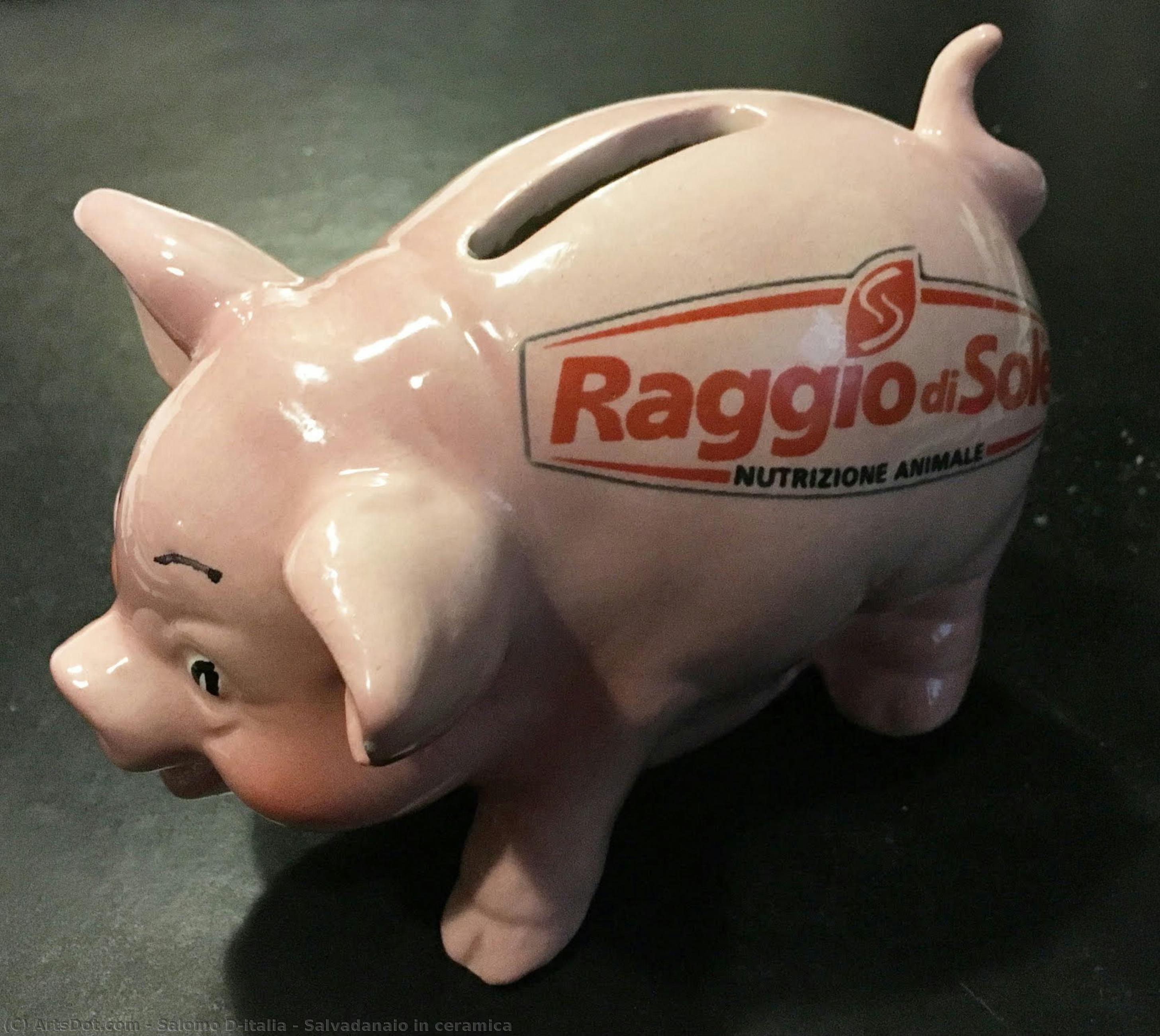
Salvadanaio in ceramica


 Pročitaj više
Giclee štampa / Umetnički otisak
Giclée štampa ili print na platnu muzejskog kvaliteta uz brzu proizvodnju i fleksibilne opcije završne obrade. ( Kupi ručno naslikanu sliku Kupi digitalnu sliku)




































Izaberite jednu od naših unapred definisanih veličina koje odgovaraju originalnim proporcijama umetničkog dela.

Možete uneti sopstvene dimenzije kako biste umetničko delo prilagodili specifičnom okviru ili prostoru. Ako odabrani format ne odgovara proporcijama originalne slike, mi ćemo ili iscrtati deo dela ili proširiti sliku pomoću ogledane ivice ili jednobojnog popunjavanja. Digitalni prikaz će vam biti poslat na odobrenje pre početka proizvodnje.
Imajte na umu da pregled na ekranu ne odražava stvarno iscrtavanje ili proširivanje. Samo će prikaz (mockup) precizno pokazati finalnu kompoziciju.
Iako su prilagođene dimenzije dostupne, preporučujemo da odaberete dimenziju sa unapred definisane liste kako biste očuvali originalne proporcije.
Dostava širom sveta () za 2 nedelje umesto uobičajenih 4/5 nedelja. (23 август)

Besplatna ekspresna dostava širom sveta

Visokokvalitetno laneno platno

Kompletno osiguranje transporta

Garancija povraćaja carine i uvoznih dažbina

Garancija vernosti boja

Politika povrata u roku od 60 dana (samo u slučaju nedostataka)

Garancija povrata novca od 100%

Popust pri grupnoj kupovini
 Opcija sa staklom dostupna je samo za dimenzije manje od 110 cm

Salvadanaio in ceramica
Giclee štampa / Umetnički otisak
Dimenzije reprodukcije
-


Konačna cena
$ 62
Opis predmeta
A Charming Encounter with Ceramic Nostalgia
In the quiet intersection of folk art and functional sculpture, the Salvadanaio in ceramica stands as a tender tribute to the simplicity of life. This exquisite ceramic piggy bank, crafted in Italy around 1970, transcends its humble purpose to become a piece of sculptural storytelling. At first glance, the viewer is greeted by the soft, organic contours of a pig, rendered with a masterful touch that balances realistic anatomy with a charming, stylized sweetness. The palette is a warm embrace of delicate pinks and earthy beiges, colors that evoke a sense of comfort and domestic tranquility. As light dances across its glazed surface, the subtle textures of the ceramic clay reveal a handcrafted soul, reminding us of an era when objects were imbued with tactile warmth and individual character.
The technique employed in this piece speaks to the venerable traditions of Italian pottery. Through the careful application of glaze, the artist has achieved a luminous finish that highlights the smooth, flowing lines of the pig’s form—from the gentle curve of its spine to the rounded prominence of its snout. This interplay of light and shadow creates a three-dimensional presence that makes the object feel alive within a room. The composition is intentionally intimate; by focusing on the singular, centered figure against a soft, blurred backdrop, the piece invites the observer into a private moment of reflection. It is a work where the medium of clay is transformed into an emotive vessel, capturing the essence of Mediterranean craftsmanship.
Symbolism and the Spirit of Preservation
Beyond its physical beauty, the Salvadanaio in ceramica carries a profound symbolic weight. The piggy bank is a universal icon of thrift, patience, and the careful cultivation of future prosperity. It represents the quiet discipline of saving, a concept that resonates deeply across generations and cultures. There is an inherent innocence in its form, evoking memories of childhood whimsy and the small, rhythmic ritual of dropping a coin into a waiting vessel. This connection to nostalgia makes the piece particularly poignant for collectors who seek art that speaks to the heart as much as the eye.
Furthermore, the presence of the ‘Raggio di Sole – Nutrizione Animale’ insignia adds a layer of historical and regional authenticity, grounding the object in its Italian heritage. This subtle detail serves as a bridge to the past, connecting the contemporary viewer to the specific cultural landscape of 20th-century Italy. For the interior designer, this piece offers more than just decoration; it provides a conversational focal point that can soften the edges of modern minimalism or add a touch of rustic charm to a classical setting. Whether displayed as a standalone sculptural element or integrated into a curated collection of ceramics, this piggy bank serves as a beautiful reminder that true value is often found in the simplest of forms.
Srodna umetnička dela



Biografija umetnika
Salomo D’Italia: A Pioneer of Jewish Diaspora Art
Salomo D’Italia (also Salomo d'italia), born around 1619 in Mantua, Italy, was a prolific copper engraver who achieved international renown during the Dutch Golden Age. His artistic legacy rests primarily on his monumental illustrations for Esther Scroll, a masterpiece that seamlessly blended Jewish diaspora themes with the spirit of liberation animating Amsterdam following the Eighty Years’ War—a testament to his profound understanding of cultural currents and artistic innovation.- Early Life & Training: Little is known about D'Italia’s formative years beyond his birthplace. He honed his engraving skills in Mantua, absorbing influences from Mannerism and Renaissance traditions prevalent at the time. These foundational experiences would prove crucial to shaping his distinctive style.
- Amsterdam Years & Patronage: D’Italia relocated to Amsterdam around 1640, establishing himself as a respected engraver and securing commissions from influential patrons—primarily Jewish merchants eager to commemorate biblical narratives and express their aspirations for autonomy amidst religious persecution.
- The Esther Scroll: The centerpiece of D’Italia's oeuvre is undoubtedly the Esther Scroll, commissioned by Rabbi Hayyim Vital in 1649. This ambitious project involved painstakingly transferring biblical scenes onto copper plates using mezzotint technique—a process known for its tonal richness and ability to convey subtle nuances of light and shadow.
- Technique & Style: D’Italia's engraving style is characterized by meticulous detail, expressive linework, and a masterful command of chiaroscuro—the dramatic interplay between light and dark—resulting in images imbued with palpable emotion and conveying the grandeur of biblical storytelling. His prints demonstrate an exceptional grasp of perspective and anatomical accuracy.
- Legacy & Influence: D’Italia's Esther Scroll stands as one of the earliest surviving depictions of Jewish life during the diaspora, capturing a pivotal moment in Jewish history—the siege of Jerusalem and the courageous defiance of Mordechai and Esther against imperial oppression. It remains an enduring symbol of resilience and artistic excellence, influencing subsequent generations of engravers and artists alike.
Exploring ‘Termoigrografo’: An Industrial Sculpture
Beyond his biblical illustrations, D’Italia produced a singular sculptural piece titled “Termoigrografo,” created in 1970. This innovative artwork combines copper and metal to represent meteorological data—a testament to D'Italia's versatility as an artist and his engagement with contemporary technological advancements. The sculpture embodies the spirit of experimentation and reflects the broader artistic landscape of its era.- Material & Design: Crafted from copper and metal, “Termoigrografo” showcases a striking visual contrast between smooth surfaces and textured textures—a deliberate choice intended to convey complexity and dynamism.
- Symbolism & Concept: The sculpture’s form evokes imagery of heat and cold—representing opposing forces that govern weather patterns—underscoring D’Italia's fascination with scientific observation and artistic interpretation.
The Esther Scroll Revisited: A Masterpiece of Biblical Illustration
The Esther Scroll remains D’Italia’s most celebrated achievement, cementing his place as a pivotal figure in Jewish art history. Its enduring appeal stems from its profound psychological depth and masterful execution—a testament to D'Italia's artistic vision and technical prowess. The scroll exemplifies the fusion of biblical narrative with humanist ideals characteristic of the Dutch Golden Age.- Mezzotint Technique: D’Italia skillfully employed mezzotint engraving, a technique that utilizes hardened copper plates and abrasive powders to create tonal gradations—resulting in prints possessing unparalleled luminosity and expressive power.
- Composition & Detail: The scroll's composition is meticulously balanced, guiding the viewer's gaze across dramatic scenes depicting Esther’s courageous plea before King Xerxes and Mordechai’s unwavering loyalty. Every detail—from facial expressions to drapery folds—is rendered with painstaking accuracy.
Beyond the Scroll: Reflections on Venetian Art & Patronage
D'Italia’s artistic journey extended beyond Amsterdam, where he collaborated with Lodovico Furlanetto on “Nuoua pianta eleuata della nobile e cospicua citta di Venezia,” a map documenting Venice’s architectural heritage. This project demonstrates D’Italia’s commitment to preserving cultural traditions and engaging in dialogue between art and scholarship—reflecting the intellectual ferment of his time.- Venetian Influence: Venetian artistic sensibilities profoundly impacted D’Italia's aesthetic sensibilities, fostering a fascination with classical ideals and decorative ornamentation.
Concluding Remarks: An Artist Ahead of His Time
Salomo D’Italia died in Amsterdam around 1655, leaving behind an indelible mark on the history of engraving and Jewish art. His Esther Scroll continues to inspire admiration for its artistic brilliance and historical significance—a testament to his enduring legacy as a visionary artist who captured the spirit of his era while elevating biblical storytelling to new heights.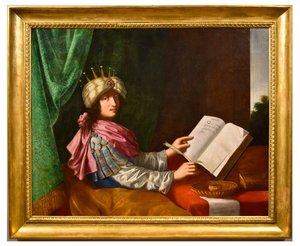
salomo d'italia
Italy
Osnovne informacije
- Artistic Movement Or Style: Dutch Golden Age
- Artists Or Movements Influenced By This Artist: ['Dutch Baroque']
- Date Of Birth: Around 1619
- Full Name: Salomo D'Italia
- Nationality: Italian
- Notable Artworks:
- Termoigrografo
- Salvadanaio in ceramica
- Esther Scroll
- Place Of Birth: Mantua, Italy
Povezani članci
The Alchemy of Clay: A Collector's Guide to the Mastery, Texture, and Timeless Form of Ceramic Art
Discover the profound beauty of ceramic art. Our expert guide explores the alchemy of clay, texture, and glaze, offering collectors deep insights into mastering earth and fire to create timeless, sculptural masterpieces for any curated collection.
Top 25 Remek-Dela Muzeja d'Orse: Impresionizam i Postimpresionizam za Vaš Dom
Uronite u svet impresionizma i postimpresionizma! Otkrijte 25 remek-dela Muzeja d'Orse: Monet, Renoir, Van Gogh i mnogi drugi. Pronađite inspiraciju za dekoraciju enterijera i kupite reprodukcije slika vrhunskog kvaliteta na ArtsDot.com.
Mario Sironi: A Poetic of Modern Italian Identity Through Symbolism & Social Commentary
Explore the profound works of Mario Sironi, a key figure in Italian Modernism. Discover his evolution from Futurism to Metaphysical painting and his powerful social commentary. Learn about his legacy at ArtsDot.
Giovanni Fattori: Realism, Identity & the Tuscan Landscape – A Macchiaioli Master
Explore the life & art of Giovanni Fattori, a leading figure of the Macchiaioli movement. Discover his revolutionary realism, captivating Tuscan landscapes, and lasting impact on Italian painting. Learn more at ArtsDot.
Carlo Carrà: Futurist Visions & Metaphysical Transformations in Early 20th-Century Italian Painting
Explore the artistic journey of Carlo Carrà, a pivotal figure in Italian Futurism & Metaphysical painting. Discover his dynamic compositions, collaborations with de Chirico, and lasting influence on modern art history.

