

 Pregledaj u prostoru
 Pošalji
 Podeli
 Detalji o delu

 Преузми
 Slični predmeti
 Rendgenski snimak
 Slajdovi
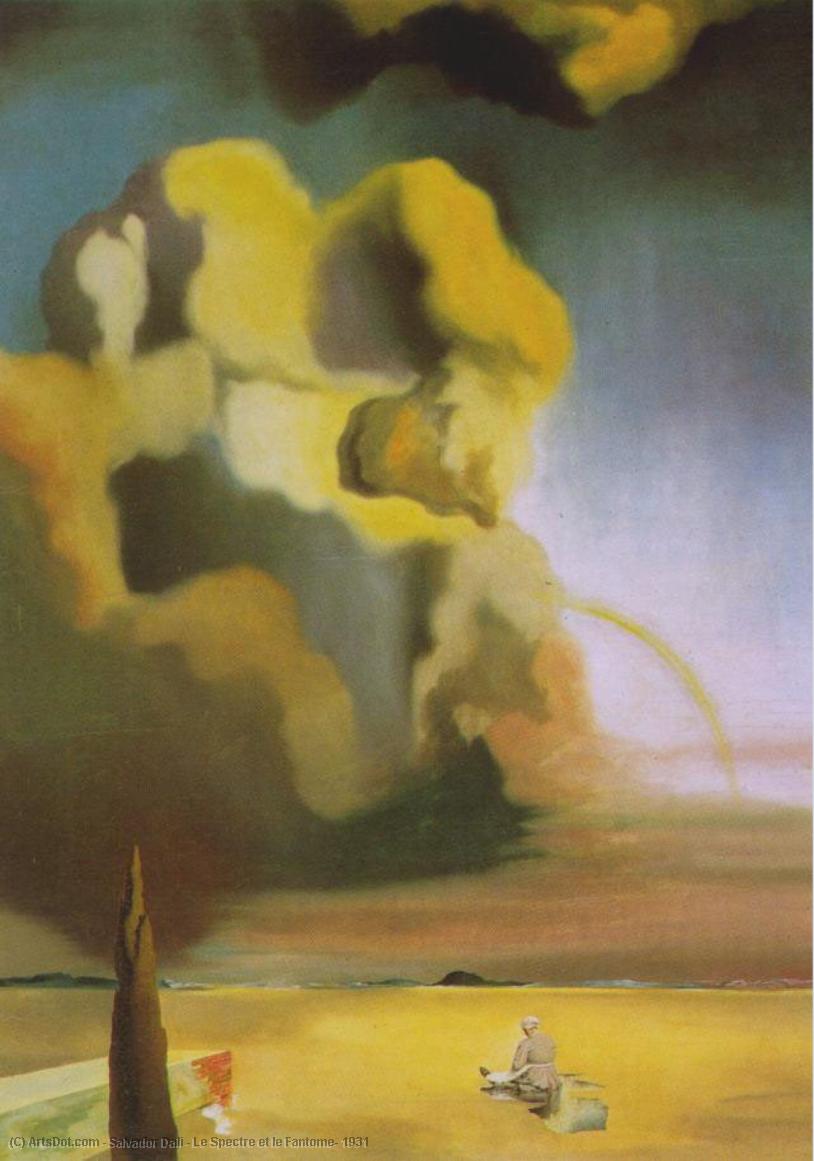
Le Spectre et le Fantome, 1931


 Pročitaj više
Kupite digitalnu sliku visoke rezolucije i poboljšanog kvaliteta, koja je znatno superiornija od onoga što vidite u online prikazu.
Svaka datoteka je pedantno pripremljena od strane naših stručnjaka koristeći napredne alate i profesionalnu ručnu retušu. Osiguravamo da svaka slika ima izuzetnu oštrinu, preciznu reprodukciju boja i fine detalje.
Konačna datoteka se dostavlja putem e-pošte u roku od 72 sata, optimizovana za neposrednu upotrebu u profesionalnim, izdavačkim i štamparskim okruženjima. To je isti kvalitet kojem veruju vrhunski studiji dizajna, izdavači i galerije.
Digitalna slika
Preuzmite datoteku visoke rezolucije za ličnu upotrebu, štampanje i kreativne projekte. ( Kupi print Kupi ručno naslikanu sliku)
Uključeno uz svaku porudžbinu digitalne slike
Profesionalna digitalna isporuka, zagarantovana
Kada odaberete ArtsDot.com, ne dobijate samo sliku – vi primate profesionalno unapređeno digitalno umetničko delo, izrađeno sa najvećom preciznošću i uz garanciju zadovoljstva. Evo svega što automatski dolazi uz vašu porudžbinu:

Brza dostava putem e-pošte
Vaša digitalna slika visoke rezolucije biće vam poslata putem e-pošte u roku od 72 sata od poručivanja – spremna za trenutnu upotrebu.

Digitalna datoteka unapređena veštačkom inteligencijom
Vaše umetničko delo je profesionalno optimizovano korišćenjem naprednih AI alata i ručne obrade, čime se osiguravaju maksimalni detalji, oštrina i preciznost boja.

Besplatna ponovna isporuka doživotno
Slučajno ste obrisali ili izgubili svoju datoteku? Ne brinite – poslaćemo vam je ponovo u bilo kom trenutku, potpuno besplatno.

Bez troškova uvoza – zauvek
Uživajte u svojim umetničkim delima trenutno, bez carine, dažbina ili troškova dostave – digitalni download je uvek bez poreza.

Garancija vernosti boja
Uz pomoć profesionalnih alata i upravljanja bojama, osiguravamo da vaša digitalna slika što vernije odražava originalne boje.

Garancija zadovoljstva u roku od 60 dana
Ako niste zadovoljni svojom digitalnom slikom, revidirat ćemo je ili vratiti 100% novca u roku od 60 dana – bez ikakvih pitanja.

100% garancija povrata novca
Niste zadovoljni? Obezbedite pun povrat novca u roku od 60 dana od trenutka kada ste primili svoju digitalnu datoteku – bez suvišnih pitanja.

Popusti na velike porudžbine
Kupite 3 slike, uštedite 10% - Kupite 5 slika, uštedite 15% - Kupite 10+ slika, uštedite 20%. Odlično za kreativne projekte, galerije i agencije.
Opis kolekcionarskog dela
A Dreamscape of Memory and Absence
In the vast, silent expanse of Salvador Dalí’s 1931 masterpiece, Le Spectre et le Fantome, the boundaries between the waking world and the subconscious dissolve into a hauntingly beautiful desert landscape. This work stands as a cornerstone of the Surrealist movement, a period defined by an intense desire to liberate the human imagination from the suffocating constraints of logic and reason. As one gazes upon this canvas, they are not merely looking at a painting, but rather stepping through a portal into a realm where time feels suspended and reality becomes fluid. The scene presents an arresting juxtaposition: a solitary man sits grounded in the arid terrain, his posture suggesting a profound state of contemplation or perhaps a heavy vulnerability, while a towering, amorphous cloud formation looms above him like a monumental manifestation of the mind's hidden depths.
The emotional resonance of the piece is deepened by the presence of a second, more distant figure standing behind the seated man. This subtle arrangement creates a palpable sense of mystery and psychological tension, as if the viewer is witnessing a private moment of confrontation between the self and the spectral. The inclusion of seemingly mundane objects—a simple chair placed near the figure and a lonely suitcase resting on the sand—serves to anchor these dreamlike elements in a recognizable, albeit distorted, reality. For the collector or the interior designer, this painting offers more than just visual intrigue; it provides a profound atmospheric weight, capable of transforming a space into one of deep introspection and intellectual curiosity.
The Mastery of the Paranoiac-Critical Method
Dalí’s technical execution in Le Spectre et le Fantome is nothing short of extraordinary, showcasing his signature paranoiac-critical technique. This method, which Dalí developed to access the irrationality of the subconscious through a controlled state of hallucinatory imagery, is visible in the meticulous rendering of the landscape. The artist employs a muted, almost monochromatic palette that emphasizes the textural contrasts of the parched, sandy earth against the ethereal, soft edges of the massive cloud. Every brushstroke is calculated to create an atmosphere of stillness, where the air feels thick with unspoken secrets and the desert heat seems to shimmer with the weight of memory.
The precision of his draftsmanship—a skill honed during his early training in Madrid—allows the surreal elements to feel disturbingly tangible. This hyper-realistic approach to impossible subjects is what makes Dalí’s work so enduringly captivating; by rendering the fantastic with such clarity, he forces the viewer to question the stability of their own perceptions. The interplay of light and shadow across the desolate terrain creates a sense of depth that draws the eye toward the horizon, inviting a journey into the unknown. For those seeking a high-quality reproduction, capturing these subtle gradations of tone and the delicate textures of the oil on canvas is essential to preserving the painting's original, haunting magic.
Symbolism and the Architecture of the Soul
Beyond its striking visual impact, Le Spectre et le Fantome is a complex tapestry of symbolism that reflects Dalí’s personal anxieties and the broader cultural preoccupations of the interwar years. The vast, dominating cloud serves as a powerful metaphor for the amorphous expanse of the subconscious—a realm where desires, fears, and memories coalesce without discernible form. It represents the overwhelming nature of the psyche, capable of overshadowing the individual with its sheer, unformed presence. Similarly, the seated man embodies the human condition: a fragile entity navigating a landscape of profound isolation and existential uncertainty.
The historical context of the piece further enriches its meaning. Emerging from the shadows of World War I, Surrealism was a reaction against the perceived failures of rationalism. Dalí’s work captures this era's fascination with mythology, psychology, and the exploration of the "inner eye." To possess or display a reproduction of this work is to invite a conversation about the duality of existence—the tension between the physical world we inhabit and the spectral world of our dreams. It is an evocative choice for any curated collection, offering a timeless window into the beautiful, terrifying, and infinite landscape of the human soul.
Srodna umetnička dela

Biografija umetnika
Сальвадор Дали: Мајстор Свемира и Подсвести
Сальвадор Доминго Фелипе Жасинта Дали i Domènech, име које је постало синоним за надреализам, рођен је 11. маја 1904. године у сунчаном граду Фигересу, Шпанија. Његов живот био је предодређен да буде све што друго до изузетног – перформанс, истраживање несвести кроз задивљујуће слике и техничку бригу. Још у детињству над њега се нависала сенка губитака; његов старији брат, такође Салвадор, преминуо је само девет месеци пре Далијевог рођења, траума која је обележила његову уметност темама двојности и замене. Ово искуство, у комбинацији са сложеним односом са оцем који је био строг али практичан и мајчином наклоношћу, обликовало је личност која је била и егзотична и дубоко интроспективна. Од младости је показао изузетан уметнички таленат, негован кроз формалну обуку на Академији лепих уметности у Мадриду. Међутим, преломни сусрет са модерном сликарством – посебно делима импресиониста и ренесансних мајстора – запалио је у њему жељу да се одрекне традиције и изгради свој пут.
Париз и Рађање Надреалистичке Визије
Путовање у Париз 1926. године било је преображавајуће, уронивши Далија у срце авангардне сцене. Привлачиле су га побунске снаге дадаизма, чије одбацивање логике и прихватање апсурда резоновало са његовим нарастујућим уметничким нагојствима. Али још важније је то што је у Паризу потпуно пригрлио надреализам, повезавши се са кључним фигурама као што су Андре Бретон, Пабло Пикасо – кога је Дали дубоко поштовао – и Жан Миро. Ово није било само усвајање стила; Дали је револуционисао сам покрет. Развио је оно што је назвао „параноичко-критичку методу“, самоиндуковану државу параноје дизајнирану да откључа скривене слике несвести. Ова техника му је омогућила да пренесе снове, бриге и дубоко личне симболе на платно са задивљујућом јасноћом и детаљном пажњом. Резултат је био свет који су насељавале топљење сата, издужене сенке, изобличене фигуре и чудне комбинације – обележја његовог одмах препознатљивог стила. Трајност памћења, завршена 1931. године, остаје можда његово најпознатије дело, у коме се сажима надреалистичка истрага флуидност времена, крхкост успомена и неизбежност распада.
Изван Платно: Плодан и Многострани Уметник
Далијева креативна продукција била је много више од сликања. Био је изузетно плодан уметник, који се бавио скулптуром, филмом – нарочито сарађујући са Алфредом Хичкоком у Spellbound и Волтом Диснејем – графичким уметностима, дизајном накита па чак и позоришним декорацијама. Његова фасцинација није била ограничена на традиционалне уметничке медије; експериментисао је са границама комерцијалне уметности, дизајнирајући рекламе и излоге. Постојани мотиви провлачили су се кроз његов рад: мрави који симболизују распад, јаја која представљају пренатални живот и наду, штакели који указују на подршку и хрупкост, фиоке које наговештавају скривене тајне и топљени објекти који оличе нестабилност стварности. Ови симболи нису били произвољни; они су били дубоко лични, укорењени у његовим анксамама, жељама и успоменама. Радови као што је Јулијетин гроб, емоционална истрага губитака,Манекен (Барселонски манекен), који одражава опсесију вештачком природом и идентитетом, и Пејзаж са мушицама, забрињавајући приказ смртности, демонстрирају ширину и дубину његових тема.
Егзотичност, Опчење и Трајно Утицај
Током живота је Дали култивисао личност егзотична и ексцентрична као и његова уметност. Прихватио је самопромоцију, разумевајући моћ спектакла да привуче пажњу јавности. Његов брак са Галом Елуардом 1934. године био је пресудан, не само лично већ и уметнички; она је постала његова муза, бизнис-менаџерка и непоколебљива подршка. Иако су га каснији дани обележили повећањем комерцијалних подухвата и понекад контроверзним пригрљајем режима Франка, његов уметнички наслеђе остаје огромно. Преминуо је 23. јануара 1989. године, оставивши за собом дело које наставља да изазива, побуђује и инспирише. Музеј Салвадора Далија у Санкт Петербургу, Флорида, служи као сведочанство о његовој трајној популарности, који прима огромну колекцију која посетиоцима омогућава да се уроне у свет овог изузетног уметника. Дали је прешао границе уметности, постајући културном иконом чији утицај може бити виђен у моди, филму, реклами и популарној култури. Остаје један од најпрепознатљивијих и најутицајнијих уметника 20. века – истински визионар који се усудио да истражи дубине несвести и преведе њене мистерије на платно за све да виде.
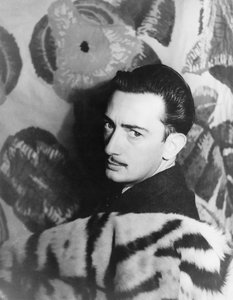
Сальвадор Дали
1904 - 1989 , Шпанија
Kratke činjenice
- Datum Rođenja: 11. maj 1904.
- Datum Smrti: 23. januar 1989.
- Mesto Rođenja: Figueres, Španija
- Nacionalnost: Španski
- Puno Ime: Salvador Domingo Felipe Jacinto Dalí i Domènech
- Umetnički Pokret: Surentizam
- Uticali Na Njega:
- Pablo Pikaso
- Dadaizam
- Kubizam
- Utičao Na Njih:
- Pop art
- Savremeni umetnici
- Značajna Dela:
- Trajna memorija
- Julijetina grobnica
- Maneken
- Položaj sa muvama

