 Pregledaj u prostoru
 Pošalji
 Podeli
 Detalji o delu

 Преузми
 Slični predmeti
 Rendgenski snimak
 Slajdovi
 Stats
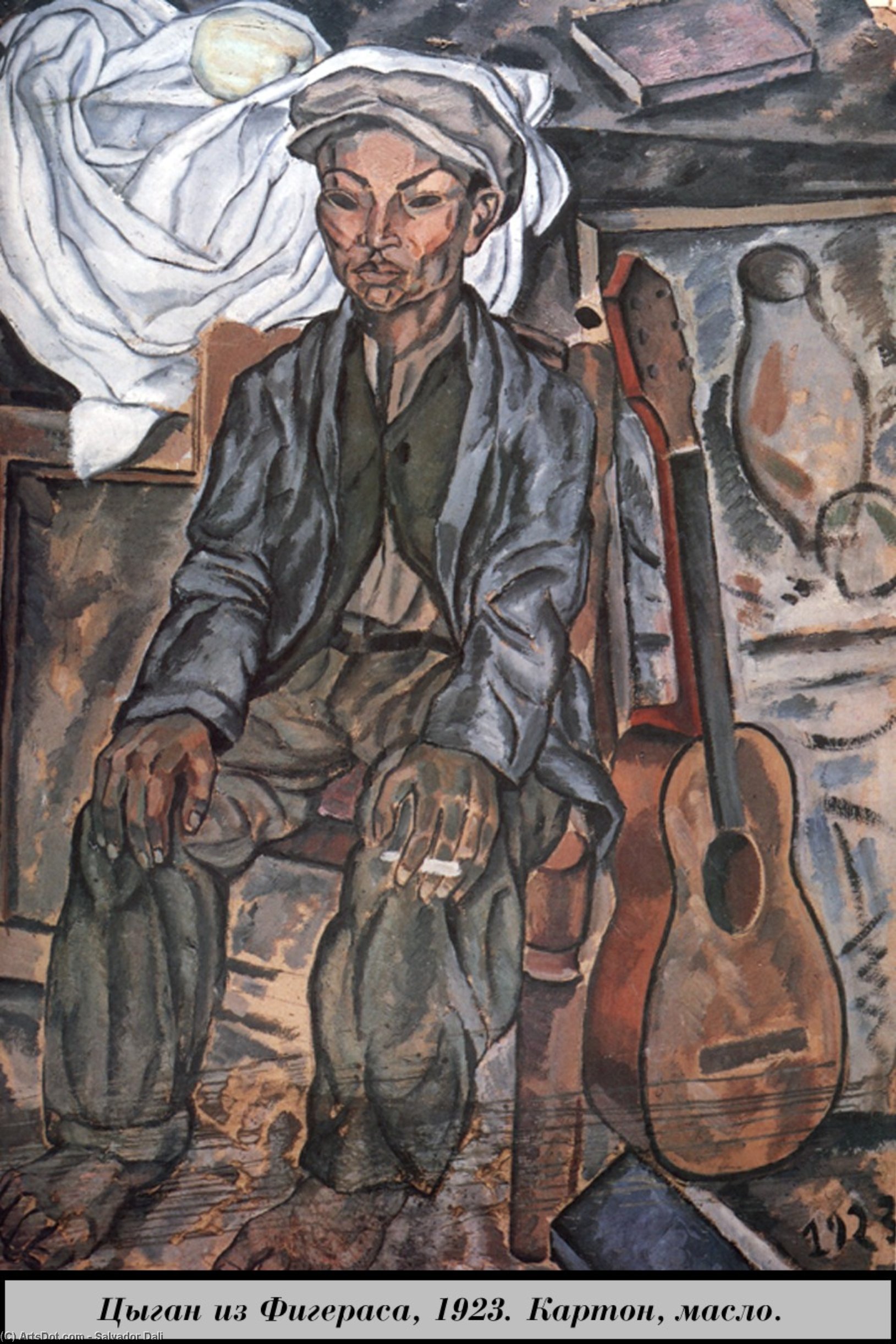
StatsRoma from Figueres


 Pročitaj više
Giclee štampa / Umetnički otisak
Giclée štampa ili print na platnu muzejskog kvaliteta uz brzu proizvodnju i fleksibilne opcije završne obrade. ( Kupi ručno naslikanu sliku Switch to Digital Image)




P118B $10

P118H $10

P118W $10

P438Z $10

P508JH $12

P508YH $12

P805H $10

P805Z $10

P919BZ $10

P919G $10

P919XJ $10

P959ZH $10

P968JZ $12

W106C $8

W218G $10

W218JH $8

W218Y $10

W307PJ $10

W316G $10

W316PJ $8

W316Y $10

W398PJ $8

W4111J $10

W500HY $15

W500JH $15

W692G $12

W849H $8

W940BG $15

W953PJ $8




Izaberite jednu od naših unapred definisanih veličina koje odgovaraju originalnim proporcijama umetničkog dela.

Možete uneti sopstvene dimenzije kako biste umetničko delo prilagodili specifičnom okviru ili prostoru. Ako odabrani format ne odgovara proporcijama originalne slike, mi ćemo ili iscrtati deo dela ili proširiti sliku pomoću ogledane ivice ili jednobojnog popunjavanja. Digitalni prikaz će vam biti poslat na odobrenje pre početka proizvodnje.
Imajte na umu da pregled na ekranu ne odražava stvarno iscrtavanje ili proširivanje. Samo će prikaz (mockup) precizno pokazati finalnu kompoziciju.
Iako su prilagođene dimenzije dostupne, preporučujemo da odaberete dimenziju sa unapred definisane liste kako biste očuvali originalne proporcije.
Dostava širom sveta () za 2 nedelje umesto uobičajenih 4/5 nedelja. (8 септембар)

Besplatna ekspresna dostava širom sveta

Visokokvalitetno laneno platno

Kompletno osiguranje transporta

Garancija povraćaja carine i uvoznih dažbina

Garancija vernosti boja

Politika povraćaja u roku od 100 dana (isključivo u slučaju nedostataka)

Garancija povrata novca od 100%

Popust pri grupnoj kupovini
 Opcija sa staklom dostupna je samo za dimenzije manje od 110 cm

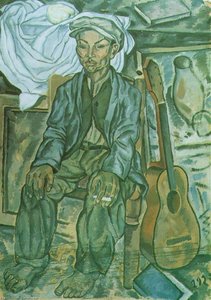
Roma from Figueres
Giclee štampa / Umetnički otisak
Dimenzije reprodukcije
-


Konačna cena
$ 62
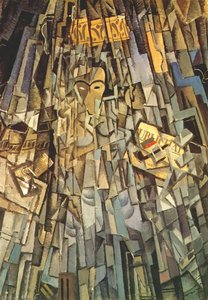
A Portrait Steeped in Dreams: *Roma from Figueres* by Salvador Dalí
Salvador Dalí’s *Roma from Figueres*, painted in 1923, is not merely a portrait; it's an exquisitely rendered window into the artist’s intensely personal and perpetually shifting inner world. Born in Figueres, Spain – a town that would profoundly influence his entire artistic trajectory – Dalí began to explore themes of identity, memory, and the subconscious with a singular intensity that would define the Surrealist movement. This particular work captures a moment suspended between reality and dream, offering a glimpse into the complex psyche of a young artist grappling with loss, familial relationships, and the burgeoning anxieties of modernity.
The subject himself is enigmatic, seated in a simple chair, his hands resting thoughtfully on his knees. He’s dressed in a hat – a recurring motif in Dalí's work often associated with disguise and hidden identities – and holds a guitar, an instrument that represents both artistic expression and the potential for escape. The setting is deliberately ambiguous; it feels vaguely domestic yet undeniably surreal. The background, rendered with Dalí’s signature meticulous detail, hints at a familiar space, perhaps a room in his family home, but distorted by the lens of his imagination. Notice the subtle shifts in perspective, the elongated shadows, and the overall sense of unease that permeates the scene – hallmarks of the artist's deliberate manipulation of visual reality.
The Language of Surrealism: Technique and Composition
Dalí’s technical mastery is immediately apparent in *Roma from Figueres*. He employed a highly polished, almost photographic realism, meticulously layering paint to create an illusion of three-dimensionality. This technique, known as “paranoiac-critical method,” allowed him to represent his internal visions with startling clarity and precision. The use of color is restrained – predominantly earthy tones punctuated by flashes of vibrant red in the bottle and vase – contributing to the painting’s overall sense of quiet contemplation. The composition itself is carefully balanced, drawing the eye across the scene through a series of subtle visual cues: the diagonal lines created by the furniture, the repetition of shapes, and the strategic placement of objects all contribute to a dynamic yet controlled arrangement.
- Precise Detail: Dalí’s obsessive attention to detail is evident in every brushstroke, from the texture of the fabric to the reflection in the bottles.
- Limited Palette: The muted color scheme reinforces the painting's dreamlike quality and creates a sense of timelessness.
- Spatial Distortion: Subtle shifts in perspective and scale contribute to the overall feeling of unease and disorientation.
Symbolism and the Echoes of Loss
Beyond its technical brilliance, *Roma from Figueres* is rich with symbolic meaning. The guitar, as mentioned earlier, represents artistic creation but also carries a weight of melancholy – perhaps reflecting Dalí’s own creative struggles or the premature death of his brother, Salvador. The bottles, positioned strategically throughout the scene, could symbolize temptation, memory, or even the duality inherent in the artist's psyche. The presence of the vase and bowl adds to this sense of domesticity, yet their placement feels slightly off-kilter, suggesting a disruption of order and a yearning for something lost. The hat itself is often interpreted as a symbol of disguise, hinting at Dalí’s deliberate construction of his public persona.
Interestingly, the painting was created shortly after the death of Dalí's brother, a deeply traumatic event that undoubtedly fueled much of his artistic exploration. The recurring motif of replacement – replacing one Salvador with another – is a key element in understanding the work’s underlying themes of loss, identity, and the struggle to reconcile with the past.
A Window into the Surrealist Mind: Emotional Impact and Reproduction
*Roma from Figueres* offers viewers an intimate glimpse into the mind of one of art history's most compelling figures. It’s a painting that invites contemplation, prompting us to question our own perceptions of reality and to consider the power of the subconscious. When reproduced on high-quality canvas by ArtsDot.com, this captivating work retains its original emotional depth and visual impact. The meticulous attention to detail ensures that every nuance of Dalí’s technique is faithfully captured, allowing you to experience the painting's surreal beauty and profound symbolism in your own home. This reproduction isn’t just a print; it’s an invitation to step into the dreamscape of Salvador Dalí himself.
Srodna umetnička dela

Biografija umetnika
Сальвадор Дали: Мајстор Свемира и Подсвести
Сальвадор Доминго Фелипе Жасинта Дали i Domènech, име које је постало синоним за надреализам, рођен је 11. маја 1904. године у сунчаном граду Фигересу, Шпанија. Његов живот био је предодређен да буде све што друго до изузетног – перформанс, истраживање несвести кроз задивљујуће слике и техничку бригу. Још у детињству над њега се нависала сенка губитака; његов старији брат, такође Салвадор, преминуо је само девет месеци пре Далијевог рођења, траума која је обележила његову уметност темама двојности и замене. Ово искуство, у комбинацији са сложеним односом са оцем који је био строг али практичан и мајчином наклоношћу, обликовало је личност која је била и егзотична и дубоко интроспективна. Од младости је показао изузетан уметнички таленат, негован кроз формалну обуку на Академији лепих уметности у Мадриду. Међутим, преломни сусрет са модерном сликарством – посебно делима импресиониста и ренесансних мајстора – запалио је у њему жељу да се одрекне традиције и изгради свој пут.
Париз и Рађање Надреалистичке Визије
Путовање у Париз 1926. године било је преображавајуће, уронивши Далија у срце авангардне сцене. Привлачиле су га побунске снаге дадаизма, чије одбацивање логике и прихватање апсурда резоновало са његовим нарастујућим уметничким нагојствима. Али још важније је то што је у Паризу потпуно пригрлио надреализам, повезавши се са кључним фигурама као што су Андре Бретон, Пабло Пикасо – кога је Дали дубоко поштовао – и Жан Миро. Ово није било само усвајање стила; Дали је револуционисао сам покрет. Развио је оно што је назвао „параноичко-критичку методу“, самоиндуковану државу параноје дизајнирану да откључа скривене слике несвести. Ова техника му је омогућила да пренесе снове, бриге и дубоко личне симболе на платно са задивљујућом јасноћом и детаљном пажњом. Резултат је био свет који су насељавале топљење сата, издужене сенке, изобличене фигуре и чудне комбинације – обележја његовог одмах препознатљивог стила. Трајност памћења, завршена 1931. године, остаје можда његово најпознатије дело, у коме се сажима надреалистичка истрага флуидност времена, крхкост успомена и неизбежност распада.
Изван Платно: Плодан и Многострани Уметник
Далијева креативна продукција била је много више од сликања. Био је изузетно плодан уметник, који се бавио скулптуром, филмом – нарочито сарађујући са Алфредом Хичкоком у Spellbound и Волтом Диснејем – графичким уметностима, дизајном накита па чак и позоришним декорацијама. Његова фасцинација није била ограничена на традиционалне уметничке медије; експериментисао је са границама комерцијалне уметности, дизајнирајући рекламе и излоге. Постојани мотиви провлачили су се кроз његов рад: мрави који симболизују распад, јаја која представљају пренатални живот и наду, штакели који указују на подршку и хрупкост, фиоке које наговештавају скривене тајне и топљени објекти који оличе нестабилност стварности. Ови симболи нису били произвољни; они су били дубоко лични, укорењени у његовим анксамама, жељама и успоменама. Радови као што је Јулијетин гроб, емоционална истрага губитака,Манекен (Барселонски манекен), који одражава опсесију вештачком природом и идентитетом, и Пејзаж са мушицама, забрињавајући приказ смртности, демонстрирају ширину и дубину његових тема.
Егзотичност, Опчење и Трајно Утицај
Током живота је Дали култивисао личност егзотична и ексцентрична као и његова уметност. Прихватио је самопромоцију, разумевајући моћ спектакла да привуче пажњу јавности. Његов брак са Галом Елуардом 1934. године био је пресудан, не само лично већ и уметнички; она је постала његова муза, бизнис-менаџерка и непоколебљива подршка. Иако су га каснији дани обележили повећањем комерцијалних подухвата и понекад контроверзним пригрљајем режима Франка, његов уметнички наслеђе остаје огромно. Преминуо је 23. јануара 1989. године, оставивши за собом дело које наставља да изазива, побуђује и инспирише. Музеј Салвадора Далија у Санкт Петербургу, Флорида, служи као сведочанство о његовој трајној популарности, који прима огромну колекцију која посетиоцима омогућава да се уроне у свет овог изузетног уметника. Дали је прешао границе уметности, постајући културном иконом чији утицај може бити виђен у моди, филму, реклами и популарној култури. Остаје један од најпрепознатљивијих и најутицајнијих уметника 20. века – истински визионар који се усудио да истражи дубине несвести и преведе њене мистерије на платно за све да виде.
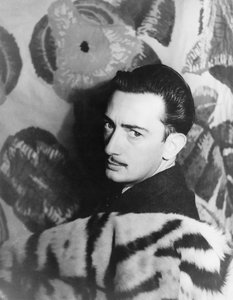
Сальвадор Дали
1904 - 1989 , Шпанија
Osnovne informacije
- Datum Rođenja: 11. maj 1904.
- Datum Smrti: 23. januar 1989.
- Mesto Rođenja: Figueres, Španija
- Nacionalnost: Španski
- Puno Ime: Salvador Domingo Felipe Jacinto Dalí i Domènech
- Umetnički Pokret: Surentizam
- Uticali Na Njega:
- Pablo Pikaso
- Dadaizam
- Kubizam
- Utičao Na Njih:
- Pop art
- Savremeni umetnici
- Značajna Dela:
- Trajna memorija
- Julijetina grobnica
- Maneken
- Položaj sa muvama
Povezani članci
Decoding Dalí: The Secrets of the Paranoiac-Critical Method and Surrealist Symbols
Unlock the mysteries of Salvador Dalí. Explore the profound secrets behind his Paranoiac-Critical Method and decode the surrealist symbols that define his legendary dreamscapes in this expert art history guide.
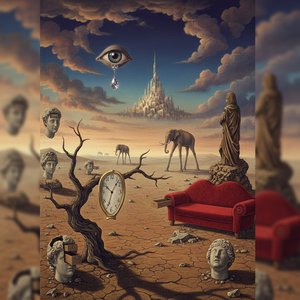
Salvador Dalí: Surrealism, Subconscious Exploration & Artistic Innovation
Explore the captivating world of Salvador Dalí! Discover his surrealist masterpieces, profound connection to Freud's theories, and lasting impact on art & culture. A deep dive into a visionary artist.
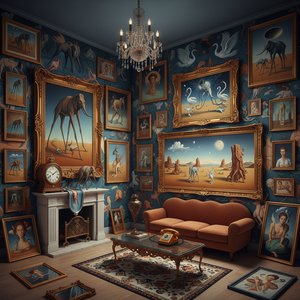
Salvador Dalí: 25 Remek-dela Genijalnog Surrealiste | ArtsDot
Uronite u svet Salvador Dalíja sa 25 remek-dela koje definišu surrealizam. Otkrijte priče iza ikoničnih slika, tehnike i inspiraciju za dizajn enterijera. Reprodukcije vrhunskog kvaliteta dostupne na ArtsDot.com.
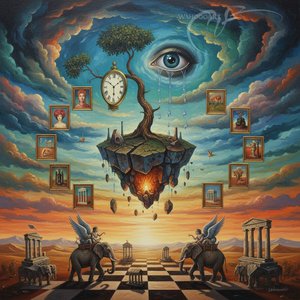
Surrealistički Majstori: 10 dela koja su definisala pokret i inspiracija za vaš dom
Otkrijte 10 remek dela koja su definisala surrealizam! Dalí, Magritte i drugi majstori kroz snoviće i simbolizam. Inspiracija za vaš dom uz ArtsDot – reprodukcije vrhunskog kvaliteta i kuratorske ideje. Istražite kolekciju online!
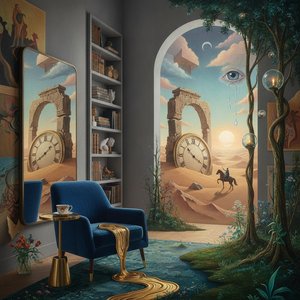
Surrealist Dreamscapes: A Curated Guide to Integrating Breathtaking Surrealism into Sophisticated Home Decor
Transform your home into a breathtaking dreamscape with expert surrealist decor tips. Discover how to curate Salvador Dalí-inspired masterpieces, integrate symbolic textures, and commission bespoke hand-painted oil reproductions that bring the magic of the subconscious to your walls.