

 Pregledaj u prostoru
 Kupi print
 Pošalji
 Podeli


 Преузми
 Slični predmeti
 Rendgenski snimak
 Slajdovi
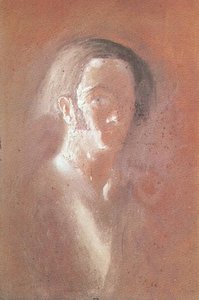
Self-Portrait, 1921


Сальвадор Дали (1904 – 1989)
Otkrijte Salvadora Dalija (1904-1989), majstora nadrealizma! Istražite snovolike pejzaže, kultne slike poput toplih satova i njegov trajni uticaj na umetnost i pop kulturu. #SalvadorDali #Nadrealizam
A Glimpse into the Subconscious: Unpacking Dalí’s 1921 Self-Portrait
Salvador Dalí's “Self-Portrait, 1921” isn’t merely a depiction of an artist; it’s a meticulously crafted window into the swirling landscapes of his mind. Painted during a pivotal period of experimentation and personal turmoil – following the tragic loss of his brother and just before he embarked on his formal artistic training – this grayscale masterpiece embodies the core tenets of Surrealism, inviting viewers to contemplate the hidden depths of the human psyche. The painting’s stark simplicity belies an astonishingly complex layering of symbolism and emotional resonance, a testament to Dalí's burgeoning mastery of visual language.
The Language of Gray: Technique and Composition
Executed in oil on canvas with a deliberate, almost clinical precision, the portrait is dominated by a restricted palette of grays – from deep charcoal blacks to delicate light shades. This monochromatic approach isn’t one of limitation but rather of heightened intensity; it forces the viewer to focus entirely on the subtle nuances of form and texture. Dalí's brushstrokes are visible, lending a tactile quality to the canvas and emphasizing the physicality of his artistic process. The composition is strikingly centered, drawing immediate attention to his face – a face etched with a profound sense of introspection and perhaps even melancholy. Note the careful rendering of his features: the slightly furrowed brow, the intense gaze, and the subtle curve of his lips all contribute to an expression that feels both vulnerable and defiant.
Symbolism and the Dreamscape
Beyond its technical brilliance, “Self-Portrait, 1921” is rich in symbolic detail. The prominent smoking pipe, a recurring motif in Dalí’s work, can be interpreted as a symbol of contemplation, creativity, or even self-destruction – a tool for navigating the complexities of his inner world. The floppy black hat and flowing cape, reminiscent of theatrical costumes, suggest an embrace of performance and a deliberate construction of identity. The background is deliberately indistinct, dissolving into a textured surface that mirrors the chaotic nature of dreams and the subconscious. It’s crucial to remember this was created during Dalí's early Surrealist period, where reality itself was often questioned and reimagined.
A Window into a Genius: Historical Context
Painted in 1921, this self-portrait represents a critical juncture in Dalí’s artistic development. He was rapidly establishing himself as a leading figure within the Surrealist movement, alongside artists like René Magritte and Max Ernst. The painting reflects the broader cultural anxieties of the post-World War I era – a time marked by disillusionment, uncertainty, and a growing fascination with the irrational and the unconscious. Dalí’s work, including this self-portrait, served as a powerful antidote to rationalism and a bold exploration of the hidden realms of human experience. It's a poignant reminder that art can be not just a reflection of reality but also a portal into the deepest recesses of our minds.
O ovom umetničkom delu
- Naslov: Self-Portrait, 1921
- Umetnik: Сальвадор Дали
- Format: Portrait
- Status autorskih prava: Zaštićeno autorskim pravima
- Medijum: Oil On Canvas
- Tehnika izrade: WallArt
- Kreativni period: Early Surrealism
- Kontekst korpusa: francoist spain , subconscious
- Ključne reči: oil painting , catalan art , portraiture
- Boja (ton): Green to Violet Spectrum
Osnovne informacije
- Influences: Raphael
- Artistic style: Dreamlike imagery
- Medium: Oil on canvas
- Location: Dalí Museum, St. Pete
- Notable elements: Visible brushstrokes
- Artist: Salvador Dalí
- Movement: Surrealism
QR kod


