 Pregledaj u prostoru
 Pošalji
 Podeli
 Detalji o delu

 Преузми
 Slični predmeti
 Rendgenski snimak
 Slajdovi
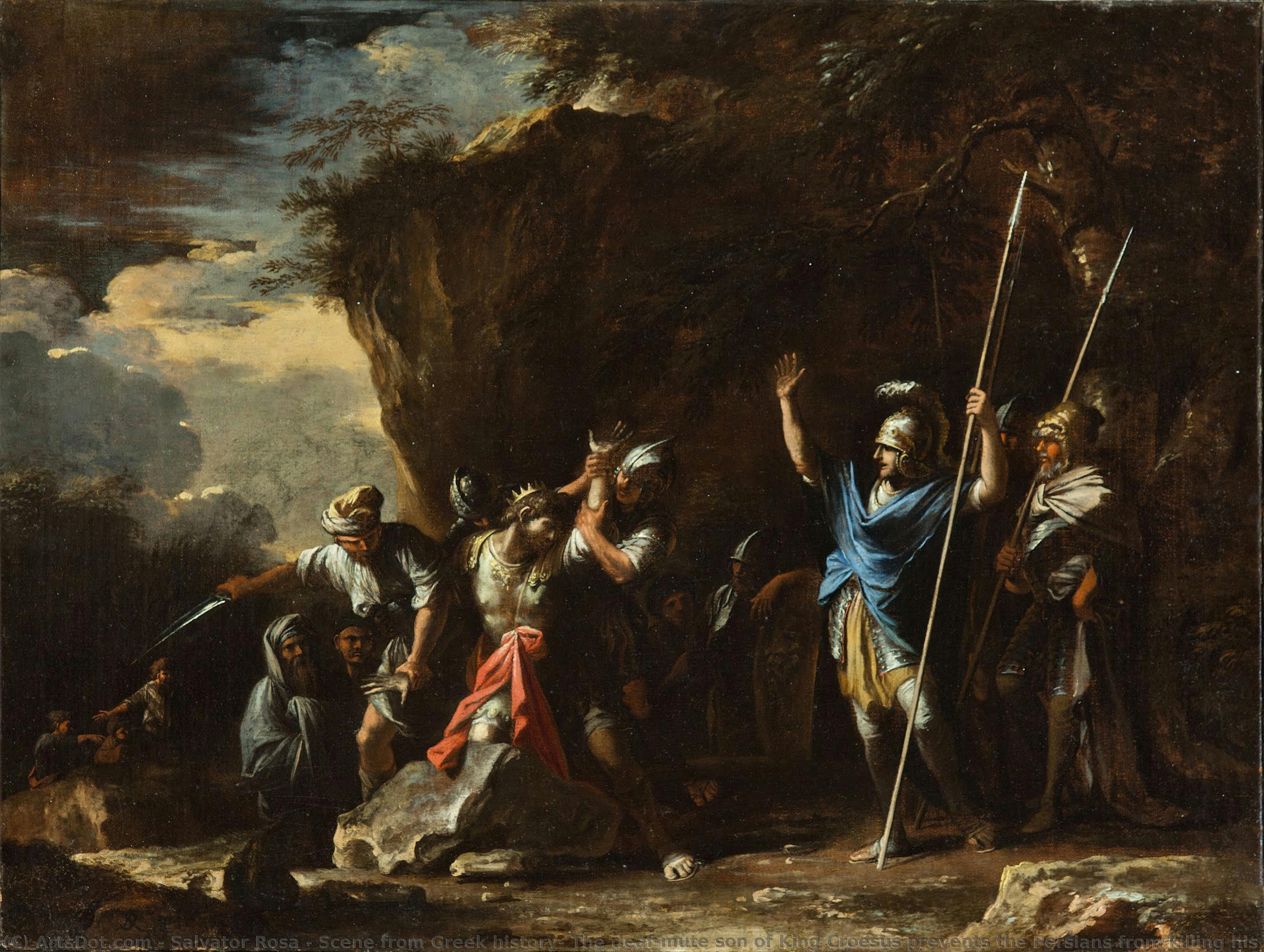
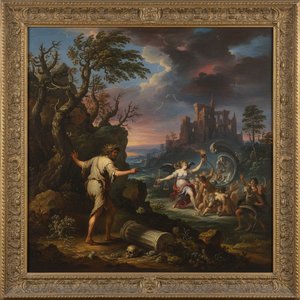
Scene from Greek history: The deaf-mute son of King Croesus prevents the Persians from killing his father
 Oil On Canvas
- WallArt
- Baroque
 1663
1663- Early Modern
 97.0 x 73.0 cm
 Art Gallery of South Australia
 Pročitaj više
Ručno rađena uljana reprodukcija
Ručno oslikano uljanim bojama na platnu u dimenzijama i okviru po vašem izboru, izrađeno po porudžbini od strane naših umetnika. ( Kupi print Kupi digitalnu sliku)




P118B $10

P118H $10

P118W $10

P438Z $10

P508JH $12

P508YH $12

P805H $10

P805Z $10

P919BZ $10

P919G $10

P919XJ $10

P959ZH $10

P968JZ $12

W106C $8

W218G $10

W218JH $8

W218Y $10

W307PJ $10

W316G $10

W316PJ $8

W316Y $10

W398PJ $8

W4111J $10

W500HY $15

W500JH $15

W692G $12

W849H $8

W940BG $15

W953PJ $8




Izaberite jednu od naših unapred definisanih veličina koje odgovaraju originalnim proporcijama umetničkog dela.

Можете унети сопствене димензије како бисте прилагодили дело одређеном оквиру или простору. Ако одабрана величина не одговара пропорцијама оригинала, слика ће бити исечена или проширена додатним елементима који се ручно насликавају. Дигитални prikaz ће вам бити послат на одобрење пре почетка производње.
Имајте на уму да преглед на екрану не одражава стварно исецање или проширење. Само приказ (mockup) ће тачно приказати коначну композицију.
Иако су доступне прилагођене величине, препоручујемо да одаберете димензију из дефинисане листе како бисте сачували оригиналне пропорције.
Nakon narudžbine, tim ArtsDot.com će klijentu putem e-pošte poslati uputstva i dostaviti prikaz predloženog rešenja
Isporuka širom sveta () za 3/4 nedelje umesto uobičajenih 5 nedelja. (26 август). Bez kompromisa po pitanju kvaliteta.

Besplatna ekspresna dostava širom sveta

Visokokvalitetno laneno platno

Kompletno osiguranje transporta

Garancija povraćaja carine i uvoznih dažbina

Garancija vernosti boja

Politika povrata u roku od 60 dana (samo u slučaju nedostataka)

Garancija povrata novca od 100%

Popust pri grupnoj kupovini
 Opcija sa staklom dostupna je samo za dimenzije manje od 110 cm

Scene from Greek history: The deaf-mute son of King Croesus prevents the Persians from killing his father
Tehnika reprodukcije
Dimenzije reprodukcije
-


Konačna cena
$ 388
Opis umetničkog dela
A Cinematic Encounter with Baroque Drama
In the heart of a jagged, primordial landscape, Salvator Rosa captures a moment of breathless tension that feels less like a static painting and more like a frozen frame from a grand cinematic epic. "Scene from Greek history: The deaf-mute son of King Croesus prevents the Persians from killing his father" is a masterclass in the Baroque aesthetic, pulling the viewer into a world where survival hangs by a single, desperate thread. The scene, likely inspired by the legendary tales found within Homer’s Iliad, presents us with a visceral struggle for life amidst the shadows of antiquity. As we gaze upon the rugged terrain and the frantic movement of the figures, we are not merely observers; we are witnesses to a profound act of familial devotion and heroic defiance.
The composition is anchored by a central figure whose commanding presence radiates an almost electric urgency. With one hand raised aloft, he acts as a human barrier against the encroaching tide of violence, his gesture cutting through the chaos of the surrounding skirmish. Around him, the canvas teems with life and conflict: men clash with spears and shields, while others watch with eyes wide in apprehension or intensity. Rosa utilizes strong, directional lines—the sharp tilt of a weapon, the dramatic drape of a tunic, the jagged edge of a stone—to guide our eyes through this whirlwind of action, ensuring that the emotional momentum never falters.
The Mastery of Light and Shadow
Technically, this 1663 masterpiece showcases Rosa’s unparalleled ability to manipulate the chiaroscuro technique to evoke psychological depth. The lighting is profoundly dramatic, characterized by stark contrasts that carve figures out of the surrounding gloom. Deep, cavernous shadows retreat into the crevices of the rocky landscape, creating a sense of immense, suffocating space, while sudden bursts of light illuminate the musculature and facial expressions of the protagonists. This interplay of light and dark does more than provide three-dimensionality; it mirrors the internal turmoil of the characters, reflecting the struggle between life and death, and order and chaos.
The texture of the work is equally captivating. Through meticulous oil painting on canvas, Rosa achieves a rich, layered effect that suggests the grit of the earth and the cold hardness of stone. His brushwork is both precise in rendering the fine details of armor and fluid enough to capture the kinetic energy of a battlefield. For the discerning collector or interior designer, this tactile quality offers a profound sense of luxury and historical weight, making it an ideal centerpiece for spaces that demand a sense of gravitas and intellectual intrigue.
Symbolism and Eternal Resonance
Beyond its surface-level spectacle, the painting serves as a powerful allegory for the human condition. The deaf-mute son, unable to use words to plead for mercy, must rely on the raw power of physical presence and symbolic gesture. This element introduces a poignant layer of symbolism regarding the limits of communication and the universality of sacrifice. In an era of political instability and religious upheaval, such themes of leadership, resistance against overwhelming odds, and the preservation of legacy would have resonated deeply with 17th-century audiences—and they continue to resonate with us today.
For those looking to adorn a curated collection or a sophisticated living space, this reproduction offers more than just visual beauty. It brings into a room a piece of history that speaks of resilience and the indomitable spirit. Whether placed in a library, a formal study, or a contemporary gallery setting, Rosa’s work provides an enduring focal point that invites contemplation, sparking conversations about the legends of the past and the timeless emotions that bind us all.
Srodna umetnička dela
Biografija umetnika
**Почетак живота и образовање**
Салватор Роза, италијански барокни сликар, песник и графичар, рођен је у Аренели, код Напуља, 20. јуна или 21. јула 1615. године. Његова мајка, Ђулија Грека Роза, била је из породице грчких досељеника са Сицилије. Иако је отац желео да постане адвокат или свештеник, Салватор је од раног узраста показивао склоност према уметности. Његов бунтарски дух се манифестовао и у томе што је избегавао конвенционални пут карејере, посвећујући се страсти за сликањем уместо професија које су му били предвиђене. Рани период његовог живота био је обележен самосталним учењем и упорном потрагом за сопственим стилом, често у супротности са очекивањима друштва.**Уметничка каријера и карактеристике рада**
Салватор Роза је био познат по свом неконвенционалном и екстравагантном стилу, који га је издвојио од савременика. Активно је радио у Напуљу, Риму и Фиренци, а на његов рад су утицали реализам Рибере и класицизам Пусена. Међутим, он се трудио да не буде везан за ниједан посебан стил или покрет, развијајући свој јединствени израз. Његови пејзажи су често мрачни и драматични, испуњени бурима, рушевинама и дивљим природним сценама које одражавају његов романтичарски дух и филозофска размишљања. Радови попут "Пирогора излази из Подземног света" (Kimbell Art Museum, Форт Ворт, Сједињене Државе) показују његову способност да споји философске теме са уметничким елементима на импресиван начин. "Крштење евнуха" (Chrysler Museum of Art, Норфолк, Сједињене Државе) демонстрира његов таленат за уношење драме и интензитета чак и у мале библијске приче. Његова техника је била карактеристична по смелој употреби светла и сенке, као и динамичним композицијама које су често укључивале фигуре у акцији.**Утицаји и наслеђе**
Салватор Роза је имао значајан утицај на развој барокне уметности, посебно у области пејзажа. Његов рад је инспирисао касније уметнике, попут Луке Ђордана, који су наставили да померају границе уметничког израза. Розин бунтарски дух и његова способност да споји филозофију са уметношћу оставили су трајан утисак на генерације уметника. Његов рад је био претеча романтизма, а његови пејзажи су често интерпретирани као симболи човекове борбе против природе и судбине. Розин утицај се може видети и у делима многих других сликара који су тежили да изразе своје емоције и идеје кроз драматичне и импресивне сцене.**Важна дела и достигнућа**
Поред већ поменутих "Пирогора излази из Подземног света" и "Крштења евнуха", Салватор Роза је створио многа друга значајна дела. Међу њима су и "Призор залива Салерно", који одликује реалистичан приказ природе, као и студија за "Генија Розе", која показује његову мајсторску употребу цртежа. Роза је био плодан графичар, а његови отисци су били веома популарни у своје време. Његова способност да споји различите жанрове – сликање, поезију и графику – учинила га је изузетно свестраним и оригиналним уметником.**Историјски значај и закључак**
Салватор Роза је остао запамћен као један од најзначајнијих представника барокне уметности, познат по свом бунтарском духу, неконвенционалном стилу и филозофским размишљањима. Његов рад је био претеча романтизма, а његови пејзажи су често интерпретирани као симболи човекове борбе против природе и судбине. Као сликар, песник и графичар, Салватор Роза остаје загонетна фигура чији рад наставља да инспирише нове генерације уметника и љубитеља уметности. Музеј Kimbell Art Museum и Chrysler Museum of Art су само неки од музеја који чувају његова ремек-дела, сведочећи о трајној вредности његовог опуса.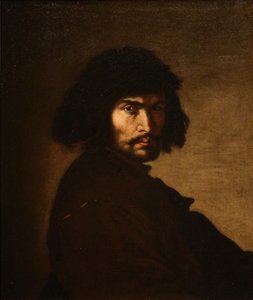
Сальватор Роза
1615 - 1673 , Италија
Osnovne informacije
- Artistic Movement Or Style: Barokna umetnost
- Artists Or Movements Influenced By This Artist: ['Luca Giordano']
- Artists Who Influenced This Artist: ['José de Ribera']
- Date Of Birth: 20. jun 1615.
- Date Of Death: 1673.
- Full Name: Salvator Rosa
- Nationality: Italijan
- Notable Artworks:
- Pitagora izlazi iz pakla
- Krštenje eunoha
- Place Of Birth (City And Country): Arenella, Italija
Povezani članci
Salvator Rosa: A Baroque Rebel's Vision of Landscape, Allegory & the Human Condition
Explore the captivating world of Salvator Rosa, a rebellious Baroque master. Discover his dramatic landscapes, allegorical paintings & lasting influence on Romanticism. Hand-painted reproductions available at ArtsDot.

The Dramatic Flourish: Exploring the Baroque Movement's Enduring Legacy in Art History
Explore the dramatic world of Baroque art! Discover iconic artists like Caravaggio & Rubens, defining techniques, and its lasting impact on art history. Expert insights for collectors & enthusiasts at ArtsDot.

Barok Majstor dela: Top 10 Umjetničkih Remeka za Vaš Dom
Otkrijte 10 remek dela koja su definisala baroknu umetnost! Karavagio, Bernini i više – istražite priče iza ovih ikoničnih slika. Inspiracija za vaš dom? Pogledajte kolekciju na ArtsDot.com!

The Enduring Power of Painting: A Historical & Contemporary Exploration of Form and Emotion
Explore the rich history & enduring techniques of oil painting with ArtsDot. Discover masterpieces, learn about art collecting, and find authentic handmade reproductions crafted by skilled artists.

Baroque Classicism: Reconciling Drama & Order in 17th-Century Art
Explore the captivating world of Baroque Classicism! Discover its history, key artists like Caravaggio & Rubens, and defining characteristics. Expert insights & high-quality reproductions at ArtsDot.