

 Pregledaj u prostoru
 Pošalji
 Podeli
 Detalji o delu

 Преузми
 Slični predmeti
 Rendgenski snimak
 Slajdovi
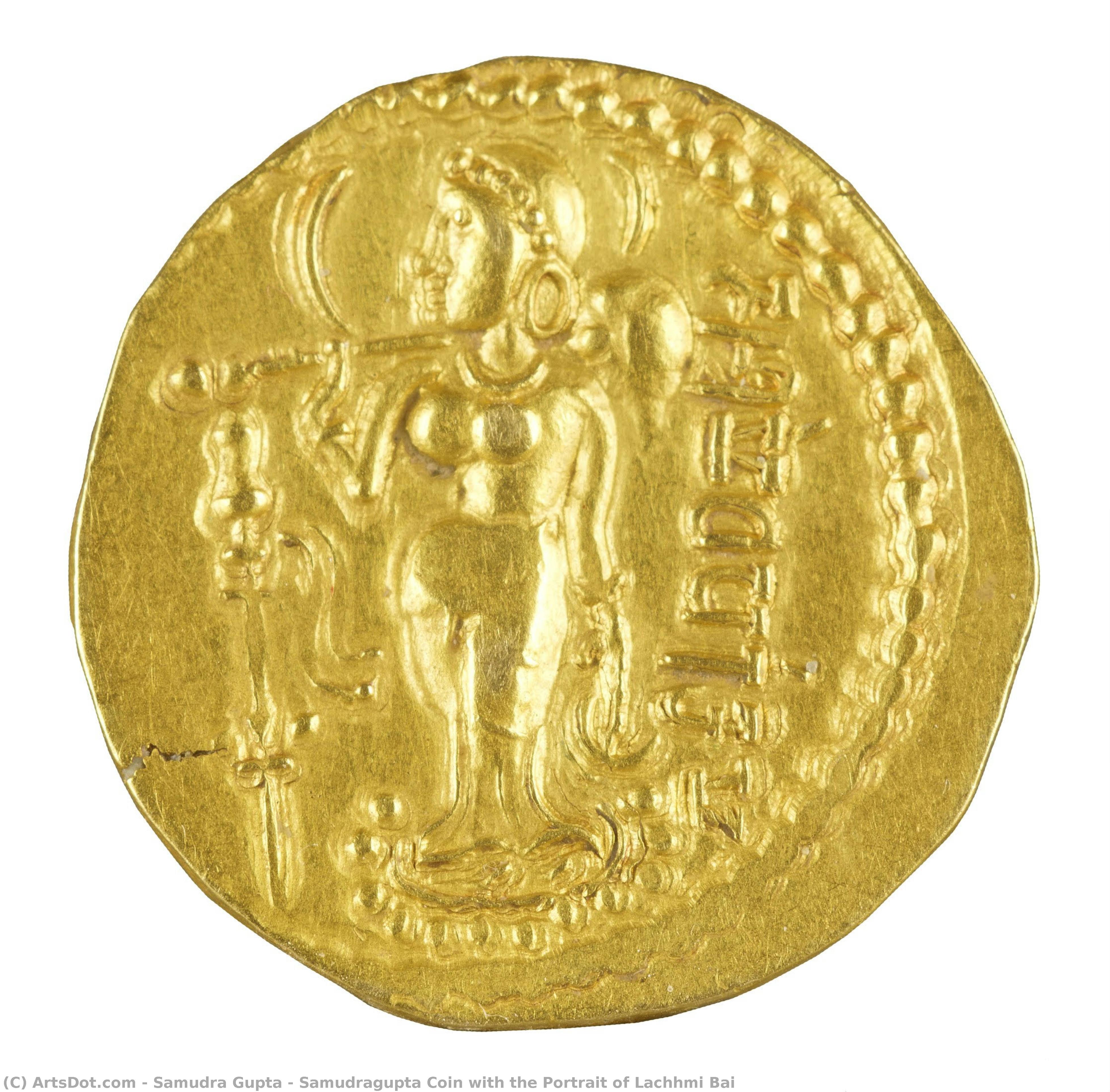
Samudragupta Coin with the Portrait of Lachhmi Bai

 Pročitaj više
Ručno rađena uljana reprodukcija
Ručno oslikano uljanim bojama na platnu u dimenzijama i okviru po vašem izboru, izrađeno po porudžbini od strane naših umetnika. ( Kupi print Kupi digitalnu sliku)




P118B $10

P118H $10

P118W $10

P438Z $10

P508JH $12

P508YH $12

P805H $10

P805Z $10

P919BZ $10

P919G $10

P919XJ $10

P959ZH $10

P968JZ $12

W106C $8

W218G $10

W218JH $8

W218Y $10

W307PJ $10

W316G $10

W316PJ $8

W316Y $10

W398PJ $8

W4111J $10

W500HY $15

W500JH $15

W692G $12

W849H $8

W940BG $15

W953PJ $8




Izaberite jednu od naših unapred definisanih veličina koje odgovaraju originalnim proporcijama umetničkog dela.

Можете унети сопствене димензије како бисте прилагодили дело одређеном оквиру или простору. Ако одабрана величина не одговара пропорцијама оригинала, слика ће бити исечена или проширена додатним елементима који се ручно насликавају. Дигитални prikaz ће вам бити послат на одобрење пре почетка производње.
Имајте на уму да преглед на екрану не одражава стварно исецање или проширење. Само приказ (mockup) ће тачно приказати коначну композицију.
Иако су доступне прилагођене величине, препоручујемо да одаберете димензију из дефинисане листе како бисте сачували оригиналне пропорције.
Nakon narudžbine, tim ArtsDot.com će klijentu putem e-pošte poslati uputstva i dostaviti prikaz predloženog rešenja
Isporuka širom sveta () za 3/4 nedelje umesto uobičajenih 5 nedelja. (25 август). Bez kompromisa po pitanju kvaliteta.

Besplatna ekspresna dostava širom sveta

Visokokvalitetno laneno platno

Kompletno osiguranje transporta

Garancija povraćaja carine i uvoznih dažbina

Garancija vernosti boja

Politika povrata u roku od 60 dana (samo u slučaju nedostataka)

Garancija povrata novca od 100%

Popust pri grupnoj kupovini
 Opcija sa staklom dostupna je samo za dimenzije manje od 110 cm

Samudragupta Coin with the Portrait of Lachhmi Bai
Tehnika reprodukcije
Dimenzije reprodukcije
-


Konačna cena
$ 263
Opis umetničkog dela
The Glimmer of Empire: Samudragupta's Coin Portrait
To gaze upon this exquisite representation—a coin bearing the portrait of Lachhmi Bai, attributed within the historical context of Samudragupta’s reign—is to hold a tangible fragment of ancient Indian grandeur. It is more than mere metalwork; it is a miniature narrative etched in gold, whispering tales of imperial might and divine grace across millennia. The artistry captured here speaks volumes about the sophisticated patronage that characterized the Gupta era, an age when art, power, and spirituality were inextricably woven together.
A Study in Ornate Devotion
The central focus, the portrait itself, immediately draws the eye with its meticulous detail. The figure, adorned with elaborate jewelry—noticeable earrings catching the light—is rendered with a captivating sense of regal poise. While the coin format necessitates a certain compression of form, the artist has managed to imbue the subject with an almost living presence. This style suggests not just portraiture, but rather an iconographic statement. The craftsmanship speaks to a high degree of metallurgical skill combined with profound artistic understanding, transforming a functional piece of currency into a devotional object worthy of contemplation.
Historical Echoes and Symbolism
The association with Samudragupta anchors this piece in a period of immense cultural flourishing. Though the coin itself is a reproduction capturing an ancient style, it invites us to consider the weight of that history. The depiction of a figure like Lachhmi Bai, often associated with prosperity and divine feminine energy, layered upon the authority suggested by the Gupta lineage, creates a potent symbolic dialogue. It suggests that even at the zenith of military power, the underlying cultural bedrock remained deeply rooted in spiritual reverence and aesthetic refinement. Owning or displaying such an item is to connect one's modern space with this deep wellspring of Indian civilization.
Bringing Antiquity Home: Reproduction for the Modern Collector
For the collector, the appeal lies in its narrative depth; for the designer, it offers unparalleled cultural texture. Our hand-painted reproductions aim to capture not just the image, but the *aura* of this historical artifact. The rich gold tones and the intricate detailing are painstakingly recreated, allowing you to integrate a piece steeped in myth and history into your contemporary décor. Imagine this coin displayed against a backdrop of modern minimalism—the contrast itself becomes a powerful statement, bridging epochs and inviting conversation about beauty, power, and enduring artistry.
The Emotional Resonance
This piece evokes a sense of awe. It is the feeling one gets when standing before an artifact that has survived empires, revolutions, and the relentless march of time. The craftsmanship whispers of dedicated artisans whose skill was both their livelihood and their devotion. It serves as a quiet monument to human achievement—a beautiful confluence of metallurgy, portraiture, and enduring cultural belief.
Srodna umetnička dela
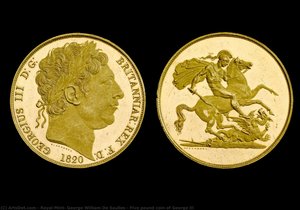
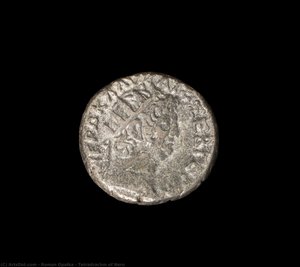
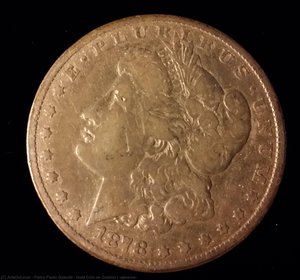
Biografija umetnika
The Imperial Vision of Samudra Gupta: A Legacy Etched in Coinage
Samudra Gupta, a name resonating through the annals of ancient India, stands as a testament to power, artistry, and strategic brilliance. Born in Patna, within the heart of what would become a flourishing Gupta empire, his life unfolded not merely as a reign but as an epoch-defining narrative. While direct paintings or sculptures attributable solely to Samudra Gupta remain elusive – a common fate for rulers of antiquity whose focus lay on patronage rather than personal artistic creation – his legacy is powerfully and uniquely preserved through the exquisite coin portraits commissioned during his rule. These are not simply representations of a king; they are carefully constructed statements of imperial authority, religious devotion, and cultural sophistication. He was the son of Chandragupta I and Kumaradevi, inheriting a kingdom poised for expansion and transforming it into an empire that dominated much of the Indian subcontinent.A Ruler as Patron: The Art of Self-Representation
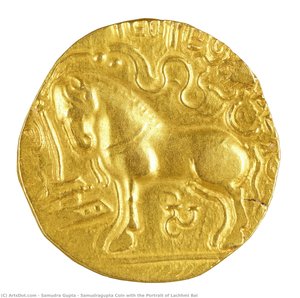
Samudra Gupta’s artistic influence wasn't wielded through brushstrokes but through the meticulous control of his image. He understood the potent symbolism embedded within coinage, transforming a functional object into a powerful tool for propaganda and self-glorification. Unlike earlier rulers who often employed generic iconography, Samudra Gupta’s coins showcase remarkably consistent and detailed portraits of himself. These depictions are not idealized in the manner of divine representations; instead, they present a strikingly realistic portrayal of the emperor – strong jawline, determined gaze, and often adorned with royal regalia. The reverse sides of these coins frequently feature symbolic imagery reflecting his military victories, religious beliefs, and the extent of his dominion. The Ashvamedha horse sacrifice, a cornerstone of ancient Indian imperial legitimacy, is prominently depicted on many issues, visually proclaiming his sovereignty. This deliberate artistic strategy served to solidify his power base and project an image of unwavering authority across his vast empire.Military Conquests & Cultural Flourishing: The Context of Creation
To understand Samudra Gupta’s art, one must appreciate the context of his extraordinary life. He was a formidable military leader who embarked on a series of campaigns that dramatically expanded the Gupta Empire. His conquests weren't simply about territorial acquisition; they were carefully planned to consolidate power and eliminate rivals. The Allahabad Pillar inscription provides detailed accounts of these victories, revealing a ruler who skillfully combined strategic warfare with diplomatic maneuvering. This period of expansion wasn’t solely defined by military prowess. Samudra Gupta was also a patron of the arts, fostering a cultural renaissance within his empire. Poetry, music, and religious scholarship flourished under his reign, creating an environment where artistic expression thrived. The coins, therefore, are not isolated artifacts but rather reflections of this broader cultural blossoming – testaments to a ruler who valued both power and refinement.Influences & Artistic Style: A Synthesis of Tradition
While Samudra Gupta’s coin portraits represent a distinct artistic style, they weren't created in isolation. They draw upon established traditions of ancient Indian art, particularly the Kushan coinage which featured realistic portraiture and symbolic imagery. However, he moved beyond mere imitation, imbuing his coins with a unique sense of imperial grandeur and personal authority. The emphasis on realism, coupled with the consistent depiction of royal regalia, sets his coinage apart from earlier examples.- Kushan Coinage: Provided a foundation for realistic portraiture.
- Mauryan Art: Influenced the use of symbolic imagery to convey power and authority.
- Local Artistic Traditions: Incorporated regional styles, reflecting the diverse nature of his empire.
Historical Significance & Enduring Legacy
Samudra Gupta’s reign marked a pivotal moment in Indian history. He laid the foundation for the Golden Age of the Gupta Empire, a period characterized by unprecedented cultural and economic prosperity. His son, Chandragupta II, continued his expansionist policies, further solidifying the empire's dominance. However, it is Samudra Gupta who is often credited with initiating this era of greatness. The coins he commissioned serve as invaluable historical sources, providing insights into his military campaigns, religious beliefs, and artistic sensibilities. More than just currency, they are powerful artifacts that offer a glimpse into the mind of an emperor – a ruler who understood the art of self-representation and used it to shape his legacy for centuries to come. His influence continues to be felt today, inspiring artists, historians, and leaders alike with his vision of power, artistry, and cultural refinement.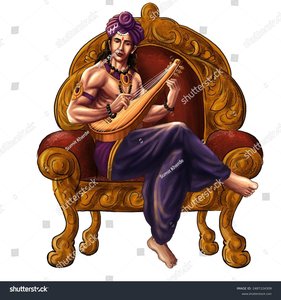
samudra gupta
India
Osnovne informacije
- Artistic Movement Or Style: Historical Realism
- Full Name: Samudra Gupta
- Nationality: Indian
- Notable Artworks:
- Coin Portraits
- Imagery of Gupta Empire
- Place Of Birth: Patna, India
Povezani članci
Golden Glow: How to Use Metallic Gold Artworks to Elevate Your Home Decor with Timeless Luxury
Discover how to elevate your home with the timeless elegance of metallic gold artworks. From sculptural metal pieces to gilded oil paintings, learn expert interior design tips for integrating luxurious gold accents into your space with sophistication and grace.
The Allure of Gold in Art History: Symbolism, Technique & Cultural Significance
Explore the rich history of gold in art! Discover symbolism, techniques & cultural significance from ancient civilizations to Klimt's masterpieces. Expert insights for collectors at ArtsDot.
Raja Ravi Varma: Bridging Tradition & Modernity in 19th-Century Indian Art
Explore the life & art of Raja Ravi Varma, a pioneer who fused European techniques with Indian iconography. Discover his iconic paintings, lasting legacy, and influence on modern Indian art at ArtsDot.
Golden Masterpieces: 10 Paintings That Define Art History | ArtsDot
Explore 10 breathtaking paintings where gold leaf shines! From Klimt to Byzantine icons, discover art history’s most gilded masterpieces. Find museum-quality reproductions & elevate your home decor with ArtsDot. Explore the full collection online.
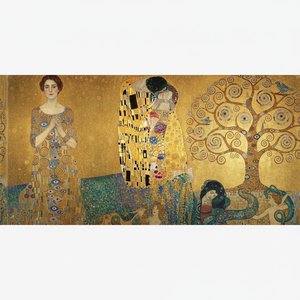
Gustav Klimt: 25 Remek-Dela Koje Očaravaju Svet – Reprodukcije za Vaš Dom
Uronite u svet Gustava Klimta! Otkrijte 25 remek-dela bečkog secesiona, od 'Poljupca' do portreta Adele Bloch-Bauer. Reprodukcije slika vrhunskog kvaliteta za luksuzni enterijer – inspiracija i dekoracija na ArtsDot.com.

