

 Pregledaj u prostoru
 Pošalji
 Podeli
 Detalji o delu

 Преузми
 Slični predmeti
 Rendgenski snimak
 Slajdovi
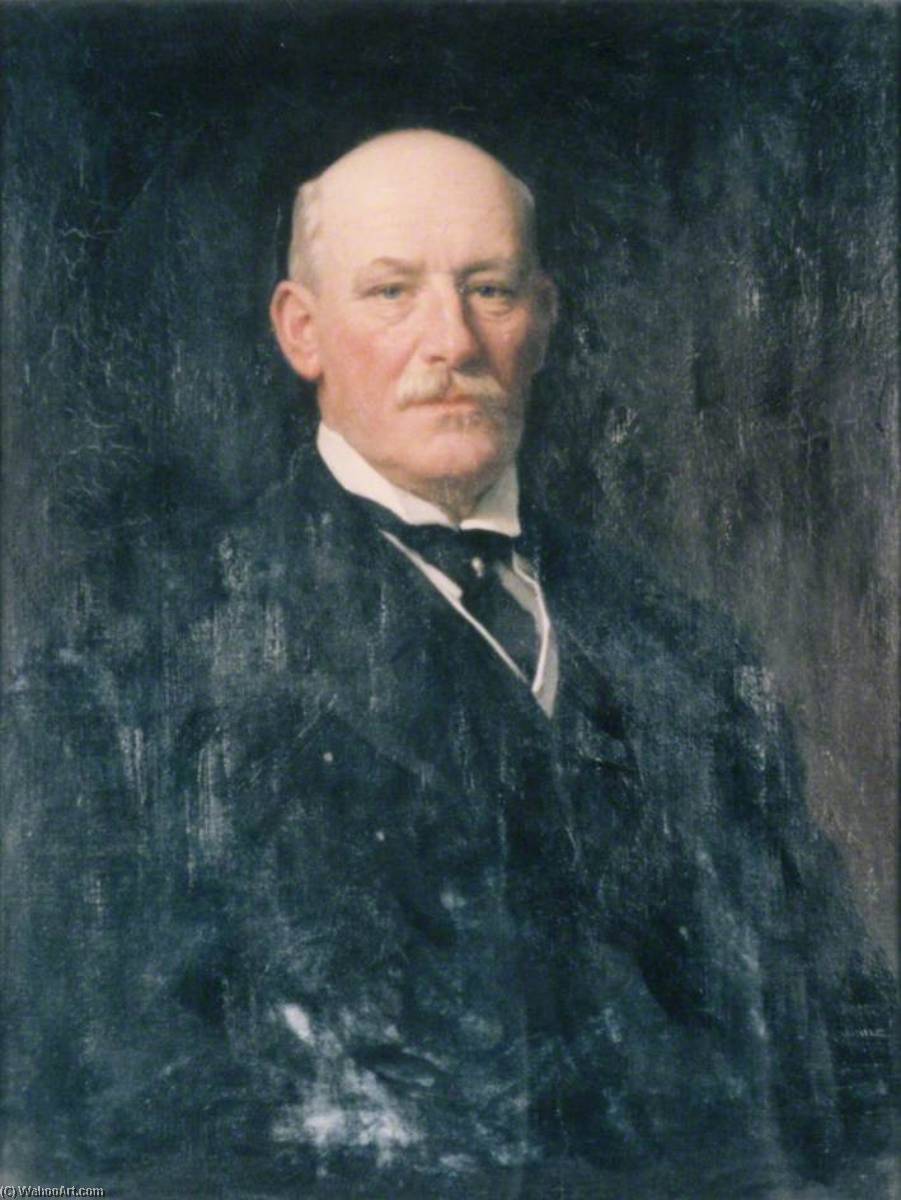
Herbert Francis Eaton (1848–1925), Lord Cheylesmore
 1914
1914 90.0 x 65.0 cm
 Guildhall Art Gallery
 Pročitaj više
Ručno rađena uljana reprodukcija
Ručno oslikano uljanim bojama na platnu u dimenzijama i okviru po vašem izboru, izrađeno po porudžbini od strane naših umetnika. ( Kupi print Kupi digitalnu sliku)




































Izaberite jednu od naših unapred definisanih veličina koje odgovaraju originalnim proporcijama umetničkog dela.

Можете унети сопствене димензије како бисте прилагодили дело одређеном оквиру или простору. Ако одабрана величина не одговара пропорцијама оригинала, слика ће бити исечена или проширена додатним елементима који се ручно насликавају. Дигитални prikaz ће вам бити послат на одобрење пре почетка производње.
Имајте на уму да преглед на екрану не одражава стварно исецање или проширење. Само приказ (mockup) ће тачно приказати коначну композицију.
Иако су доступне прилагођене величине, препоручујемо да одаберете димензију из дефинисане листе како бисте сачували оригиналне пропорције.
Nakon narudžbine, tim ArtsDot.com će klijentu putem e-pošte poslati uputstva i dostaviti prikaz predloženog rešenja
Isporuka širom sveta () za 3/4 nedelje umesto uobičajenih 5 nedelja. (22 август). Bez kompromisa po pitanju kvaliteta.

Besplatna ekspresna dostava širom sveta

Visokokvalitetno laneno platno

Kompletno osiguranje transporta

Garancija povraćaja carine i uvoznih dažbina

Garancija vernosti boja

Politika povrata u roku od 60 dana (samo u slučaju nedostataka)

Garancija povrata novca od 100%

Popust pri grupnoj kupovini
 Opcija sa staklom dostupna je samo za dimenzije manje od 110 cm

Herbert Francis Eaton (1848–1925), Lord Cheylesmore
Tehnika reprodukcije
Dimenzije reprodukcije
-


Konačna cena
$ 263
Srodna umetnička dela








Biografija umetnika
The Visionary Legacy of Sir Samuel Henry William Llewellyn
In the grand tapestry of late 19th and early 20th-century British art, few figures command as much quiet authority as Sir Samuel Henry William Llewellyng. Born on December 1st, 1858, in the picturesque setting of Cirencester, Gloucestershire, Llewellyn emerged from a lineage of precision and engineering, a heritage inherited from his father, Samuel Llewellyn. This early exposure to the meticulous nature of structural design would later manifest in his breathtakingly detailed canvases. While he is often celebrated for his monumental biblical landscapes that evoke a sense of profound spiritual reverence, his artistry was far more expansive, encompassing a mastery of portraiture and serene coastal scenes that captured the very essence of the British landscape.
Llewellyn’s artistic journey was one of continuous refinement and international exposure. His education took him from the rigorous academic training at the National Art Training School in South Kensington under Edward Poynter to the vibrant, light-drenched ateliers of Paris. Immersing himself in the works of masters such as Fernand Cormon, Jules Joseph Lefebvre, and Gabriel Ferrier, he absorbed the sophisticated techniques of the French school. This period was transformative; it allowed him to blend the disciplined precision of the Victorian academic tradition with a more expressive, atmospheric approach to light and color. His time in Germany, particularly his encounter with the burgeoning Impressionist movement, further enriched his palette, teaching him to capture the fleeting, ephemeral qualities of nature that would later breathe life into his religious compositions.
A Master of Light, Spirit, and Portraiture
The true brilliance of Llewellyn’s work lies in his ability to bridge the gap between the earthly and the divine. His biblical landscapes, such as “The Nativity” and “The Sermon on the Mount,” are not merely historical recreations but spiritual experiences rendered in oil. Through a masterful use of dramatic lighting and rich, textured brushwork, he imbued these sacred scenes with a palpable sense of awe. He possessed a rare gift for using atmospheric haze and soft, golden hues to suggest the presence of the miraculous within the natural world, making the landscapes themselves feel like characters in a divine narrative.
Beyond the spiritual realm, Llewellyn was a formidable portraitist, capable of capturing the psychological depth and social stature of his subjects. His ability to render texture—the heavy drape of a velvet robe or the weathered skin of an elderly gentleman—is evident in works like “Professor William Stroud.” His prestige was such that he was commissioned by King George V to paint the State Portrait of H.M. Queen Mary in 1912, a testament to his standing at the pinnacle of the British art establishment. Whether depicting the rugged coastlines of Cornwall in “Evening at Padstow” or the dignified presence of an admiral in “Sir Reginald Hardy,” Llewellyn’s hand was always marked by an unwavering commitment to academic excellence and emotional resonance.
Ascension within the Royal Academy and Historical Significance
Llewellyn’s career was defined by a series of prestigious milestones that saw him ascend to the highest echelons of the art world. After his first exhibition at the Royal Academy in 1884, he became a perennial presence in the most esteemed galleries of London and beyond, including the Grosvenor Gallery and the New English Art Club. His influence was not merely through his brush, but through his leadership; serving as the President of the Royal Academy from 1928 to 1938, he guided the direction of British art during a period of significant transition. His contributions were recognized with numerous honors, including the Albert Medal from the Royal Society of Arts in 1933 and a knighthood for his immense services to the arts.
Today, the legacy of Sir Samuel Henry William Llewellyn lives on through the many works held in prestigious national collections across the United Kingdom. His ability to synthesize the meticulousness of the Victorian era with the emotive power of modern light ensures that his paintings remain timeless. He remains a pivotal figure who bridged the gap between the rigid traditions of the past and the expressive possibilities of the future, leaving behind a body of work that continues to inspire wonder and contemplation in all who behold it.
samuel henry william llewellyn
1858 - 1941
Osnovne informacije
- Artistic Movement Or Style: Academic Painting
- Artists Or Movements Influenced By This Artist: ['Burne-Jones']
- Artists Who Influenced This Artist: ['Edward Poynter']
- Date Of Birth: December 1858
- Date Of Death: January 1941
- Full Name: Samuel Henry William Llewellyn
- Nationality: Welsh
- Notable Artworks:
- The Shepherdess
- Saint George and the Dragon
- Place Of Birth: Cirencester, Gloucestershire

