

 Pregledaj u prostoru
 Pošalji
 Podeli
 Detalji o delu

 Преузми
 Slični predmeti
 Rendgenski snimak
 Slajdovi
 Stats
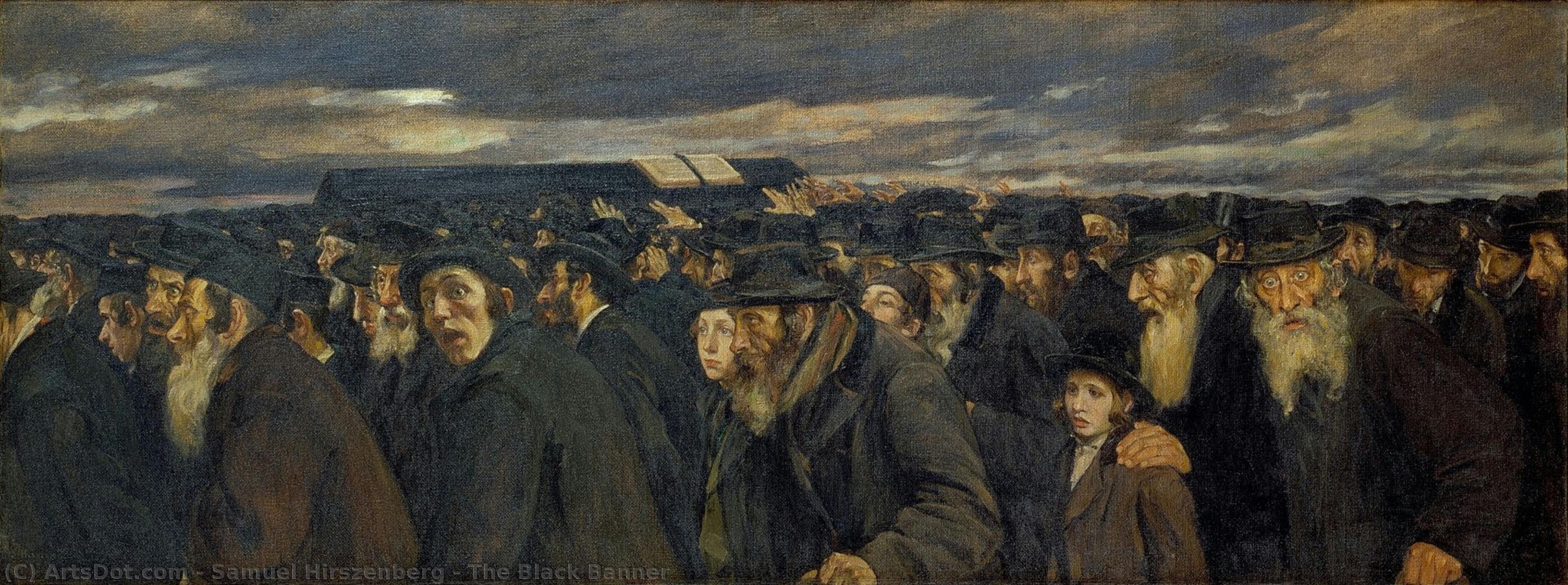
StatsThe Black Banner
 Oil On Canvas
- WallArt
- Realism
 1905
1905- Modern
 76.0 x 205.0 cm
 Jevrejski muzej
 Pročitaj više
Ručno rađena uljana reprodukcija
Ručno oslikano uljanim bojama na platnu u dimenzijama i okviru po vašem izboru, izrađeno po porudžbini od strane naših umetnika. ( Switch to Print Switch to Digital Image)




P118B $10

P118H $10

P118W $10

P438Z $10

P508JH $12

P508YH $12

P805H $10

P805Z $10

P919BZ $10

P919G $10

P919XJ $10

P959ZH $10

P968JZ $12

W106C $8

W218G $10

W218JH $8

W218Y $10

W307PJ $10

W316G $10

W316PJ $8

W316Y $10

W398PJ $8

W4111J $10

W500HY $15

W500JH $15

W692G $12

W849H $8

W940BG $15

W953PJ $8




Izaberite jednu od naših unapred definisanih veličina koje odgovaraju originalnim proporcijama umetničkog dela.

Можете унети сопствене димензије како бисте прилагодили дело одређеном оквиру или простору. Ако одабрана величина не одговара пропорцијама оригинала, слика ће бити исечена или проширена додатним елементима који се ручно насликавају. Дигитални prikaz ће вам бити послат на одобрење пре почетка производње.
Имајте на уму да преглед на екрану не одражава стварно исецање или проширење. Само приказ (mockup) ће тачно приказати коначну композицију.
Иако су доступне прилагођене величине, препоручујемо да одаберете димензију из дефинисане листе како бисте сачували оригиналне пропорције.
Nakon narudžbine, tim ArtsDot.com će klijentu putem e-pošte poslati uputstva i dostaviti prikaz predloženog rešenja
Isporuka širom sveta () za 3/4 nedelje umesto uobičajenih 5 nedelja. (7 септембар). Bez kompromisa po pitanju kvaliteta.

Besplatna ekspresna dostava širom sveta

Visokokvalitetno laneno platno

Kompletno osiguranje transporta

Garancija povraćaja carine i uvoznih dažbina

Garancija vernosti boja

Politika povraćaja u roku od 100 dana (isključivo u slučaju nedostataka)

Garancija povrata novca od 100%

Popust pri grupnoj kupovini
 Opcija sa staklom dostupna je samo za dimenzije manje od 110 cm

The Black Banner
Tehnika reprodukcije
Dimenzije reprodukcije
-


Konačna cena
$ 263
A Vision of Sorrow and Solidarity
In the hauntingly powerful oil on canvas, The Black Banner, Samuel Hirszenberg captures a moment of profound collective grief that transcends time. Painted in 1905, this monumental work serves as a visceral window into the turbulent landscape of Russian-dominated Poland at the dawn of the twentieth century. The composition presents a dense, somber crowd of figures, all unified by a sea of black clothing and mourning attire. As the eye wanders through the throng, it encounters a tapestry of human emotion; some faces are etched with silent despair, while others gaze outward with a haunting intensity. The sheer scale of the piece, measuring 76 x 205 cm, allows the viewer to feel submerged within the assembly, as if standing amidst the very mourners depicted on the canvas.
The technical mastery of Hirszenberg is evident in his ability to manipulate light and shadow to evoke a sense of heavy, atmospheric tension. The artist utilizes a realistic style, likely influenced by his rigorous training at the academies of Kraków and Munich, to render the textures of fabric, the grimness of the outdoor setting, and the subtle nuances of facial expressions. There is a deliberate, rhythmic quality to the placement of the figures, creating a sense of movement that leads the viewer toward the most poignant elements of the work. The sky above, visible through the gaps in the crowd, offers a stark, cold contrast to the dark, earthbound weight of the people below, emphasizing the isolation and the heavy burden of their shared reality.
The Weight of History and Symbolism
Beyond its formal beauty, The Black Banner is a deeply political and social document. Hirszenberg was a pioneer in using his brush to expose the harrowing plight of Jewish communities during the era of pogroms. The painting functions as more than just a portrait of a crowd; it is a symbolic representation of resilience in the face of devastation. The "black banner" suggested by the title and the somber palette serves as a metaphor for the mourning period of an entire people. One can almost sense the palpable tension in the air, where the terror of the individual—perhaps even reflected in the artist's own gaze—merges with the collective strength of the community.
For the discerning collector or interior designer, this artwork offers a profound emotional anchor for any space. It is a piece that demands contemplation, making it an ideal centerpiece for galleries, libraries, or sophisticated living environments where art is intended to provoke thought and conversation. A high-quality reproduction of this masterpiece allows one to bring this historical gravity into a contemporary setting, providing a sophisticated touch of academic depth and dramatic flair. To possess such a work is to hold a piece of history that speaks of the enduring human spirit, making it an invaluable addition to a curated collection of fine art.
Srodna umetnička dela

Biografija umetnika
Samuel Hirszenberg: Life and Legacy
Early Life and Education
- Samuel (Shmuel) Hirszenberg was born on February 22, 1865, in Łódź, Poland, the eldest son of a weaving mill worker.
- Despite his father’s disapproval, he pursued his passion for art with financial assistance from a local doctor.
- He began his artistic training at the Academy of Fine Arts in Kraków at age 15, deeply influenced by the realistic style of Jan Matejko.
- From 1885 to 1889, he continued his studies at the Royal Academy of Arts in Munich.
Early Career and Recognition
- His early work, “Jeschibah” (1887), garnered significant attention.
- An exhibition at the Kunstverein Munich (1889) led to a silver medal at an art exhibition in Paris.
- He further honed his skills at the Académie Colarossi in Paris, completing his artistic education.
Return to Poland and Artistic Development
- In 1891, Hirszenberg returned to Poland and settled in Łódź in 1893.
- His early paintings – “Talmudic Studies,” “Sabbath Afternoon,” “Uriel Acosta,” and “The Jewish Cemetery” – initially aligned with the Jewish genre painting tradition of artists like Leopold Horowitz, Isidor Kaufmann, and Maurycy Gottlieb.
- However, his work gradually shifted towards Symbolism, exploring themes of Jewish history and exile.
Major Works and Themes
- His most renowned paintings from this period include “The Wandering Jew” (1899), “Exile” (1904), and “Czarny Sztandar / Black Flag” (1905).
- He spent over four years creating “The Eternal Jew,” exhibited at the Paris Salon in 1900, but was disappointed by its reception.
- His work often depicted themes of suffering, displacement, and Jewish identity.
Later Life and Legacy
- Disheartened by the lack of recognition, Hirszenberg took a year-long trip to Italy in 1901 for health reasons.
- In 1904, he moved to Kraków and immigrated to Palestine in 1907.
- He became a lecturer at the newly founded Bezalel School in Jerusalem, headed by Boris Schatz.
- Sadly, Hirszenberg died in Jerusalem on September 15, 1908, after a brief but intense creative period.
Historical Significance
- Samuel Hirszenberg is recognized as an important figure in Polish-Jewish art, bridging Realism and Symbolism.
- His evocative depictions of Jewish life, history, and exile continue to resonate with audiences today.
- He contributed significantly to the development of early Israeli art through his work at the Bezalel School.
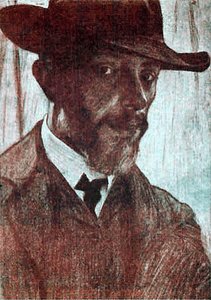
Samuel Hirszenberg
1865 - 1908 , Poland
Osnovne informacije
- Birth Date: February 22, 1865
- Birth Place: Łódź, Poland
- Death Date: September 15, 1908
- Influenced By: Jan Matejko
- Movement:
- Realism
- Symbolism
- Name: Samuel Hirszenberg
- Nationality: Polish-Jewish
- Notable Works:
- Jeschibah
- The Wandering Jew
- Exile
- Black Flag
- The Sabbath Rest
Povezani članci

Dark Masterpieces: 10 Iconic Paintings Dominated by Black Tones |
Explore 10 iconic paintings dominated by black tones, from Rembrandt’s chiaroscuro to Goya's dark expressions. Discover the stories behind these masterpieces & find museum-quality art reproductions for your home at .
Somber Masterpieces: 10 Artworks That Stir the Soul |
Delve into 10 somber masterpieces by Rembrandt, Munch & Van Gogh. Explore emotional art history, dark palettes & powerful expression. Find museum-quality reproductions & curated wall decor ideas at . Discover all masterpieces online.
Mars Black Masterpieces: 10 Iconic Paintings & Timeless Art Decor Ideas
Delve into the power of 'Mars Black' with 10 iconic paintings by masters like Rembrandt & Caravaggio. Explore dramatic chiaroscuro, gothic art, and timeless beauty. Find museum-quality reproductions & elevate your home decor on .
Ivory Black Masters: 10 Paintings That Define Dramatic Art |
Delve into the power of 'Ivory Black' with 10 iconic paintings by masters like Rembrandt & Caravaggio. Explore dramatic chiaroscuro, gothic moods & timeless art history. Find museum-quality reproductions and elevate your home decor at
Lamp Black & Masterpieces: 10 Paintings That Define Shadow & Light |
Delve into the captivating world of 'Lamp Black' tones with 10 iconic paintings by masters like Rembrandt & Caravaggio. Explore Baroque chiaroscuro, dramatic lighting & shadow in art history. Find museum-quality reproductions at