

 Pregledaj u prostoru
 Pošalji
 Podeli
 Detalji o delu

 Преузми
 Slični predmeti
 Rendgenski snimak
 Slajdovi
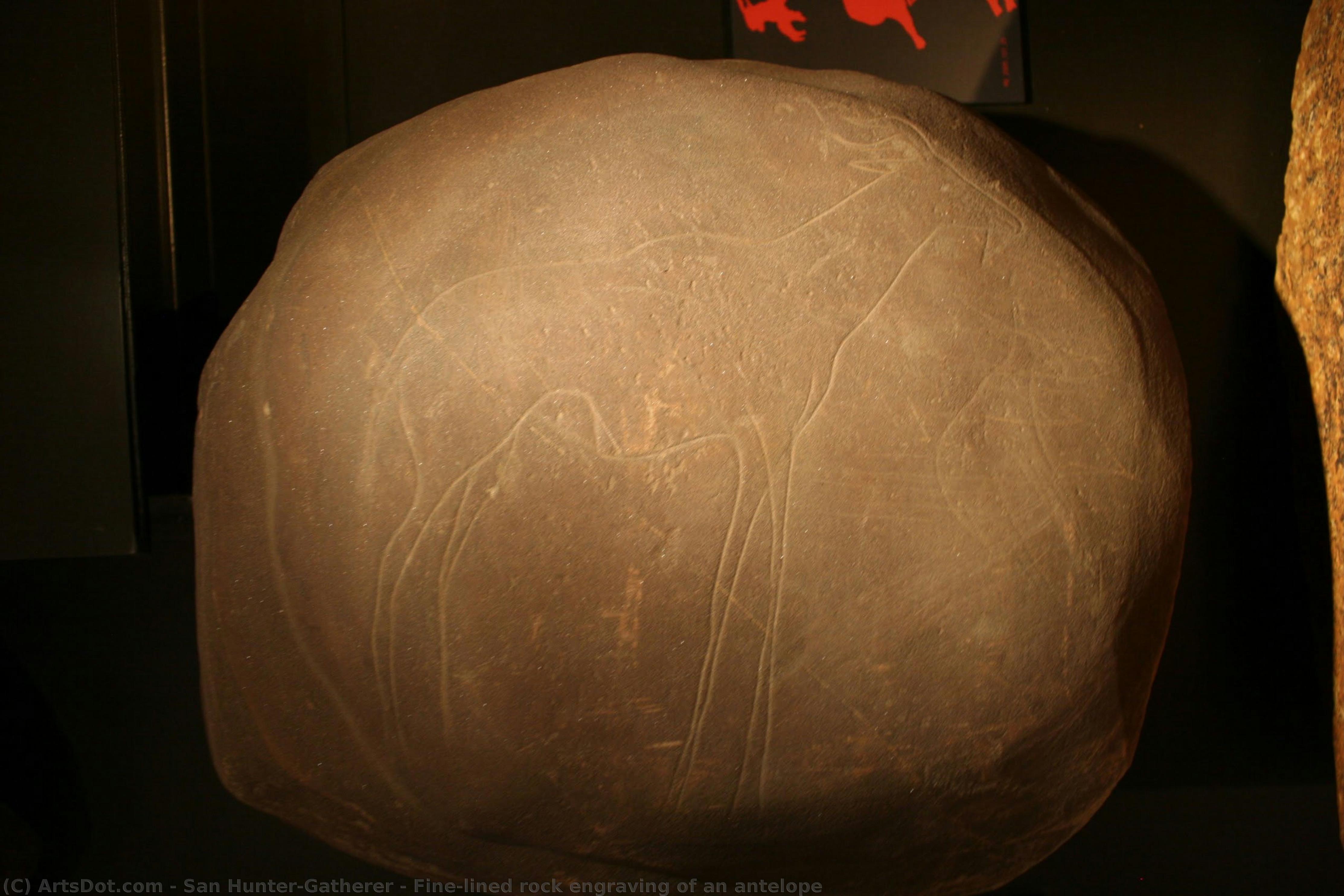
Fine-lined rock engraving of an antelope


 Pročitaj više
Giclee štampa / Umetnički otisak
Giclée štampa ili print na platnu muzejskog kvaliteta uz brzu proizvodnju i fleksibilne opcije završne obrade. ( Kupi ručno naslikanu sliku Kupi digitalnu sliku)




































Izaberite jednu od naših unapred definisanih veličina koje odgovaraju originalnim proporcijama umetničkog dela.

Možete uneti sopstvene dimenzije kako biste umetničko delo prilagodili specifičnom okviru ili prostoru. Ako odabrani format ne odgovara proporcijama originalne slike, mi ćemo ili iscrtati deo dela ili proširiti sliku pomoću ogledane ivice ili jednobojnog popunjavanja. Digitalni prikaz će vam biti poslat na odobrenje pre početka proizvodnje.
Imajte na umu da pregled na ekranu ne odražava stvarno iscrtavanje ili proširivanje. Samo će prikaz (mockup) precizno pokazati finalnu kompoziciju.
Iako su prilagođene dimenzije dostupne, preporučujemo da odaberete dimenziju sa unapred definisane liste kako biste očuvali originalne proporcije.
Dostava širom sveta () za 2 nedelje umesto uobičajenih 4/5 nedelja. (7 септембар)

Besplatna ekspresna dostava širom sveta

Visokokvalitetno laneno platno

Kompletno osiguranje transporta

Garancija povraćaja carine i uvoznih dažbina

Garancija vernosti boja

Politika povraćaja u roku od 100 dana (isključivo u slučaju nedostataka)

Garancija povrata novca od 100%

Popust pri grupnoj kupovini
 Opcija sa staklom dostupna je samo za dimenzije manje od 110 cm

Fine-lined rock engraving of an antelope
Giclee štampa / Umetnički otisak
Dimenzije reprodukcije
-


Konačna cena
$ 62
Srodna umetnička dela










Biografija umetnika
The Eternal Echoes of San Artistry
To encounter the art of the San hunter-gatherers is to step through a veil into one of the most profound and enduring spiritual landscapes on Earth. Representing one of the oldest surviving cultures in southern Africa, the San people—often referred to as Bushmen—have left behind an artistic legacy that transcends mere decoration. Their work serves as a sacred dialogue between the physical world and the spirit realm, a testament to human adaptability and a deep-seated connection to the rhythms of the natural environment. For millennia, these nomadic societies have utilized the canvas of the earth itself to document their cosmology, weaving together the threads of survival, ritual, and myth into a visual language that remains strikingly potent today.
The essence of San artistry is inextricably linked to the concept of supernatural potency. In the belief systems of groups such as the Kalahari Ju|’hoansi, this invisible energy—known as n|om—is a force akin to an electrical current that flows through the universe. Much of their most celebrated work captures the intensity of the communal trance dance, a ritualistic performance where participants move in rhythmic circles, clapping and singing until they enter a state of altered consciousness. These artists meticulously depicted the moment when dancers, the "owners of energy," harness this power to journey into the spirit world. Through their eyes, we see the spiritual labor required to heal the sick, influence the weather, and ensure the prosperity of the hunt, making their art a vital record of communal survival and spiritual duty.
Techniques of Earth and Stone
The mastery of San artists is found in their intimate knowledge of the land's raw materials. Their primary medium was the rock face, which they treated not as a flat surface, but as a permeable membrane between realities. To create their vibrant compositions, they utilized pigments derived from minerals such as ochre and manganese oxide, binding these powders with organic substances like animal fat or plant resins. This chemical alchemy allowed for colors that have endured through countless centuries of weathering.
Beyond the fluid strokes of painting, the San practiced a sophisticated form of rock engraving. Using sharpened stones, they meticulously etched fine-lined designs into sandstone surfaces. These engravings often featured:
- Stylized Animal Forms: Detailed depictions of antelope, zebra, and cattle that convey symbolic depth beyond simple representation.
- Geometric Patterns: Intricate lines and shapes that some researchers believe may map the movement of pastoralists or represent complex cosmological maps.
- The Eland: A central figure in their iconography, the eland was revered as an animal possessing immense supernatural potency, often depicted with red lines and white dots to signify its sacred nature.
A Legacy Carved in Time
The historical significance of San hunter-gatherer art cannot be overstated; it is a foundational pillar of human cultural heritage. While the nomadic lifestyle of the San has faced immense pressures from colonization and environmental shifts, their artistic voice remains an unbroken link to the prehistoric past. Their work provides invaluable insights into the cognitive and social evolution of early humans, showcasing a level of symbolic complexity that challenges modern perceptions of "primitive" art. By documenting the intersection of animal behavior, ecology, and the divine, the San artists created a permanent archive of the human spirit's attempt to understand its place within the vast, breathing tapestry of the African continent.
san hunter-gatherer
South Africa
Osnovne informacije
- Artistic Movement Or Style: Rock painting
- Full Name: San hunter-gatherer
- Nationality: African
- Notable Artworks: ['Trance dance']
- Place Of Birth: South Africa