

 Pregledaj u prostoru
 Pošalji
 Podeli
 Detalji o delu

 Преузми
 Slični predmeti
 Rendgenski snimak
 Slajdovi
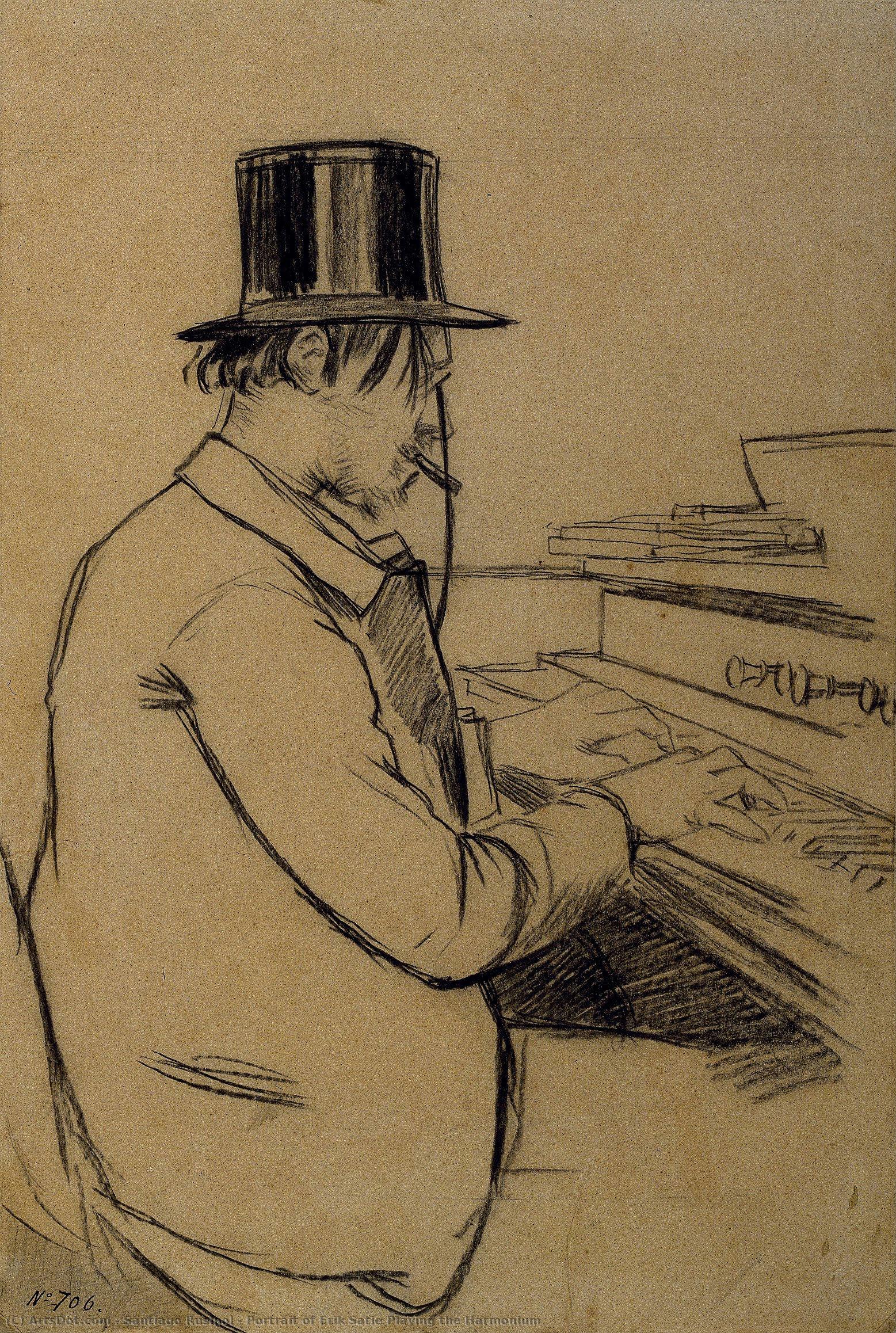
Portrait of Erik Satie Playing the Harmonium
 Oil On Canvas
- WallArt
- Catalan Modernisme
 1891
1891- 19th Century
 197.0 x 292.0 cm
 Museu Nacional d'Art de Catalunya
 Pročitaj više
Giclee štampa / Umetnički otisak
Giclée štampa ili print na platnu muzejskog kvaliteta uz brzu proizvodnju i fleksibilne opcije završne obrade. ( Kupi ručno naslikanu sliku Kupi digitalnu sliku)




P118B $10

P118H $10

P118W $10

P438Z $10

P508JH $12

P508YH $12

P805H $10

P805Z $10

P919BZ $10

P919G $10

P919XJ $10

P959ZH $10

P968JZ $12

W106C $8

W218G $10

W218JH $8

W218Y $10

W307PJ $10

W316G $10

W316PJ $8

W316Y $10

W398PJ $8

W4111J $10

W500HY $15

W500JH $15

W692G $12

W849H $8

W940BG $15

W953PJ $8




Izaberite jednu od naših unapred definisanih veličina koje odgovaraju originalnim proporcijama umetničkog dela.

Možete uneti sopstvene dimenzije kako biste umetničko delo prilagodili specifičnom okviru ili prostoru. Ako odabrani format ne odgovara proporcijama originalne slike, mi ćemo ili iscrtati deo dela ili proširiti sliku pomoću ogledane ivice ili jednobojnog popunjavanja. Digitalni prikaz će vam biti poslat na odobrenje pre početka proizvodnje.
Imajte na umu da pregled na ekranu ne odražava stvarno iscrtavanje ili proširivanje. Samo će prikaz (mockup) precizno pokazati finalnu kompoziciju.
Iako su prilagođene dimenzije dostupne, preporučujemo da odaberete dimenziju sa unapred definisane liste kako biste očuvali originalne proporcije.
Dostava širom sveta () za 2 nedelje umesto uobičajenih 4/5 nedelja. (28 август)

Besplatna ekspresna dostava širom sveta

Visokokvalitetno laneno platno

Kompletno osiguranje transporta

Garancija povraćaja carine i uvoznih dažbina

Garancija vernosti boja

Politika povrata u roku od 60 dana (samo u slučaju nedostataka)

Garancija povrata novca od 100%

Popust pri grupnoj kupovini
 Opcija sa staklom dostupna je samo za dimenzije manje od 110 cm

Portrait of Erik Satie Playing the Harmonium
Giclee štampa / Umetnički otisak
Dimenzije reprodukcije
-


Konačna cena
$ 62
A Portrait of Melancholy Genius: Santiago Rusiñol's "Portrait of Erik Satie Playing the Harmonium"
Santiago Rusiñol’s “Portrait of Erik Satie Playing the Harmonium” (1891) is more than a simple depiction of a musician; it’s a poignant meditation on artistic isolation, intellectual contemplation, and the burgeoning spirit of Modernisme that was reshaping Barcelona at the turn of the century. Executed in stark black and white, the drawing captures a moment of profound stillness within a cluttered, almost claustrophobic, interior space – a space that speaks volumes about Satie’s character and Rusiñol's artistic vision.
- The Subject: The central figure is Erik Satie, the notoriously reclusive French composer, rendered with an unflinching realism. He sits hunched over a harmonium, his posture suggesting both intense concentration and a certain weariness. The inclusion of a cigarette – a common motif in Rusiñol’s work – adds to the impression of a man lost in thought, seeking solace in habit and solitude.
- Composition & Technique: Rusiñol's masterful use of line is immediately striking. He employs a loose, expressive style reminiscent of Impressionism, yet grounded in the solid forms of Realism. The drawing’s texture is achieved through varying pressures on the charcoal, creating areas of deep shadow and delicate highlights that define Satie’s face and the contours of the instrument.
Historical Context: Barcelona and the Modernisme Movement
Created in 1891, this portrait reflects a crucial period in Rusiñol's artistic development and aligns perfectly with the broader currents of Catalan Modernisme. Barcelona was undergoing a dramatic transformation – a surge of architectural innovation, industrial growth, and a fervent desire to forge a distinctly Catalan identity. Rusiñol, deeply involved in this movement, sought to capture not just physical appearances but also the spirit of his time. The presence of books scattered around the room hints at Satie’s intellectual pursuits, reflecting the Modernist emphasis on knowledge, experimentation, and challenging traditional norms.
- Catalan Modernisme: This movement championed a new aesthetic rooted in Catalan identity, incorporating elements of Gothic Revival, Art Nouveau, and Symbolism. Rusiñol's work embodies this spirit through its expressive brushwork and exploration of themes relevant to the modern age.
- Rusiñol’s Early Career: Prior to this portrait, Rusiñol had been exploring Orientalist themes and historical subjects, demonstrating a versatility that would later define his career. His travels throughout Spain undoubtedly informed his artistic sensibilities, exposing him to diverse cultural influences.
Symbolism and Emotional Resonance
The composition of the drawing is laden with symbolic weight. The cluttered room – filled with books and discarded objects – suggests a mind overflowing with ideas, perhaps bordering on obsession. Satie’s solitary activity reinforces the theme of isolation, a characteristic often associated with creative genius. The dark tones contribute to a sense of melancholy and introspection, inviting viewers to contemplate the artist's inner world. The act of playing the harmonium itself can be interpreted as an attempt to impose order on chaos, or perhaps simply a means of finding refuge from the pressures of the outside world.
- The Harmonium: As a relatively inexpensive instrument, the harmonium represented accessibility to music for those who couldn't afford grand pianos. It also symbolized introspection and quiet contemplation.
- Mood & Atmosphere: The overall effect is one of quiet intensity – a snapshot of a moment suspended in time, capturing the essence of a brilliant but troubled artist.
A Statement Piece for Your Space
This hand-painted reproduction of Santiago Rusiñol’s “Portrait of Erik Satie Playing the Harmonium” offers an exceptional opportunity to bring a touch of artistic brilliance into your home or office. Measuring 197 x 292 cm, this large format piece commands attention and creates a focal point within any room. The meticulous detail and rich tonal range faithfully recreate Rusiñol’s original drawing, ensuring that it will be a treasured addition to any art collection for years to come. Perfect for interior designers seeking to evoke a sense of intellectual curiosity and artistic contemplation, or collectors drawn to the evocative power of Modernisme.
Srodna umetnička dela

Biografija umetnika
Santiago Rusiñol: Život u umetnosti i modernizmu
- Rođen: 25. februara 1861, Barselona, Španija
- Preminuo: 13. juna 1931, Aranjuez, Španija
- Nacionalnost: Španski
- Pokret: Katalonski modernizam, Simbolizam, Impresionizam
Rani život i umetnički razvoj
- Rusiñol je rođen u porodici tekstilnih industrijalaca u Manlleu, da bi se kasnije preselio u Barselonu. Uprkos porodičnim očekivanjima, još od malih nogu je sledio svoju strast prema umetnosti.
- Prve obuke stekao je u Centru akvarelista u Barseloni pod mentorstvom Tomasa Moragasa, fokusirajući se na tehnike akvarela i principe realizma.
- Njegova rana dela odražavala su orijentalističke teme i istorijske motive pre nego što je tokom 1880-ih prešao na urbane scene i pejzaže.
- Putovanja kroz celu Španiju značajno su uticala na njegov umetnički razvoj, izlažući ga različitim kulturnim i arhitektonskim okruženjima.
Pariski uticaji i umetnička zrelost
- Godine 1889, Rusiñol se preselio u Pariz, što je bio presudan trenutak u njegovoj karijeri. Živeo je u Montmartru zajedno sa rekanima umetnicima poput Ramona Kasasa i Ignačija Sulage.
- Pariska umetnička scena izložila ga je impresionizmu i simbolizmu, što je duboko oblikovalo njegov umetnički stil. Bio je pod uticajem umetnika kao što su Edgar Degas i Pierre-Auguste Renoir.
- Njegova slika iz ovog perioda često su prikazivale urbani život, hvatajući osećaj usamljenosti i melanholije kroz slobodne poteze četkicom i prigušene tonove.
- Uključio se u književne krugove, sarađujući sa simbolističkim pesnicima i piscima, što je dodatno obogatilo njegovu umetničku viziju.
Povratak u Kataloniju i pokret katalonskog modernizma
- Rusiñolov povratak u Kataloniju 1890-ih označio je značajno poglavlje u njegovoj karijeri i razvoju katalonskog modernizma.
- Nastanio se u Sitđesu, pretvarajući ga u kulturno središte za umetnike i intelektualce. Njegov dom, Cau Ferrat, postao je čuveni umetnički salon.
- Rusiñol je odigrao ključnu ulogu u negovanju modernističkog pokreta zajedno sa figurama kao što su Pere Romeu i Mikel Utrilo.
- Njegova slika tokom ovog perioda sve više su se fokusirale na pejzaže, vrtove i arhitektonske teme, odražavajući njegovu duboku povezanost sa prirodom i katalonskim identitetom.
Nasleđe i istorijski značaj
- Santiago Rusiñol je priznat kao vodeća figura katalonskog modernizma, značajno doprinoseći umetničkom i kulturnom razvoju ovog pokreta.
- Njegova dela slave se zbog spoja simbolističkih uticaja, impresionističkih tehnika i evokativnih prikaza pejzaža i vrtova.
- Za sobom je ostavio nasleđe modernističkih zgrada u Sitđesu, dodatno učvrstivši svoj uticaj na katalonsku arhitekturu i urbanizam.
- Rusiñolovo delo nastavlja da inspiriše umetnike i ljubitelje umetnosti, prikazujući lepotu i kulturnu bogatost Katalonije u doba fin-de-siècle.
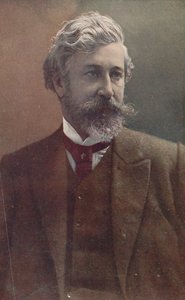
Santiago Rusiñol
1861 - 1931 , Španija
Osnovne informacije
- Artistic Movement Or Style: Katalonski modernizam, Simbolizam
- Artists Or Movements Influenced By This Artist: ['Pablo Picasso']
- Artists Who Influenced This Artist:
- Edgar Degas
- James Abbot McNeil Whistler
- Date Of Birth: 25. februar 1861.
- Date Of Death: 13. jun 1931.
- Full Name: Santiago Rusiñol i Prats
- Nationality: Španski
- Notable Artworks:
- Bašte u Aranžu
- Portret Utrilla
- Terasasti vrt na Malorki
- Skica Erika Satija
- Place Of Birth: Barselona, Španija
Povezani članci

Giclée Prints: Archival Quality & Aesthetic Nuances for the Discerning Collector
Explore the world of giclée prints with ArtsDot. Learn about archival quality, aesthetic nuances & investment potential. Expert guidance for discerning art collectors seeking museum-quality reproductions and lasting value.

Dark Masterpieces: 10 Iconic Paintings Dominated by Black Tones |
Explore 10 iconic paintings dominated by black tones, from Rembrandt’s chiaroscuro to Goya's dark expressions. Discover the stories behind these masterpieces & find museum-quality art reproductions for your home at .

The Enduring Legacy of Fine Art Prints: Technique, History & Aesthetic Impact
Explore the rich history & techniques of fine art prints. Discover investment potential, assess authenticity, and learn how to preserve your collection with expert guidance. Trusted insights for discerning collectors.

Echoes of Time: Exploring the Enduring Appeal & Historical Context of Vintage Art Prints
Explore the captivating world of vintage art prints! Discover their history, collecting tips & enduring appeal. Expert insights on chromolithography and building a legacy collection with ArtsDot.
The Enduring Legacy of Printmaking: Techniques, Themes & Artistic Innovation Across Centuries
Explore the rich history of printmaking with ArtsDot. Discover techniques from intaglio to lithography, learn about collecting valuable prints & find museum-quality reproductions. Expert insights for art enthusiasts and collectors.

