

 Pregledaj u prostoru
 Pošalji
 Podeli
 Detalji o delu

 Преузми
 Slični predmeti
 Rendgenski snimak
 Slajdovi
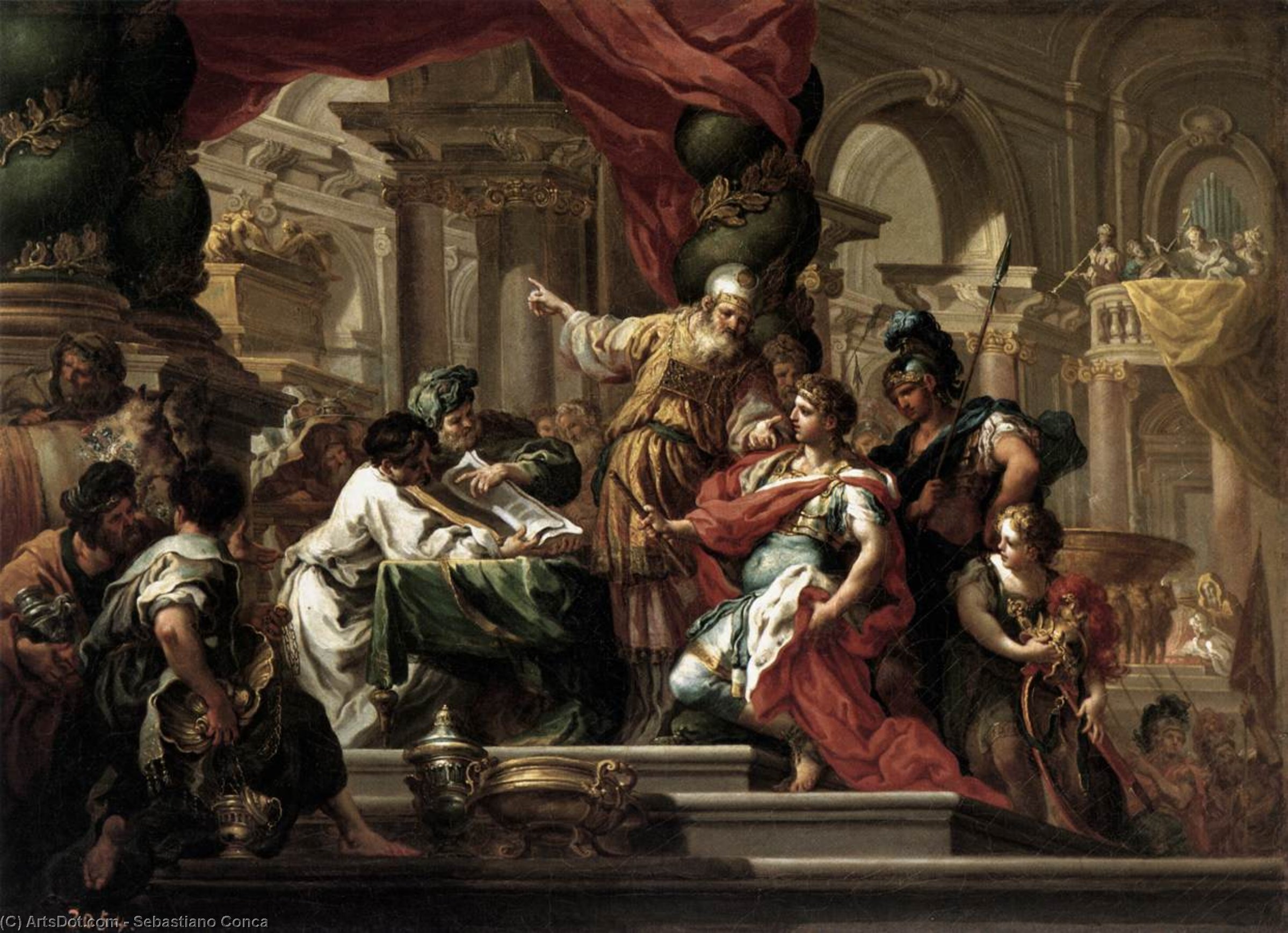
Alexander the Great in the Temple of Jerusalem
 Oil On Canvas
- WallArt
- Baroque Dramatic Composition
 1735
1735 52.0 x 70.0 cm
 Museo del Prado
 Pročitaj više
Ručno rađena uljana reprodukcija
Ručno oslikano uljanim bojama na platnu u dimenzijama i okviru po vašem izboru, izrađeno po porudžbini od strane naših umetnika. ( Kupi print Kupi digitalnu sliku)




P118B $10

P118H $10

P118W $10

P438Z $10

P508JH $12

P508YH $12

P805H $10

P805Z $10

P919BZ $10

P919G $10

P919XJ $10

P959ZH $10

P968JZ $12

W106C $8

W218G $10

W218JH $8

W218Y $10

W307PJ $10

W316G $10

W316PJ $8

W316Y $10

W398PJ $8

W4111J $10

W500HY $15

W500JH $15

W692G $12

W849H $8

W940BG $15

W953PJ $8




Izaberite jednu od naših unapred definisanih veličina koje odgovaraju originalnim proporcijama umetničkog dela.

Можете унети сопствене димензије како бисте прилагодили дело одређеном оквиру или простору. Ако одабрана величина не одговара пропорцијама оригинала, слика ће бити исечена или проширена додатним елементима који се ручно насликавају. Дигитални prikaz ће вам бити послат на одобрење пре почетка производње.
Имајте на уму да преглед на екрану не одражава стварно исецање или проширење. Само приказ (mockup) ће тачно приказати коначну композицију.
Иако су доступне прилагођене величине, препоручујемо да одаберете димензију из дефинисане листе како бисте сачували оригиналне пропорције.
Nakon narudžbine, tim ArtsDot.com će klijentu putem e-pošte poslati uputstva i dostaviti prikaz predloženog rešenja
Isporuka širom sveta () za 3/4 nedelje umesto uobičajenih 5 nedelja. (24 август). Bez kompromisa po pitanju kvaliteta.

Besplatna ekspresna dostava širom sveta

Visokokvalitetno laneno platno

Kompletno osiguranje transporta

Garancija povraćaja carine i uvoznih dažbina

Garancija vernosti boja

Politika povrata u roku od 60 dana (samo u slučaju nedostataka)

Garancija povrata novca od 100%

Popust pri grupnoj kupovini
 Opcija sa staklom dostupna je samo za dimenzije manje od 110 cm

Alexander the Great in the Temple of Jerusalem
Tehnika reprodukcije
Dimenzije reprodukcije
-


Konačna cena
$ 263
Opis umetničkog dela
Sebastiano Conca’s Vision of Enlightenment
The canvas before you holds a captivating tableau—Alexander the Great in the Temple of Jerusalem—a monumental oil painting executed by Sebastiano Conca in 1735. More than just a depiction of historical grandeur, it represents a pivotal moment in artistic evolution, bridging the stylistic divide between the Baroque’s dramatic fervor and the Rococo’s playful elegance.
A Baroque Legacy Refined
Conca's formative years were spent under the tutelage of Francesco Solimena, arguably Naples’s most celebrated Baroque painter. This apprenticeship instilled in him a profound understanding of Baroque aesthetics: theatrical compositions emphasizing diagonal lines and dynamic movement; opulent color palettes saturated with reds, golds, and blues—colors designed to inspire awe and convey spiritual fervor. However, Conca wasn't merely replicating Solimena’s style; he skillfully adapted it, tempering its intensity with subtle nuances that foreshadowed the Rococo’s emphasis on grace and ornamentation.
The Temple as Symbol of Contestation
The scene itself is fraught with symbolic significance. Alexander’s presence within Jerusalem—a city sacred to Judaism—represents a clash between imperial ambition and religious conviction. The temple, depicted in meticulous detail, embodies Jewish faith and tradition, contrasted against the imposing figure of Alexander, symbolizing Hellenistic power and cultural dominance. Conca's masterful rendering captures this tension with remarkable precision.
Technique and Detail: Baroque Precision
Conca’s technique exemplifies Baroque craftsmanship. He employed a layering method—glazes applied over glazes—to achieve luminous surfaces and create depth of field, characteristic of the era. Observe the painstaking attention to detail—the folds of Alexander's robes rendered with astonishing realism; the intricate carvings adorning the temple walls; the expressions on the faces of the figures surrounding the table—each element contributing to the overall dramatic effect.
Emotional Resonance: A Moment Frozen in Time
Ultimately, Conca’s painting transcends mere historical record. It evokes a powerful emotional response—a sense of wonder mingled with apprehension. The artist captures not only the visual spectacle but also the psychological drama unfolding within the frame, inviting viewers to contemplate the complexities of faith, power, and cultural exchange. This enduring masterpiece continues to inspire admiration for its artistic brilliance and its profound engagement with the spirit of Enlightenment.
- Artist: Sebastiano Conca
- Year: 1735
- Medium: Oil on Canvas
- Location: Museo del Prado, Madrid
Srodna umetnička dela




Povezani članci
From Grandeur to Grace: Exploring the Evolution of Baroque & Rococo Art
Explore the captivating evolution from Baroque's drama to Rococo's grace! Discover key artists, characteristics & lasting influence of these art movements with expert insights at ArtsDot.

Rokoko: 10 Remek Dela Koja Su Definisala Eleganciju i Ukus
Otkrijte 10 remek dela koja su definisala rokoko umetnost! Uronite u svet Boucher-a, Watteau-a i Fragonarda. Istorija, stil i inspiracija za vaš dom. Kvalitetne reprodukcije i kuratorski odabiri na ArtsDot.com!

The Rococo Aesthetic: Opulence, Rebellion & the Pursuit of Pleasure in 18th-Century Art
Explore the opulent world of Rococo art! Discover its origins, key artists like Watteau & Boucher, and lasting influence on design. Expert insights for collectors & enthusiasts.
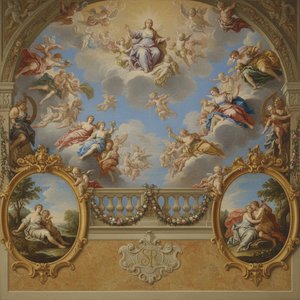
Sebastiano Ricci: Venetian Master of Baroque Illusionism & Rococo Grace
Explore the captivating world of Sebastiano Ricci, a leading Venetian Baroque painter renowned for his luminous frescoes & illusionistic masterpieces. Discover his life, techniques, and lasting influence on art history.
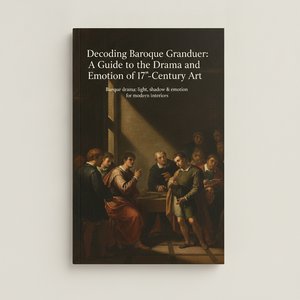
Decoding Baroque Grandeur: A Guide to the Drama and Emotion of 17th-Century Art
Explore the breathtaking drama of 17th-century Baroque art. Our expert guide decodes the use of chiaroscuro, emotional intensity, and historical grandeur to help you appreciate and curate timeless masterpieces for your collection.

