

 Pregledaj u prostoru
 Pošalji
 Podeli
 Detalji o delu

 Преузми
 Slični predmeti
 Rendgenski snimak
 Slajdovi
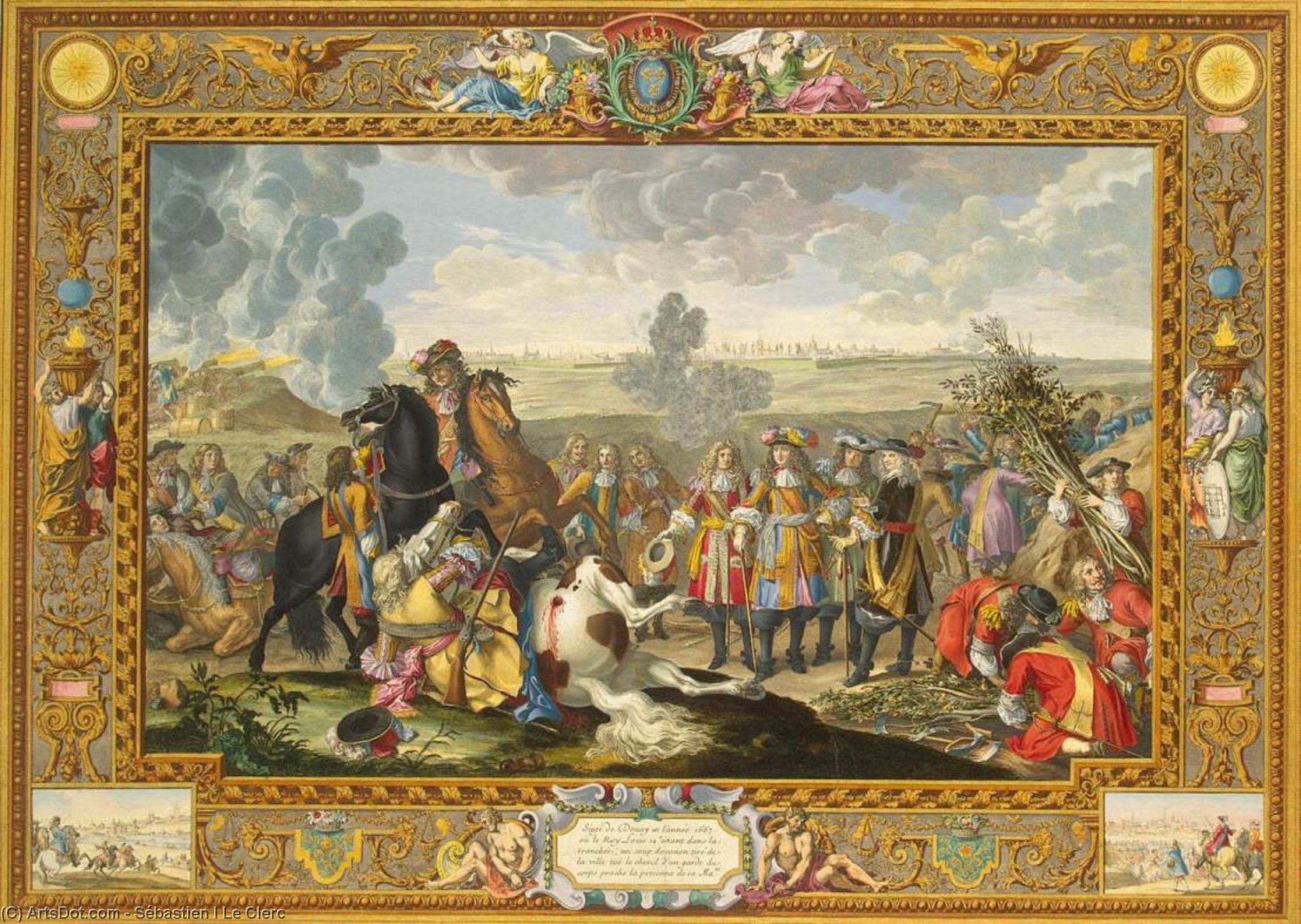
Siege of the Fortress of Douai, Flanders, by the French Army in 1667
 Acrylic On Canvas
- WallArt
- Baroque Rococo
 1682
1682 473.0 x 640.0 cm
 Hermitage Museum
 Pročitaj više
Kupite digitalnu sliku visoke rezolucije i poboljšanog kvaliteta, koja je znatno superiornija od onoga što vidite u online prikazu.
Svaka datoteka je pedantno pripremljena od strane naših stručnjaka koristeći napredne alate i profesionalnu ručnu retušu. Osiguravamo da svaka slika ima izuzetnu oštrinu, preciznu reprodukciju boja i fine detalje.
Konačna datoteka se dostavlja putem e-pošte u roku od 72 sata, optimizovana za neposrednu upotrebu u profesionalnim, izdavačkim i štamparskim okruženjima. To je isti kvalitet kojem veruju vrhunski studiji dizajna, izdavači i galerije.
Digitalna slika
Preuzmite datoteku visoke rezolucije za ličnu upotrebu, štampanje i kreativne projekte. ( Kupi print Kupi ručno naslikanu sliku)
Uključeno uz svaku porudžbinu digitalne slike
Profesionalna digitalna isporuka, zagarantovana
Kada odaberete ArtsDot.com, ne dobijate samo sliku – vi primate profesionalno unapređeno digitalno umetničko delo, izrađeno sa najvećom preciznošću i uz garanciju zadovoljstva. Evo svega što automatski dolazi uz vašu porudžbinu:

Brza dostava putem e-pošte
Vaša digitalna slika visoke rezolucije biće vam poslata putem e-pošte u roku od 72 sata od poručivanja – spremna za trenutnu upotrebu.

Digitalna datoteka unapređena veštačkom inteligencijom
Vaše umetničko delo je profesionalno optimizovano korišćenjem naprednih AI alata i ručne obrade, čime se osiguravaju maksimalni detalji, oštrina i preciznost boja.

Besplatna ponovna isporuka doživotno
Slučajno ste obrisali ili izgubili svoju datoteku? Ne brinite – poslaćemo vam je ponovo u bilo kom trenutku, potpuno besplatno.

Bez troškova uvoza – zauvek
Uživajte u svojim umetničkim delima trenutno, bez carine, dažbina ili troškova dostave – digitalni download je uvek bez poreza.

Garancija vernosti boja
Uz pomoć profesionalnih alata i upravljanja bojama, osiguravamo da vaša digitalna slika što vernije odražava originalne boje.

Garancija zadovoljstva od 100 dana
Ako niste zadovoljni svojom digitalnom slikom, izvršićemo reviziju ili ćemo vam vratiti 100% novca u roku od 100 dana – bez ikakvih pitanja.

100% garancija povrata novca
Niste zadovoljni? Dobijte puni povraćaj novca u roku od 100 dana od prijema digitalne datoteke – bez suvišnih pitanja.

Popusti na velike porudžbine
Kupite 3 slike, uštedite 10% - Kupite 5 slika, uštedite 15% - Kupite 10+ slika, uštedite 20%. Odlično za kreativne projekte, galerije i agencije.
A Frozen Moment of Conflict: The Siege of Douai by Le Clerc
Sébastien Leclerc’s “Siege of the Fortress of Douai, Flanders, by the French Army in 1667” is not merely a depiction of military action; it's a meticulously rendered tableau of controlled chaos and impending battle. Created in 1682, this engraving offers a rare glimpse into a pivotal moment during Louis XIV’s ambitious campaign to dominate the Spanish Netherlands – a conflict steeped in political maneuvering, strategic brilliance, and ultimately, the relentless pursuit of power. Le Clerc, often described as the “Silent Master of Reproduction,” wasn't known for grand, revolutionary gestures, but rather for his unparalleled ability to faithfully capture the essence of original works, elevating observation into an art form. This piece exemplifies that skill perfectly.
The scene unfolds with a dramatic intensity, dominated by the imposing silhouette of the fortress itself – a formidable bastion against the encroaching French forces. Le Clerc masterfully utilizes light and shadow to create a sense of depth and urgency. The foreground is bathed in a cool, almost somber light, highlighting the figures on horseback engaged in a flurry of activity: officers issuing commands, soldiers preparing for action, and messengers galloping across the muddy ground. These mounted men, rendered with remarkable detail – from the intricate stitching of their uniforms to the gleam of their armor – represent the vanguard of the French assault. The composition is carefully balanced, drawing the eye towards the central conflict while simultaneously conveying the scale and complexity of the siege.
Technical Mastery and Baroque Precision
Le Clerc’s genius lies in his painstaking attention to detail and his mastery of engraving techniques. The image is executed with an astonishing level of precision, a testament to the artist's dedication and skill. The textures of the armor, the folds of the fabric, and the expressions on the faces of the soldiers are all rendered with remarkable realism. This meticulousness wasn’t simply aesthetic; it was integral to Le Clerc’s method – he believed in understanding every element of a work before attempting its reproduction. The use of cross-hatching creates subtle variations in tone, adding depth and volume to the figures and the landscape. The overall effect is one of incredible clarity and visual impact, showcasing the artist's deep understanding of perspective and anatomy.
Furthermore, the engraving adheres closely to the Baroque style prevalent during its creation. The dynamic composition, dramatic lighting, and emphasis on movement are hallmarks of this artistic period. Le Clerc’s work reflects the Baroque fascination with grandeur, emotion, and the theatrical presentation of historical events. The scene is not just a record of a battle; it's a carefully constructed narrative designed to evoke a sense of drama and excitement.
Symbolism and Historical Context
Beyond its immediate depiction of military action, “Siege of Douai” carries significant symbolic weight. The siege itself represents the broader struggle between France and Spain for control of the Low Countries – a conflict that had profound implications for European power dynamics. The fortress, with its imposing walls and strategic location, symbolizes resistance and defiance. The mounted figures represent the aggressive expansionist policies of Louis XIV, while the soldiers on foot embody the relentless determination of his army.
Interestingly, this particular siege occurred in 1667, a year marked by significant events in European history. It followed closely on the heels of the Treaty of Augsburg and was part of a larger campaign to secure French influence in the region. The painting’s creation in 1682, several years after the event, suggests that Le Clerc was not simply documenting a recent battle but rather reflecting upon its historical significance. The inclusion of the dog adds an element of unexpected charm and perhaps even a subtle commentary on loyalty or companionship amidst the chaos of war.
A Timeless Reproduction – A Window to the Past
Today, “Siege of the Fortress of Douai” stands as a remarkable example of Baroque engraving. Reproductions offer an accessible way to appreciate Le Clerc’s extraordinary skill and his profound understanding of art history. The original artwork, measuring 473 x 640 cm, is a testament to the artist's dedication to detail and precision. This piece provides a valuable insight into the political landscape of 17th-century Europe and offers a compelling visual narrative of a pivotal historical event. Whether displayed in a grand hall or a smaller study, this engraving continues to captivate viewers with its dramatic intensity and timeless appeal.
Srodna umetnička dela
Biografija umetnika
Sébastien Le Clerc: The Silent Master of Reproduction
Sébastien Le Clerc (1637-1714) stands as a singular figure in the annals of 17th-century French art – not for grand canvases or revolutionary innovations, but for an astonishing level of artistic precision and dedication to faithfully recreating masterpieces. Often overshadowed by his contemporaries like Rembrandt and Rubens, Le Clerc’s contribution to Baroque engraving is profound, representing a crucial bridge between observation and artistic interpretation. He achieved renown primarily through meticulous reproductions of paintings, architectural designs, and technical drawings, establishing himself as one of the foremost engravers of his time.- Early Life & Training: Born in Metz, Lorraine, Le Clerc’s formative years were marked by a grounding in goldsmithing under his father, Laurent Le Clerc – an occupation that instilled not only technical skill but also an appreciation for detail and craftsmanship. This early influence would permeate his artistic endeavors throughout his life.
- Parisian Engagement & Academic Influence: Moving to Paris in 1665, Le Clerc pursued further studies in geometry, physics, military architecture, and crucially, perspective – disciplines that underpinned his mastery of draughtsmanship and informed his approach to engraving. His acceptance into the Académie Royale de peinture et de sculpture in 1672 solidified his position within the artistic elite and allowed him to collaborate closely with Charles Le Brun, Louis XIV’s court painter, who championed Le Clerc's singular talent for reproducing visual information.
- Royal Patronage & Engraving Technique: Le Clerc’s career ascended rapidly thanks to royal patronage, culminating in his appointment as “graveur du roi” (engraver of the king) in 1697. This prestigious role afforded him access to unparalleled commissions – producing engravings for Louis XIV's opulent residences and disseminating scholarly illustrations across France. Le Clerc’s technique was characterized by a remarkable sensitivity to tonal variation, achieved through subtle hatching and shading—a method that meticulously captured the nuances of light and shadow present in original paintings.
- Beyond Engraving: While engraving constituted his primary vocation, Le Clerc possessed diverse talents extending beyond artistic reproduction. He served as engineer-geographer to Marshal de la Ferté, undertaking ambitious architectural projects and contributing to the defense of Lorraine during periods of conflict. His multifaceted skillset reflects a Renaissance ideal – blending art with science and practical knowledge.
- Legacy & Recognition: Pierre-Jean Mariette’s “Abecedario” eloquently summarized Le Clerc's significance: "If there has ever been an engraver who rendered himself celebrated in his profession, and who extended his capabilities beyond ordinary bounds, that is, without fear of contradiction: Sébastien Le Clerc." His dedication to faithfully replicating visual information cemented his place as a pivotal figure in Baroque art history—a testament to the power of observation and artistic skill.
- Wikipedia:
- British Museum:
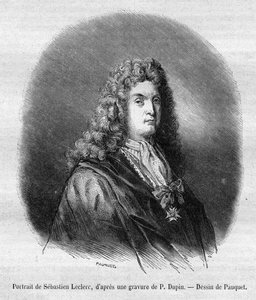
sébastien i le clerc
1637 - 1714 , France
Kratke činjenice
- Artistic Movement Or Style: Baroque engraving
- Artists Or Movements Influenced By This Artist: ['Louis XIV']
- Artists Who Influenced This Artist: ['Charles Le Brun']
- Date Of Birth: September 1637
- Date Of Death: October 25, 1714
- Full Name: Sébastien Le Clerc
- Nationality: French
- Notable Artworks:
- Untitled (554)
- Laboratory in the Royal Botanical Gardens
- Place Of Birth: Metz, France