

 Pregledaj u prostoru
 Pošalji
 Podeli
 Detalji o delu

 Преузми
 Slični predmeti
 Rendgenski snimak
 Slajdovi
 Stats
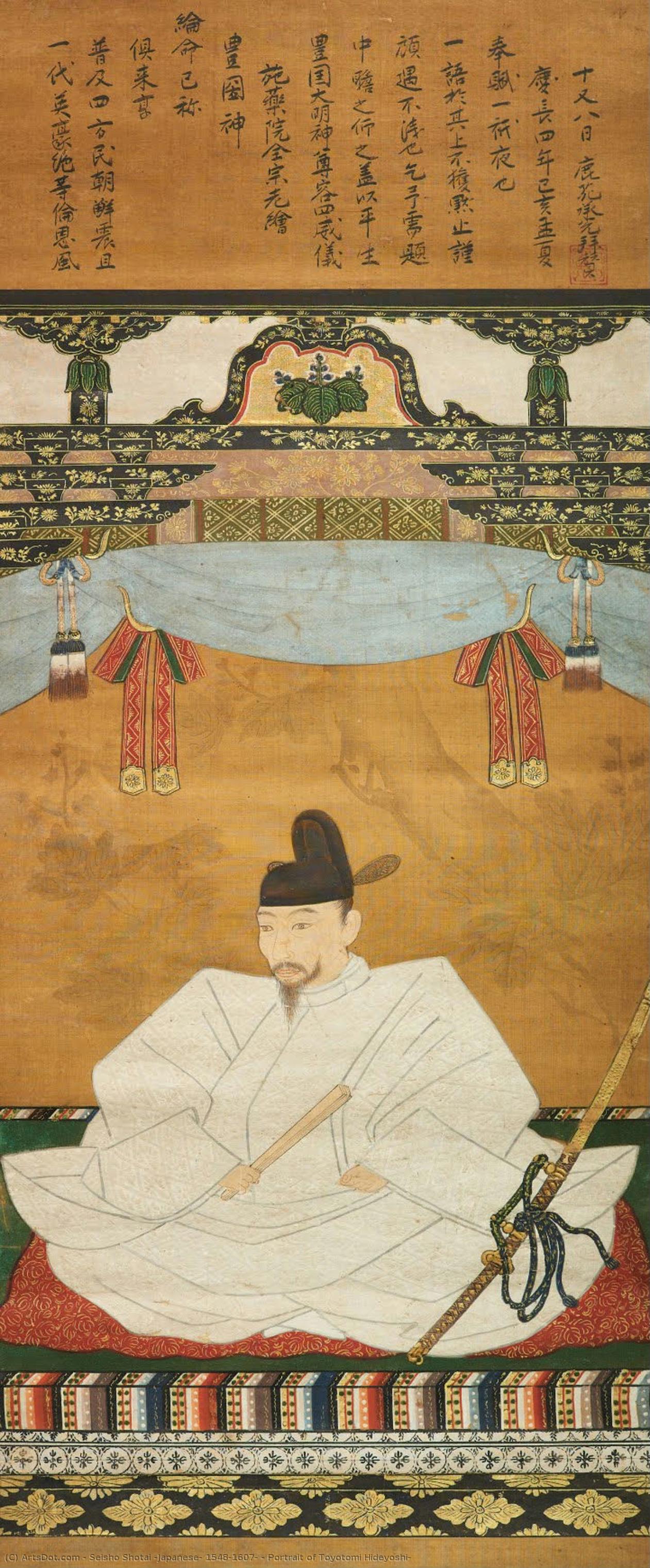
StatsPortrait of Toyotomi Hideyoshi,


 Pročitaj više
Ručno rađena uljana reprodukcija
Ručno oslikano uljanim bojama na platnu u dimenzijama i okviru po vašem izboru, izrađeno po porudžbini od strane naših umetnika. ( Switch to Print Switch to Digital Image)




































Izaberite jednu od naših unapred definisanih veličina koje odgovaraju originalnim proporcijama umetničkog dela.

Можете унети сопствене димензије како бисте прилагодили дело одређеном оквиру или простору. Ако одабрана величина не одговара пропорцијама оригинала, слика ће бити исечена или проширена додатним елементима који се ручно насликавају. Дигитални prikaz ће вам бити послат на одобрење пре почетка производње.
Имајте на уму да преглед на екрану не одражава стварно исецање или проширење. Само приказ (mockup) ће тачно приказати коначну композицију.
Иако су доступне прилагођене величине, препоручујемо да одаберете димензију из дефинисане листе како бисте сачували оригиналне пропорције.
Nakon narudžbine, tim ArtsDot.com će klijentu putem e-pošte poslati uputstva i dostaviti prikaz predloženog rešenja
Isporuka širom sveta () za 3/4 nedelje umesto uobičajenih 5 nedelja. (8 септембар). Bez kompromisa po pitanju kvaliteta.

Besplatna ekspresna dostava širom sveta

Visokokvalitetno laneno platno

Kompletno osiguranje transporta

Garancija povraćaja carine i uvoznih dažbina

Garancija vernosti boja

Politika povraćaja u roku od 100 dana (isključivo u slučaju nedostataka)

Garancija povrata novca od 100%

Popust pri grupnoj kupovini
 Opcija sa staklom dostupna je samo za dimenzije manje od 110 cm

Portrait of Toyotomi Hideyoshi,
Tehnika reprodukcije
Dimenzije reprodukcije
-


Konačna cena
$ 263
Srodna umetnička dela
Biografija umetnika
Seisho Shotai (1548-1607): The Silent Chronicler of a Turbulent Era
The world of 16th-century Japan was one of immense upheaval – the waning days of the Sengoku period, marked by constant warfare and shifting alliances. Amidst this chaos emerged Seisho Shotai (c. 1548-1607), an artist whose legacy rests primarily on his exquisite inscriptions and, most notably, his masterful portraiture, particularly that of Toyotomi Hideyoshi, a figure who profoundly shaped the nation’s destiny. Shotai's name rarely graces the headlines of art history, yet his work offers a remarkably intimate glimpse into the political and cultural currents of his time, revealing a keen eye for detail and a subtle understanding of symbolism.
Born during this period of intense conflict, Shotai’s early life remains shrouded in relative obscurity. He emerged as a skilled calligrapher and painter, quickly gaining recognition for his elegant brushwork and ability to capture the essence of his subjects. His career coincided with the rise of Toyotomi Hideyoshi, a peasant-born warrior who, through sheer force of will and military brilliance, ascended to become one of Japan’s most powerful figures – a shogun in all but name. Shotai's connection to Hideyoshi was not merely professional; he became a trusted advisor and confidant, deeply involved in the warlord’s court.
The Art of Inscription and Portraiture
Shotai’s artistic output is remarkably focused. He is primarily known for his inscriptions – elegant calligraphy accompanying paintings, often providing context, commentary, or personal reflections. These inscriptions are not mere labels; they are integral to the artwork itself, adding layers of meaning and revealing Shotai's perspective on the subject depicted. However, it’s his portraits, particularly those of Toyotomi Hideyoshi, that have secured his place in art history. He produced a series of remarkably detailed and psychologically astute depictions of the warlord, capturing not just his physical appearance but also his character and authority.
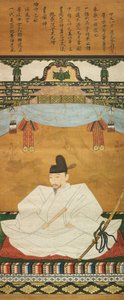
The “Portrait of Toyotomi Hideyoshi” (circa 1599), now housed at the Google Arts & Culture collection, exemplifies Shotai’s skill. The painting itself is a masterpiece of composition – Hideyoshi is seated with a ceremonial fan in his right hand and his left fist clenched, a gesture conveying both power and vigilance. He wears white silk socks and sits cross-legged on raised mats, mimicking the attire of an emperor, subtly asserting his elevated status as a regent (kanpaku). The backdrop features a stylized paulownia tree, a symbol deeply associated with imperial authority, further reinforcing Hideyoshi’s claim to legitimacy.
Symbolism and Context
Analyzing Shotai's work requires understanding the intricate symbolism of the era. The inclusion of the white silk socks, for instance, was not merely decorative; it represented a deliberate attempt to emulate imperial protocol, legitimizing Hideyoshi’s rule amidst a period of political instability. The paulownia tree, a sacred symbol in Japanese culture, served as a visual link between the warlord and the imperial lineage. Shotai's inscription, penned by Saisho Jotai, further illuminates these connections, highlighting the significance of the date – the 18th day of the fourth month—which coincided with the dedication of Hokoku Jinja, a shrine erected in honor of Hideyoshi.
The portrait’s creation was deeply intertwined with the political and religious landscape of the time. Commissioned by Yakuin Zenso, Hideyoshi's physician and a prominent Buddhist priest, it served as both a memorial to the deceased warlord and a means of solidifying his legacy. Shotai’s work, therefore, transcends mere portraiture; it becomes a historical document, capturing a pivotal moment in Japanese history.
Legacy and Influence
Despite his relatively quiet life, Seisho Shotai left an enduring mark on Japanese art. His meticulous attention to detail, combined with his profound understanding of symbolism, established him as one of the most accomplished portraitists of his era. His work offers a rare window into the world of Toyotomi Hideyoshi and the turbulent political climate in which he reigned. While few of his works survive, they remain highly prized by collectors and scholars alike, offering invaluable insights into the artistic and cultural traditions of 16th-century Japan.
Furthermore, Shotai’s legacy extends beyond individual artworks. His mastery of inscription influenced generations of calligraphers, while his portraiture set a standard for future artists seeking to capture the essence of their subjects. He stands as a testament to the power of quiet observation and skillful execution – a silent chronicler of a remarkable era.
seisho shotai (japanese, 1548-1607)
1548 - 1607 , Japan
Osnovne informacije
- Artistic Movement Or Style: Inscriptions, Portraiture
- Artists Who Influenced This Artist: ['Saisho Jotai']
- Date Of Birth: 1548
- Date Of Death: 1607
- Full Name: Seisho Shotai
- Nationality: Japanese
- Notable Artworks: ['Portrait of Toyotomi Hideyoshi']
- Place Of Birth: Japan
Povezani članci
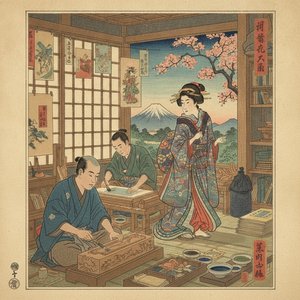
Floating World: The Captivating Art and Legacy of Japanese Ukiyo-e
Explore the profound beauty of Japanese Ukiyo-e. Discover the history, masters like Hokusai, and the enduring legacy of the 'Floating World' through an expert art-historical lens.
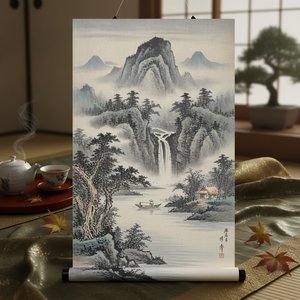
Serenity on Canvas: A Guide to the Timeless Beauty of Japanese Landscape Painting
Discover the serene beauty of Japanese landscape painting. From Hokusai's iconic woodblock prints to meditative sumi-e ink washes, explore a visual journey through the 'floating world' and learn how to bring this timeless Zen aesthetic into your modern home decor.
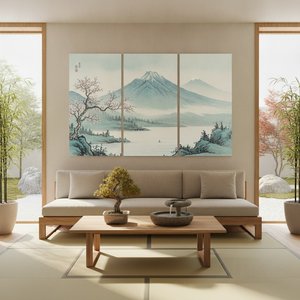
Serene Zen: Transforming Your New Home with the Timeless Elegance of Japanese Landscape Art
Transform your new home into a sanctuary of peace with stunning Japanese landscape art. Discover the beauty of Ukiyo-e and hand-painted Zen masterpieces designed to bring harmony and timeless elegance to your shared space. Expertly curated for modern lovers of fine art.
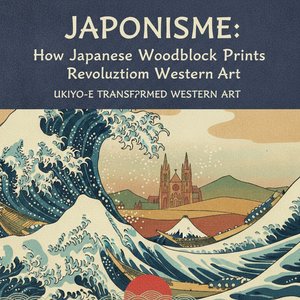
Japonisme: How Japanese Woodblock Prints Revolutionized Western Art
Explore the profound impact of Japonisme on Western art. Discover how Japanese ukiyo-e woodblock prints revolutionized perspective, color, and composition for masters like Monet and Van Gogh, forever changing the course of modern art history.

Katsushika Hokusai: 25 Remek-dela Japanskog Umetnika za Vaš Dom | ArtsDot
Uronite u svet Katsushike Hokusaija! Otkrijte 25 remek-dela japanskog umetnika, uključujući čuveni 'Veliki talas'. Ukiyo-e štampe, pejzaži i istorija iza svakog dela. Pronađite inspiraciju za dekor enterijera i kupite reprodukcije slika vrhunskog kvaliteta na ArtsDot.com.