

 Pregledaj u prostoru
 Pošalji
 Podeli
 Detalji o delu

 Преузми
 Slični predmeti
 Rendgenski snimak
 Slajdovi
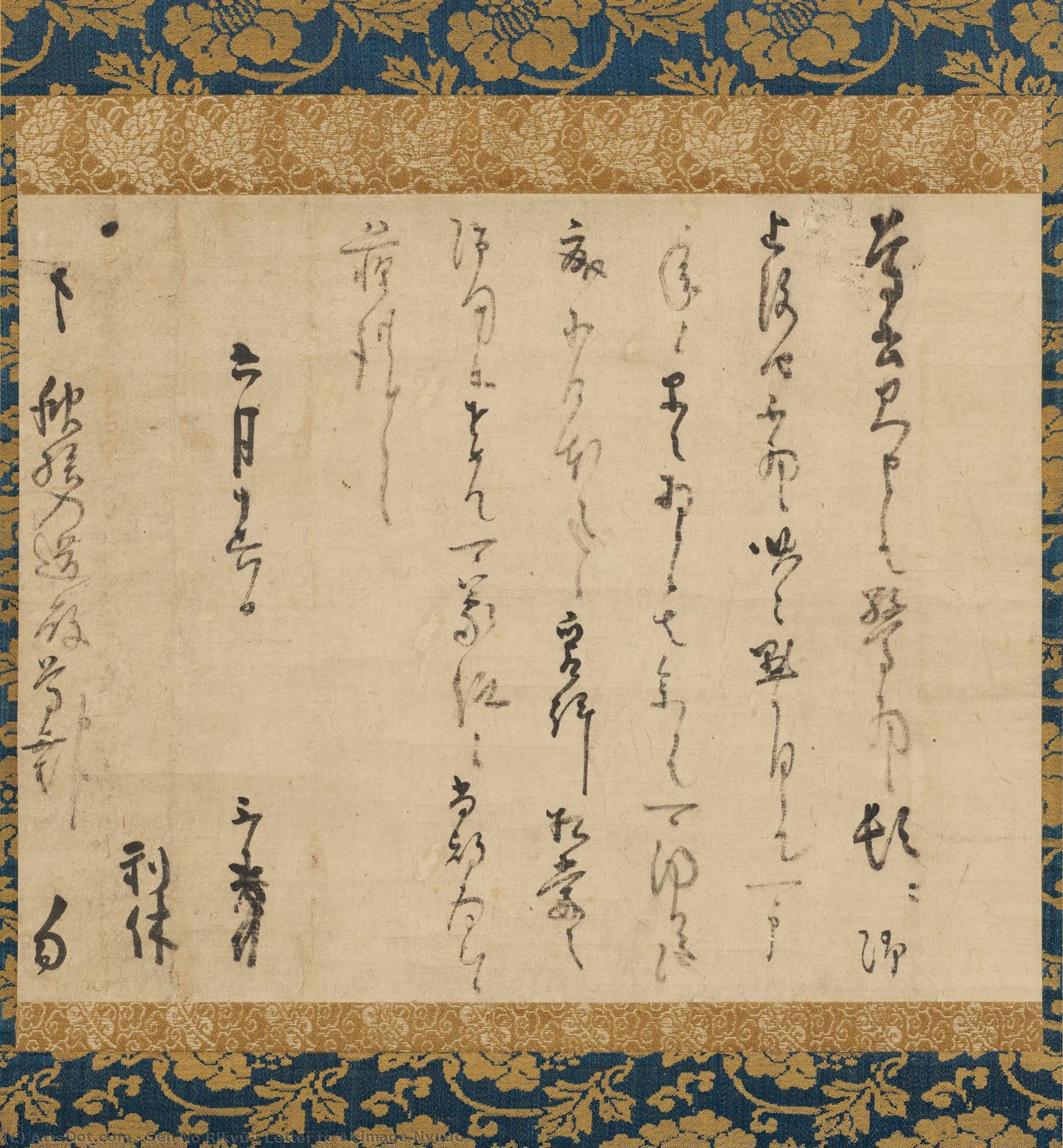
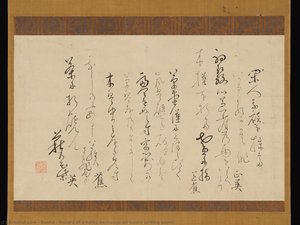
Letter to Akimago Nyudo

 Pročitaj više
Ručno rađena uljana reprodukcija
Ručno oslikano uljanim bojama na platnu u dimenzijama i okviru po vašem izboru, izrađeno po porudžbini od strane naših umetnika. ( Kupi print Kupi digitalnu sliku)




































Izaberite jednu od naših unapred definisanih veličina koje odgovaraju originalnim proporcijama umetničkog dela.

Можете унети сопствене димензије како бисте прилагодили дело одређеном оквиру или простору. Ако одабрана величина не одговара пропорцијама оригинала, слика ће бити исечена или проширена додатним елементима који се ручно насликавају. Дигитални prikaz ће вам бити послат на одобрење пре почетка производње.
Имајте на уму да преглед на екрану не одражава стварно исецање или проширење. Само приказ (mockup) ће тачно приказати коначну композицију.
Иако су доступне прилагођене величине, препоручујемо да одаберете димензију из дефинисане листе како бисте сачували оригиналне пропорције.
Nakon narudžbine, tim ArtsDot.com će klijentu putem e-pošte poslati uputstva i dostaviti prikaz predloženog rešenja
Isporuka širom sveta () za 3/4 nedelje umesto uobičajenih 5 nedelja. (1 септембар). Bez kompromisa po pitanju kvaliteta.

Besplatna ekspresna dostava širom sveta

Visokokvalitetno laneno platno

Kompletno osiguranje transporta

Garancija povraćaja carine i uvoznih dažbina

Garancija vernosti boja

Politika povrata u roku od 60 dana (samo u slučaju nedostataka)

Garancija povrata novca od 100%

Popust pri grupnoj kupovini
 Opcija sa staklom dostupna je samo za dimenzije manje od 110 cm

Letter to Akimago Nyudo
Tehnika reprodukcije
Dimenzije reprodukcije
-


Konačna cena
$ 263
Srodna umetnička dela




Biografija umetnika
The Architect of Stillness
In the vibrant, merchant-rich atmosphere of Sakai during the sixteenth century, a profound transformation was quietly unfolding. Sen no Rikyū, known simply as Rikyū, emerged not merely as a practitioner of tea but as the architect of a spiritual revolution. Born in 1522, his life coincided with one of Japan's most turbulent eras, yet within the intimate confines of the tea room, he sought to cultivate a stillness that transcended political chaos. Through his mastery of chanoyu, or the Japanese way of tea, Rikyū elevated a simple social ritual into a meditative practice deeply rooted in Zen Buddhism, forever altering the cultural landscape of Japan.The Beauty of the Imperfect
Rikyū’s greatest contribution to the world of aesthetics was his radical embrace of simplicity. Before his influence, tea gatherings often leaned toward the ostentatious, showcasing precious Chinese imports and gilded splendor. Rikyū, however, championed the concept of wabi-sabi—the beauty found in imperfection, impermanence, and the rustic. He taught that true elegance resided in the weathered texture of a handmade bowl, the quiet shadow in a corner, and the humble presence of seasonal wildflowers. This philosophy turned the tea ceremony into an exercise in mindfulness, where every movement and every object served to ground the practitioner in the present moment.- The celebration of the unrefined and the natural world.
- The intentional use of space and shadow to evoke profound depth.
- A focus on the spiritual connection between host and guest through shared silence.
An Enduring Legacy
Though his life reached its conclusion in 1591, Rikyū’s influence remains an unbreakable thread in the fabric of Japanese identity. He established a lineage that continues to breathe life into the tea ceremony through the three great iemoto, or head houses: the Omotesenke, Urasenke, and Mushakōjisenke. Collectively known as the San Senke, these schools serve as the guardians of his teachings, ensuring that the principles of harmony, respect, purity, and tranquility are passed down through generations. His life remains a testament to the power of finding profound meaning within the smallest, most deliberate acts of grace.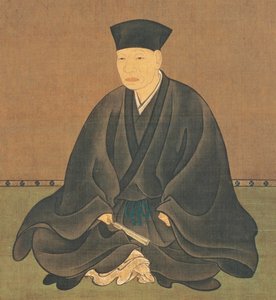
sen no rikyū
1522 - 1591 , Japan
Osnovne informacije
- Artistic Movement Or Style: Chanoyu (Way of Tea), Wabi-sabi
- Artists Or Movements Influenced By This Artist:
- Omotesenke
- Urasenke
- Mushakōjisenke
- Date Of Birth: 1522
- Date Of Death: 1591
- Full Name: Sen no Rikyū
- Nationality: Japanese
- Place Of Birth: Sakai, Japan

