

 Pregledaj u prostoru
 Pošalji
 Podeli
 Detalji o delu

 Преузми
 Slični predmeti
 Rendgenski snimak
 Slajdovi
 Stats
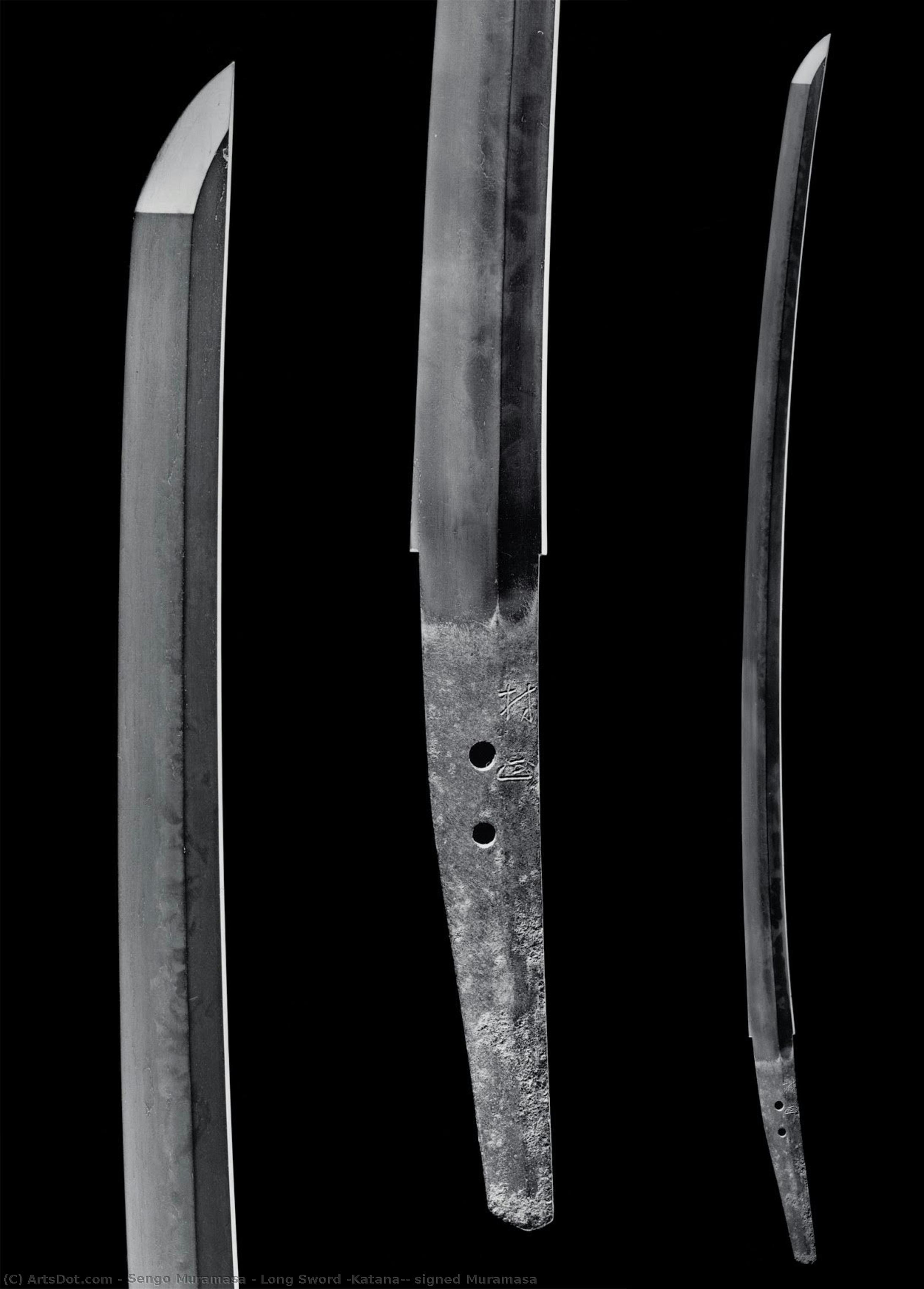
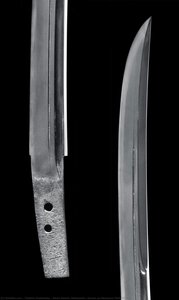
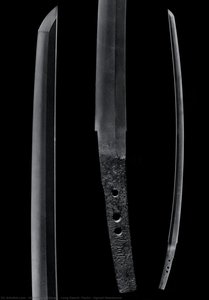
StatsLong Sword (Katana), signed Muramasa

 Pročitaj više
Giclee štampa / Umetnički otisak
Giclée štampa ili print na platnu muzejskog kvaliteta uz brzu proizvodnju i fleksibilne opcije završne obrade. ( Kupi ručno naslikanu sliku Switch to Digital Image)




































Izaberite jednu od naših unapred definisanih veličina koje odgovaraju originalnim proporcijama umetničkog dela.

Možete uneti sopstvene dimenzije kako biste umetničko delo prilagodili specifičnom okviru ili prostoru. Ako odabrani format ne odgovara proporcijama originalne slike, mi ćemo ili iscrtati deo dela ili proširiti sliku pomoću ogledane ivice ili jednobojnog popunjavanja. Digitalni prikaz će vam biti poslat na odobrenje pre početka proizvodnje.
Imajte na umu da pregled na ekranu ne odražava stvarno iscrtavanje ili proširivanje. Samo će prikaz (mockup) precizno pokazati finalnu kompoziciju.
Iako su prilagođene dimenzije dostupne, preporučujemo da odaberete dimenziju sa unapred definisane liste kako biste očuvali originalne proporcije.
Dostava širom sveta () za 2 nedelje umesto uobičajenih 4/5 nedelja. (7 септембар)

Besplatna ekspresna dostava širom sveta

Visokokvalitetno laneno platno

Kompletno osiguranje transporta

Garancija povraćaja carine i uvoznih dažbina

Garancija vernosti boja

Politika povraćaja u roku od 100 dana (isključivo u slučaju nedostataka)

Garancija povrata novca od 100%

Popust pri grupnoj kupovini
 Opcija sa staklom dostupna je samo za dimenzije manje od 110 cm

Long Sword (Katana), signed Muramasa
Giclee štampa / Umetnički otisak
Dimenzije reprodukcije
-


Konačna cena
$ 62
Srodna umetnička dela





Biografija umetnika
The Enigmatic Blades of Sengo Muramasa
The name Sengo Muramasa resonates through Japanese history, less as the biography of a man and more as a legend forged in steel. Born before 1501 in Kuhoku, Japan, during the tumultuous Muromachi period, Muramasa – often referred to simply as muramasa or by his full name 千子村正 (Sen-go Muramasa) – was not merely a swordsmith; he was an artisan who imbued his creations with a spirit that would captivate and trouble generations. His origins are shrouded in some mystery, typical of the itinerant smiths of the era, but it is known he established himself in Kuwana, Ise province (modern Mie Prefecture), becoming the founder of the influential Muramasa school.
A School Forged in Conflict
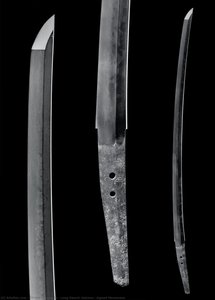
The Muromachi period was an age defined by near-constant warfare and political upheaval. This environment profoundly shaped Muramasa’s work. Swords were not simply weapons, but extensions of a warrior's soul, symbols of status, and vital tools for survival. The demand for exceptional blades was relentless, and Muramasa rose to meet it with an unparalleled dedication to his craft. He wasn’t working in isolation; the Muramasa school quickly became known for its distinctive style – characterized by a particularly active *hamon* (temper line), often described as resembling flames or swirling water, and exceptional sharpness. The techniques employed were closely guarded secrets passed down through generations of smiths within his lineage.
From Shogun’s Favor to Rebel Symbol
Initially, Muramasa enjoyed considerable patronage from powerful figures, most notably Tokugawa Ieyasu, the founder and first shogun of the Tokugawa shogunate. His katana were highly sought after by Ieyasu and his vassals, prized for their cutting ability and aesthetic beauty. However, this association would ironically contribute to the complex legacy of Muramasa’s blades. As the Tokugawa shogunate consolidated its power, any symbol associated with potential opposition became suspect. The very swords favored by Ieyasu were later seen as emblems of defiance, particularly among those who resisted the new regime. This shift in perception wasn't immediate but grew over time, fueled by tales of the swords’ insatiable thirst for blood and their supposed ability to influence the fate of their wielders.
The Lore of the *Yōtō*
It is from the 18th century onwards that the legend of Muramasa truly took hold, transforming him from a respected swordsmith into the creator of *yōtō* – wicked katana. Stories began to circulate depicting his blades as possessing an almost supernatural quality, craving battle and bringing misfortune to their owners if not wielded by those with pure hearts and unwavering resolve. These tales often involved the swords acting independently, seeking out conflict or even causing the downfall of those who possessed them without the necessary skill or moral character. This reputation, while largely fictional, cemented Muramasa’s place in Japanese folklore and popular culture. The idea that his blades were cursed or imbued with a malevolent spirit became deeply ingrained in the collective imagination.
A Lasting Legacy
Despite the sensationalized stories, the historical significance of Sengo Muramasa remains undeniable. He represents the pinnacle of Japanese swordsmithing during a critical period of transition and conflict. His school’s influence can be seen in countless blades produced throughout subsequent generations, and his techniques continue to be studied by modern smiths. The enduring fascination with Muramasa lies not just in the exceptional quality of his work but also in the complex symbolism attached to it. His katana are a testament to the artistry, skill, and spiritual beliefs of the Muromachi period, embodying both the power and the potential dangers inherent in the samurai tradition. The blades themselves serve as tangible links to a bygone era, whispering tales of honor, betrayal, and the enduring allure of the Japanese sword.
sengo muramasa
Japan
Osnovne informacije
- Artistic Movement Or Style: Muromachi period swords
- Artists Or Movements Influenced By This Artist: ["Tokugawa Ieyasu's vassals"]
- Date Of Birth: Before 1501
- Full Name: Sengo Muramasa
- Nationality: Japanese
- Notable Artworks: ['Muramasa katana blades']
- Place Of Birth: Kuhoku, Japan