

 Pregledaj u prostoru
 Pošalji
 Podeli
 Detalji o delu

 Преузми
 Slični predmeti
 Rendgenski snimak
 Slajdovi
 Stats
StatsAlexander Kalioujny

 Pročitaj više
Giclee štampa / Umetnički otisak
Giclée štampa ili print na platnu muzejskog kvaliteta uz brzu proizvodnju i fleksibilne opcije završne obrade. ( Kupi ručno naslikanu sliku Switch to Digital Image)




































Izaberite jednu od naših unapred definisanih veličina koje odgovaraju originalnim proporcijama umetničkog dela.

Možete uneti sopstvene dimenzije kako biste umetničko delo prilagodili specifičnom okviru ili prostoru. Ako odabrani format ne odgovara proporcijama originalne slike, mi ćemo ili iscrtati deo dela ili proširiti sliku pomoću ogledane ivice ili jednobojnog popunjavanja. Digitalni prikaz će vam biti poslat na odobrenje pre početka proizvodnje.
Imajte na umu da pregled na ekranu ne odražava stvarno iscrtavanje ili proširivanje. Samo će prikaz (mockup) precizno pokazati finalnu kompoziciju.
Iako su prilagođene dimenzije dostupne, preporučujemo da odaberete dimenziju sa unapred definisane liste kako biste očuvali originalne proporcije.
Dostava širom sveta () za 2 nedelje umesto uobičajenih 4/5 nedelja. (8 септембар)

Besplatna ekspresna dostava širom sveta

Visokokvalitetno laneno platno

Kompletno osiguranje transporta

Garancija povraćaja carine i uvoznih dažbina

Garancija vernosti boja

Politika povraćaja u roku od 100 dana (isključivo u slučaju nedostataka)

Garancija povrata novca od 100%

Popust pri grupnoj kupovini
 Opcija sa staklom dostupna je samo za dimenzije manje od 110 cm

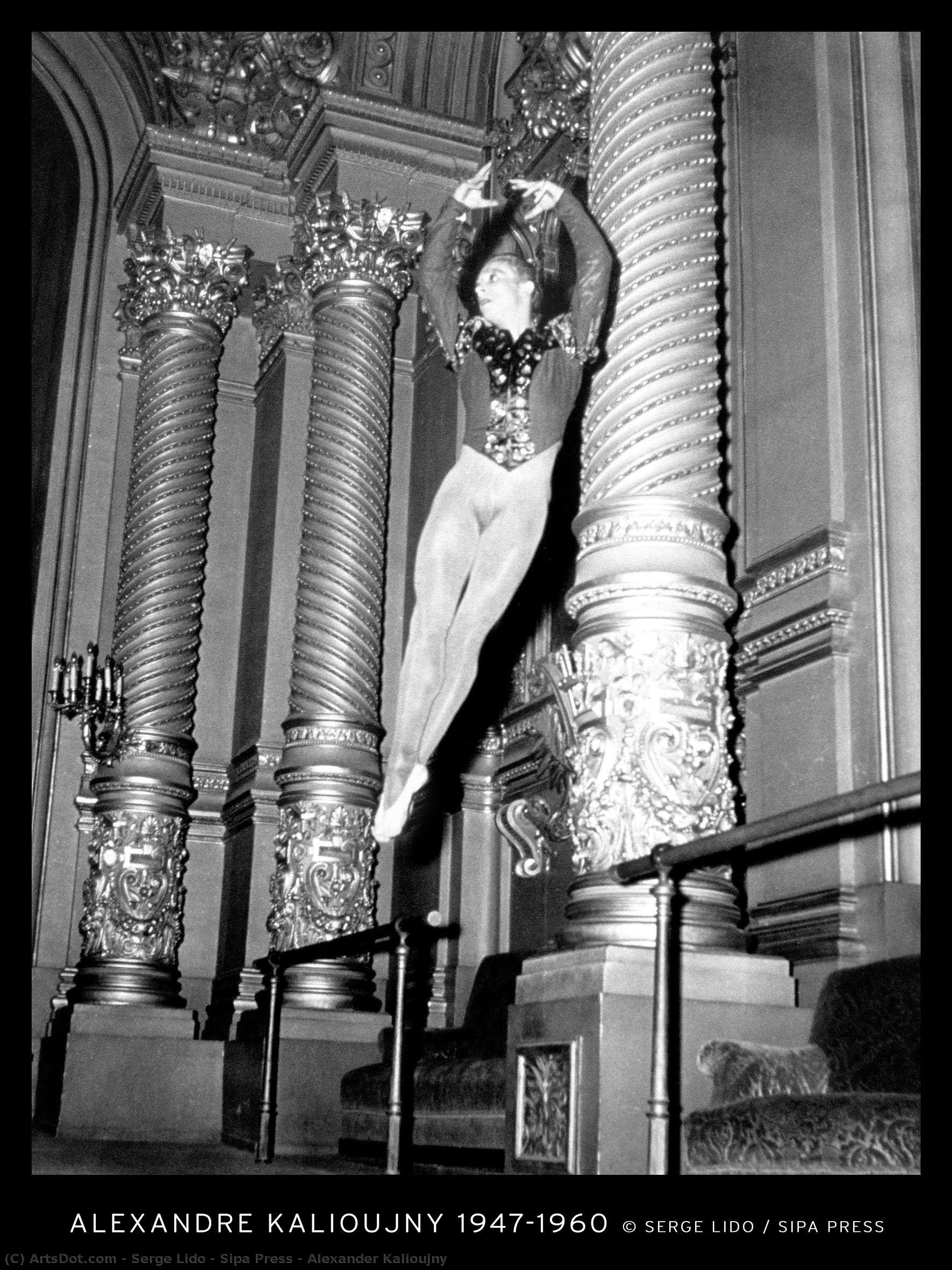
Alexander Kalioujny
Giclee štampa / Umetnički otisak
Dimenzije reprodukcije
-


Konačna cena
$ 62
Srodna umetnička dela




Biografija umetnika
Serge Lido: Capturing the Ephemeral Grace of Ballet
Serge Lido (1906-1984), a name perhaps less familiar than some of his contemporaries, remains one of the most significant and visually arresting figures in 20th-century photography. Born in Moscow during a period of immense social and political upheaval, Lido’s artistic journey was inextricably linked to his relocation to Paris in 1933, a move that fundamentally shaped both his subject matter and his photographic style. He didn't simply document ballet; he imbued it with an almost dreamlike quality, capturing not just the physical movements of dancers but also their emotional states, their vulnerability, and the fleeting beauty of the moment. His work stands as a testament to the power of photography to transcend mere representation and achieve a profound sense of atmosphere and feeling.Early Life and Influences – A Russian Foundation
Lido’s early life in Moscow provided him with an appreciation for both classical art and the burgeoning world of ballet. Growing up amidst the vibrant artistic scene, he was exposed to influences ranging from Constructivism's geometric abstraction to the expressive qualities of Russian realist painting. These formative experiences instilled a deep respect for composition, form, and the ability to convey complex narratives through visual means. Crucially, his marriage to Irene Lidova in 1933 proved pivotal. Irene, herself a talented dancer and choreographer, became his primary muse and collaborator, traveling extensively throughout Europe with him – primarily France, Italy, Spain, and Russia – documenting the world of ballet with an unwavering dedication. This partnership allowed Lido to immerse himself fully within the dance community, gaining access to rehearsals, performances, and the intimate moments between dancers that often went unseen by the public eye.The Balletic Vision: Technique and Atmosphere
Lido’s photographic approach was remarkably unconventional for its time. He eschewed the stiff formality of traditional studio portraits, instead favoring natural light and candid settings. His images were frequently taken in rehearsal rooms, backstage areas, and even during travel, capturing dancers in moments of intense concentration, quiet contemplation, or playful interaction. A key element of his style was his masterful use of composition – often employing strong diagonals, shallow depth of field, and carefully arranged props to create a sense of dynamism and spatial tension. He wasn’t interested in simply freezing the action; he sought to convey the *feeling* of movement, the weight of gravity, and the subtle shifts in expression that revealed the dancers' inner lives. His use of black and white photography further enhanced this effect, stripping away distractions and allowing the textures of fabric, skin, and light to take center stage.Notable Works and Collaborations – A Legacy of Grace
Lido’s photographic output is substantial, encompassing over 10,000 images. Many of his most celebrated works depict iconic figures of the ballet world, including Maya Plisetskaya, Rudolf Nureyev, and Mikhail Baryshnikov. His portraits of Plisetskaya are particularly renowned for their ability to capture her fierce intensity and captivating presence. He also collaborated extensively with leading choreographers such as Roland Petit and George Balanchine, documenting their creative processes and the evolution of their works. His images from 1951, featuring a young Brigitte Bardot in a ballet scene, are particularly striking, showcasing his ability to capture both youthful beauty and dramatic emotion. The Roger Ritz collection, featuring photographs of Baryshnikov, exemplifies Lido’s dedication to capturing the essence of the dancer's performance.Historical Significance and Lasting Influence – Beyond the Dance Floor
Serge Lido’s work transcends its immediate subject matter—the world of ballet—to offer a profound meditation on beauty, vulnerability, and the ephemeral nature of human experience. His images possess a timeless quality, evoking a sense of nostalgia for a bygone era while simultaneously capturing the enduring spirit of artistic expression. He demonstrated that photography could be more than just a record of events; it could be a vehicle for exploring complex emotions and creating lasting impressions. While he may not be as widely recognized as some of his contemporaries, Serge Lido’s legacy continues to inspire photographers today, particularly those interested in capturing the beauty of movement and the emotional depth of human performance. His work serves as a reminder that true artistry lies not just in technical skill but also in the ability to connect with one's subject on a deeply personal level.Further Resources
- Roger Ritz: https://ArtsDot.com/en/artists/serge-lido-sipa-press-roger-ritz-D49LHK-en/
- Alexander Kalioujny: https://ArtsDot.com/en/artists/serge-lido-sipa-press-alexander-kalioujny-D49LHP-en/
- Roger Fenonjois: https://ArtsDot.com/en/artists/serge-lido-sipa-press-roger-fenonjois-D49LHF-en/
- Serge Lido / Sipa Press: https://ArtsDot.com/en/artists/serge-lido-sipa-press-en/?srsltid=AfmBOopTvM9OhkTGdJcKWpbsSkWnZAzihiiP-qRGzj8lcmgvafgSfU3F
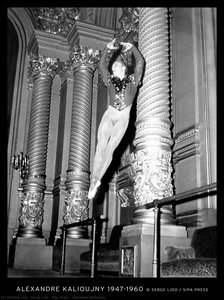
serge lido / sipa press
France
Osnovne informacije
- Artistic Movement Or Style: Portraiture, Ballet Photography
- Artists Or Movements Influenced By This Artist: ['WahooArt.com']
- Artists Who Influenced This Artist: ['Félix Nadar']
- Date Of Death: 1984
- Full Name: Serge Lido / Sipa Press
- Nationality: French
- Notable Artworks:
- One Million Ballet Dancers
- Roger Ritz
- Alexander Kalioujny
- Roger Fenonjois
- Place Of Birth: Moscow, Russia