

 Pregledaj u prostoru
 Pošalji
 Podeli
 Detalji o delu

 Преузми
 Slični predmeti
 Rendgenski snimak
 Slajdovi
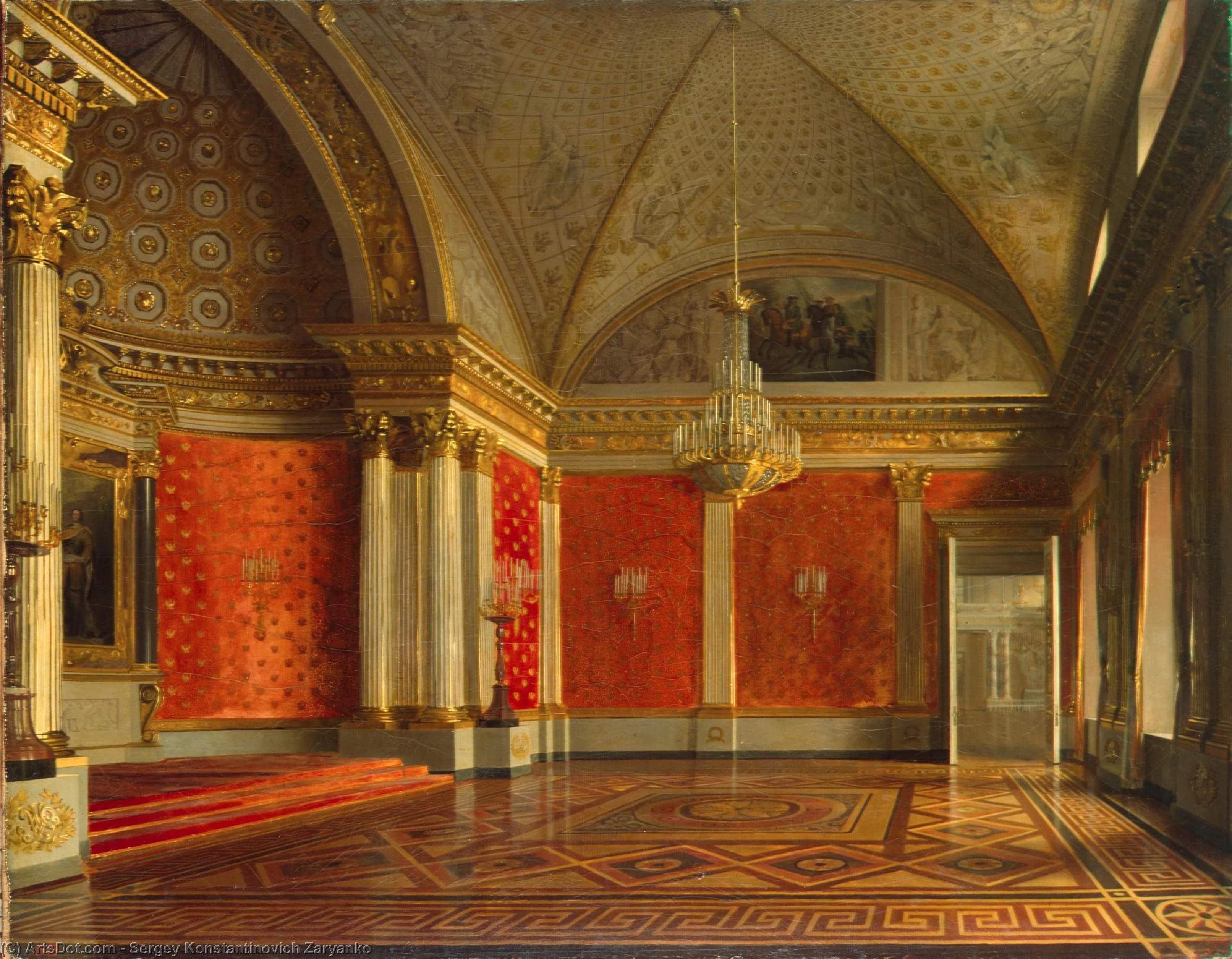
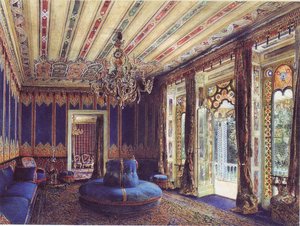
The Peter's Room in the Winter Palace
 Acrylic On Canvas
- WallArt
- 19th Century Realism
 1837
1837- 19th Century
 86.0 x 110.0 cm
 Hermitage Museum
 Pročitaj više
Kupite digitalnu sliku visoke rezolucije i poboljšanog kvaliteta, koja je znatno superiornija od onoga što vidite u online prikazu.
Svaka datoteka je pedantno pripremljena od strane naših stručnjaka koristeći napredne alate i profesionalnu ručnu retušu. Osiguravamo da svaka slika ima izuzetnu oštrinu, preciznu reprodukciju boja i fine detalje.
Konačna datoteka se dostavlja putem e-pošte u roku od 72 sata, optimizovana za neposrednu upotrebu u profesionalnim, izdavačkim i štamparskim okruženjima. To je isti kvalitet kojem veruju vrhunski studiji dizajna, izdavači i galerije.
Digitalna slika
Preuzmite datoteku visoke rezolucije za ličnu upotrebu, štampanje i kreativne projekte. ( Kupi print Kupi ručno naslikanu sliku)
Uključeno uz svaku porudžbinu digitalne slike
Profesionalna digitalna isporuka, zagarantovana
Kada odaberete ArtsDot.com, ne dobijate samo sliku – vi primate profesionalno unapređeno digitalno umetničko delo, izrađeno sa najvećom preciznošću i uz garanciju zadovoljstva. Evo svega što automatski dolazi uz vašu porudžbinu:

Brza dostava putem e-pošte
Vaša digitalna slika visoke rezolucije biće vam poslata putem e-pošte u roku od 72 sata od poručivanja – spremna za trenutnu upotrebu.

Digitalna datoteka unapređena veštačkom inteligencijom
Vaše umetničko delo je profesionalno optimizovano korišćenjem naprednih AI alata i ručne obrade, čime se osiguravaju maksimalni detalji, oštrina i preciznost boja.

Besplatna ponovna isporuka doživotno
Slučajno ste obrisali ili izgubili svoju datoteku? Ne brinite – poslaćemo vam je ponovo u bilo kom trenutku, potpuno besplatno.

Bez troškova uvoza – zauvek
Uživajte u svojim umetničkim delima trenutno, bez carine, dažbina ili troškova dostave – digitalni download je uvek bez poreza.

Garancija vernosti boja
Uz pomoć profesionalnih alata i upravljanja bojama, osiguravamo da vaša digitalna slika što vernije odražava originalne boje.

Garancija zadovoljstva u roku od 60 dana
Ako niste zadovoljni svojom digitalnom slikom, revidirat ćemo je ili vratiti 100% novca u roku od 60 dana – bez ikakvih pitanja.

100% garancija povrata novca
Niste zadovoljni? Obezbedite pun povrat novca u roku od 60 dana od trenutka kada ste primili svoju digitalnu datoteku – bez suvišnih pitanja.

Popusti na velike porudžbine
Kupite 3 slike, uštedite 10% - Kupite 5 slika, uštedite 15% - Kupite 10+ slika, uštedite 20%. Odlično za kreativne projekte, galerije i agencije.
The Peter’s Room in the Winter Palace: A Glimpse of Imperial Opulence
Sergey Konstantinovich Zaryanko's “The Peter’s Room in the Winter Palace,” painted in 1837, offers a remarkably intimate and richly detailed portrayal of a space brimming with power, wealth, and the subtle drama of courtly life. This captivating scene, measuring 86 x 110 cm, transcends mere architectural representation; it's a carefully constructed tableau designed to evoke a sense of grandeur and invite the viewer into an exclusive world. The painting captures a lavish interior – likely the Peter’s Room – within the Winter Palace in St. Petersburg, a space renowned for its opulent decoration and served as a reception area for visiting dignitaries and members of the Imperial family.
Zaryanko's skill lies not just in his technical proficiency but also in his ability to imbue the scene with atmosphere. The dominant red walls, accented by gleaming gold trim, immediately establish a sense of regal authority. These bold colors are masterfully balanced by the high ceiling and the strategically placed chandeliers, which cast a warm, diffused light across the room, highlighting the intricate details of the furnishings and the figures within. Notice how Zaryanko doesn’t simply depict the space; he captures its *feeling* – a blend of formality and relaxed conviviality.
A Portrait of an Era: Context and Artistic Influences
Understanding the historical context is crucial to appreciating this work fully. Zaryanko's artistic journey began within the constraints of serfdom, a stark contrast to the world he now portrays. His rise through the ranks of Saint Petersburg’s art scene – facilitated by connections like Alexander Golitsyn and Vasily Avrorin – speaks volumes about his talent and determination. The painting itself reflects the mid-19th century's fascination with classical grandeur and the Romanov dynasty’s commitment to lavish displays of power. It’s a period marked by both artistic innovation and a desire to emulate the aesthetics of ancient Rome and Renaissance Italy.
Zaryanko’s training under Vasily Avrorin provided him with a solid foundation, but his work demonstrates an independent style. He was influenced by artists like Alexey Venetsianov, known for his detailed realism and ability to capture human emotion. Zaryanko's meticulous attention to detail – the textures of fabrics, the gleam of gold, the expressions on the faces of the figures – is a testament to this influence. His later work would be particularly noted for its insightful portrayals of individuals, often revealing subtle nuances of character.
Decoding the Details: Symbolism and Composition
The composition of “The Peter’s Room” is carefully orchestrated to draw the viewer's eye through the scene. The central figures, standing near the center of the room, are likely members of the Imperial court or visiting dignitaries, engaged in conversation or observation. Their placement suggests a hierarchy of importance and underscores the formality of the setting. The scattered individuals throughout the space create a sense of activity and movement, preventing the room from feeling static.
Beyond the obvious display of wealth, the painting is rich with symbolic elements. The red walls, often associated with power and royalty, reinforce the Imperial authority. The gold trim symbolizes prosperity and divine favor. The chandeliers, reminiscent of Roman lighting fixtures, evoke a sense of timeless elegance and connection to classical ideals. Even the arrangement of furniture – carefully positioned to maximize space and create focal points – contributes to the overall impression of order and refinement.
A Legacy in Reproduction: Bringing Imperial Beauty Home
ArtsDot is proud to offer meticulously crafted hand-painted reproductions of “The Peter’s Room in the Winter Palace.” We strive to capture not only the visual details but also the emotional resonance of Zaryanko's original masterpiece. Our skilled artists utilize traditional techniques and archival-quality materials to ensure that each reproduction faithfully reflects the painting’s rich colors, intricate textures, and captivating atmosphere. This artwork is more than just a print; it’s an opportunity to bring a piece of Russian imperial history into your home or office – a testament to artistry, power, and enduring beauty.
Consider this reproduction as a window into the world of the Romanov dynasty, a reminder of the opulent lifestyle enjoyed within the Winter Palace, and a celebration of Sergey Zaryanko’s remarkable talent. Explore our collection today and discover how you can own a stunning piece of art history.
Srodna umetnička dela
Biografija umetnika
A Life Emerging from Serfdom: The Artistic Journey of Sergey Konstantinovich Zaryanko
Sergey Konstantinovich Zaryanko, a name perhaps less immediately recognized than some of his contemporaries, nevertheless occupies a vital and fascinating position within the landscape of 19th-century Russian art. Born in 1818 in Mogilev, Belarus, his origins were deeply rooted in the societal constraints of the time – he was born into serfdom on the estate of the Lubomirski family. This humble beginning profoundly shaped his perspective and likely fueled a quiet determination that would characterize his artistic path. The emancipation of his father marked a turning point, allowing the family to relocate to Saint Petersburg and enter service with Alexander Golitsyn, a figure who would later ascend to the role of government minister. It was within this new environment that Zaryanko’s innate artistic talent began to blossom. Early instruction from Vasily Avrorin provided a foundational skillset, but it was a pivotal recommendation by Alexey Venetsianov in 1834 that truly unlocked his potential, granting him access – as an auditor – to the prestigious Imperial Academy of Arts. This opportunity was not merely educational; it was a symbolic liberation, a passage from the constraints of his past towards a future defined by creative expression.From Interiors to Insightful Portraits: Artistic Development and Recognition
Zaryanko’s initial artistic explorations weren't focused on the portraiture for which he would eventually become celebrated. He initially devoted himself to painting interiors, meticulously capturing the atmosphere and detail of domestic spaces. Simultaneously, he studied landscape painting under Maxim Vorobiev, broadening his technical abilities and developing a keen eye for composition and light. This period of experimentation proved crucial in laying the groundwork for his later success. Recognition came swiftly; a silver medal in 1836 heralded his emerging talent, followed by the title of “artist” in 1838 and another silver medal in 1841. The culmination of these early achievements arrived in 1843 with his appointment as an "academician," solidifying his standing within the Russian art establishment. This period wasn’t simply about mastering technique; it was a time of stylistic exploration, a forging of a unique artistic voice that would eventually distinguish him from his peers. His move to Moscow in the same year marked a new chapter, one where he embraced teaching positions at the Alexandrov Military Institute and also worked as an icon painter, demonstrating a versatility that underscored his dedication to the craft. He later taught at the Moscow Palace Architectural School before returning to Saint Petersburg, ultimately focusing on portraiture – the genre that would define his legacy.A Master of Likeness: Establishing a Reputation in Portraiture
The late 1840s witnessed Zaryanko’s ascent as a leading portraitist. His portraits of General Pyotr Karlovich Lomnovsky and opera singer Osip Petrov, completed in 1849, were instrumental in establishing his reputation. These weren't merely depictions of physical likeness; they were insightful portrayals that captured the character and status of their subjects with remarkable sensitivity. The following year brought further acclaim – and a significant honor – with his portrait of Fyodor Tolstoy, which earned him the title of “professor.” This recognition wasn’t simply about technical skill; it was an acknowledgement of his ability to imbue his portraits with psychological depth and emotional resonance. Zaryanko's approach to portraiture was characterized by meticulous detail and a commitment to realism, yet he avoided mere imitation. He sought to reveal the inner life of his sitters, capturing not just their appearance but also their personality, intellect, and social standing. This ability to convey such nuanced understanding made him a highly sought-after artist among Russia’s elite.A Legacy in Education: Mentorship and Influence
Beyond his accomplishments as a painter, Zaryanko left an indelible mark on Russian art through his dedication to education. In 1856, upon the recommendation of Feodor Pryanishnikov, he joined the Moscow School of Painting, Sculpture and Architecture as a senior professor of painting. This appointment marked a shift in focus, with teaching becoming increasingly central to his artistic life. He mentored a generation of artists who would go on to shape the course of Russian Realism, including Vasily Perov, Illarion Pryanishnikov, and Vasili Pukirev. His influence extended beyond technical instruction; he instilled in his students a commitment to social commentary and a desire to depict the realities of Russian life with honesty and empathy. During the 1860s, while continuing to teach, Zaryanko produced fewer paintings, dedicating himself primarily to nurturing the talents of others. This selfless devotion to education cemented his legacy as not only a skilled artist but also a pivotal figure in the development of Russian art. Sadly, he suffered from eyestrain for many years, potentially leading to vision loss, and passed away suddenly in 1871. Though perhaps not as widely celebrated as some of his contemporaries, Sergey Konstantinovich Zaryanko’s contributions to Russian portraiture, art education, and the broader cultural landscape remain profoundly significant.A Window into Nineteenth-Century Russia
Zaryanko's work offers a compelling glimpse into the social and cultural fabric of 19th-century Russia. His portraits are not merely representations of individuals; they are historical documents, providing valuable insights into the lives, personalities, and status of the era’s elite. He captured the grandeur of military figures like Grand Duke Nikolai Nikolayevich the Elder, the artistic spirit of opera singers such as Osip Petrov, and the intellectual depth of writers like Fyodor Tolstoy. Through his meticulous attention to detail and his ability to convey psychological nuance, Zaryanko created a visual record that continues to resonate with audiences today. His legacy extends beyond the aesthetic qualities of his paintings; it lies in his role as a bridge between artistic tradition and emerging Realist sensibilities, and in his dedication to fostering the next generation of Russian artists. His detailed realism and insightful portrayals remain significant contributions to 19th-century Russian art. He established himself as a leading portrait painter, mentored influential artists, created historically valuable portraits, and contributed significantly to art education – all achievements that solidify his place in the annals of Russian artistic history.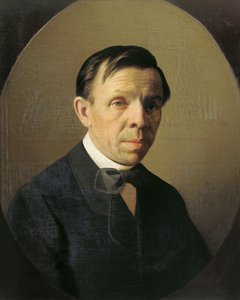
sergey konstantinovich zaryanko
1818 - 1871

