

 Pregledaj u prostoru
 Pošalji
 Podeli
 Detalji o delu

 Преузми
 Slični predmeti
 Rendgenski snimak
 Slajdovi
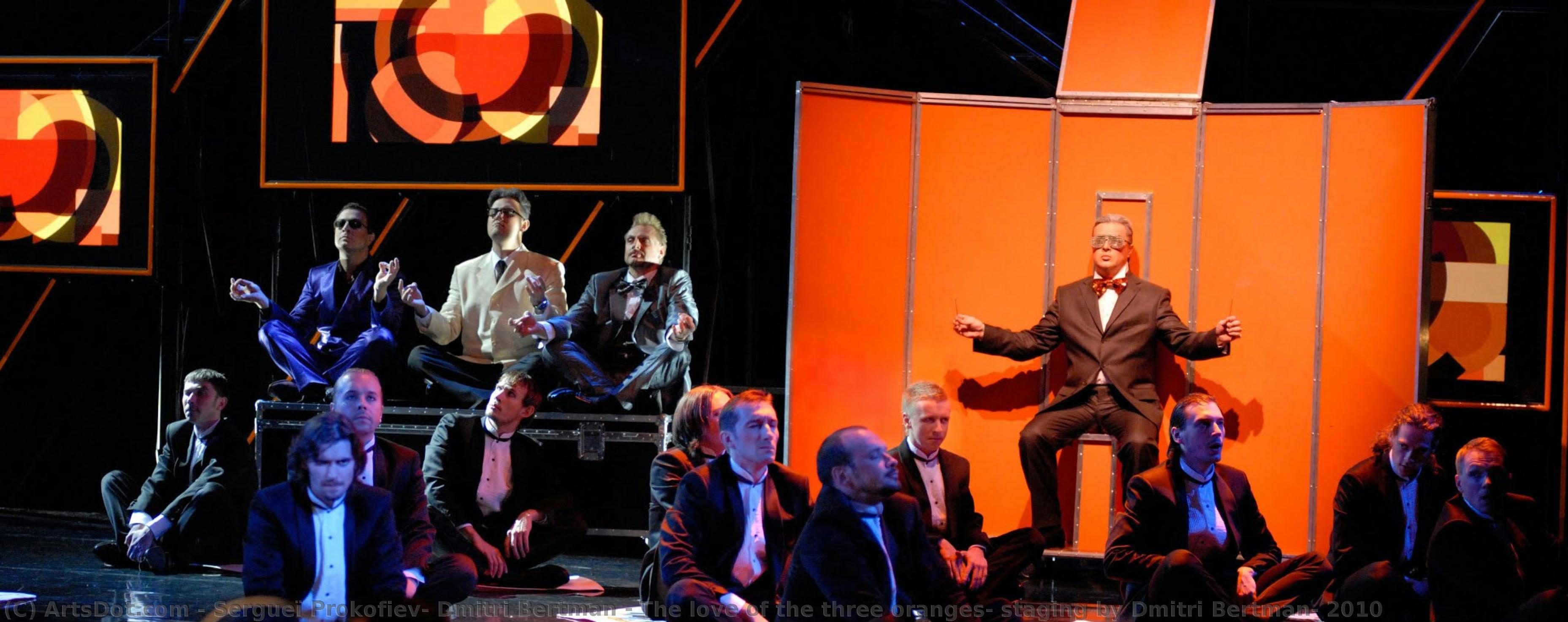
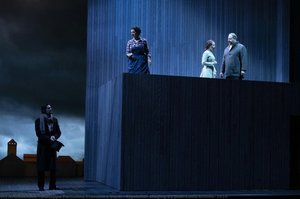
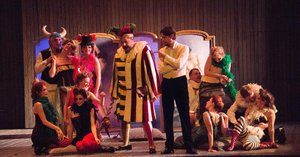
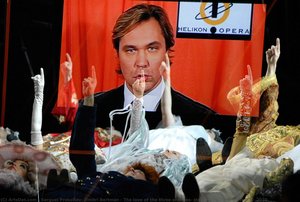
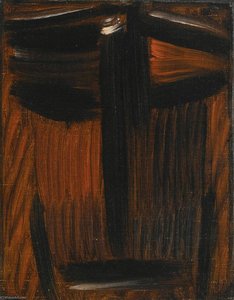
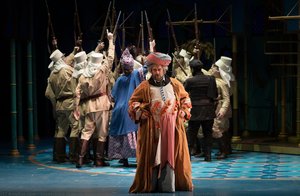
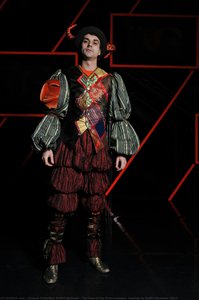
The love of the three oranges, staging by Dmitri Bertman, 2010


 Pročitaj više
Kupite digitalnu sliku visoke rezolucije i poboljšanog kvaliteta, koja je znatno superiornija od onoga što vidite u online prikazu.
Svaka datoteka je pedantno pripremljena od strane naših stručnjaka koristeći napredne alate i profesionalnu ručnu retušu. Osiguravamo da svaka slika ima izuzetnu oštrinu, preciznu reprodukciju boja i fine detalje.
Konačna datoteka se dostavlja putem e-pošte u roku od 72 sata, optimizovana za neposrednu upotrebu u profesionalnim, izdavačkim i štamparskim okruženjima. To je isti kvalitet kojem veruju vrhunski studiji dizajna, izdavači i galerije.
Digitalna slika
Preuzmite datoteku visoke rezolucije za ličnu upotrebu, štampanje i kreativne projekte. ( Kupi print Kupi ručno naslikanu sliku)
Uključeno uz svaku porudžbinu digitalne slike
Profesionalna digitalna isporuka, zagarantovana
Kada odaberete ArtsDot.com, ne dobijate samo sliku – vi primate profesionalno unapređeno digitalno umetničko delo, izrađeno sa najvećom preciznošću i uz garanciju zadovoljstva. Evo svega što automatski dolazi uz vašu porudžbinu:

Brza dostava putem e-pošte
Vaša digitalna slika visoke rezolucije biće vam poslata putem e-pošte u roku od 72 sata od poručivanja – spremna za trenutnu upotrebu.

Digitalna datoteka unapređena veštačkom inteligencijom
Vaše umetničko delo je profesionalno optimizovano korišćenjem naprednih AI alata i ručne obrade, čime se osiguravaju maksimalni detalji, oštrina i preciznost boja.

Besplatna ponovna isporuka doživotno
Slučajno ste obrisali ili izgubili svoju datoteku? Ne brinite – poslaćemo vam je ponovo u bilo kom trenutku, potpuno besplatno.

Bez troškova uvoza – zauvek
Uživajte u svojim umetničkim delima trenutno, bez carine, dažbina ili troškova dostave – digitalni download je uvek bez poreza.

Garancija vernosti boja
Uz pomoć profesionalnih alata i upravljanja bojama, osiguravamo da vaša digitalna slika što vernije odražava originalne boje.

Garancija zadovoljstva u roku od 60 dana
Ako niste zadovoljni svojom digitalnom slikom, revidirat ćemo je ili vratiti 100% novca u roku od 60 dana – bez ikakvih pitanja.

100% garancija povrata novca
Niste zadovoljni? Obezbedite pun povrat novca u roku od 60 dana od trenutka kada ste primili svoju digitalnu datoteku – bez suvišnih pitanja.

Popusti na velike porudžbine
Kupite 3 slike, uštedite 10% - Kupite 5 slika, uštedite 15% - Kupite 10+ slika, uštedite 20%. Odlično za kreativne projekte, galerije i agencije.
Srodna umetnička dela

Biografija umetnika
A Life Bridging Worlds: Sergei Prokofiev and the Theatrical Vision of Dmitri Bertman
Sergei Sergeyevich Prokofiev, born in 1891 in the small Ukrainian village of Sontsovka, was a titan of 20th-century music. His journey wasn’t one of simple progression but a fascinating negotiation between burgeoning modernism and enduring classical traditions. From his earliest childhood explorations at the piano – composing an opera by age nine – Prokofiev displayed a remarkable gift, a precocious talent that would soon challenge conventional musical boundaries. He was not merely a composer; he was a storyteller, a dramatist who believed deeply in music’s power to evoke vivid imagery and profound emotion. His initial training at the St. Petersburg Conservatory honed his formidable skills as both pianist and composer, but it also fostered a rebellious spirit that would define much of his early work.
Prokofiev emerged onto the scene with a distinctive voice – often dissonant, frequently percussive, always energetic. His compositions weren’t designed to soothe; they were intended to provoke, to challenge, and ultimately, to captivate through their sheer originality. Works like his first two piano concertos immediately established him as an iconoclast, a composer unafraid to push the boundaries of harmonic language and rhythmic complexity. However, this early notoriety didn’t translate into universal acclaim. He sought recognition not just for technical brilliance but for emotional depth, a quality that sometimes eluded audiences accustomed to more traditional forms.
The Operatic Impulse and Collaboration with Bertman
Throughout his career, Prokofiev harbored a deep passion for opera. It was in this genre that he felt most fully able to express his dramatic vision. While he composed seven completed operas, it was “The Love for Three Oranges” (1921) that truly cemented his reputation as an operatic innovator. The work, commissioned by the Chicago Opera, is a fantastical tale brimming with wit, satire, and musical inventiveness. It’s a story of Prince Calaf who must overcome the machinations of the sorcerer Truffaldino to find love, and it's a piece that demands both vocal virtuosity and theatrical flair.
This is where the collaboration with Dmitri Bertman becomes particularly significant. Bertman’s 2010 staging of “The Love for Three Oranges” wasn’t simply a revival; it was a radical reinterpretation that breathed new life into Prokofiev's masterpiece. Bertman, known for his bold and often provocative productions, understood the opera’s inherent theatricality – its blend of comedy, social commentary, and surreal imagery. His staging emphasized power dynamics and geometric precision, utilizing striking orange hues to create a visually arresting experience. The figures in formal attire, as depicted in ArtsDot's reproductions, are not merely characters but symbols representing broader societal forces.
Prokofiev’s Return to the Soviet Union and Mature Style
The 1930s marked a turning point for Prokofiev. The economic hardships of the Great Depression diminished opportunities in the West, leading him to increasingly seek commissions within the Soviet Union. His return to his homeland in 1936 was both a pragmatic decision and a reflection of his evolving artistic sensibilities. While navigating the complexities of Soviet cultural politics, he produced some of his most beloved works, including Lieutenant Kijé, Peter and the Wolf, and the ballet Romeo and Juliet. These pieces demonstrate a remarkable ability to blend accessibility with artistic integrity.
His later works, such as the Fifth Symphony (1944) and the operatic adaptation of Tolstoy’s War and Peace, reveal a composer at the height of his powers. The symphony, written during the tumultuous years of World War II, is a powerful statement of human resilience and hope. War and Peace, though fraught with challenges due to political pressures, remains a testament to Prokofiev’s ambition and dramatic vision.
Legacy and Enduring Influence
Sergei Prokofiev died in 1953, leaving behind a vast and diverse body of work that continues to inspire and challenge audiences today. His music is characterized by its unique blend of modernism and classical techniques, its lyrical beauty, and its dramatic power. He was a master orchestrator, capable of creating textures both delicate and overwhelming. His influence can be heard in the works of countless composers who followed him.
The collaborations with artists like Dmitri Bertman serve as a reminder that Prokofiev’s music is not static; it's open to interpretation and reinterpretation. Bertman’s staging of “The Love for Three Oranges” demonstrates how contemporary vision can illuminate the enduring relevance of Prokofiev’s work, revealing new layers of meaning and ensuring its continued vitality for generations to come. Prokofiev wasn’t just a composer; he was a theatrical visionary whose music continues to resonate with audiences worldwide.
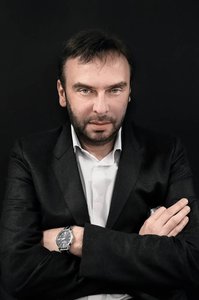
sergueï prokofiev, dmitri bertman
1891 - 1953 , Ukraine
Kratke činjenice
- Artistic Movement Or Style: Modernist music
- Date Of Birth: 1891
- Date Of Death: 1953
- Full Name: Sergei Prokofiev & Dmitri Bertman
- Nationality: Russian
- Notable Artworks: ['The Love for Three Oranges']
- Place Of Birth: Sontsovka, Ukraine

