

 Pregledaj u prostoru
 Pošalji
 Podeli
 Detalji o delu

 Преузми
 Slični predmeti
 Rendgenski snimak
 Slajdovi
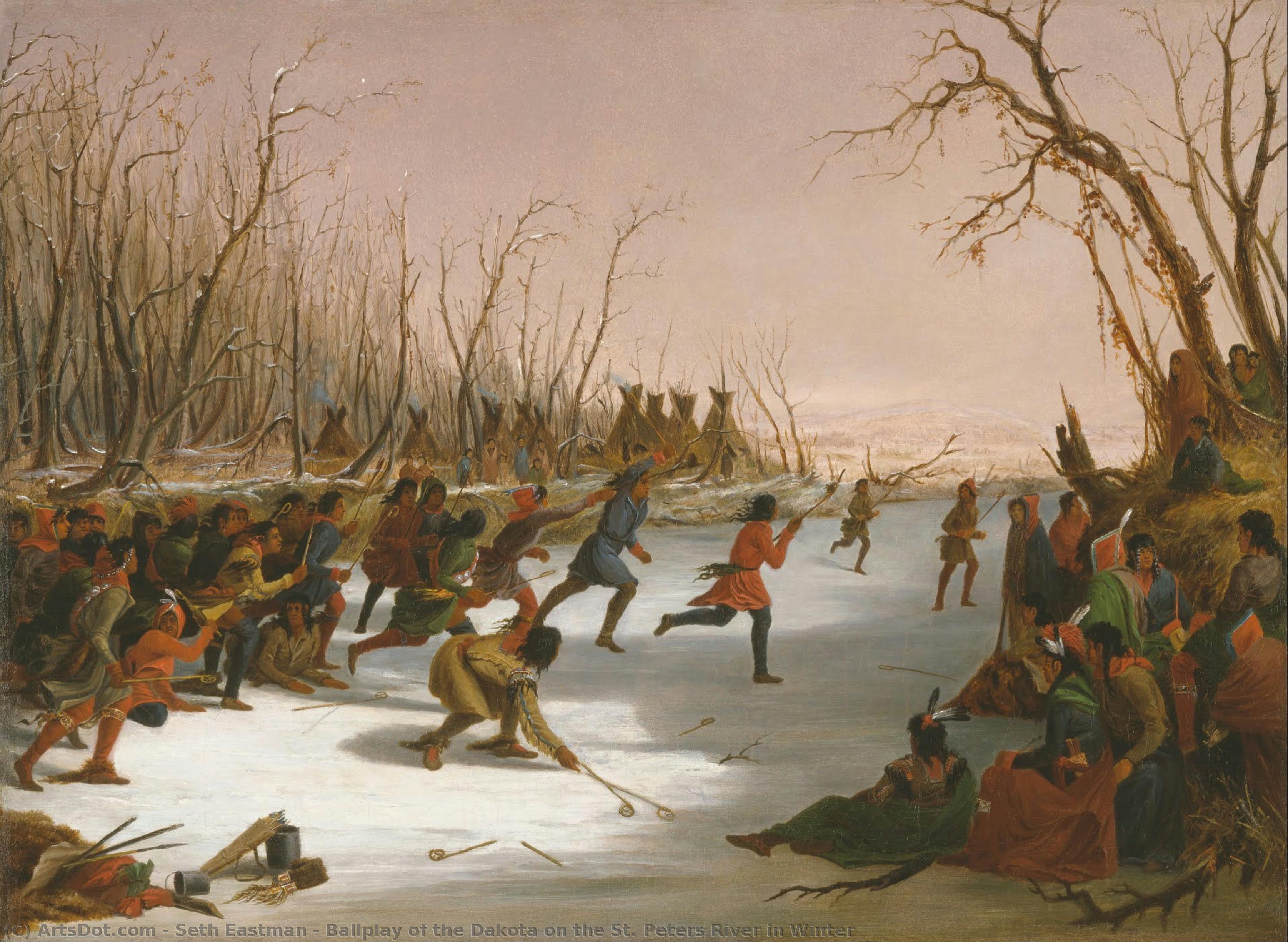
Ballplay of the Dakota on the St. Peters River in Winter
 Oil
Oil- WallArt
- Hudson River School
 1848
1848- 19th Century
 89.0 x 65.0 cm
 Amon Carter Museum of American Art
 Pročitaj više
Ručno rađena uljana reprodukcija
Ručno oslikano uljanim bojama na platnu u dimenzijama i okviru po vašem izboru, izrađeno po porudžbini od strane naših umetnika. ( Kupi print Kupi digitalnu sliku)




































Izaberite jednu od naših unapred definisanih veličina koje odgovaraju originalnim proporcijama umetničkog dela.

Можете унети сопствене димензије како бисте прилагодили дело одређеном оквиру или простору. Ако одабрана величина не одговара пропорцијама оригинала, слика ће бити исечена или проширена додатним елементима који се ручно насликавају. Дигитални prikaz ће вам бити послат на одобрење пре почетка производње.
Имајте на уму да преглед на екрану не одражава стварно исецање или проширење. Само приказ (mockup) ће тачно приказати коначну композицију.
Иако су доступне прилагођене величине, препоручујемо да одаберете димензију из дефинисане листе како бисте сачували оригиналне пропорције.
Nakon narudžbine, tim ArtsDot.com će klijentu putem e-pošte poslati uputstva i dostaviti prikaz predloženog rešenja
Isporuka širom sveta () za 3/4 nedelje umesto uobičajenih 5 nedelja. (4 септембар). Bez kompromisa po pitanju kvaliteta.

Besplatna ekspresna dostava širom sveta

Visokokvalitetno laneno platno

Kompletno osiguranje transporta

Garancija povraćaja carine i uvoznih dažbina

Garancija vernosti boja

Politika povrata u roku od 60 dana (samo u slučaju nedostataka)

Garancija povrata novca od 100%

Popust pri grupnoj kupovini
 Opcija sa staklom dostupna je samo za dimenzije manje od 110 cm

Ballplay of the Dakota on the St. Peters River in Winter
Tehnika reprodukcije
Dimenzije reprodukcije
-


Konačna cena
$ 263
A Frozen Moment in Frontier History
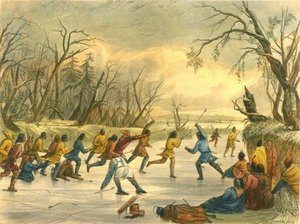
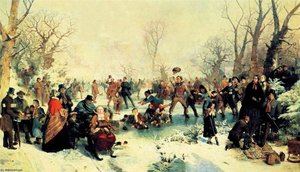
In the quiet, biting chill of an 1848 winter, Seth Eastman captured more than just a landscape; he immortalized a vibrant pulse of life amidst the frost. Ballplay of the Dakota on the St. Peters River in Winter serves as a breathtaking window into a vanished era, where the frozen expanse of the river becomes a stage for communal joy and athletic prowess. The painting depicts a spirited game of what would later be known as hockey, played by the Dakota people with an intensity that defies the sub-zero temperatures. As viewers gaze upon the scene, they are drawn into a whirlwind of motion, where players glide across the ice, their silhouettes etched against the stark, wintry backdrop. The composition is masterfully populated, featuring at least thirteen individuals whose varied postures—some leaning into a stride, others watching from the periphery—create a sense of deep, immersive movement.
The artistry of Eastman lies in his ability to blend the meticulous observational skills of a soldier-explorer with the romantic sensibilities of the Hudson River School. His technique allows the viewer to feel the crispness of the air and the slippery texture of the ice. Through delicate brushwork, he renders the subtle details of the era: the presence of a horse standing sentinel near the riverbank, the specialized use of skis for mobility on snow, and the rugged attire designed to withstand the harsh Midwestern elements. This is not merely a static portrait of a game; it is a dynamic narrative of adaptation and resilience, showcasing how the Dakota people transformed a challenging environment into a playground of cultural expression.
The Soul of the American Frontier
Beyond its technical brilliance, this masterpiece carries profound historical weight. As an officer who navigated the complexities of the American frontier, Eastman possessed a rare, firsthand intimacy with his subjects. Unlike many contemporary artists who viewed Native American life through a lens of distant myth, Eastman’s work is grounded in ethnographic truth. Every figure in this painting contributes to a larger story of survival and community. The symbolism of the game itself—the pursuit of a shared goal amidst a landscape that could be unforicately lethal—mirrors the endurance of the Dakota spirit. For the collector or interior designer, this piece offers more than just aesthetic beauty; it provides a conversation piece that speaks to the themes of heritage, strength, and the enduring human connection to the land.
Integrating a high-quality reproduction of this work into a curated space brings an atmosphere of historical depth and quiet drama. The cool tones of the frozen river and the muted winter palette provide a sophisticated anchor for modern or classical interiors, offering a sense of calm that is simultaneously energized by the underlying action of the scene. It is an invitation to reflect on the layers of history beneath our feet and to celebrate the beauty found in the most rugged of circumstances. To possess this painting is to hold a fragment of the American wilderness, preserved forever in a moment of triumph and play.
Srodna umetnička dela
Biografija umetnika
The Dual Vision of a Frontier Chronicler
Seth Eastman lived a life defined by the striking duality of the sword and the brush. As a West Point graduate and a distinguished officer in the United States Army, his early years were forged in the crucible of military discipline and the rugged expanses of the American frontier. During the Mexican-American War, Eastman did not merely navigate challenging terrains as a soldier; he observed them with the keen, analytical eye of a mapmaker. This period of service, marked by bravery and leadership, provided him with a unique vantage point—a perspective that blended the strategic precision of a military officer with the profound sensitivity of an artist.His journey through the Dakota Territory and his command positions within the expanding West allowed him to witness the dramatic shifts of a nation in motion. While his military career saw him rise through the ranks to become a Lieutenant Colonel, it was his quiet moments of observation that would ultimately secure his place in the annals of American art history.
A Witness to Vanishing Worlds
Perhaps Eastman’s most enduring contribution to the American identity is his role as an ethnographic chronicler. Tasked by Congress with documenting the lives of Native American tribes following the Treaty of Fort Laramie, he undertook arduous expeditions that were as much scientific endeavors as they were artistic ones. His work for Henry Rowe Schoolcraft’s monumental six-volume study stands as a testament to his commitment to accuracy and detail. Through his hundreds of illustrations, Eastman captured the rhythmic pulse of the Sioux tribes in Minnesota and South and Dakota—documenting hunting rituals, sacred ceremonies, and the dignified portraits of tribal elders with an uncompromising realism.These works are more than mere illustrations; they are windows into a way of life that was being irrevocably altered by the tides of westward expansion. In his depictions of communal joy, such as the spirited ballplay of the Dakota on the frozen St. Peters River, or the quiet dignity of daily survival, Eastman imbued his subjects with a humanity that transcended the colonial gaze. He possessed a rare ability to translate the ephemeral moments of frontier life into permanent visual records, ensuring that the vibrant culture of the Plains peoples would not be lost to the shadows of history. His brush served as a bridge between the known and the unknown, capturing the essence of a world in transition.
The Hudson River Legacy and the Golden West
Artistically, Eastman was deeply rooted in the Hudson River School tradition, a movement characterized by its reverence for the sublime power of nature. His style reflected the meticulous attention to detail and the luminous quality of light that defined his contemporaries, such as Thomas Moran. This influence is evident in his ability to render the landscape not just as a backdrop, but as a living, breathing protagonist in the American story.This mastery of light and texture extended even to his explorations of the California frontier. In his delicate watercolors depicting the Yokuts people within the San Joaquin Valley, Eastman demonstrated an extraordinary capacity for capturing the translucent layers of the natural world. Whether portraying the purposeful movement of women gathering grass seed or the sweeping vistas of a golden valley, his work remained anchored in a profound connection to the earth. Through this seamless blend of military precision and artistic lyricism, Seth Eastman remains a singular figure—a man who mapped the land and, in doing so, captured its very soul.
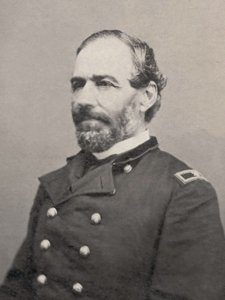
seth eastman
1808 - 1875
Osnovne informacije
- Artistic Movement Or Style: Hudson River School
- Artists Who Influenced This Artist:
- Hudson George Frederic Watts
- Thomas Cole
- Date Of Birth: 1808
- Date Of Death: 1875
- Full Name: Seth Eastman
- Nationality: American
- Notable Artworks:
- Fort Laramie Expedition Landscape
- Dakota War I: Battle of Birch Bark Grove
- The Death Scene
- Place Of Birth: Pittsfield, Massachusetts
Povezani članci
Pixelated Prestige: Exploring Scarcity, Value, and Cultural Impact in Limited Edition Gaming Paintings
Explore the world of limited edition gaming paintings! Discover investment strategies, artist insights & preservation tips for collectors. Trusted expertise in rare video game art.

Iznad Piksela i Igre: Estetski i Identitetski Značaj Gejming Umetnosti za Modernog Kolekcionara
Istražite svet gejming umetnosti! Ekskluzivna analiza kolekcionarskih predmeta, trendova i investicionih mogućnosti. Saveti stručnjaka za modernog kolekcionara.
Pixel & Palette: Exploring the Artistic Craftsmanship of Hand-Painted Game Universes and the Artists Who Bring Them to Life
Explore the artistry of hand-painted game universes! Discover techniques, artists & history behind this unique style. Expert insights for collectors & developers.

Pikseli na trotoaru: Estetska revolucija video igara i savremena vizuelna kultura
Istražite kako su video igre revolucionirale vizuelnu kulturu i uticale na umetnost, modu i dizajn. Analiziramo trendove, estetiku indie igara poput Limbo i budućnost interaktivnog stila.
Bridging Realities: Exploring Aesthetic Crossovers Between Video Game Universes and Fine Art Traditions
Explore the fascinating intersection of video game aesthetics & fine art traditions. Discover how gaming influences design, collect iconic art reproductions, and elevate your space with expert guidance from ArtsDot.

