

 Pošalji
 Podeli
 Detalji o delu

 Преузми
 Slični predmeti
 Slajdovi
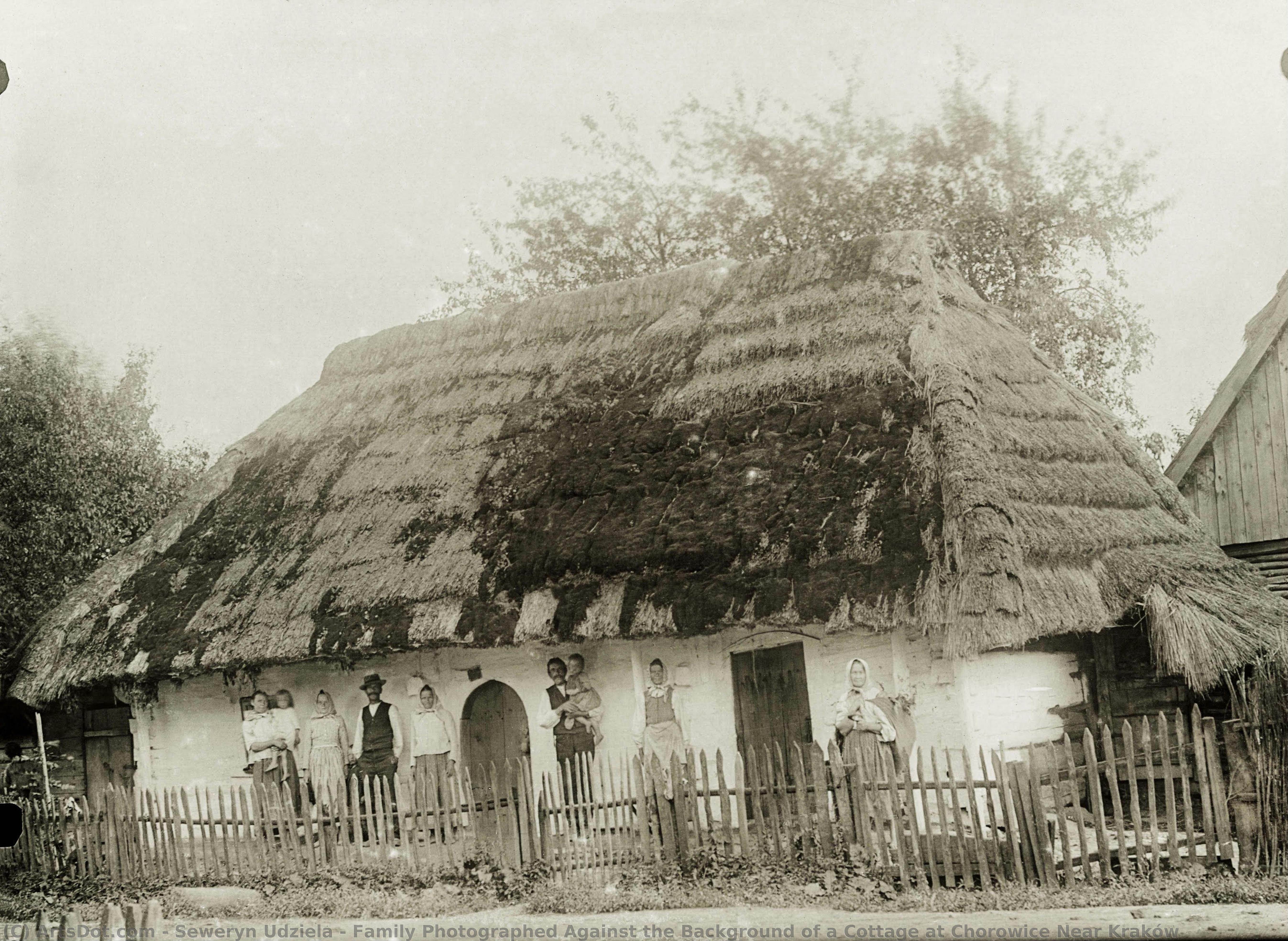
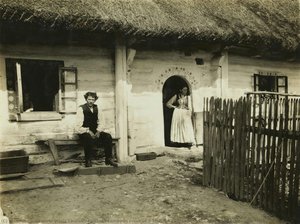
Family Photographed Against the Background of a Cottage at Chorowice Near Kraków


 Pročitaj više
Giclee štampa / Umetnički otisak
Giclée štampa ili print na platnu muzejskog kvaliteta uz brzu proizvodnju i fleksibilne opcije završne obrade. ( Kupi ručno naslikanu sliku Kupi digitalnu sliku)




































Izaberite jednu od naših unapred definisanih veličina koje odgovaraju originalnim proporcijama umetničkog dela.

Možete uneti sopstvene dimenzije kako biste umetničko delo prilagodili specifičnom okviru ili prostoru. Ako odabrani format ne odgovara proporcijama originalne slike, mi ćemo ili iscrtati deo dela ili proširiti sliku pomoću ogledane ivice ili jednobojnog popunjavanja. Digitalni prikaz će vam biti poslat na odobrenje pre početka proizvodnje.
Imajte na umu da pregled na ekranu ne odražava stvarno iscrtavanje ili proširivanje. Samo će prikaz (mockup) precizno pokazati finalnu kompoziciju.
Iako su prilagođene dimenzije dostupne, preporučujemo da odaberete dimenziju sa unapred definisane liste kako biste očuvali originalne proporcije.
Dostava širom sveta () za 2 nedelje umesto uobičajenih 4/5 nedelja. (5 септембар)

Besplatna ekspresna dostava širom sveta

Visokokvalitetno laneno platno

Kompletno osiguranje transporta

Garancija povraćaja carine i uvoznih dažbina

Garancija vernosti boja

Politika povrata u roku od 60 dana (samo u slučaju nedostataka)

Garancija povrata novca od 100%

Popust pri grupnoj kupovini
 Opcija sa staklom dostupna je samo za dimenzije manje od 110 cm

Family Photographed Against the Background of a Cottage at Chorowice Near Kraków
Giclee štampa / Umetnički otisak
Dimenzije reprodukcije
-


Konačna cena
$ 62
Srodna umetnička dela
Biografija umetnika
Seweryn Udziel: A Pioneer of Polish Ethnography
Seweryn Udziel (December 24, 1857 – September 26, 1937) stands as a pivotal figure in the annals of Polish scholarship and cultural heritage. Born in Stary Sącz, Galicia—then part of Austro-Hungarian Empire—his life was dedicated to meticulously documenting and preserving the traditions of rural Poland, leaving an indelible mark on the field of ethnography and shaping the trajectory of Polish museum studies. His unwavering commitment to fieldwork combined with his scholarly rigor established him as one of the foremost researchers of his time.- Early Life & Education: Udziel’s formative years were spent in Stary Sącz, where he received a solid grounding in classical education. Recognizing his aptitude for teaching and research, he pursued advanced studies at Kraków University, specializing in philology and history—disciplines that would prove invaluable to his subsequent ethnographic endeavors.
- Career as Educator & Inspector: Following graduation, Udziel embarked on a distinguished career as a teacher and inspector of education across Galicia. This role afforded him unparalleled access to the communities he wished to study, allowing him to observe daily life firsthand and gather invaluable oral histories that would become central to his research.
The Pursuit of Ethnographic Knowledge: Method & Scope
Udziel’s methodological approach was characterized by a blend of meticulous observation and systematic documentation. Rejecting prevailing positivist tendencies, he embraced a humanist perspective, recognizing the importance of understanding cultural practices from within their social context. He employed techniques such as participant observation—actively engaging in the activities of rural communities—combined with detailed interviews and analysis of folklore materials—songs, tales, rituals—to reconstruct the worldview of Polish peasants. His magnum opus, “Lud Polski w Powietcu Ropczyckim w Galicji” (“The Polish People in Ropczyce County in Galicia”), remains a cornerstone of ethnographic scholarship, offering an unparalleled portrait of rural life during the Austro-Hungarian period.- Notable Works: Beyond “Lud Polski,” Udziel authored numerous articles and monographs exploring diverse aspects of Polish culture, including peasant customs, religious beliefs, and artistic traditions. His writings were distinguished by their scholarly precision and sensitivity to cultural nuances.
- Contribution to Museum Studies: Recognizing the crucial role of museums in safeguarding cultural heritage, Udziel actively championed the establishment of the Ethnographic Museum in Kraków. He generously donated his extensive collection of ethnographic artifacts—representing a remarkable trove of Polish folk art—to bolster its holdings and ensure its continued vitality.
Influence & Legacy
Seweryn Udziel’s pioneering work profoundly impacted the development of ethnography and folkloristics in Poland. He established a paradigm for ethnographic research that prioritized empathy, contextual understanding, and respect for cultural diversity—principles that continue to resonate within contemporary scholarship. His meticulous documentation of rural traditions served as inspiration for subsequent generations of researchers and contributed significantly to shaping Polish national identity. Furthermore, his dedication to preserving cultural heritage through museum philanthropy cemented his place as a visionary humanist who recognized the importance of safeguarding Poland’s rich artistic and folkloric traditions for posterity.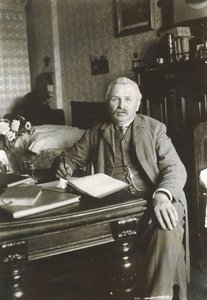
seweryn udziela
1857 - 1937 , Poland
Osnovne informacije
- Artistic Movement Or Style: Ethnography
- Date Of Birth: December 24, 1857
- Date Of Death: September 26, 1937
- Full Name: Seweryn Udziel
- Nationality: Polish
- Notable Artworks: ['Lud Polski w Powiecie Ropczyckim w Galicji']
- Place Of Birth: Stary Sącz, Poland
Povezani članci

Dark Masterpieces: 10 Iconic Paintings Dominated by Black Tones |
Explore 10 iconic paintings dominated by black tones, from Rembrandt’s chiaroscuro to Goya's dark expressions. Discover the stories behind these masterpieces & find museum-quality art reproductions for your home at .
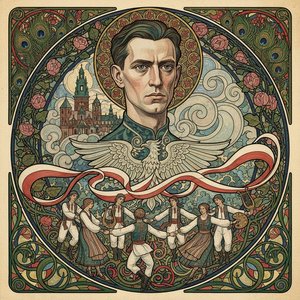
Stanisław Wyspiański: Symbolism, National Identity & the Polish Secession
Explore the life & work of Stanisław Wyspiański, a pivotal figure in Polish Symbolism and the Young Poland movement. Discover his iconic paintings, dramas, and stained glass designs reflecting national identity & artistic innovation.
Mars Black Masterpieces: 10 Iconic Paintings & Timeless Art Decor Ideas
Delve into the power of 'Mars Black' with 10 iconic paintings by masters like Rembrandt & Caravaggio. Explore dramatic chiaroscuro, gothic art, and timeless beauty. Find museum-quality reproductions & elevate your home decor on .
Evolving Portraits: Personalized Art as a Chronicle of Family Life Across Generations
Create a timeless family legacy with custom portraits! ArtsDot connects you with skilled artists for heirloom-quality paintings & prints. Explore styles, commission your unique artwork today.
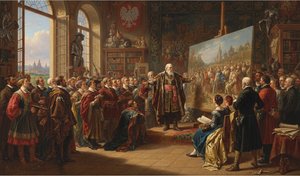
Jan Matejko: Historical Narrative & National Identity in 19th-Century Polish Painting
Explore the powerful historical paintings of Jan Matejko, Poland's national artist. Discover his iconic works & learn how he shaped Polish identity in the 19th century. High-quality reproductions available.

