

 Pregledaj u prostoru
 Pošalji
 Podeli
 Detalji o delu

 Преузми
 Slični predmeti
 Rendgenski snimak
 Slajdovi
 Stats
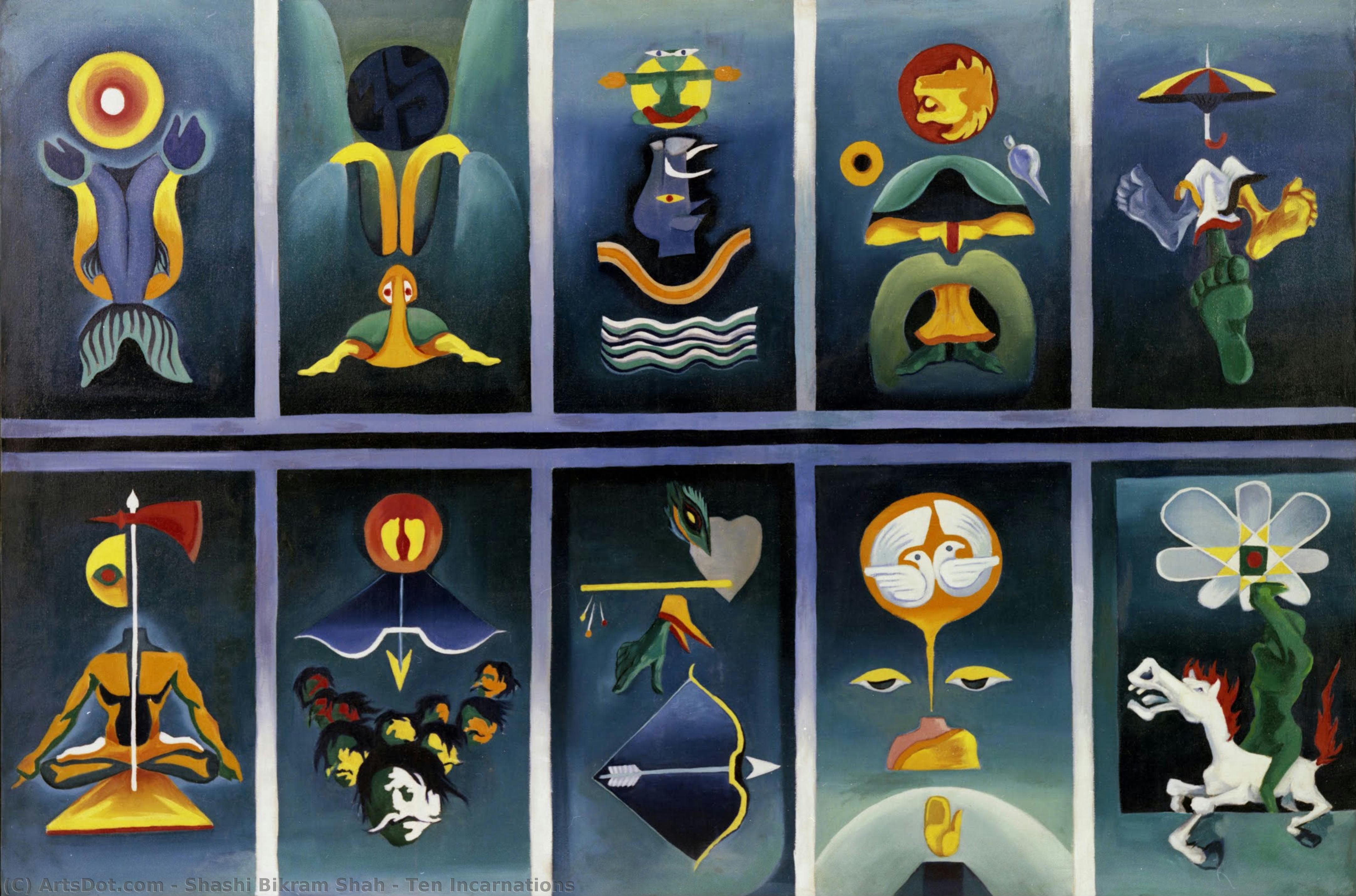
StatsTen Incarnations
 Surrealism
 153.0 x 103.0 cm
 Fukuoka Asian Art Museum
 Pročitaj više
Ručno rađena uljana reprodukcija
Ručno oslikano uljanim bojama na platnu u dimenzijama i okviru po vašem izboru, izrađeno po porudžbini od strane naših umetnika. ( Switch to Print Switch to Digital Image)




































Izaberite jednu od naših unapred definisanih veličina koje odgovaraju originalnim proporcijama umetničkog dela.

Можете унети сопствене димензије како бисте прилагодили дело одређеном оквиру или простору. Ако одабрана величина не одговара пропорцијама оригинала, слика ће бити исечена или проширена додатним елементима који се ручно насликавају. Дигитални prikaz ће вам бити послат на одобрење пре почетка производње.
Имајте на уму да преглед на екрану не одражава стварно исецање или проширење. Само приказ (mockup) ће тачно приказати коначну композицију.
Иако су доступне прилагођене величине, препоручујемо да одаберете димензију из дефинисане листе како бисте сачували оригиналне пропорције.
Nakon narudžbine, tim ArtsDot.com će klijentu putem e-pošte poslati uputstva i dostaviti prikaz predloženog rešenja
Isporuka širom sveta () za 3/4 nedelje umesto uobičajenih 5 nedelja. (8 септембар). Bez kompromisa po pitanju kvaliteta.

Besplatna ekspresna dostava širom sveta

Visokokvalitetno laneno platno

Kompletno osiguranje transporta

Garancija povraćaja carine i uvoznih dažbina

Garancija vernosti boja

Politika povraćaja u roku od 100 dana (isključivo u slučaju nedostataka)

Garancija povrata novca od 100%

Popust pri grupnoj kupovini
 Opcija sa staklom dostupna je samo za dimenzije manje od 110 cm

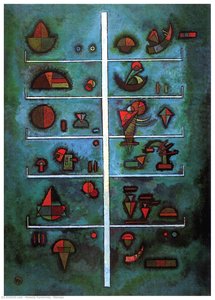
Ten Incarnations
Tehnika reprodukcije
Dimenzije reprodukcije
-


Konačna cena
$ 263
Srodna umetnička dela
Biografija umetnika
Shashi Bikram Shah: A Visionary Voice of Nepali Modernism
Shashi Bikram Shah (born 1940) stands as one of Nepal’s foremost contemporary artists, a beacon of modernist painting and a profound interpreter of Hindu mythology. His lifelong dedication to artistic exploration began in Kathmandu, nurtured by familial encouragement for creative pursuits and solidified by a scholarship to the Sir J.J. School of Art in Mumbai—a formative experience that exposed him to the groundbreaking works of Impressionists and Surrealists. This exposure irrevocably shaped his artistic vision, propelling him toward a singular path characterized by unwavering commitment to conveying suffering and distilling complex theological concepts into striking visual narratives.- Early Influences & Education: Shah’s initial artistic grounding occurred at Durbar High School in Kathmandu, where he cultivated an appreciation for art alongside fellow students who largely eschewed formal artistic training. However, his academic journey took a decisive turn when he secured a prestigious scholarship to Mumbai's Sir J.J. School of Art, immersing himself in the intellectual currents of Western art history and encountering influential teachers who broadened his perspective on artistic practice.
- The Surrealist Resonance: The influence of Surrealism was palpable in Shah’s early canvases—characterized by elongated human figures suspended in ethereal realms—demonstrating a deliberate departure from conventional Nepalese artistic traditions. This stylistic choice reflected a broader engagement with avant-garde movements and signaled an intention to transcend representational realism.
- Mythological Exploration & The Kalki Avatar: Shah’s artistic core revolves around the exploration of Hindu mythology, particularly the Dashavatar—the ten incarnations of Vishnu—and prominently features the Kalki avatar—a horse symbolizing the Kali Yuga, the current epoch marked by spiritual decline and moral decay. He consistently employs this imagery as a metaphor for confronting existential anxieties and grappling with universal themes of suffering and salvation.
The SKIB Collective & Kathmandu’s Artistic Renaissance
Shah's artistic trajectory gained momentum through his involvement in SKIB (Society for Kinetic Art), Nepal, established in 1971—a collective that spearheaded the revival of modernist art in Kathmandu. Alongside Krishna Manandhar, Indra Pradhan, Batsa Gopal Vaidya and others, Shah championed innovative artistic approaches and fostered a vibrant intellectual environment. The SKIB group’s ethos prioritized self-funding exhibitions and drew inspiration from the burgeoning cultural landscape of Nepal during the 1960s and 70s—a period characterized by significant liberalization and exposure to global influences. This collective served as a catalyst for disseminating new ideas across disciplines, including literature, art, music, and film, fundamentally reshaping Kathmandu’s artistic identity.- Notable Exhibitions: Shah's solo exhibitions began in 1968 at NAFA Gallery, followed by one at Triveni Kala Sangam in Delhi in 1971. A retrospective showcasing his oeuvre was held at Siddhartha Art gallery in 2001.
- International Recognition: His work gained international acclaim through participation in events such as EXPO Japan 1970, the National Art Exhibition organized by NAFA Gallery, and exhibitions at Triveni Kala Sangam, New Delhi; the Biennale Exhibition Dhaka Bangladesh; and Asian Art Shows in Fukuoka and Seoul.
- Institutional Roles: Shah served as Campus Chief of Fine Arts Campus and Sirjana College of Fine Arts, demonstrating his dedication to nurturing artistic talent and fostering educational excellence. He was also a member of Faculty Board-Institute of Humanities and Social Science T.U., Vice President of Artists’ Society of Nepal, Chairman of Subject Committee of Paintings and Sculpture, T.U., and served on the Advisory Board of Sirjana Contemporary Art Gallery.
A Legacy Defined by Symbolism & Reflection
Shah's artistic legacy extends beyond individual artworks; it embodies a profound engagement with Nepal’s cultural heritage and its evolving relationship with the wider world. His monumental series “Ten Incarnations,” depicting Vishnu’s avatars in a stark grid, exemplifies his masterful blend of surrealist aesthetics and mythological symbolism—a stylistic hallmark that distinguishes his oeuvre. Furthermore, Tate Etc recognized Shah's contribution to contemporary art by showcasing his Royal Massacre Series – 15 double-sided works on newspaper responding to the tragic assassination of Nepal’s royal family in June 2001. This series powerfully communicates Shah’s artistic vision and underscores his commitment to confronting complex social realities through evocative imagery rooted in Hindu iconography. His enduring influence continues to inspire artists and scholars alike, cementing his place as a pivotal figure in Nepal's artistic history.
shashi bikram shah
1940 - , Nepal
Osnovne informacije
- Artistic Movement Or Style: Modernist Painting
- Artists Or Movements Influenced By This Artist: ['Hindu Mythology']
- Artists Who Influenced This Artist:
- Impressionists
- Surrealists
- Date Of Birth: 1940
- Full Name: Shashi Bikram Shah
- Nationality: Nepali
- Notable Artworks:
- Ten Incarnations
- Royal Massacre Series
- Place Of Birth: Kathmandu, Nepal
Povezani članci

Top 10 dela geometrijske apstrakcije koje morate videti | ArtsDot.com
Istražite 10 remek-dela geometrijske apstrakcije – Mondrian, Malevič i Kandinski. Otkrijte priče iza ovih ikoničnih slika i pronađite inspiraciju za dekoraciju enterijera sa ArtsDot.com! Reprodukcije vrhunskog kvaliteta.

Romantic Realism's Finest: 10 Masterpieces for Your Home | ArtsDot
Explore 10 defining masterpieces of Romantic Realism! Discover Courbet, Millet & Daumier's powerful paintings—capturing emotion and social realities. Find museum-quality reproductions for your home at ArtsDot.com.
Top 10 Remek-dela Impresionizma koji su Značili Revoluciju u Umetnosti | ArtsDot
Uronite u svet impresionizma! Otkrijte 10 remek-dela Moneta, Renoara, Degasa i Van Goga. Istorija umetnosti, tehnike slikanja i inspiracija za dekoraciju enterijera. Kvalitetne reprodukcije na ArtsDot.com.
Echoes of Olympus: Mythological Narratives in Western Art Through the Ages
Explore the captivating history of mythological narratives in Western art! From ancient Greece to modern masterpieces, discover iconic artworks & symbolism. Expert analysis and high-quality reproductions at ArtsDot.
Tkajući Lične Mitosove u Simboličke Forme: Naručivanje Uljanih Slika kao Izraz Individualne Mitologije
Naručite unikatnu uljanu sliku koja odražava vaš lični mitos! Ekskluzivni umetnici, vrhunski kvalitet i personalizovani pristup. Investirajte u umetničko delo koje će trajati generacijama.