

 Pregledaj u prostoru
 Pošalji
 Podeli
 Detalji o delu

 Преузми
 Slični predmeti
 Rendgenski snimak
 Slajdovi
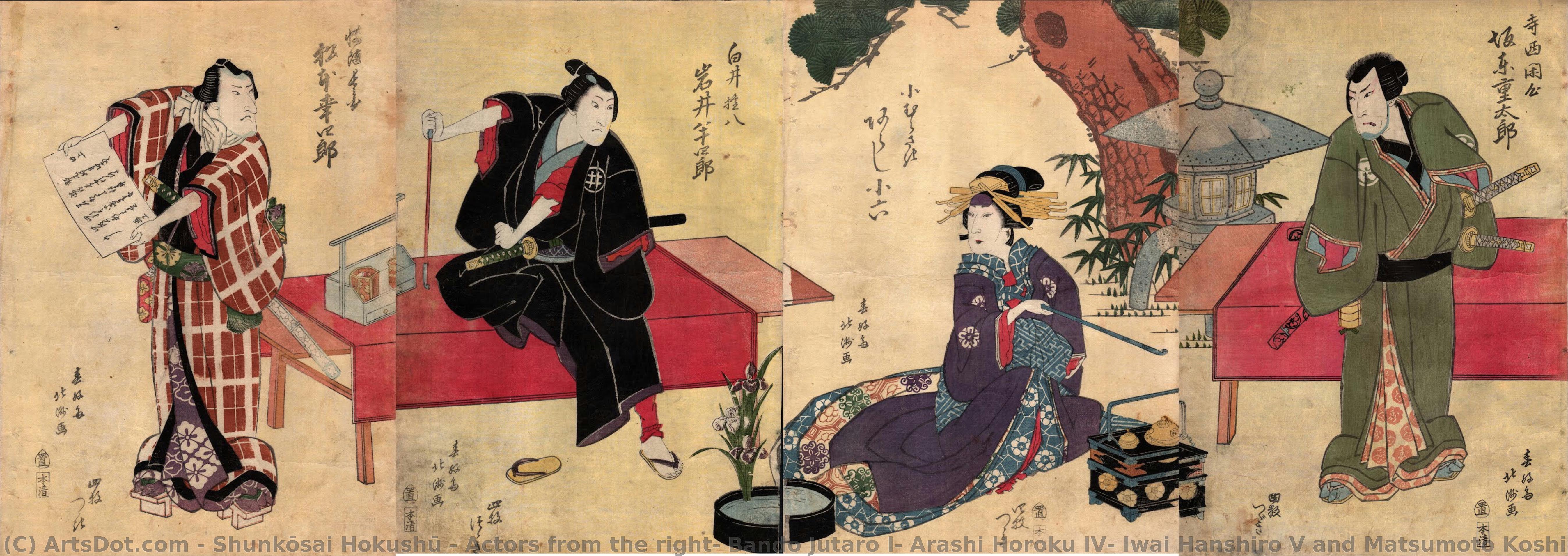
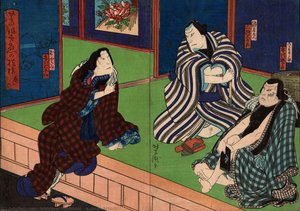
Actors from the right, Bando Jutaro I, Arashi Horoku IV, Iwai Hanshiro V and Matsumoto Koshiro V
 Woodblock Print
- Ukiyo-e
 1821
1821- 19th Century
 38.0 x 104.0 cm
 Bujalance Collection
 Pročitaj više
Kupite digitalnu sliku visoke rezolucije i poboljšanog kvaliteta, koja je znatno superiornija od onoga što vidite u online prikazu.
Svaka datoteka je pedantno pripremljena od strane naših stručnjaka koristeći napredne alate i profesionalnu ručnu retušu. Osiguravamo da svaka slika ima izuzetnu oštrinu, preciznu reprodukciju boja i fine detalje.
Konačna datoteka se dostavlja putem e-pošte u roku od 72 sata, optimizovana za neposrednu upotrebu u profesionalnim, izdavačkim i štamparskim okruženjima. To je isti kvalitet kojem veruju vrhunski studiji dizajna, izdavači i galerije.
Digitalna slika
Preuzmite datoteku visoke rezolucije za ličnu upotrebu, štampanje i kreativne projekte. ( Kupi print Kupi ručno naslikanu sliku)
Uključeno uz svaku porudžbinu digitalne slike
Profesionalna digitalna isporuka, zagarantovana
Kada odaberete ArtsDot.com, ne dobijate samo sliku – vi primate profesionalno unapređeno digitalno umetničko delo, izrađeno sa najvećom preciznošću i uz garanciju zadovoljstva. Evo svega što automatski dolazi uz vašu porudžbinu:

Brza dostava putem e-pošte
Vaša digitalna slika visoke rezolucije biće vam poslata putem e-pošte u roku od 72 sata od poručivanja – spremna za trenutnu upotrebu.

Digitalna datoteka unapređena veštačkom inteligencijom
Vaše umetničko delo je profesionalno optimizovano korišćenjem naprednih AI alata i ručne obrade, čime se osiguravaju maksimalni detalji, oštrina i preciznost boja.

Besplatna ponovna isporuka doživotno
Slučajno ste obrisali ili izgubili svoju datoteku? Ne brinite – poslaćemo vam je ponovo u bilo kom trenutku, potpuno besplatno.

Bez troškova uvoza – zauvek
Uživajte u svojim umetničkim delima trenutno, bez carine, dažbina ili troškova dostave – digitalni download je uvek bez poreza.

Garancija vernosti boja
Uz pomoć profesionalnih alata i upravljanja bojama, osiguravamo da vaša digitalna slika što vernije odražava originalne boje.

Garancija zadovoljstva u roku od 60 dana
Ako niste zadovoljni svojom digitalnom slikom, revidirat ćemo je ili vratiti 100% novca u roku od 60 dana – bez ikakvih pitanja.

100% garancija povrata novca
Niste zadovoljni? Obezbedite pun povrat novca u roku od 60 dana od trenutka kada ste primili svoju digitalnu datoteku – bez suvišnih pitanja.

Popusti na velike porudžbine
Kupite 3 slike, uštedite 10% - Kupite 5 slika, uštedite 15% - Kupite 10+ slika, uštedite 20%. Odlično za kreativne projekte, galerije i agencije.
Opis kolekcionarskog dela
Srodna umetnička dela
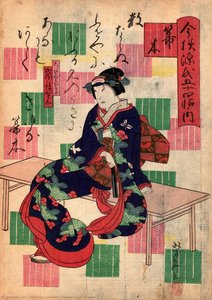
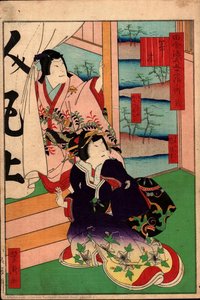
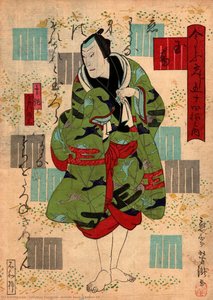
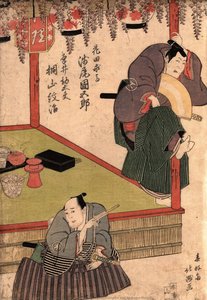
Biografija umetnika
Shunkōsai Hokushū: The Osaka Style’s Quiet Maestro
Shunkōsai Hokuchō (春曙斎 北頂), born around 1802 in Osaka, Japan, stands as a fascinating figure within the vibrant tapestry of Edo-period art history. Though overshadowed by contemporaries like Hokusai and Hiroshige—whose flamboyant landscapes captivated audiences—Hokuchō carved out a distinctive niche as a producer of *kabuki* actor prints, establishing what is now known as the Osaka style (*kamigata-e*) and leaving an indelible mark on Japanese visual culture. His legacy resides not in grand spectacle but in meticulous detail and a profound understanding of theatrical performance.- Early Life & Training: Hokuchō’s formative years were spent under the tutelage of Shunkōsai Hambei, a respected Osaka artist who instilled in him foundational skills in woodblock printing and design. While Hambei's influence is undeniable, scholarly debate persists regarding whether Hokuchō also studied with Hokusai himself—a connection that would have undoubtedly broadened his artistic horizons.
- The Osaka Style Emerges: Unlike the Edo-period’s dominant trend of producing prints in Tokyo, Hokuchō remained firmly rooted in Osaka. This geographical location fostered a unique aesthetic sensibility characterized by subdued palettes – predominantly yellows—and an unwavering focus on capturing the essence of *kabuki* actors onstage. The Osaka style prioritized conveying emotion and immediacy rather than striving for idealized representations.
- Collaborations & Patronage: Hokuchō’s artistic endeavors flourished thanks to fruitful collaborations with skilled woodblock carvers like Kasuke, one of Osaka's most celebrated artisans. These partnerships ensured the highest quality prints were produced, reflecting Hokuchō’s commitment to excellence and securing his place within Osaka’s artistic elite.
Notable Works & Artistic Technique
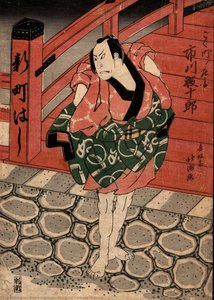
Hokuchō’s oeuvre is relatively modest compared to other prominent artists of his time—approximately 30 prints survive—yet each piece exemplifies the hallmarks of the Osaka style. His prints depict iconic *kabuki* performers, meticulously rendered with remarkable accuracy and sensitivity. Hokuchō skillfully employed a technique known as *tsukuri-e*, which involved carving the woodblock surface in multiple stages to achieve nuanced tonal variations – crucial for conveying the dramatic lighting effects prevalent in *kabuki* theaters. The deliberate use of yellow backgrounds served not merely as decorative element but as a symbolic representation of Osaka’s cultural identity.- Iconic Portraits: Among Hokuchō's most celebrated works are portraits of Ichikawa Ebijūrō I and Nakamura Utaemon II—performances that cemented his reputation for capturing the psychological depth of theatrical actors. These prints demonstrate Hokuchō’s ability to convey emotion through subtle facial expressions and posture.
- Osaka’s Artistic Landscape: Hokuchō's artistic output reflects Osaka’s position as a center of theatrical culture during the early 19th century. Unlike Tokyo-based artists who often catered to aristocratic tastes, Hokuchō focused on producing prints for amateur enthusiasts—a practice that ensured his work resonated deeply with the populace.
Legacy & Historical Significance
Shunkōsai Hokuchō’s contribution to Japanese art history extends beyond merely documenting theatrical performances. He established a distinct artistic tradition (*kamigata-e*) that continues to inspire artists today—a testament to his unwavering dedication to craftsmanship and aesthetic innovation. While Hokuchō may not command the same level of fame as Hokusai or Hiroshige, his quiet mastery of *tsukuri-e* and his profound understanding of theatrical emotion solidified his place as a pivotal figure in Osaka’s artistic heritage. His prints serve as invaluable windows into the cultural landscape of Edo Japan, offering insights into the passions and sensibilities of a bygone era.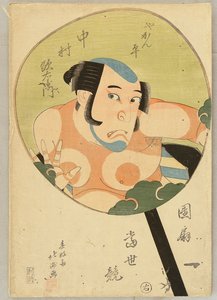
shunkōsai hokushū
1832 , Japan
Kratke činjenice
- Artistic Movement Or Style: Kamigata-e
- Artists Or Movements Influenced By This Artist: ['Kabuki']
- Artists Who Influenced This Artist: ['Shōkōsai Hambei']
- Date Of Death: 1832
- Full Name: Shunkōsai Hokushū
- Nationality: Japanese
- Notable Artworks:
- Actor Ichikawa Ebijuro I
- Actor Nakamura Utemon II
- Place Of Birth: Osaka, Japan

