Meni

period

pokret

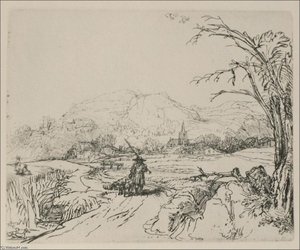
  1. The Sportsman — Рембрант
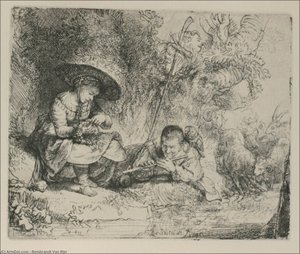
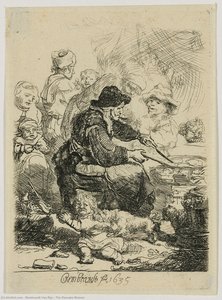
  2. The Pancake Woman — Рембрант
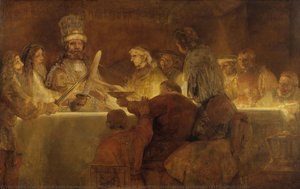
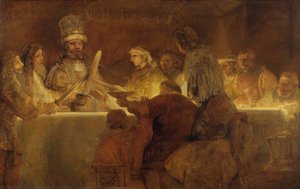
  3. Zavera Batavaca — Рембрант, 1661
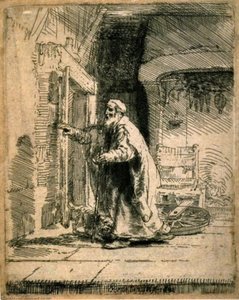
  4. The Blindness of Tobit — Рембрант
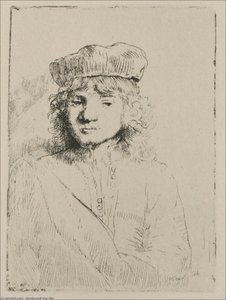
  5. Portrait of Titus, Rembrandt's Son — Рембрант
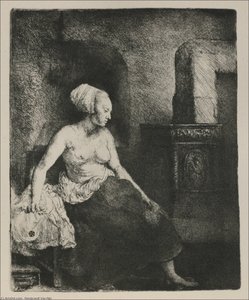
  6. A Woman Seated Before a Dutch Stove — Рембрант

vibe

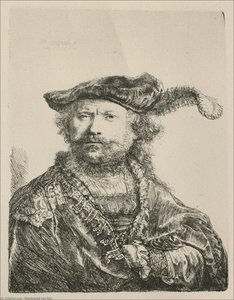
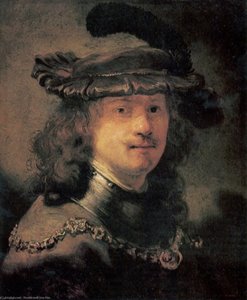
  1. Rembrandt with Mezetin Cap and Feather — Рембрант
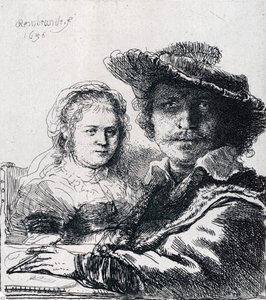
  2. Self-portrait With Saskia — Рембрант, 1636
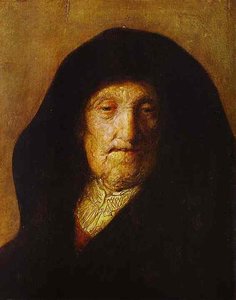
  3. Portrait of Rembrandt's Mother — Рембрант
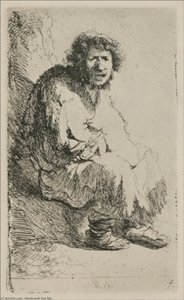
  4. A Beggar Sitting on a Hollock, with his Mouth Open — Рембрант
  5. The Sportsman — Рембрант
  6. The Pancake Woman — Рембрант
  7. Samo-portret (24) — Рембрант, 1633
  8. Zavera Batavaca — Рембрант, 1661
  9. Title in Swedish: Batavernas trohetsed till Claudius Civilis — Рембрант, 1662
  10. The Blindness of Tobit — Рембрант
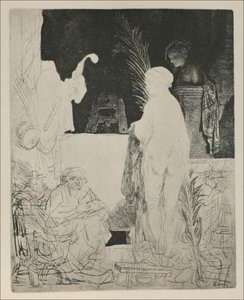
  11. An Artist Drawing from a Model — Рембрант

teme

  1. Samo-portret (24) — Рембрант, 1633
  2. The Sportsman — Рембрант

ključne reči

ton

  1. Rembrandt with Mezetin Cap and Feather — Рембрант
  2. Self-portrait With Saskia — Рембрант, 1636
  3. Portrait of Rembrandt's Mother — Рембрант
  4. Samo-portret (24) — Рембрант, 1633
  5. Zavera Batavaca — Рембрант, 1661

primarna boja

  1. Portrait of Rembrandt's Mother — Рембрант
  2. Title in Swedish: Batavernas trohetsed till Claudius Civilis — Рембрант, 1662
  3. Zavera Batavaca — Рембрант, 1661
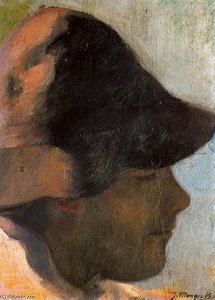
  4. Study 8 — Žozé Mongrel Torent
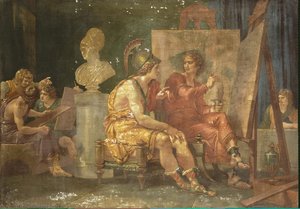
  5. Alexander The Great In The Workshop Of Apelles — Giuseppe Cades
  6. Le denier de Saint Pierre — Тома Кутур
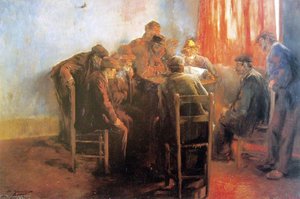
  7. Escena interior — luis graner y arrufi
  8. Four Figures (detail) — douglas strachan
  9. Scala — pieter florentius nicolaas jacobus arntzenius
  10. Samo-portret (24) — Рембрант, 1633
  11. An Artist Drawing from a Model — Рембрант
  12. Self-portrait With Saskia — Рембрант, 1636
  13. The Flute Player — Рембрант
  14. Flood and Waters Subsiding (detail) — Паоло Учело, 1447
  15. A Woman Seated Before a Dutch Stove — Рембрант
  16. Untitled (196) — Isabel Bishop

ostalo

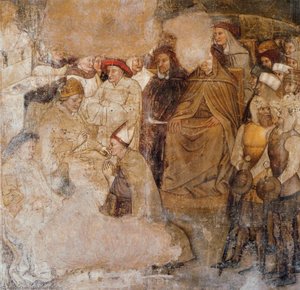
  1. St Louis of Toulouse Ordained Bishop by Pope Boniface VIII — Serafino Serafini
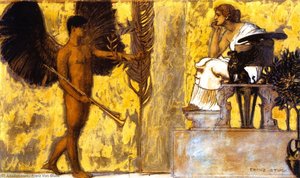
  2. Homage to Painting — Франц Фон Штук, 1889