 Preview
 Send
Send Share
Share
 Details

 Download
 Similars
 X-Ray
X-Ray Diaporama
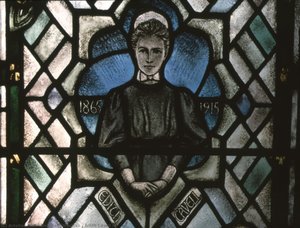
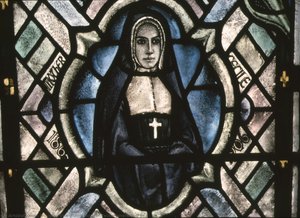
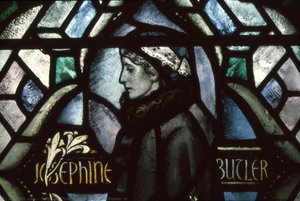
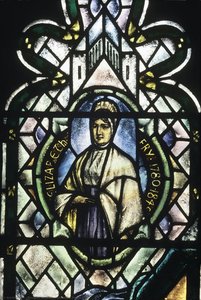
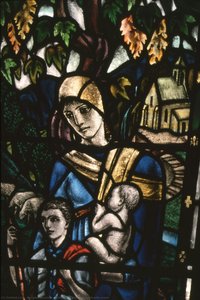
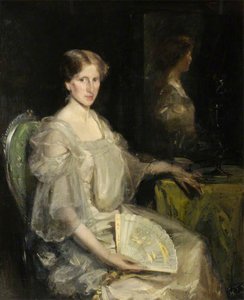
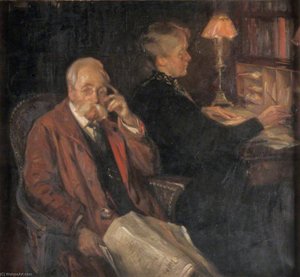
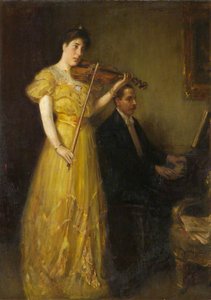
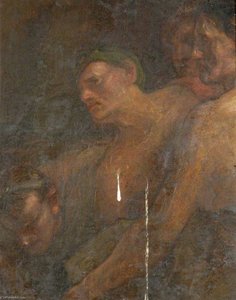
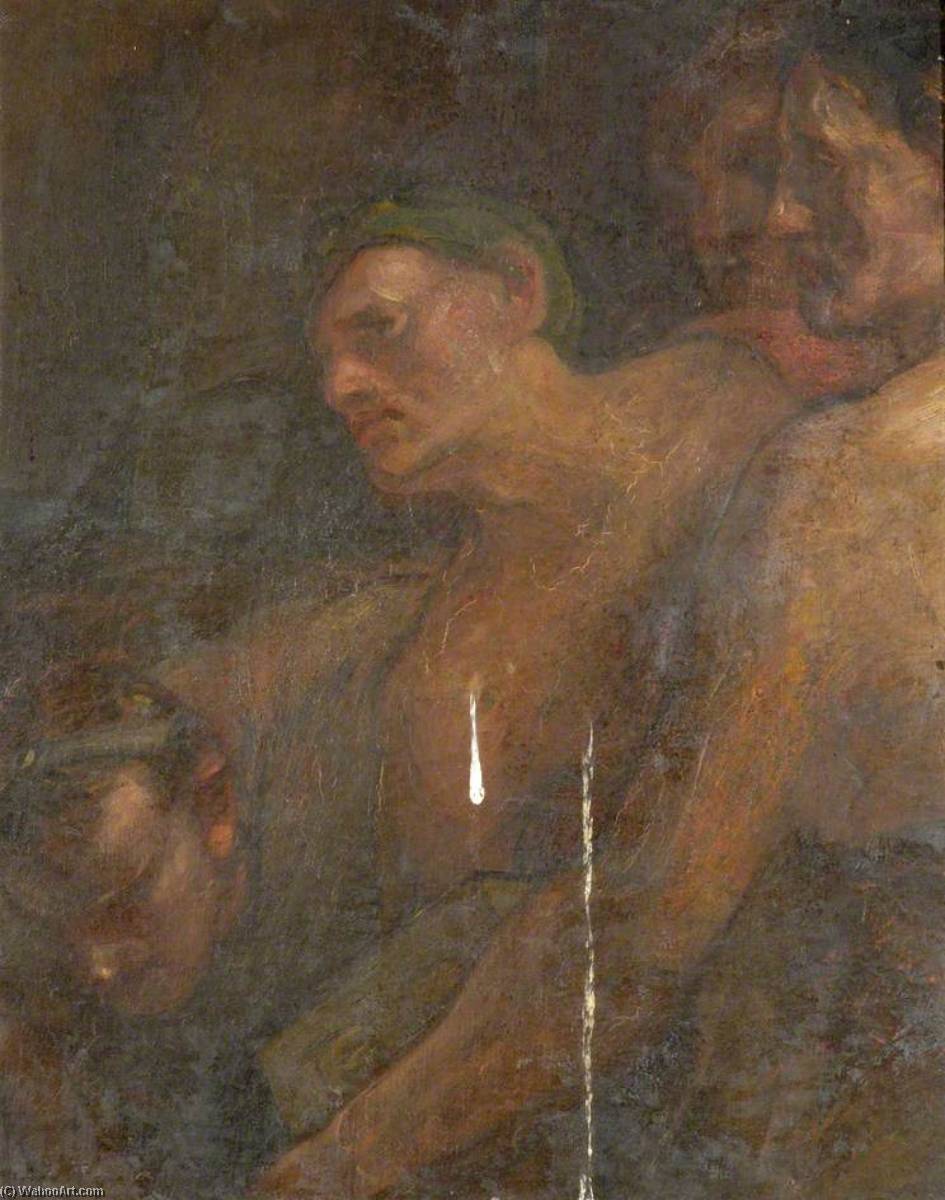
Four Figures (detail)
 Symbolism
 65.0 x 51.0 cm
 Read More
Hand Made Oil Reproduction
Hand-painted oil on canvas in your size and frame, made to order by our artists. ( Buy Print Buy Image)




































Pick from our preset sizes that match the artwork's original proportions.

You may enter your own dimensions to fit a specific frame or space. If your selected size does not match the original image's proportions, we will either crop the artwork or extend the painting with additional hand-painted elements. A digital mockup will be sent for your approval before production begins.
Please note that the on-screen preview does not reflect the actual cropping or extension. Only the mockup will accurately show the final composition.
While custom sizes are available, we recommend selecting a dimension from the predefined list to preserve the original proportions.
After order, ArtsDot.com team will email client for instructions and provide a mockup preview
Worldwide Delivery () in 3/4 weeks instead of standard 5 weeks. (17 August). No compromise on quality.

Free Worldwide Express Shipping

High-Quality Linen Canvas

Full Shipping Insurance

Customs Tax Refund Guarantee

True Color Matching Guarantee

60-Day Return Policy (Defects Only)

100% Money-Back Guarantee

Bulk Discount Offer
 Glass option is only available in size under 110 CM

Four Figures (detail)
Reproduction Medium
Reproduction Size
-


Total Price
$ 313
Artwork Description
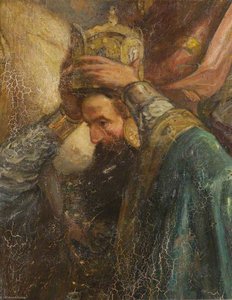
A Glimpse into Intimacy: Douglas Strachan's "Four Figures (detail)"
This captivating detail from Douglas Strachan’s larger work, “Four Figures,” offers a poignant and intimate glimpse into the artist’s exploration of human connection. The cropped composition focuses intently on the upper bodies and faces of several male figures, creating a sense of closeness that draws the viewer directly into their shared space. While the full narrative remains tantalizingly out of reach, this fragment speaks volumes about introspection, vulnerability, and the complexities of interpersonal relationships. Strachan, primarily celebrated for his significant contributions to stained glass art in Scotland, reveals here a different facet of his artistic talent – one steeped in painterly nuance and emotional depth.Style & Technique: Echoes of Symbolism and Early Modernism
Strachan’s style in this piece resonates strongly with the late 19th and early 20th-century European art movements, particularly Symbolism and the burgeoning currents of early Modernism. The influence of artists like Gustav Klimt and Arnold Böcklin is palpable in the work's atmospheric quality and focus on psychological states rather than purely representational accuracy. The technique employed demonstrates a masterful command of oil paint. Strachan builds up layers of pigment, creating a slightly rough, impasto-like surface that adds depth and visual interest. Notice how he avoids sharp outlines, instead suggesting form through subtle shifts in color and value – a hallmark of the era’s move away from rigid academic conventions. The blending is seamless, contributing to the hazy, dreamlike quality of the scene.Color Palette & Composition: A Somber Atmosphere
The muted color palette—dominated by earthy tones of browns, ochres, and greens—immediately establishes a somber and introspective mood. Strategic highlights of gold or yellow illuminate portions of skin and clothing, drawing the eye to key areas and creating focal points within the composition. The tight framing intensifies the intimacy of the scene; figures overlap and intertwine, suggesting complex relationships – perhaps dependence, conflict, or simply shared contemplation. The lack of a clear spatial perspective further emphasizes this closeness, concentrating attention on the emotional landscape of the subjects rather than their surroundings.Symbolism & Emotional Impact: Introspection and Interconnectedness
Beyond its aesthetic appeal, "Four Figures (detail)" invites deeper interpretation. The expressions of the figures—contemplative and tinged with melancholy—evoke a sense of introspection and vulnerability. The intertwined forms suggest themes of interconnectedness and shared experience. While the precise narrative remains ambiguous, the artwork’s emotional impact is undeniable: it speaks to the human condition, exploring themes of solitude, connection, and the quiet dramas that unfold within intimate settings. This piece offers a powerful meditation on the complexities of human relationships, rendered with sensitivity and artistic skill by Douglas Strachan.Related Artworks
Artist Biography
Douglas Strachan: Architect of Light and Memory
The Scottish artist Douglas Strachan (1875-1950) wasn’t merely a stained glass designer; he was, in the words of many who knew him, an architect of light and memory. His career spanned nearly half a century, during which he elevated the craft to a profound artistic expression, leaving behind a legacy of breathtaking windows that resonate with both solemnity and vibrant beauty. Born in Aberdeen, Strachan’s early life was steeped in the traditions of his homeland – a landscape of rugged coastlines, ancient castles, and a deep-rooted connection to folklore and history. This environment would profoundly shape his artistic sensibilities, informing his later work with its inherent sense of place and narrative.
Strachan's formal artistic training began at Robert Gordon’s College in Aberdeen, followed by studies at the prestigious Gray’s School of Art and the Royal Scottish Academy in Edinburgh. These formative years instilled within him a rigorous understanding of technique alongside an appreciation for the classical foundations of art. However, it was his time as a newspaper illustrator and political cartoonist in Manchester that proved unexpectedly crucial. This experience honed his observational skills, sharpened his ability to capture fleeting moments, and exposed him to the dynamic energy of urban life – qualities he would later translate into the monumental scale and dramatic narratives of his stained glass windows.
A pivotal moment in Strachan’s artistic journey occurred during a European tour between 1897 and 1898. Inspired by the luminous grandeur of medieval cathedrals, particularly the soaring heights and intricate details of Chartres Cathedral in France, he embarked on a quest to understand the principles of light and color that had captivated generations of artists. He immersed himself in the art of Renaissance Italy, studying the masterful use of perspective, composition, and symbolism within religious frescoes and mosaics. This exposure ignited a passion for storytelling through visual imagery – a desire to imbue his windows with layers of meaning and emotional resonance.
The Peace Palace and Early Masterpieces
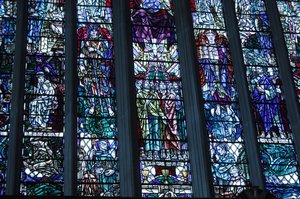
Strachan’s international recognition began in 1908 when he was appointed head of the Crafts Section at the Edinburgh College of Art. This role afforded him unprecedented opportunities to develop his skills and experiment with new techniques, culminating in his monumental commission for the Peace Palace in The Hague in 1911-13. These four windows, collectively known as “The Four Figures,” are considered a cornerstone of Strachan’s oeuvre. They depict allegorical figures representing Justice, Wisdom, Strength, and Charity – each rendered with exquisite detail and imbued with an almost palpable sense of humanity. The muted tones and intertwined forms evoke introspection and vulnerability, subtly referencing the works of Klimt and Böcklin, artists whose exploration of symbolism and psychological depth deeply influenced Strachan’s artistic vision.
Following his success at the Peace Palace, Strachan continued to produce a remarkable body of work, including significant windows for St Andrew's United Reformed Church in Hampstead, London; Paisley Abbey in Scotland; and numerous churches throughout the United Kingdom. His designs consistently demonstrated a masterful command of color, composition, and narrative – often drawing upon biblical stories, classical mythology, and Scottish folklore.
The Scottish National War Memorial: A Testament to Sacrifice
Perhaps Strachan’s most ambitious and profoundly moving work is his design for the Scottish National War Memorial in Edinburgh Castle. Completed between 1928 and 1934, this vast ensemble of stained glass windows stands as a poignant tribute to Scotland's fallen soldiers. The central window, known as “Sacrifice,” depicts a powerful image of Christ offering himself on the cross – a visual metaphor for the ultimate sacrifice made by those who served their country. The surrounding panels explore themes of faith, courage, and remembrance, creating a deeply immersive and emotionally resonant experience for viewers.
Strachan’s approach to this monumental commission was characterized by his meticulous attention to detail and his unwavering commitment to capturing the essence of human emotion. He spent countless hours studying photographs and accounts of war, striving to create windows that would not only be aesthetically beautiful but also spiritually uplifting – a testament to the enduring spirit of Scotland.
Legacy and Influence
Douglas Strachan’s impact on the world of stained glass is undeniable. He elevated the craft to an art form of unparalleled sophistication, demonstrating a rare ability to combine technical mastery with profound artistic vision. His work continues to inspire artists and viewers alike, reminding us of the power of light, color, and narrative to evoke emotion, stimulate reflection, and connect us to our shared human experience.
Strachan’s legacy extends beyond his individual creations; he also played a crucial role in training a new generation of stained glass artists. His tenure at the Edinburgh College of Art provided him with an opportunity to share his knowledge and expertise, fostering a vibrant artistic community that continues to thrive today. Douglas Strachan remains, rightfully, Scotland’s most important stained-glass artist of the 20th century – a master craftsman whose windows illuminate our world with beauty, grace, and enduring meaning.
douglas strachan
1875 - 1950
Quick Facts
- Artistic Movement Or Style: Arts & Crafts, Stained Glass
- Artists Or Movements Influenced By This Artist:
- Pre-Raphaelites
- Arts and Crafts
- Artists Who Influenced This Artist:
- Harry Clarke
- Christopher Whall
- Date Of Birth: May 26, 1875
- Date Of Death: November 20, 1950
- Full Name: Douglas Strachan
- Nationality: Scottish
- Notable Artworks:
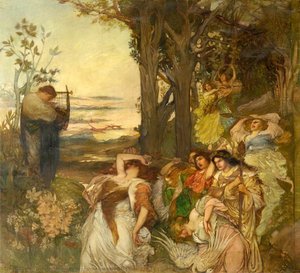
- Bacchantes Overtaking Orpheus
- Peace Palace windows
- Scottish National War Memorial
- Place Of Birth: Aberdeen, Scotland
Related Articles
Sandstone & Sunlight: 10 Masterpieces of Earth-Toned Art |
Journey through 10 iconic paintings bathed in 'sand' tones – from Van Gogh to Monet. Explore the stories, techniques & warm palettes of these timeless masterpieces. Find museum-quality art reproductions at and bring classic beauty home.
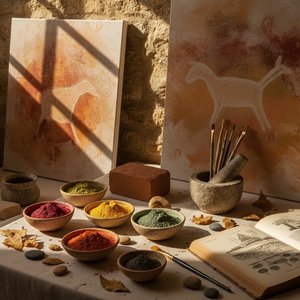
The Resonance of Earthly Tones: Exploring Nuance, History & Emotional Impact in Art
Explore the captivating world of earth tones in art! Discover historical context, emotional resonance & artistic techniques behind these timeless colors. Find inspiration for your home decor and museum-quality reproductions.
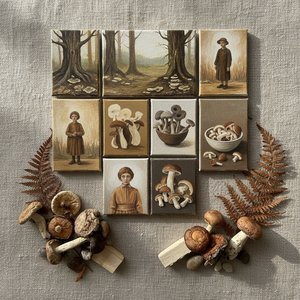
Earthy Hues & Masterpieces: Top 10 Paintings with 'Mushroom' Tones |
Explore 10 iconic paintings with captivating 'mushroom' tones! Discover Van Gogh, Monet & Rembrandt’s masterpieces—earthy palettes, rich history & artistic techniques. Find museum-quality art reproductions and curated decor ideas at

Earthen Hues: Exploring the Psychological & Artistic Significance of Earth Tones
Explore the captivating world of earth tones! Discover their historical significance, psychological impact & artistic techniques. Find inspiration for your home decor and museum-quality reproductions at ArtsDot.
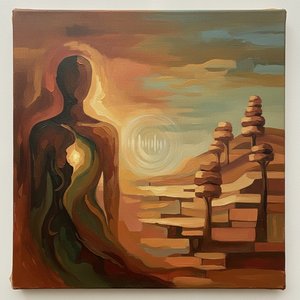
The Resonance of Earth Tones: Exploring Emotional Depth & Artistic Context in Paintings
Explore the captivating world of earth tones in painting! Discover the historical context, emotional resonance, and artistic techniques behind these timeless colors. Learn how to create harmonious spaces with natural palettes.