


 Pregledaj u prostoru
 Pošalji
 Podeli
 Detalji o delu

 Преузми
 Slični predmeti
 Rendgenski snimak
 Slajdovi
A Vase of Flowers
 1669
1669 44.0 x 32.0 cm
 Muzej umetnosti i arheologije Ešmolean
 Pročitaj više
Giclee štampa / Umetnički otisak
Giclée štampa ili print na platnu muzejskog kvaliteta uz brzu proizvodnju i fleksibilne opcije završne obrade. ( Kupi ručno naslikanu sliku Kupi digitalnu sliku)




































Izaberite jednu od naših unapred definisanih veličina koje odgovaraju originalnim proporcijama umetničkog dela.

Možete uneti sopstvene dimenzije kako biste umetničko delo prilagodili specifičnom okviru ili prostoru. Ako odabrani format ne odgovara proporcijama originalne slike, mi ćemo ili iscrtati deo dela ili proširiti sliku pomoću ogledane ivice ili jednobojnog popunjavanja. Digitalni prikaz će vam biti poslat na odobrenje pre početka proizvodnje.
Imajte na umu da pregled na ekranu ne odražava stvarno iscrtavanje ili proširivanje. Samo će prikaz (mockup) precizno pokazati finalnu kompoziciju.
Iako su prilagođene dimenzije dostupne, preporučujemo da odaberete dimenziju sa unapred definisane liste kako biste očuvali originalne proporcije.
Dostava širom sveta () za 2 nedelje umesto uobičajenih 4/5 nedelja. (1 септембар)

Besplatna ekspresna dostava širom sveta

Visokokvalitetno laneno platno

Kompletno osiguranje transporta

Garancija povraćaja carine i uvoznih dažbina

Garancija vernosti boja

Politika povrata u roku od 60 dana (samo u slučaju nedostataka)

Garancija povrata novca od 100%

Popust pri grupnoj kupovini
 Opcija sa staklom dostupna je samo za dimenzije manje od 110 cm

A Vase of Flowers
Giclee štampa / Umetnički otisak
Dimenzije reprodukcije
-


Konačna cena
$ 62
Composition and Symbolism
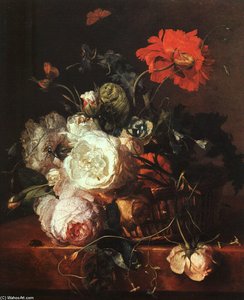
The painting features a beautiful vase filled with various flowers, including roses, tulips, and poppies. The arrangement is intricate and detailed, showcasing Verelst's skill as a still life painter. The inclusion of a pearl near the bottom right corner of the painting adds an element of luxury and sophistication. The overall composition creates an elegant and visually appealing scene.Artist and Style
Simon Pietersz Verelst was a Dutch painter known for his still life and portrait works. He was active during the 17th century and was considered one of the best flower painters of his time. His style is characterized by attention to detail, vibrant colors, and a sense of realism. Verelst's work can be compared to that of other notable Dutch Golden Age artists, such as Willem Claesz Heda, who was known for his breakfast still life paintings.- Still Life of Flowers by Simon Pietersz Verelst is a prime example of Dutch Golden Age art.
- The painting features intricate details and vibrant colors, showcasing Verelst's skill as a still life painter.
- The inclusion of a pearl adds an element of luxury and sophistication to the composition.
The painting A Vase of Flowers is a testament to Verelst's skill and attention to detail, making it a must-see for art enthusiasts. With its intricate composition and vibrant colors, this masterpiece of Dutch Golden Age art continues to inspire and delight audiences today.
Srodna umetnička dela








Biografija umetnika
The Floral Poet of Delft: The Life and Legacy of Simon Pietersz Verelst
In the golden era of Dutch painting, few artists captured the ephemeral beauty of nature with as much grace and precision as Simon Pietersz Verelst. Known affectionately by his contemporaries as the "god of flowers," Verelst possessed a rare ability to breathe life into still life compositions, transforming mere botanical studies into profound meditations on existence. Born in The Hague in 1644, he emerged from a lineage deeply embedded in the artistic fabric of the Netherlands. His father, Pieter Harmensz Verelst, had already established a formidable reputation in Antwerp, providing Simon with a foundation of technical excellence and an early immersion in the meticulous traditions of Northern European art.
Verelst’s formative years were defined by rigorous training and the influence of masters who championed the fine details of reality. Studying at the confrerie pictura in The Hague alongside his brother Herman, he came under the direct tutelage of the legendary Gerrit Dou. From Dou, Verelst inherited a mastery of chiaroscuro—that dramatic, soulful interplay between light and shadow that gives objects weight and presence. This early exposure to the Leiden fijnschilder style instilled in him a lifelong devotion to precision, ensuring that every dewdrop on a petal and every subtle vein on a leaf was rendered with scientific accuracy and artistic soul.
A Journey from Dutch Realism to Lyrical Brilliance
As his career progressed, Verelst’s style underwent a captivating evolution. While his early works remained anchored in the stark realism of his mentors, he gradually moved toward a more atmospheric and lyrical aesthetic. He began to prioritize luminous color palettes and a sense of depth that invited the viewer into a dreamlike garden. His compositions became less about the mere cataloging of species and more about capturing the essence of the bloom—the delicate fragility of a wilting rose or the vibrant, fleeting energy of a spring tulip. This transition allowed him to bridge the gap between botanical documentation and high art, creating works that resonated emotionally with the viewer.
His mastery was not limited to the floral realm; Verelst was also a distinguished portraitist capable of capturing the dignity of the era's elite. His ability to render textures—the heavy sheen of silk, the intricate lace of a collar, and the soft glow of skin—made him a sought-after painter for aristocratic subjects. This duality in his talent, moving between the intimate world of still life and the formal world of portraiture, allowed him to navigate the diverse demands of the 17th-century art market with remarkable success.
The London Years and Historical Significance
In 1668, seeking to expand his horizons and tap into new artistic markets, Verelst relocated to London. This move marked a significant chapter in his life, as he brought the sophisticated techniques of the Dutch Golden Age to the English capital. In London, his work continued to flourish, and he became an integral part of the international art scene. Though his life eventually came to an end in England around 1721, his impact remained deeply rooted in the traditions he carried from the Netherlands.
The historical significance of Simon Pietersz Verelst lies in his ability to elevate the still life genre to a level of poetic expression. His works serve as enduring windows into the 17th century, reflecting both the scientific curiosity of the age and the profound human connection to the natural world. Today, his masterpieces, such as his iconic "A Vase of Flowers," continue to enchant collectors and historians alike, standing as a testament to a lifetime spent chasing the light and celebrating the transient beauty of life.
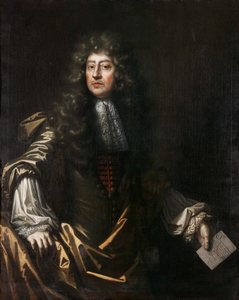
simon pietersz verelst
1644 - 1721 , Netherlands
Osnovne informacije
- Artistic Movement Or Style: Golden Age
- Artists Or Movements Influenced By This Artist: ['Baroque']
- Artists Who Influenced This Artist: ['Gerrit Dou']
- Date Of Birth: 1644, The Hague
- Date Of Death: ca. 1721, London
- Full Name: Simon Pietersz Verelst
- Nationality: Dutch
- Notable Artworks:
- A Vase of Flowers
- Still Life of Apple Blossom
- Group of Flowers
- Place Of Birth: The Hague, Netherlands

