

 Pregledaj u prostoru
 Pošalji
 Podeli
 Detalji o delu

 Преузми
 Slični predmeti
 Rendgenski snimak
 Slajdovi
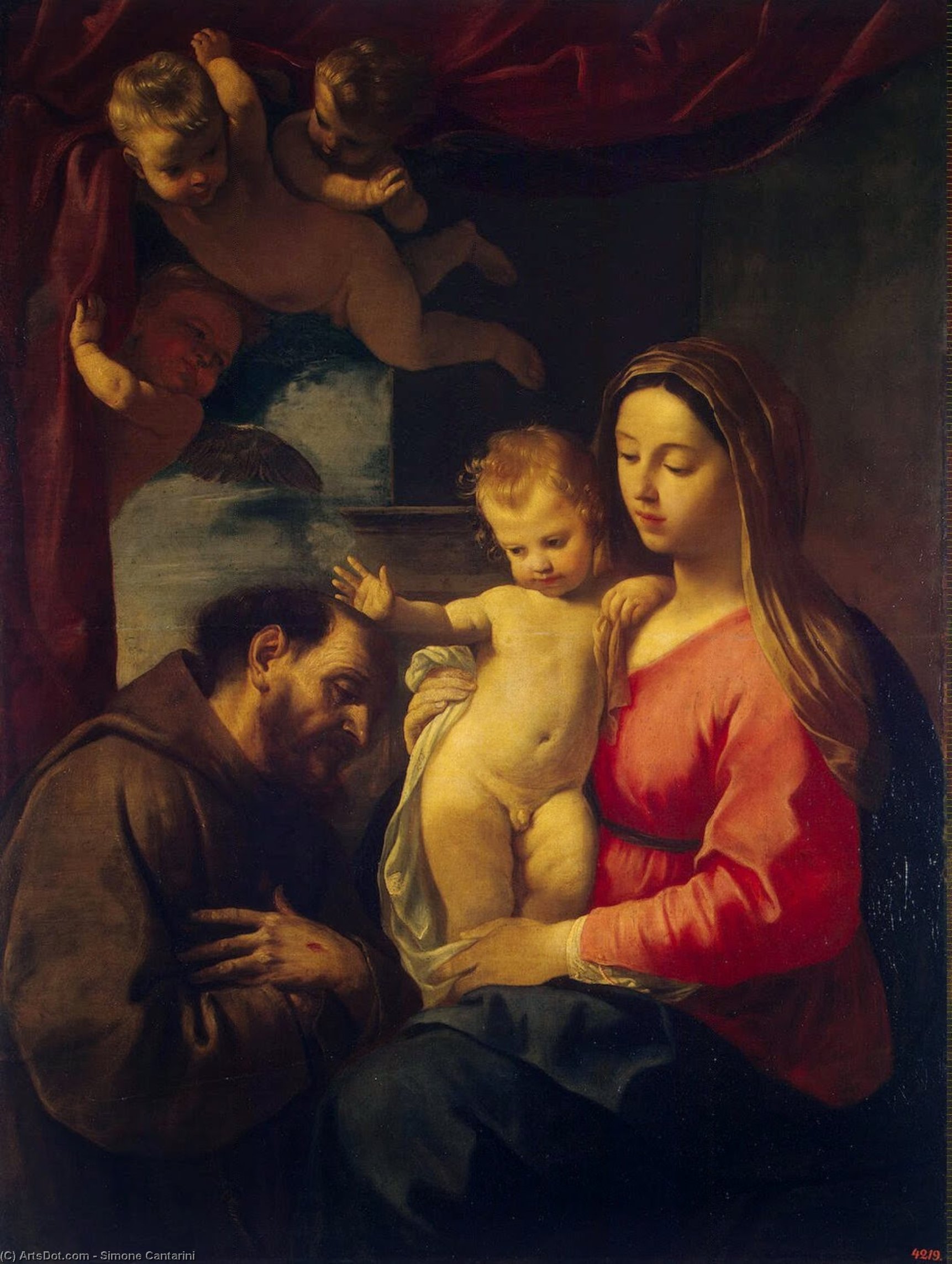
Virgin and Child with St Francis of Assisi
 Oil On Canvas
- WallArt
- Italian Baroque
 Early Modern
 151.0 x 115.0 cm
 Hermitage Museum
 Pročitaj više
Kupite digitalnu sliku visoke rezolucije i poboljšanog kvaliteta, koja je znatno superiornija od onoga što vidite u online prikazu.
Svaka datoteka je pedantno pripremljena od strane naših stručnjaka koristeći napredne alate i profesionalnu ručnu retušu. Osiguravamo da svaka slika ima izuzetnu oštrinu, preciznu reprodukciju boja i fine detalje.
Konačna datoteka se dostavlja putem e-pošte u roku od 72 sata, optimizovana za neposrednu upotrebu u profesionalnim, izdavačkim i štamparskim okruženjima. To je isti kvalitet kojem veruju vrhunski studiji dizajna, izdavači i galerije.
Digitalna slika
Preuzmite datoteku visoke rezolucije za ličnu upotrebu, štampanje i kreativne projekte. ( Kupi print Kupi ručno naslikanu sliku)
Uključeno uz svaku porudžbinu digitalne slike
Profesionalna digitalna isporuka, zagarantovana
Kada odaberete ArtsDot.com, ne dobijate samo sliku – vi primate profesionalno unapređeno digitalno umetničko delo, izrađeno sa najvećom preciznošću i uz garanciju zadovoljstva. Evo svega što automatski dolazi uz vašu porudžbinu:

Brza dostava putem e-pošte
Vaša digitalna slika visoke rezolucije biće vam poslata putem e-pošte u roku od 72 sata od poručivanja – spremna za trenutnu upotrebu.

Digitalna datoteka unapređena veštačkom inteligencijom
Vaše umetničko delo je profesionalno optimizovano korišćenjem naprednih AI alata i ručne obrade, čime se osiguravaju maksimalni detalji, oštrina i preciznost boja.

Besplatna ponovna isporuka doživotno
Slučajno ste obrisali ili izgubili svoju datoteku? Ne brinite – poslaćemo vam je ponovo u bilo kom trenutku, potpuno besplatno.

Bez troškova uvoza – zauvek
Uživajte u svojim umetničkim delima trenutno, bez carine, dažbina ili troškova dostave – digitalni download je uvek bez poreza.

Garancija vernosti boja
Uz pomoć profesionalnih alata i upravljanja bojama, osiguravamo da vaša digitalna slika što vernije odražava originalne boje.

Garancija zadovoljstva u roku od 60 dana
Ako niste zadovoljni svojom digitalnom slikom, revidirat ćemo je ili vratiti 100% novca u roku od 60 dana – bez ikakvih pitanja.

100% garancija povrata novca
Niste zadovoljni? Obezbedite pun povrat novca u roku od 60 dana od trenutka kada ste primili svoju digitalnu datoteku – bez suvišnih pitanja.

Popusti na velike porudžbine
Kupite 3 slike, uštedite 10% - Kupite 5 slika, uštedite 15% - Kupite 10+ slika, uštedite 20%. Odlično za kreativne projekte, galerije i agencije.
Opis kolekcionarskog dela
A Portrait of Baroque Synthesis
Simone Cantarini (1612 – 1648), born in Pesaro, Italy, represents a fascinating crossroads within the Italian Baroque. Often dubbed *il Pesarese*, his artistic journey was tragically cut short in Mantua at just thirty-six, leaving behind a legacy of paintings that defy easy categorization—a testament to his extraordinary ability to absorb and transform diverse influences into a singular vision.
Early Influences: Bolognese Classicism Cantarini’s formative years were spent primarily in Bologna, where he absorbed the precepts of Bolognese classicism. This tradition championed idealized forms and harmonious compositions, prioritizing clarity and restraint—a stark contrast to the turbulent emotionalism that characterized other Baroque centers.
Venetian Naturalism: Embracing Light and Color However, Cantarini’s artistic sensibilities weren't solely rooted in Bolognese ideals. He actively sought inspiration from Venice, a city renowned for its pioneering use of chiaroscuro—the dramatic interplay between light and shadow—and vibrant color palettes. Venetian painters like Giovanni Battista Tiepolo demonstrated how to imbue canvases with atmospheric depth and luminous hues, techniques that Cantarini skillfully adopted.
Caravaggism: Dramatic Intensity Perhaps the most significant influence on Cantarini’s style was Caravaggio. The Florentine painter revolutionized Baroque art by rejecting illusionistic perspective and favoring tenebrismo—a technique characterized by extreme darkness punctuated by bursts of intense illumination—to heighten emotional impact and convey psychological realism.
Notable Works: Virgin and Child with St Francis Cantarini’s most celebrated paintings include *Virgin and Child with St Francis*, a masterpiece that exemplifies his masterful synthesis of stylistic elements. The composition is meticulously balanced, reflecting Bolognese principles while simultaneously capturing the spiritual grandeur associated with Venetian naturalism and Caravaggism. Observe how Cantarini utilizes chiaroscuro to sculpt the figures—particularly Mary’s serene countenance—drawing upon Caravaggio's dramatic techniques to evoke profound contemplation.
Symbolism: Faith and Devotion The painting is laden with symbolic significance. St Francis, depicted in humble repose, embodies piety and compassion—values central to Christian faith. Mary’s posture conveys dignity and maternal tenderness, symbolizing divine grace and protection. The angels surrounding the Virgin and Child reinforce the narrative's sacred dimension.
Emotional Impact: Reverence and Tranquility Viewing *Virgin and Child with St Francis* inspires a sense of reverence and tranquility. Cantarini’s masterful brushwork—characterized by smooth, blended strokes—creates an ethereal atmosphere that invites viewers to immerse themselves in the scene's spiritual beauty. The painting transcends mere representation; it communicates an emotion—a profound connection to faith and divine love—that resonates deeply within the human spirit.
Conclusion: A Lasting Legacy Simone Cantarini’s untimely death prevented him from realizing his full potential, yet his artistic achievements endure as a beacon of Baroque innovation. His ability to fuse disparate influences into a cohesive aesthetic demonstrates the transformative power of artistic exploration—a legacy that continues to inspire artists and collectors alike.
Srodna umetnička dela




Biografija umetnika
A Synthesis of Styles: The Life and Art of Simone Cantarini
Simone Cantarini, born in Pesaro in 1612 and tragically lost to mysterious circumstances in Mantua in 1648, remains a compelling figure within the Italian Baroque. Often referred to as Simone da Pesaro or *il Pesarese*, his brief but intensely productive career was marked by a remarkable ability to synthesize diverse artistic influences into a uniquely personal style. He wasn’t merely echoing the masters who came before him; he was actively engaging in a dialogue with them, forging a path that blended Bolognese classicism with the vibrant naturalism emerging from Venice and the dramatic intensity of Caravaggism. Cantarini's father, Girolamo, was a prosperous merchant, providing a stable foundation for his son’s artistic pursuits, though details of Simone’s early childhood remain scarce. What is clear is that he possessed an innate talent and a relentless drive to master his craft.Formative Years: From Pesaro to Bologna
Cantarini's artistic journey began with likely tutelage under Giovanni Giacomo Pandolfi in Pesaro, absorbing the fundamentals of technique and the prevailing local aesthetic. However, it was a sojourn to Venice that truly broadened his horizons. There, he encountered the late-Mannerism of Sante Peranda and honed his draughtsmanship skills under Francesco Mingucci, immersing himself in the city’s rich artistic atmosphere. This Venetian exposure instilled within him an appreciation for color, texture, and dynamic composition – elements that would become hallmarks of his mature work. A pivotal period followed with Claudio Ridolfi, who guided Cantarini towards a deeper understanding of Venetian style and fostered an admiration for Federico Barocci's lyrical grace. Following Ridolfi’s departure, Cantarini embarked on a period of largely self-directed study, meticulously examining the works of the Carracci brothers, Orazio Gentileschi, and Giovanni Francesco Guerrieri. This independent exploration allowed him to refine his artistic vision and develop a distinctive voice. The turning point arrived with an encounter with Guido Reni’s *Madonna and Child with Saints Thomas and Jerome* in Pesaro Cathedral. Captivated by its elegance and spiritual depth, Cantarini traveled to Bologna around 1634 to study under the master himself. While he excelled within Reni's studio, particularly in etching, tensions arose due to his independent spirit and a growing critique of Reni’s later stylistic choices.A Distinctive Artistic Voice: Paintings and Prints
Cantarini quickly established himself as a painter of considerable skill and originality. Early masterpieces like *St Peter Healing the Lame Man* (Fano) already demonstrate the influence of Guido Reni, yet possess a burgeoning naturalism that sets them apart. Notable paintings such as *The Immaculate Conception with Saints* (Pinacoteca Nazionale di Bologna), *Saint Rita of Cascia* (Pesaro), and *Allegory of Painting* (National Museum, Warsaw) showcase his mastery of composition, color, and expressive figuration. His canvases are characterized by a dynamic interplay between classical form and dramatic realism, often imbued with a palpable sense of emotion. However, Cantarini’s contributions extend far beyond painting. He was an exceptionally gifted etcher, renowned for the delicacy and luminosity of his prints. He produced numerous etchings after works by Reni and others, but also created original compositions that demonstrate his technical virtuosity and artistic sensibility. These etchings played a significant role in disseminating his style and contributed to the development of printmaking techniques during the 17th century.Legacy and Shadows: A Complex Reputation
Simone Cantarini’s artistic legacy is one of innovation and synthesis. He carved out a unique space for himself within the Italian Baroque, blending diverse influences into a cohesive and compelling style. His ability to balance classical ideals with naturalistic observation, coupled with his exceptional etching skills, cemented his position as a significant figure in 17th-century art. However, his reputation was somewhat clouded by his contentious relationship with Guido Reni and reports of a scandalous death in Mantua – allegedly poisoned following a dispute over the Gonzaga collection. These stories, while adding an element of intrigue to his biography, should not overshadow his artistic achievements. While perhaps not as widely celebrated as some of his contemporaries, Cantarini’s work profoundly influenced later generations of Italian artists through its innovative style and technical mastery. He remains a testament to the power of individual vision and the enduring allure of Baroque art. His paintings and etchings continue to captivate viewers with their beauty, drama, and emotional depth, ensuring that his artistic voice will resonate for years to come.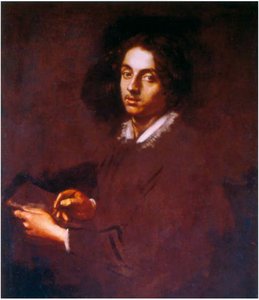
Simone Cantarini
1612 - 1648

