 Pregledaj u prostoru
 Pošalji
 Podeli
 Detalji o delu

 Преузми
 Slični predmeti
 Rendgenski snimak
 Slajdovi
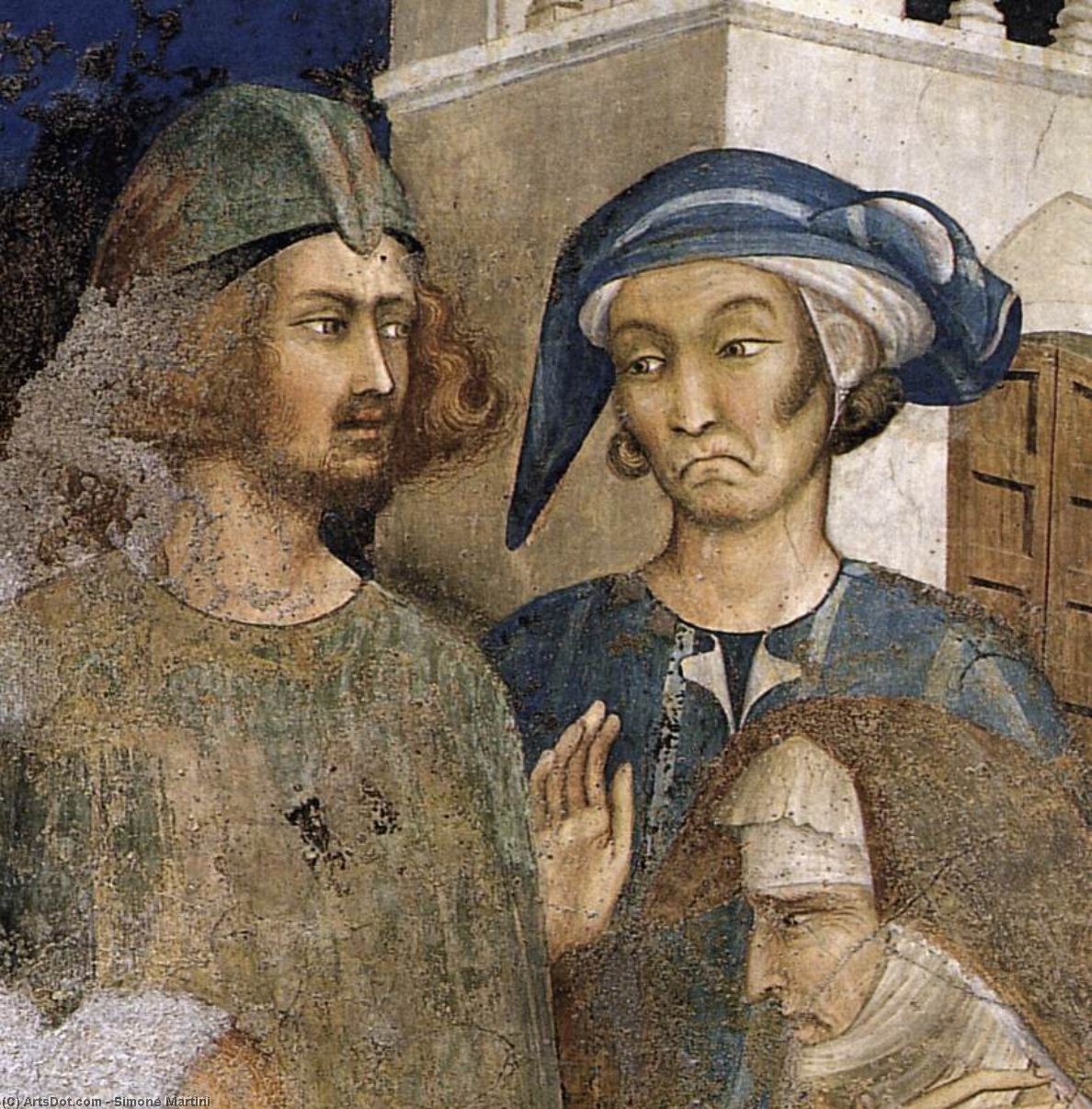
The Miracle of the Resurrected Child (detail)


 Pročitaj više
Ručno rađena uljana reprodukcija
Ručno oslikano uljanim bojama na platnu u dimenzijama i okviru po vašem izboru, izrađeno po porudžbini od strane naših umetnika. ( Kupi print Kupi digitalnu sliku)




P118B $10

P118H $10

P118W $10

P438Z $10

P508JH $12

P508YH $12

P805H $10

P805Z $10

P919BZ $10

P919G $10

P919XJ $10

P959ZH $10

P968JZ $12

W106C $8

W218G $10

W218JH $8

W218Y $10

W307PJ $10

W316G $10

W316PJ $8

W316Y $10

W398PJ $8

W4111J $10

W500HY $15

W500JH $15

W692G $12

W849H $8

W940BG $15

W953PJ $8




Izaberite jednu od naših unapred definisanih veličina koje odgovaraju originalnim proporcijama umetničkog dela.

Можете унети сопствене димензије како бисте прилагодили дело одређеном оквиру или простору. Ако одабрана величина не одговара пропорцијама оригинала, слика ће бити исечена или проширена додатним елементима који се ручно насликавају. Дигитални prikaz ће вам бити послат на одобрење пре почетка производње.
Имајте на уму да преглед на екрану не одражава стварно исецање или проширење. Само приказ (mockup) ће тачно приказати коначну композицију.
Иако су доступне прилагођене величине, препоручујемо да одаберете димензију из дефинисане листе како бисте сачували оригиналне пропорције.
Nakon narudžbine, tim ArtsDot.com će klijentu putem e-pošte poslati uputstva i dostaviti prikaz predloženog rešenja
Isporuka širom sveta () za 3/4 nedelje umesto uobičajenih 5 nedelja. (4 септембар). Bez kompromisa po pitanju kvaliteta.

Besplatna ekspresna dostava širom sveta

Visokokvalitetno laneno platno

Kompletno osiguranje transporta

Garancija povraćaja carine i uvoznih dažbina

Garancija vernosti boja

Politika povrata u roku od 60 dana (samo u slučaju nedostataka)

Garancija povrata novca od 100%

Popust pri grupnoj kupovini
 Opcija sa staklom dostupna je samo za dimenzije manje od 110 cm

The Miracle of the Resurrected Child (detail)
Tehnika reprodukcije
Dimenzije reprodukcije
-


Konačna cena
$ 263
A Glimpse into Divine Compassion: Simone Martini’s ‘The Miracle of the Resurrected Child’
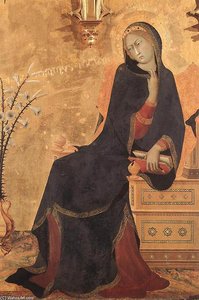
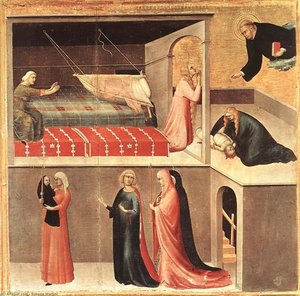
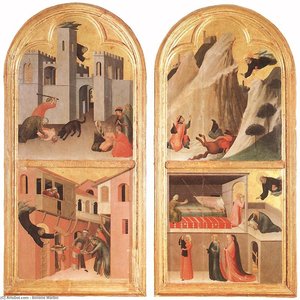
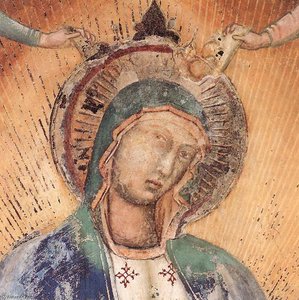
Simone Martini's detail from ‘The Miracle of the Resurrected Child,’ painted in 1312, offers a poignant window into the artistic and spiritual sensibilities of early Renaissance Italy. This fragment, originally part of a larger fresco cycle adorning the Basilica di San Francesco d'Assisi, isn’t merely a depiction of a miraculous event; it is a carefully constructed narrative imbued with both delicate beauty and profound emotional resonance. The scene captures a pivotal moment – the resurrection of a child brought forth by the intercession of Saint Martin of Tours. Two figures dominate the composition: Saint Martin himself, distinguished by his simple yet dignified attire and a blue hat that draws the eye, and another man, perhaps the grieving father, whose gaze is fixed upon the unfolding miracle. The setting, suggested by architectural elements like doorways and building facades, evokes a sense of both earthly reality and sacred space, grounding the supernatural event within a recognizable world.The Sienese School and the Dawn of International Gothic
To understand this detail fully, one must consider its place within the broader context of Sienese painting. Martini emerged from a tradition deeply rooted in Byzantine influence, yet he skillfully synthesized these elements with emerging Italian styles. He is often credited as a key figure in the transition towards what would become known as International Gothic – a style characterized by elegance, refined detail, and an emphasis on graceful lines. Unlike the more monumental and austere approach favored by Florentine artists like Giotto, Martini’s work possesses a lyrical quality, a sense of courtly refinement that appealed to sophisticated audiences. The delicate modeling of faces, the flowing drapery, and the use of muted yet harmonious colors all contribute to this distinctive aesthetic. While debate continues regarding his early training – some scholars believe he studied under Duccio di Buoninsegna, while others suggest an apprenticeship with Giotto – Martini undeniably forged a unique artistic path that set him apart from his contemporaries.Symbolism and Narrative Detail
The power of ‘The Miracle of the Resurrected Child’ lies not only in its aesthetic qualities but also in its rich symbolic language. The very act of resurrection, central to Christian belief, speaks to themes of hope, faith, and divine intervention. The expressions on the faces of the figures are particularly telling – a mixture of awe, gratitude, and perhaps even disbelief. Martini masterfully captures these subtle emotions, drawing the viewer into the emotional core of the scene. Furthermore, the inclusion of architectural details isn’t merely decorative; it serves to locate the miracle within a specific time and place, enhancing its narrative impact. The building in the background is thought to represent Siena itself, subtly connecting the divine event to the civic identity of the city. This blending of sacred and secular elements was characteristic of Sienese art, reflecting the close relationship between religious devotion and communal life.A Legacy of Grace and Devotion
The enduring appeal of Simone Martini’s work lies in its ability to evoke a sense of both spiritual reverence and human empathy. ‘The Miracle of the Resurrected Child,’ even as a detail, encapsulates this quality perfectly. It is a testament to the artist's skill in capturing not just physical likeness but also the inner lives of his subjects. For those seeking to bring a touch of Renaissance grace into their homes or collections, a reproduction of this masterpiece offers more than just aesthetic beauty; it provides a connection to a pivotal moment in art history and a powerful expression of faith and compassion. The subtle color palette and delicate details lend themselves beautifully to various interior styles, adding a layer of historical depth and artistic sophistication to any space.Srodna umetnička dela
Biografija umetnika
Simone Martini – Maestro dell’Eleganza e della Grazia
Simone Martini, nato intorno al 1284 nella città di Siena, Italia, rappresenta una figura chiave nella transizione dall'arte medievale a quella rinascimentale. Non fu solo un pittore; architetto dell'eleganza, maestro della linea e del colore che infondeva ai suoi lavori una raffinatezza cortese che lo distingueva dai contemporanei come Giotto. Storicamente, i suoi primi anni di formazione sono oggetto di alcune controversie: alcuni suggeriscono un apprendistato presso Duccio di Buoninsegna, il più importante artista sienese dell'epoca, mentre altri fanno riferimento a Firenze e all'influenza di Giotto – Martini ebbe senza dubbio una strada artistica unica.
L’Influenza della Via Francigena e delle Correnti Artistiche Francesi
Lo stile di Martini si distingue immediatamente dalla monumentalità favorita a Firenze. Abbracciò una sensibilità delicata, caratterizzata da linee fluide, dettagli decorativi morbidi e un senso generale di grazia. Questa estetica non nacque in isolamento; fu profondamente influenzata dalle forze esterne. La Via Francigena, importante percorso di pellegrinaggio attraversante l'Europa, portò con sé correnti artistiche dalla Francia – in particolare l’eleganza raffinata dell’illuminazione manoscritta e della scultura in avorio francese. Queste influenze sono immediatamente evidenti nell’opera di Martini, manifestandosi in motivi intricati, figure allungate e un’attenzione elevata alla decorazione superficiale. Martini non copiò semplicemente questi stili; li sintetizzò con le tradizioni artistiche esistenti a Siena creando qualcosa di completamente nuovo.
Lo Stile Internazionale Gotico: Una Sintesi Innovativa
Le opere di Martini sono caratterizzate dallo stile internazionale gotico, una corrente artistica che si distingue per l’eleganza, la raffinatezza e l’enfasi sui dettagli decorativi. Questo stile fu influenzato dalle tradizioni artistiche italiane del periodo precedente e dalla cultura francese dell'epoca.
Il Maestà: Un Capolavoro di Raffinatezza
La più celebre delle opere di Martini è senza dubbio la Maestà, affresco realizzato nel Palazzo Pubblico di Siena nel 1315. Questo ciclo pittorico rappresenta una pietra miliare nella storia dell'arte italiana e testimonia l’abilità artistica di Martini nel creare composizioni armoniosi e immagini ricche di emozione.
Simone Martini: Un Maestro della Pittura Monumentale
La Maestà è un esempio perfetto dello stile internazionale gotico, caratterizzato dall’uso di colori brillanti e illuminazione drammatica. Questo stile fu influenzato dalle tradizioni artistiche italiane del periodo precedente e dalla cultura francese dell'epoca.
Simone Martini: Vita e Opere Principali
Simone Martini ebbe una vita relativamente breve ma intensa, trascorsa principalmente a Siena e Firenze. Fu attivo come pittore, architetto e teorico dell’arte, contribuendo in modo significativo alla diffusione dello stile internazionale gotico e all'evoluzione della cultura rinascimentale.
Simone Martini: Un Legato Duraturo
L’opera di Simone Martini continua ad affascinare gli spettatori di tutto il mondo con la sua bellezza senza pari, armoniosa composizione e senso eterno dell’eleganza. È considerato uno dei più grandi artisti del suo tempo e un punto di riferimento per le generazioni successive di pittori.
Симеон Матињи
1284 - 1344 , Италија
Osnovne informacije
- Artistic Movement Or Style: Интернационална готичка стил
- Artists Who Influenced This Artist:
- Дуче ди Буонињегна
- Џиото ди Бондоне
- Date Of Birth: c. 1284
- Date Of Death: 1344
- Full Name: Simone Martini
- Nationality: Италијански
- Notable Artworks:
- Свети Луј Кронување Роберт
- Света Катарине Полиптих
- Аннунсијација (Уфизи)
- Консекрација на капела
- Place Of Birth: Siena, Italy
Povezani članci

Porodična freska nasleđe: Očuvanje kulture i identiteta kroz zidno slikarstvo – Istorijski uvid za kolekcionare
Istražite bogatu istoriju zidnog slikarstva i njegov značaj za očuvanje kulture i porodičnog nasleđa. Ekskluzivni uvid za kolekcionare, restauratore i ljubitelje umetnosti. Saznajte više o tehnikama, vrednosti i budućnosti ove drevne veštine.
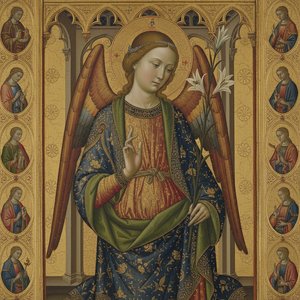
Simone Martini: Innovation, Spirituality & Courtly Refinement in Sienese Painting
Explore the captivating world of Simone Martini, a pivotal figure in Sienese painting & the International Gothic style. Discover his innovative techniques, spiritual depth, and lasting influence on early Renaissance art.

The Enduring Legacy of Fresco: Technique, History & Artistic Expression Across Cultures
Explore the rich history & enduring legacy of fresco painting! Discover ancient techniques, Giotto's masterpieces, and modern applications. Expert insights for art lovers & professionals.

The Enduring Legacy of Fresco Painting: Techniques, History & Contemporary Relevance
Explore the rich history & enduring artistry of fresco painting – from Giotto to Michelangelo! Discover techniques, conservation efforts, & modern applications. Learn how ArtsDot brings this timeless art form to your home.
The Enduring Legacy of Fresco: Technique, History & Artistic Expression
Explore the rich history & enduring artistry of fresco painting. Discover techniques from Giotto to Michelangelo, conservation efforts, & modern applications. Learn how ArtsDot brings this timeless art form to your home.