

 Pregledaj u prostoru
 Pošalji
 Podeli
 Detalji o delu

 Преузми
 Slični predmeti
 Rendgenski snimak
 Slajdovi
 Stats
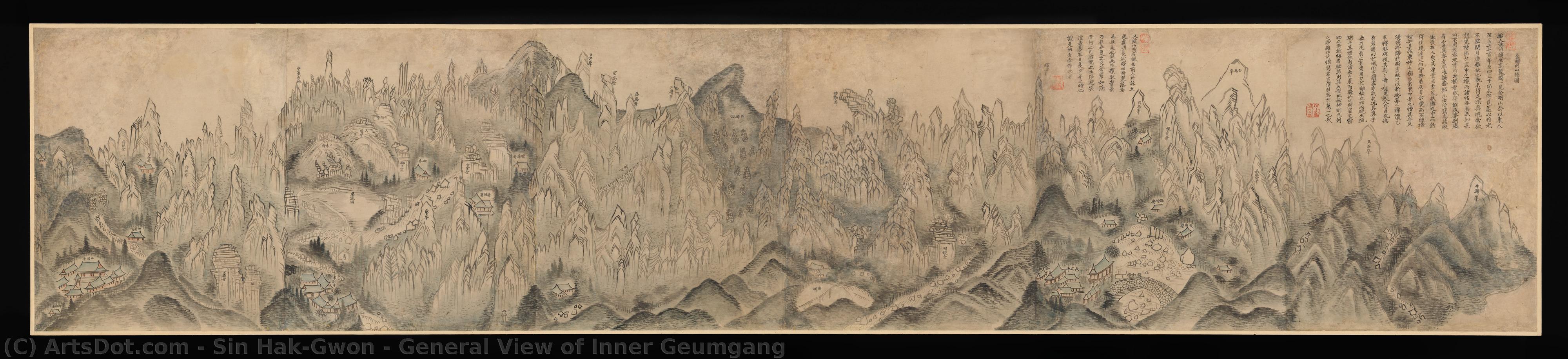
StatsGeneral View of Inner Geumgang
 Ink
Ink- WallArt
- Ink wash painting
 801
801 47.0cm x 235.0cm
 Metropolitan Museum of Art
 Pročitaj više
Ručno rađena uljana reprodukcija
Ručno oslikano uljanim bojama na platnu u dimenzijama i okviru po vašem izboru, izrađeno po porudžbini od strane naših umetnika. ( Switch to Print Switch to Digital Image)




P118B $10

P118H $10

P118W $10

P438Z $10

P508JH $12

P508YH $12

P805H $10

P805Z $10

P919BZ $10

P919G $10

P919XJ $10

P959ZH $10

P968JZ $12

W106C $8

W218G $10

W218JH $8

W218Y $10

W307PJ $10

W316G $10

W316PJ $8

W316Y $10

W398PJ $8

W4111J $10

W500HY $15

W500JH $15

W692G $12

W849H $8

W940BG $15

W953PJ $8




Izaberite jednu od naših unapred definisanih veličina koje odgovaraju originalnim proporcijama umetničkog dela.

Можете унети сопствене димензије како бисте прилагодили дело одређеном оквиру или простору. Ако одабрана величина не одговара пропорцијама оригинала, слика ће бити исечена или проширена додатним елементима који се ручно насликавају. Дигитални prikaz ће вам бити послат на одобрење пре почетка производње.
Имајте на уму да преглед на екрану не одражава стварно исецање или проширење. Само приказ (mockup) ће тачно приказати коначну композицију.
Иако су доступне прилагођене величине, препоручујемо да одаберете димензију из дефинисане листе како бисте сачували оригиналне пропорције.
Nakon narudžbine, tim ArtsDot.com će klijentu putem e-pošte poslati uputstva i dostaviti prikaz predloženog rešenja
Isporuka širom sveta () za 3/4 nedelje umesto uobičajenih 5 nedelja. (8 септембар). Bez kompromisa po pitanju kvaliteta.

Besplatna ekspresna dostava širom sveta

Visokokvalitetno laneno platno

Kompletno osiguranje transporta

Garancija povraćaja carine i uvoznih dažbina

Garancija vernosti boja

Politika povraćaja u roku od 100 dana (isključivo u slučaju nedostataka)

Garancija povrata novca od 100%

Popust pri grupnoj kupovini
 Opcija sa staklom dostupna je samo za dimenzije manje od 110 cm

General View of Inner Geumgang
Tehnika reprodukcije
Dimenzije reprodukcije
-


Konačna cena
$ 263
The Majesty of the Diamond Mountains: A Journey Through Geumgangsan
To gaze upon this panoramic view of Inner Geumgang is to be transported across time and space, deep into the heart of Korea’s spiritual landscape. This artwork is not merely a depiction of mountains; it is an elegy, a profound meditation on endurance, natural grandeur, and the enduring spirit of a nation. The composition unfurls with breathtaking scope, guiding the viewer's eye from one majestic peak to the next, suggesting a pilgrimage across the legendary Geumgangsan, or Diamond Mountains. The sheer scale, captured in this expansive format, evokes an overwhelming sense of awe before nature’s sublime power.
Mastery in Ink: Technique and Aesthetic Echoes
The technical brilliance displayed here is rooted deeply in the tradition of Korean ink wash painting, a style that prioritizes capturing the very essence—the qi—of a scene rather than mere photographic accuracy. The artist, Sin Hak-gwon, masterfully employs varying washes of diluted black ink upon what appears to be silk or fine paper. Observe how the lines vary in thickness; thicker strokes delineate the imposing ridges, while the faintest washes build up an atmospheric mist that softens the edges and suggests immense depth. This technique creates a palpable texture—the rough grit of ancient stone juxtaposed with the ethereal veil of cloud cover. Sin Hak-gwon’s signature touch, echoing the revered Jeong Seon, is visible in the delicate double outlines applied to the spindly peaks, lending an almost otherworldly, dreamlike quality to the formidable rock formations.
A Reflection of History and Longing
Understanding the historical context enriches the viewing experience immeasurably. Created during a period marked by national upheaval, this painting speaks volumes about the cultural yearning for stability and rooted identity. For those who could not physically journey to these sacred peaks, compositions like this served as vital conduits of memory and devotion. The meticulous identification of forty-six renowned sites within the panorama transforms the artwork into an encyclopedic map of Korean heritage. It is a visual testament to resilience, a cultural anchor cast against the tides of turmoil.
Symbolism and Spiritual Resonance
In East Asian art, mountains are never just geology; they are potent symbols. They represent unwavering strength, steadfast stability, and the ascent toward spiritual enlightenment. The meandering streams winding through the valleys symbolize the continuous flow of life and time itself. When you contemplate this piece, consider it a dialogue between humanity and the divine permanence of nature. It invites quiet contemplation, urging the viewer to find their own inner balance amidst the grandeur depicted.
Bringing Serenity Home
For collectors and designers alike, this reproduction offers more than just decoration; it offers an atmosphere. The monochromatic palette—the deep greys, soft browns, and inky blacks—lends itself to sophisticated interior design schemes, providing a focal point of profound calm. Owning this piece is acquiring a piece of cultural narrative, a window into the contemplative soul of Joseon Korea. It promises not just beauty for the wall, but a daily ritual of serene appreciation.
Srodna umetnička dela

Biografija umetnika
Sin Hak-Gwon: A Korean Master of Mountain Landscapes
Born in South Korea during the late Joseon Dynasty (1785-1866), Sin Hak-gwon, also known as Doam, stands as a pivotal figure in Korean landscape painting. His work transcends mere representation; it’s imbued with a profound sense of longing for the majestic Diamond Mountains (Geumgangsan) and reflects the cultural values deeply rooted within Joseon society – a harmonious blend of nature, spirituality, and artistic tradition. While his life remains somewhat shrouded in historical detail, his art speaks volumes about his era and his enduring connection to Korea’s most iconic mountain range.
Sin's artistic journey was profoundly shaped by the prevailing aesthetic principles of the Joseon Dynasty. The emphasis on balance, harmony, and simplicity, hallmarks of this period’s art movement, are clearly evident in his paintings. Unlike the Western tradition that often prioritized individual expression, Korean art during this time valued a connection to nature and a reflection of Confucian ideals – emphasizing respect for ancestors, social order, and the beauty of everyday life. Sin's work is particularly influenced by Jeong Seon (1676–1759), a celebrated Geumgang artist whom he deeply admired. He meticulously studied Jeong’s techniques, striving to capture not just the visual appearance of the mountains but also the emotional resonance they evoked.
The Art of the Diamond Mountains
Sin Hak-gwon's most renowned works depict the Diamond Mountains – a range revered for their breathtaking beauty and spiritual significance. These paintings are far more than simple landscapes; they’re imbued with a sense of mystery, almost dreamlike quality. His signature style involves using rapid, double outlines to define the jagged peaks, creating an ethereal effect that suggests both grandeur and vulnerability. He masterfully employed ink wash techniques, layering delicate washes of color to capture the subtle nuances of light and shadow on the mountainsides.
Notably, Sin’s paintings often include small human figures traversing the mountain paths – a detail rarely found in traditional Korean landscape art. These figures, rendered with minimal detail, serve as a poignant reminder of humanity's connection to nature and the desire to experience its wonders. One particularly striking example is “General View of Inner Geumgang” (1861), which showcases his skill in capturing the vastness and complexity of the mountain range. The painting’s meticulous attention to detail, from the winding streams to the distant temples, reveals a deep understanding of Korean geography and culture.
Notable Works & Artistic Techniques
Beyond “General View of Inner Geumgang,” Sin Hak-gwon produced several other significant works, including "Mount Geumgang" (1866). “Mount Geumgang” exemplifies his ability to convey the serenity and majesty of the natural world through a simplified yet evocative composition. The painting’s use of horizontal brushstrokes creates a sense of spaciousness and tranquility, while the subtle variations in ink wash color capture the changing light conditions on the mountain slopes.
A fascinating aspect of Sin's work is his deliberate imitation of Jeong Seon’s style. He didn’t simply copy Jeong’s techniques; he sought to understand and internalize the artist’s philosophy, striving to capture the same sense of reverence for nature. The inclusion of human figures in his landscapes – a departure from traditional conventions – further demonstrates his desire to imbue his work with a personal touch and a deeper emotional resonance.
Legacy & Historical Significance
Sin Hak-gwon’s paintings represent a significant contribution to Korean art history. His works are not merely beautiful depictions of the Diamond Mountains; they embody the cultural values and artistic sensibilities of the Joseon Dynasty. His meticulous attention to detail, his masterful use of ink wash techniques, and his subtle yet profound exploration of human connection to nature have earned him a place among Korea’s most celebrated landscape artists.
Today, Sin Hak-gwon's paintings are housed in prestigious museums and collections around the world, including the National Museum of Korea. His work continues to inspire artists and art lovers alike, serving as a testament to the enduring beauty and spiritual significance of the Diamond Mountains – and to the artistic genius of Sin Hak-gwon.
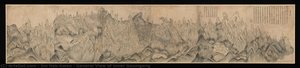
sin hak-gwon
1785 - 1866 , South Korea
Osnovne informacije
- Artistic Movement Or Style: Joseon Dynasty Art
- Artists Or Movements Influenced By This Artist: ['Joseon Dynasty Art Movement']
- Artists Who Influenced This Artist: ['Jeong Seon']
- Date Of Birth: 1785
- Date Of Death: 1866
- Full Name: Sin Hak-gwon (Doam)
- Nationality: Korean
- Notable Artworks:
- General View of Inner Geumgang
- Mount Geumgang
- Place Of Birth: South Korea
Povezani članci

Glavna dela koja su definisala Romantični pejzaž: 10 remek-dela za vaš dom
Otkrijte 10 remek-dela romantičnog pejzažnog slikarstva! Uronite u svet Claude Lorraina, Caspara David Friedricha i Turnera. Ispričane priče umetnosti, inspiracija za dekoraciju doma. Kvalitetne reprodukcije na ArtsDot.com – istražite celu kolekciju online!
Serenity on Canvas: A Guide to the Timeless Beauty of Japanese Landscape Painting
Discover the serene beauty of Japanese landscape painting. From Hokusai's iconic woodblock prints to meditative sumi-e ink washes, explore a visual journey through the 'floating world' and learn how to bring this timeless Zen aesthetic into your modern home decor.

Katsushika Hokusai: 25 Remek-dela Japanskog Umetnika za Vaš Dom | ArtsDot
Uronite u svet Katsushike Hokusaija! Otkrijte 25 remek-dela japanskog umetnika, uključujući čuveni 'Veliki talas'. Ukiyo-e štampe, pejzaži i istorija iza svakog dela. Pronađite inspiraciju za dekor enterijera i kupite reprodukcije slika vrhunskog kvaliteta na ArtsDot.com.
Yi Eungro: Bridging East & West in the Landscape of Korean Modernism
Explore the captivating world of Yi Eungro (Lee Ungno), a pivotal figure in Korean modernism. Discover his unique fusion of Eastern and Western artistic traditions, abstract masterpieces, and lasting legacy. A must-read for discerning art collectors.
Ephemeral Expressions: Exploring the Nuances of Ink on Paper Through History & Contemporary Art
Explore the captivating world of ink wash painting – from its ancient origins to contemporary masters. Discover techniques, symbolism & conservation insights with ArtsDot.com.