

 Pošalji
 Podeli
 Detalji o delu

 Преузми
 Slični predmeti
 Slajdovi
Field for the British Isles


 Pročitaj više
Kupite digitalnu sliku visoke rezolucije i poboljšanog kvaliteta, koja je znatno superiornija od onoga što vidite u online prikazu.
Svaka datoteka je pedantno pripremljena od strane naših stručnjaka koristeći napredne alate i profesionalnu ručnu retušu. Osiguravamo da svaka slika ima izuzetnu oštrinu, preciznu reprodukciju boja i fine detalje.
Konačna datoteka se dostavlja putem e-pošte u roku od 72 sata, optimizovana za neposrednu upotrebu u profesionalnim, izdavačkim i štamparskim okruženjima. To je isti kvalitet kojem veruju vrhunski studiji dizajna, izdavači i galerije.
Digitalna slika
Preuzmite datoteku visoke rezolucije za ličnu upotrebu, štampanje i kreativne projekte. ( Kupi print Kupi ručno naslikanu sliku)
Uključeno uz svaku porudžbinu digitalne slike
Profesionalna digitalna isporuka, zagarantovana
Kada odaberete ArtsDot.com, ne dobijate samo sliku – vi primate profesionalno unapređeno digitalno umetničko delo, izrađeno sa najvećom preciznošću i uz garanciju zadovoljstva. Evo svega što automatski dolazi uz vašu porudžbinu:

Brza dostava putem e-pošte
Vaša digitalna slika visoke rezolucije biće vam poslata putem e-pošte u roku od 72 sata od poručivanja – spremna za trenutnu upotrebu.

Digitalna datoteka unapređena veštačkom inteligencijom
Vaše umetničko delo je profesionalno optimizovano korišćenjem naprednih AI alata i ručne obrade, čime se osiguravaju maksimalni detalji, oštrina i preciznost boja.

Besplatna ponovna isporuka doživotno
Slučajno ste obrisali ili izgubili svoju datoteku? Ne brinite – poslaćemo vam je ponovo u bilo kom trenutku, potpuno besplatno.

Bez troškova uvoza – zauvek
Uživajte u svojim umetničkim delima trenutno, bez carine, dažbina ili troškova dostave – digitalni download je uvek bez poreza.

Garancija vernosti boja
Uz pomoć profesionalnih alata i upravljanja bojama, osiguravamo da vaša digitalna slika što vernije odražava originalne boje.

Garancija zadovoljstva u roku od 100 dana
Ako niste zadovoljni svojom digitalnom slikom, revidirat ćemo je ili vratiti 100% novca u roku od 100 dana – bez ikakvih pitanja.

100% garancija povrata novca
Niste zadovoljni? Obezbedite pun povrat novca u roku od 100 dana od trenutka kada ste primili svoju digitalnu datoteku – bez suvišnih pitanja.

Popusti na velike porudžbine
Kupite 3 slike, uštedite 10% - Kupite 5 slika, uštedite 15% - Kupite 10+ slika, uštedite 20%. Odlično za kreativne projekte, galerije i agencije.
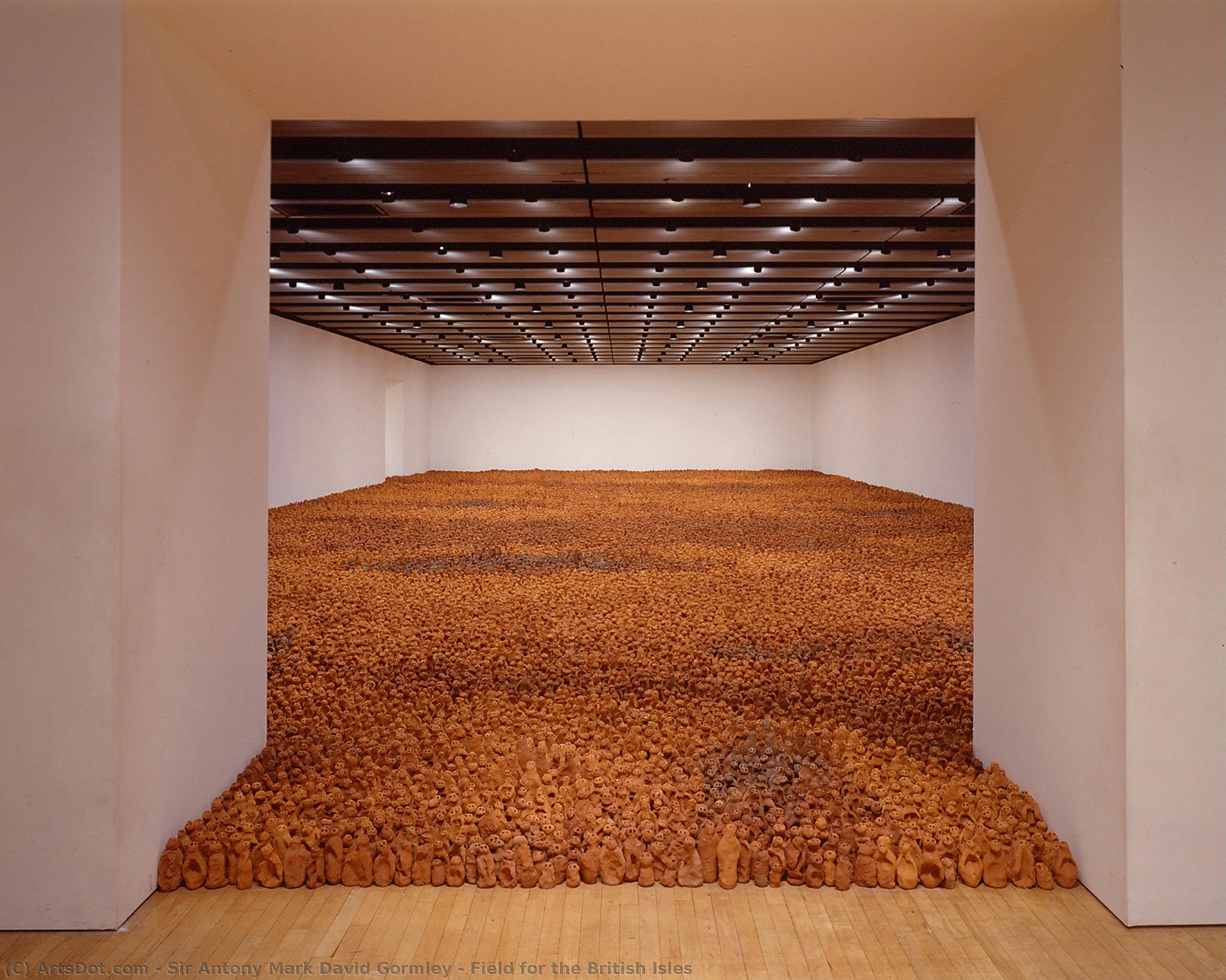
Field for the British Isles: A Silent Dialogue Between Humanity and Landscape
Sir Antony Gormley’s ‘Field for the British Isles’ isn't merely sculpture; it’s an immersive experience, a deliberate provocation designed to unsettle our preconceptions about art and its relationship with the natural world. Created in 1993, this monumental installation—consisting of approximately 40,000 small terracotta figures—immediately commands attention within its enclosed space at Northern Gallery for Contemporary Art (NGCA). The sheer scale is striking, but it’s the meticulous arrangement and unsettling gaze of each figure that truly captivates the viewer.The Genesis of an Idea: Collaboration and Materiality
Gormley conceived ‘Field’ with a remarkable degree of participatory engagement. He invited 100 volunteers to contribute to its creation, tasked with crafting individual clay figures according to simple guidelines—hand-sized, upright, and equipped with eyes. This process wasn't simply about producing objects; it was about fostering a collective effort, mirroring the interconnectedness he wished to convey. The terracotta itself – fired clay – speaks volumes about Gormley’s artistic philosophy. It’s an earthy material, grounding the artwork in the tangible realities of the British landscape and referencing ancient traditions of ceramic sculpture. This deliberate choice underscores a connection to history and craftsmanship.A Landscape of Observation: Contextual Significance
The installation's placement within NGCA—a former British Rail Works—adds another layer of resonance. The industrial heritage of Gateshead serves as a counterpoint to the organic form of the figures, highlighting the tension between human activity and natural beauty – a theme central to Gormley’s broader artistic concerns. Furthermore, the artwork aligns with Gormley's fascination with Buddhist philosophy, which emphasizes mindfulness and awareness of one's surroundings—a concept powerfully embodied in the gaze of each terracotta figure. It invites contemplation on our role within the environment and prompts us to consider how we perceive and interact with the world around us.Symbolism Beyond Form: The Silent Conversation
The figures’ unwavering stare is arguably the artwork’s most potent symbolic element. They don't speak in words; they communicate through observation, mirroring humanity’s constant engagement with its surroundings. This deliberate absence of vocal expression compels viewers to confront their own gaze and consider how they perceive others—and indeed, how they perceive themselves. The repetition of form – each figure identical – reinforces the idea of universality, suggesting that we are all fundamentally similar in our desire for connection and understanding.Emotional Impact: A Momentary Pause for Reflection
‘Field for the British Isles’ transcends mere visual spectacle; it fosters a profound emotional response. Its immensity overwhelms us with its scale, yet simultaneously draws us inward through the gaze of each figure. There's an undeniable feeling of vulnerability—a recognition that we are confronted by something larger than ourselves, something silent and enduring. It encourages introspection and prompts us to consider our place within the grand tapestry of existence. This artwork remains a testament to Gormley’s ability to transform material into contemplation, solidifying his position as one of Britain's most influential sculptors.Srodna umetnička dela



Biografija umetnika
A Life Sculpted in Space and Time
Sir Antony Mark David Gormley, born in Hampstead, United Kingdom, on August 30, 1950, is arguably one of Britain’s most significant contemporary sculptors. His artistic journey began not within the confines of a studio, but amidst a broader exploration of human existence and our place within the vastness of the world. Gormley's upbringing in an art-appreciative family laid an early foundation, yet it was his academic pursuits at Ampleforth College, followed by studies in Archaeology, Anthropology, and the History of Art at Trinity College, Cambridge (1968-1971), that truly ignited a fascination with the human story. This intellectual curiosity wasn’t confined to books; a period of travel through India and Ceylon (Sri Lanka) between 1971 and 1974 profoundly impacted his perspective, introducing him to Buddhist philosophies that would subtly inform his later work. He continued his artistic education at Saint Martin's School of Art and Goldsmiths College, London, culminating in postgraduate sculpture studies at the Slade School of Fine Art (1977-1979). This rigorous training provided the technical skills necessary to translate his increasingly complex ideas into tangible form.The Body as a Vessel: Influences and Artistic Development
Gormley’s early work is characterized by an intense focus on the human body, not merely as anatomical subject matter, but as a conduit for exploring themes of space, perception, and self-awareness. He frequently employed his own form as a recurring motif, creating casts that served as both self-portraits and universal representations of humanity. This practice wasn’t born in isolation; Gormley draws inspiration from a diverse range of artistic movements, including the minimalist austerity of Donald Judd and Carl Andre, the land art interventions of Robert Smithson and Walter De Maria, and the existentialist inquiries of philosophers like Jean-Paul Sartre and Albert Camus. The influence of artists such as Joseph Beuys, with his emphasis on shamanistic ritual and social sculpture, and Richard Long, whose walking sculptures highlighted the relationship between body and landscape, is also readily apparent. Crucially, Gormley’s work is deeply rooted in phenomenology – the study of experience and consciousness – seeking to create artworks that engage viewers not just intellectually, but viscerally, prompting a direct, embodied response.Landmarks of the Human Condition: Major Works
Throughout his career, Gormley has consistently pushed the boundaries of sculpture, creating works that are both monumental in scale and deeply intimate in their exploration of human experience. Perhaps his most iconic creation is Angel of the North (1998), a colossal steel sculpture standing sentinel near Gateshead, England. More than just a landmark, it has become a powerful symbol of the region and a testament to the enduring spirit of British art. Another Place (1997-present) is another defining work – an evolving installation consisting of 100 cast iron figures spread along Crosby Beach near Liverpool. These solitary forms, seemingly stranded between land and sea, evoke themes of isolation, vulnerability, and humanity’s complex relationship with the natural world. Event Horizon (2007), a multipart site installation that traveled to London, New York, São Paulo, and Hong Kong, took this exploration further, placing life-size casts of Gormley's body on rooftops and other urban locations, challenging our perceptions of public space and the human presence within it. Earlier works like Field for the British Isles (1993), a large-scale installation comprised of thousands of clay figures created by local communities, demonstrated his commitment to collective participation and the representation of shared identity. More recently, Mind Matter (2018) at the Royal Academy in London showcased sculptures crafted from iron filings and other materials, delving into the elusive connection between matter and consciousness.A Legacy Forged in Steel and Stone
Sir Antony Gormley’s impact on contemporary art is undeniable. He has transformed urban landscapes with his monumental public artworks, sparking dialogue about art's role in society and its ability to connect us to something larger than ourselves. His work consistently engages with fundamental questions of human existence – our relationship to space, time, nature, and each other. He received a Knighthood in 1997 for his services to the visual arts, solidifying his position as a leading figure in British culture. Gormley’s sculptures are not merely objects to be admired; they are invitations to contemplate our own place in the world, to confront our vulnerabilities, and to recognize the shared humanity that binds us together. His legacy extends beyond individual artworks, inspiring artists and audiences alike to explore the profound mysteries of being human.Continued Exploration
- Gormley continues to work and exhibit internationally.
- His practice remains focused on the human form and its relationship to space.
- He is a passionate advocate for art education and public engagement with the arts.
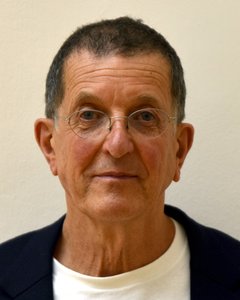
Sir Antony Mark David Gormley
1950 - , United Kingdom
Kratke činjenice
- Artistic Movement Or Style: Minimalism, Land art
- Artists Who Influenced This Artist:
- Joseph Beuys
- Richard Long
- Date Of Birth: August 30, 1950
- Full Name: Sir Antony Mark David Gormley
- Nationality: British
- Notable Artworks:
- Angel of the North
- Another Place
- Event Horizon
- Field for the British Isles
- Mind Matter
- Place Of Birth: Hampstead, UK