

 Pregledaj u prostoru
 Pošalji
 Podeli
 Detalji o delu

 Преузми
 Slični predmeti
 Rendgenski snimak
 Slajdovi
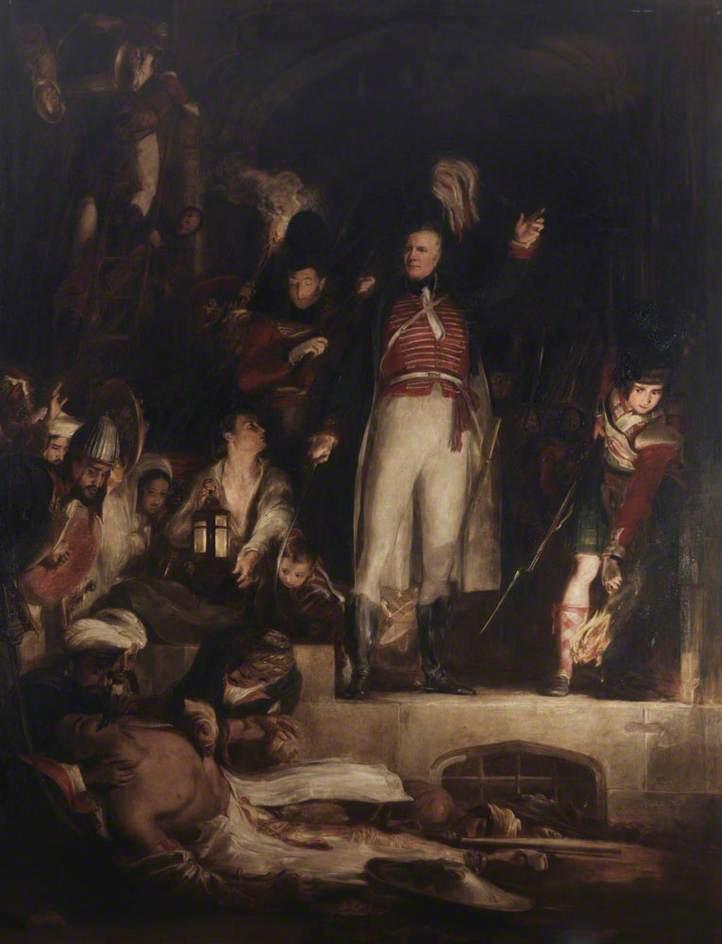
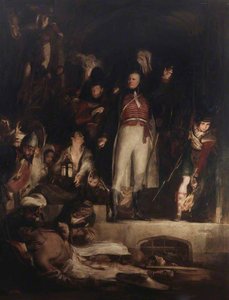
General Sir David Baird Discovering the Body of Sultan Tippoo Sahib


 Pročitaj više
Ručno rađena uljana reprodukcija
Ručno oslikano uljanim bojama na platnu u dimenzijama i okviru po vašem izboru, izrađeno po porudžbini od strane naših umetnika. ( Kupi print Kupi digitalnu sliku)




P118B $10

P118H $10

P118W $10

P438Z $10

P508JH $12

P508YH $12

P805H $10

P805Z $10

P919BZ $10

P919G $10

P919XJ $10

P959ZH $10

P968JZ $12

W106C $8

W218G $10

W218JH $8

W218Y $10

W307PJ $10

W316G $10

W316PJ $8

W316Y $10

W398PJ $8

W4111J $10

W500HY $15

W500JH $15

W692G $12

W849H $8

W940BG $15

W953PJ $8




Izaberite jednu od naših unapred definisanih veličina koje odgovaraju originalnim proporcijama umetničkog dela.

Можете унети сопствене димензије како бисте прилагодили дело одређеном оквиру или простору. Ако одабрана величина не одговара пропорцијама оригинала, слика ће бити исечена или проширена додатним елементима који се ручно насликавају. Дигитални prikaz ће вам бити послат на одобрење пре почетка производње.
Имајте на уму да преглед на екрану не одражава стварно исецање или проширење. Само приказ (mockup) ће тачно приказати коначну композицију.
Иако су доступне прилагођене величине, препоручујемо да одаберете димензију из дефинисане листе како бисте сачували оригиналне пропорције.
Nakon narudžbine, tim ArtsDot.com će klijentu putem e-pošte poslati uputstva i dostaviti prikaz predloženog rešenja
Isporuka širom sveta () za 3/4 nedelje umesto uobičajenih 5 nedelja. (26 август). Bez kompromisa po pitanju kvaliteta.

Besplatna ekspresna dostava širom sveta

Visokokvalitetno laneno platno

Kompletno osiguranje transporta

Garancija povraćaja carine i uvoznih dažbina

Garancija vernosti boja

Politika povrata u roku od 60 dana (samo u slučaju nedostataka)

Garancija povrata novca od 100%

Popust pri grupnoj kupovini
 Opcija sa staklom dostupna je samo za dimenzije manje od 110 cm

General Sir David Baird Discovering the Body of Sultan Tippoo Sahib
Tehnika reprodukcije
Dimenzije reprodukcije
-


Konačna cena
$ 263
Opis umetničkog dela
A Moment Frozen in Triumph: Wilkie’s Baird at Seringapatam
Sir David Wilkie's "General Sir David Baird Discovering the Body of Sultan Tippoo Sahib after Having Captured Seringapatam, on the 4th May, 1799" is more than just a historical painting; it’s a visceral tableau of victory steeped in drama and profound human emotion. Completed in 1839, this monumental canvas transports us to the chaotic aftermath of the Anglo-Mysore War, capturing a pivotal moment that reverberates with strategic significance and poignant loss. Wilkie, already celebrated for his ability to imbue everyday life with remarkable empathy – earning him the moniker “The People’s Painter” – here demonstrates his mastery of theatrical composition and psychological depth.
At first glance, the scene unfolds within a claustrophobic tunnel of shattered stone and billowing smoke, remnants of the besieged Seringapatam fortress. General Sir David Baird, a figure of stoic command in his scarlet uniform, stands at the forefront, his hand raised – not in triumphant gesture, but with an air of solemn contemplation. He’s flanked by British troops, their faces etched with exhaustion and a grim satisfaction, yet also tinged with a palpable sense of unease. The focal point, however, is the body of Sultan Tippoo Sahib, sprawled amidst the debris, a symbol of both defeat and the brutal realities of colonial ambition. The artist’s meticulous rendering of the fallen ruler – his opulent attire stained with blood, his face frozen in a final expression of defiance – immediately compels our empathy, forcing us to confront the human cost of war.
The Romantic Drama: Composition and Technique
Wilkie's genius lies not merely in depicting a historical event but in crafting an intensely dramatic scene. The composition is masterfully controlled, utilizing converging lines that draw the viewer’s eye towards Baird and the body of Tippoo Sahib. The use of chiaroscuro – the stark contrast between light and shadow – intensifies the theatricality of the moment, highlighting key figures while shrouding others in darkness, creating a sense of mystery and foreboding. The artist employs loose, expressive brushstrokes, characteristic of the Romantic movement, to convey the energy and chaos of the battlefield. Note particularly how Wilkie captures the texture of the stone, the billowing smoke, and the folds of the soldiers’ uniforms – details that contribute significantly to the painting's immersive quality.
The color palette is deliberately restrained, dominated by earthy tones—ochres, browns, and grays—reflecting the grim reality of war. However, flashes of crimson from the blood and the scarlet of Baird’s uniform punctuate the scene, drawing attention to the central drama. The lighting, originating from an unseen source above, casts dramatic shadows that heighten the sense of tension and uncertainty. Wilkie's technical skill is evident in his ability to create a convincing illusion of depth and space within this confined setting.
Historical Context: A Turning Point
“General Sir David Baird Discovering the Body of Sultan Tippoo Sahib” commemorates a decisive victory for the British East India Company, marking a turning point in the Third Anglo-Mysore War. The capture of Seringapatam and the death of Tippoo Sahib effectively ended Mysore’s independence and solidified British dominance in Southern India. The painting was commissioned by Baird's widow, Lady Baird, as a poignant memorial to her husband’s achievements – a testament to his military prowess and strategic acumen. It’s important to note that Wilkie based his depiction of Baird on a posthumous portrait by Henry Raeburn, adding another layer of historical significance to the work.
The painting's creation coincided with a period of intense political and social upheaval in Britain, marked by industrialization, urbanization, and growing anxieties about empire. Wilkie’s portrayal of this pivotal moment reflects these broader concerns, offering a complex meditation on themes of power, ambition, loss, and the human cost of conflict. The scene subtly hints at the moral ambiguities inherent in colonial expansion – a subject that would later become increasingly scrutinized by historians and artists.
Symbolism and Emotional Resonance
Beyond its historical significance, “General Sir David Baird Discovering the Body of Sultan Tippoo Sahib” is rich in symbolism. The fallen ruler represents not only military defeat but also the demise of a once-powerful kingdom and the disruption of established traditions. Baird’s gesture – raised hand, thoughtful expression – suggests a complex mix of emotions: pride, duty, and perhaps even regret. The painting invites us to contemplate the ethical implications of conquest and the enduring legacy of war.
Wilkie's masterful use of light and shadow, combined with his dramatic composition and psychological insight, creates an emotionally resonant experience for the viewer. The image lingers in the mind long after it has been viewed, prompting reflection on the human cost of conflict and the complexities of historical narratives. It remains a powerful testament to Wilkie’s artistic genius and a significant work within the broader context of Romantic painting.
Srodna umetnička dela


Biografija umetnika
Ser Dejvid Vilki (1785–1841): Narodni slikar i romantičarski vizionar
Dejvid Vilki, rođen 18. novembra 1785. godine u Škotskoj, predstavlja ključnu figuru britanske umetnosti devetnaestog veka. Bio je slikar koji se nije slavio samo zbog svoje tehničke virtuoznosti, već i zbog sposobnosti da sa izuzetnom empatijom dočara duh svakodnevnog života. Otišao je iz ovog sveta 1. juna 1841. godine, ostavivši za sobom impresivno delo koje i danas budi divljenje i naučno istraživanje. Njegov umetnički put počeo je usred bujanja pokreta romantizma, što je duboko oblikovalo njegov prepoznatljiv stil i tematske prioritete. Njegove formativne godine provedene su u Edinburgu, gde je pod mentorstvom Džona Ramzija prošao kroz rigoroznu umetničku obuku, usavršavajući veštine crtanja i slikanja pejzaža i portreta. Ova temeljna edukacija u njemu je usadila pedantnu pažnju posvećenu detaljima i duboko razumevanje tonalnih prelaza – karakteristika koje će postati zaštitni znak njegovog zrelog stvaralaštva. Njegov talenat je brzo privukao priznanje, lansirajući ga ka umetničkoj sceni Londona, gde se etablirao kao poštovani umetnik i predavač. Vilki se najviše istaknuo kroz žanrovsko slikarstvo – priče koje prikazuju običan život sa neuobičajenim stepenom realizma i psihološke dubine. Za razliku od mnogih svojih savremenika koji su težili grandioznim istorijskim narativima, Vilki se fokusirao na hvatanje nijansi ljudskog iskustva: izraza emocija, interakcija između pojedinaca i suptilnih detalja koji prenose atmosferu i karakter. Njegovo remek-delo, „Čelsi penzioneri čitaju vatrenicu iz Vaterloa“, savršeno je primer ovog pristupa; to nije samo prikaz istorijskog događaja, već uranjanje u svet samih ljudi, prenoseći njihovu teskobnu nadu, strepnju i drugarstvo sa zadivljujućom preciznošću. Ovo čuveno platno danas se čuva u Apsli kući (Apsley House). Reputacija je Vilkiju dosegla vrhunac kada je imenovan za glavnog slikara kralja Vilijama IV i kraljice Viktorije – prestižna pozicija koja mu je osigurala porudžbine monumentalnih istorijskih slika i portreta članova kraljevske porodice. On je ovaj izazov prihvatio sa karakterističnom posvećenošću, stvarajući platna prožeta veličanstvenom raskošću i romantičarskim idealizmom. Njegov stil je kroz vreme evoluirao, upijajući uticaje Karavađoa i Rembrandta, ali je uvek zadržao specifično škotsku senzibilnost, prepoznatljivu po svetlosnim paletama boja i majstorskom potezu četkice. Njegova nećaka, Sofija Vilki (kasnije gospođa Džejms Vinfil d), bila je važna pokrovnica njegovih umetničkih poduhvata. Umetničko nasleđe Dejvida Vilkija prevazilazi pojedinačna dela; on je duboko uticao na razvoj britanske umetnosti. Njegovo pedantno posmatranje prirode, vidljivo u pejzažima poput „Pastirice koja se vraća nakon napajanja stoke“, učinilo ga je pionirem topografskog slikarstva. Štaviše, njegovi portreti, uključujući one kraljice Viktorije i princa Alberta, smatraju se među najlepšim u svom dobu, jer nisu samo zabeležili fizičku sličnost, već i psihološku dubinu subjekta. Možete istražiti i njegovu temu „Biblioteka“ – zadivljujuće neoklasično delo besprekorne detaljnosti i majstorske tehnike. U istom duhu umetničke potrage, možemo se osvrnuti na rad Mekolma Simonsa (1946–2014), legende britanskog skuter-trkaštva koji je jedinstveno prešao u svet slikarstva, čije delo svedoči o spoju adrenalina i kreativnosti. Takođe, značajan trag ostavlja i Čarls Šrif, gluvi škotski miniaturista poznat po svojim izvrsnim portretima i pejzažima. Trajan uticaj Dejvida Vilkija na britansko slikarstvo proističe iz njegove nepokolebljive posvećenosti realizmu u spoju sa romantičarskim emocijama – sintezi koja je rezultirala slikama duboke lepote i psihološkog odjeka. Njegovo delo nastavlja da rezonuje sa publikom i danas, učvršćujući njegovo mesto kao „narodnog slikara“ i istinskog vizionara svog vremena.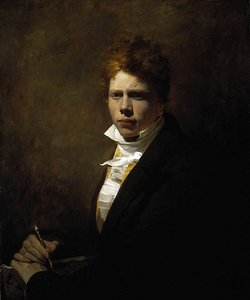
Sir David Wilkie
1785 - 1841 , Škotska
Osnovne informacije
- Artistic Movement Or Style: Žanrovsko slikarstvo
- Artists Or Movements Influenced By This Artist: ['Britanska umetnost']
- Artists Who Influenced This Artist: ['Romantizam']
- Date Of Birth: 18. novembar 1785.
- Date Of Death: 1. jun 1841.
- Full Name: David Wilkie
- Nationality: Škotski
- Notable Artworks:
- Čelzijski penzioneri čitaju vest o Waterloo-u
- Bibliotečki ormar
- Place Of Birth: Škotska
Povezani članci
Sir David Wilkie: Narrative Detail & the Rise of Victorian Genre Painting
Explore the life & work of Sir David Wilkie, a pivotal figure in Victorian genre painting. Discover his narrative detail, social commentary, and lasting influence on 19th-century British art. Learn more at ArtsDot.
The Evocative Brushstroke: Exploring Emotion, Individuality & the Sublime in Romanticism's Artistic Landscape
Explore the passionate world of Romanticism! Discover masterpieces by Friedrich & Goya, delve into the sublime, and understand the movement's lasting impact on art history. Expert analysis & insights at ArtsDot.
Top 10 Remek Dela Romantizma: Putovanje kroz Umjetnost i Emocije
Otkrijte 10 remek dela romantizma koja su obeležila umetnost! Uronite u priče o poznatim slikarima, emotivnim pejzažima i majstorskim tehnikama. Inspiracija za vaš dom – reprodukcije vrhunskog kvaliteta na ArtsDot.com!
The Sublime and the Sensual: Exploring Emotion & Individuality in Romanticism's Artistic Revolution
Explore the passionate world of Romanticism! Discover masterpieces by Friedrich & Goya, delve into the sublime, and understand the movement's lasting impact on art history. Expert analysis & insights.

Caspar David Friedrich: Romanticism's Master of Landscape & the Sublimity of Inner Experience
Explore the profound landscapes of Caspar David Friedrich, a master of German Romanticism. Discover the symbolism, themes & enduring influence of this iconic artist. A deep dive into his life and work.

