

 Pregledaj u prostoru
 Pošalji
 Podeli
 Detalji o delu

 Преузми
 Slični predmeti
 Rendgenski snimak
 Slajdovi
 Stats
StatsDaphne
 Art Nouveau
 1897
1897 50.0 x 15.0 cm
 Art Gallery of New South Wales
 Pročitaj više
Giclee štampa / Umetnički otisak
Giclée štampa ili print na platnu muzejskog kvaliteta uz brzu proizvodnju i fleksibilne opcije završne obrade. ( Kupi ručno naslikanu sliku Switch to Digital Image)




P118B $10

P118H $10

P118W $10

P438Z $10

P508JH $12

P508YH $12

P805H $10

P805Z $10

P919BZ $10

P919G $10

P919XJ $10

P959ZH $10

P968JZ $12

W106C $8

W218G $10

W218JH $8

W218Y $10

W307PJ $10

W316G $10

W316PJ $8

W316Y $10

W398PJ $8

W4111J $10

W500HY $15

W500JH $15

W692G $12

W849H $8

W940BG $15

W953PJ $8




Izaberite jednu od naših unapred definisanih veličina koje odgovaraju originalnim proporcijama umetničkog dela.

Možete uneti sopstvene dimenzije kako biste umetničko delo prilagodili specifičnom okviru ili prostoru. Ako odabrani format ne odgovara proporcijama originalne slike, mi ćemo ili iscrtati deo dela ili proširiti sliku pomoću ogledane ivice ili jednobojnog popunjavanja. Digitalni prikaz će vam biti poslat na odobrenje pre početka proizvodnje.
Imajte na umu da pregled na ekranu ne odražava stvarno iscrtavanje ili proširivanje. Samo će prikaz (mockup) precizno pokazati finalnu kompoziciju.
Iako su prilagođene dimenzije dostupne, preporučujemo da odaberete dimenziju sa unapred definisane liste kako biste očuvali originalne proporcije.
Dostava širom sveta () za 2 nedelje umesto uobičajenih 4/5 nedelja. (8 септембар)

Besplatna ekspresna dostava širom sveta

Visokokvalitetno laneno platno

Kompletno osiguranje transporta

Garancija povraćaja carine i uvoznih dažbina

Garancija vernosti boja

Politika povraćaja u roku od 100 dana (isključivo u slučaju nedostataka)

Garancija povrata novca od 100%

Popust pri grupnoj kupovini
 Opcija sa staklom dostupna je samo za dimenzije manje od 110 cm

Daphne
Giclee štampa / Umetnički otisak
Dimenzije reprodukcije
-


Konačna cena
$ 62
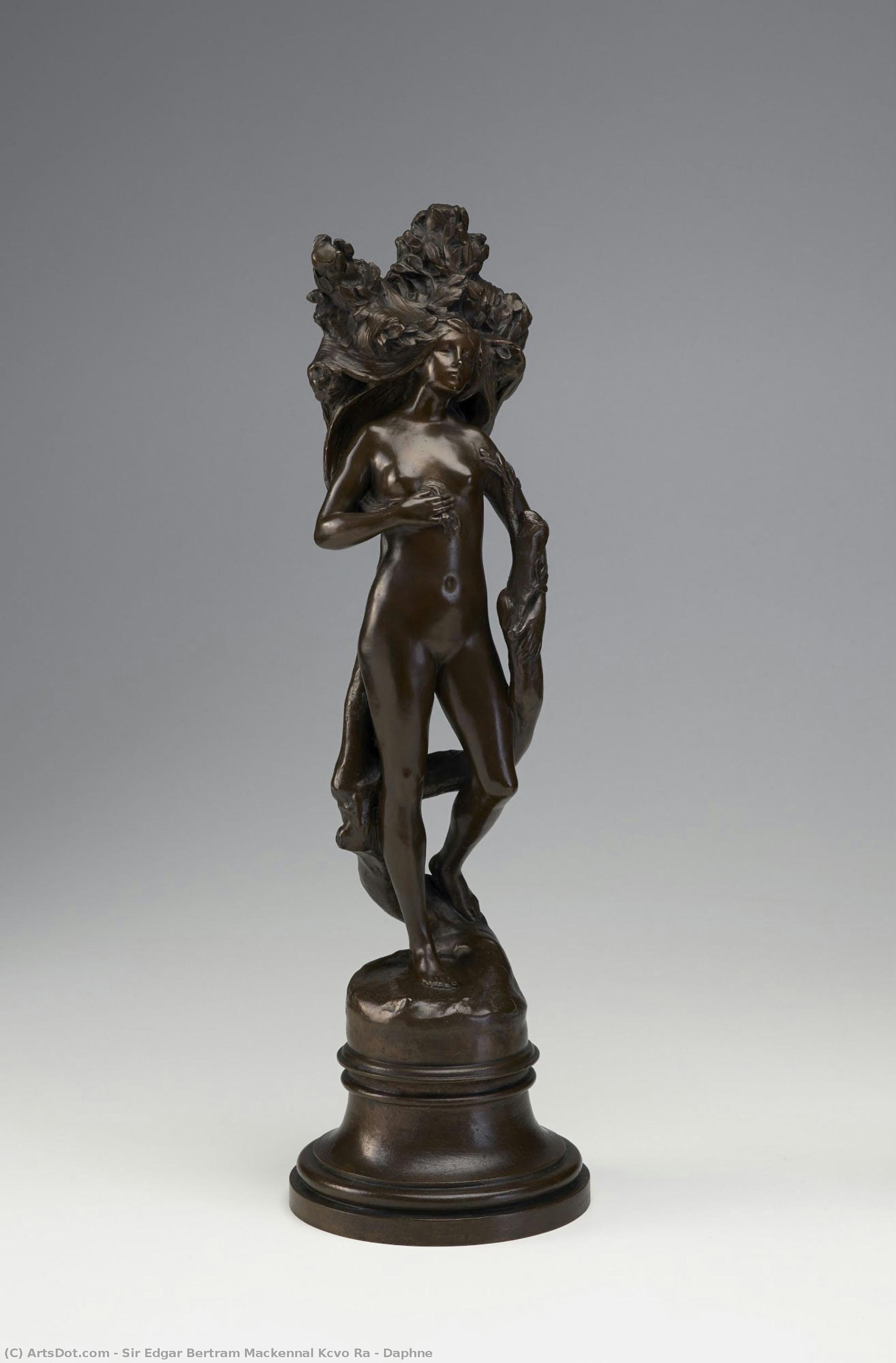
A Moment of Transformation: Exploring Bertram Mackennal’s “Daphne”
Bertram Mackennal's 1897 bronze sculpture, "Daphne," is more than a depiction of a classical myth; it’s a profound meditation on metamorphosis, desire, and the delicate balance between earthly beauty and ethereal grace. Born in Melbourne, Australia, during a period of intense artistic exchange between Europe and its colonies, Mackennal skillfully blended the influences of Symbolism, Neo-Classicism, and the burgeoning New Sculpture movement to create a work that continues to resonate with viewers today. The sculpture’s enduring appeal lies not just in its technical mastery but also in its ability to evoke a powerful emotional response – a sense of both vulnerability and defiant beauty.
The subject matter itself—the myth of Daphne fleeing Apollo's pursuit—is rich with symbolism. Daphne, transformed into a laurel tree to escape the god’s ardent affections, represents a rejection of forced intimacy and an assertion of self-preservation. Apollo, in turn, embodies relentless desire, forever chasing an unattainable ideal. Mackennal doesn’t simply illustrate this narrative; he captures the *feeling* of Daphne's flight – the urgency, the terror, yet also a strange sense of liberation. The artist masterfully translates the abstract concept of transformation into a tangible form, inviting us to contemplate the nature of change and the choices we make in response to overwhelming forces.
Crafting Bronze: Technique and Materiality
Mackennal’s technical skill is immediately apparent in the sculpture's exquisite detail. Executed using the traditional lost-wax casting technique, a process demanding immense patience and precision, “Daphne” showcases a remarkable understanding of bronze as a material. The artist skillfully manipulated the surface to create a dynamic interplay of light and shadow, emphasizing the figure’s sinuous curves and the flowing drapery. Note the subtle variations in texture – the polished smoothness of her skin contrasting with the rougher, more textured areas of the tree-like branches that emerge from her form. This textural richness not only adds realism but also contributes to the sculpture's overall sense of movement and vitality.
The choice of bronze itself is significant. Bronze possesses a timeless quality, lending the sculpture an air of permanence and gravitas. It’s a material that has been used for centuries to depict figures of power and beauty, and Mackennal clearly understands its expressive potential. The warm, earthy tones of the bronze further enhance the sculpture's emotional impact, evoking feelings of both strength and vulnerability.
A Fusion of Styles: Symbolism and Artistic Influences
“Daphne” exemplifies Mackennal’s engagement with multiple artistic currents. Drawing inspiration from the Neo-Classical tradition—evident in the sculpture's balanced composition, idealized forms, and classical references—he simultaneously incorporates elements of Art Nouveau, characterized by its flowing lines, organic motifs, and emphasis on decorative detail. The arabesque curves that define Daphne’s body and drapery are a clear homage to this influential style. Furthermore, Mackennal was influenced by the New Sculpture movement, which sought to break away from the rigid conventions of academic sculpture and embrace more expressive forms.
The sculpture's emotional depth is further enhanced by its connection to Symbolist philosophy, which explored themes of psychology, spirituality, and the subconscious. Mackennal’s depiction of Daphne’s transformation isn’t simply a literal representation of myth; it’s an exploration of inner states – fear, desire, liberation. The sculpture invites us to contemplate the complexities of human emotion and the transformative power of the imagination.
A Legacy of Beauty: “Daphne” in Context
Created during a period of rapid artistic innovation, “Daphne” stands as a testament to Bertram Mackennal’s exceptional talent and his ability to synthesize diverse influences. The sculpture's success reflected the growing appreciation for figurative sculpture within Australia and its increasing recognition on the international stage. Today, "Daphne" remains a captivating work of art, offering viewers a glimpse into a world of myth, emotion, and artistic brilliance. Its enduring appeal lies in its ability to transcend time and connect us with the timeless themes that have captivated artists and audiences for centuries.
Srodna umetnička dela
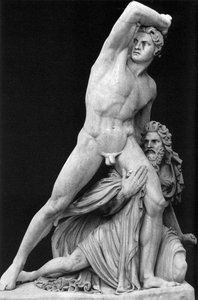
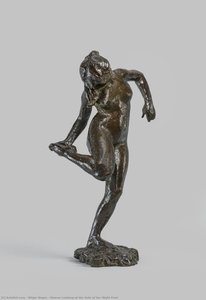
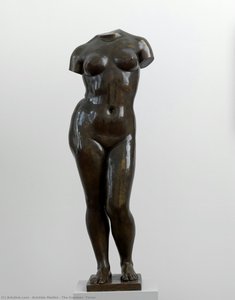
Biografija umetnika
Early Life and Training
Sir Edgar Bertram Mackennal (1863-1931) was born in Melbourne, Australia, the second son of John Simpson Mackennal (1832-1901), a Scottish immigrant and architectural sculptor, and Annabella Hyde. His father instilled in him an early passion for sculpture, recognizing his innate talent and providing him with invaluable training from a young age. Bertram’s formative years were spent studying under his father's guidance, absorbing the principles of craftsmanship and artistic vision that would define his future career. He continued his education at Melbourne School of Art, honing his skills in modeling and design before embarking on a transformative journey to London in 1882. There, he enrolled at the National Gallery Schools, immersing himself in the burgeoning British sculptural tradition and encountering influential mentors who shaped his artistic sensibilities.London Years and Artistic Development
Upon arriving in London, Mackennal joined forces with fellow students Charles Douglas Richardson and Tom Roberts, establishing a studio that fostered intellectual exchange and collaborative experimentation. This formative period exposed him to the avant-garde currents of Impressionism and Symbolism, profoundly impacting his artistic style. He actively participated in exhibitions at the Royal Academy, showcasing his evolving repertoire of works—from monumental sculptures like St George’s Chapel, Windsor – a joint commission with Sir Edwin Lutyens – to smaller, more intimate pieces exploring themes of mythology and human emotion. His dedication to mastering technique and capturing nuanced expressions solidified his reputation as one of Britain's leading sculptors.Notable Sculptures and Commissions
Mackennal’s prolific output spanned a remarkable range of projects—memorial tombs, monumental sculptures celebrating royal figures (including George V), decorative reliefs for public buildings, and numerous portraits capturing the likenesses of prominent individuals. His most celebrated achievements include the design of the coinage featuring George V – a testament to his meticulous craftsmanship and artistic vision – and the creation of ‘Circe,’ a striking depiction of mythological figure inspired by Gustave Moreau’s paintings, which garnered honorable mention at the Paris Salon. These commissions underscored Mackennal's ability to translate conceptual ideas into tangible forms, leaving an indelible mark on the landscape of British sculpture.Recognition and Legacy
Mackennal was awarded an Associate Membership of the Royal Academy in 1909 and a Knight Commander Order of the Victorian Crown (KCVO) in 1921, recognizing his distinguished contributions to art and scholarship. He remained active until his death in London in 1931, continuing to pursue artistic endeavors and mentor younger sculptors. His influence extended beyond his own lifetime, shaping the aesthetic sensibilities of subsequent generations and establishing him as a pivotal figure in the British Sculpture Movement—a movement characterized by its embrace of expressive realism and exploration of psychological depth.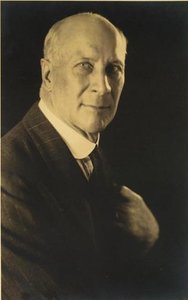
sir edgar bertram mackennal kcvo ra
1863 - 1931 , Australia
Osnovne informacije
- Artistic Movement Or Style: Early Sculpture Movement
- Artists Or Movements Influenced By This Artist: ['Rodin']
- Artists Who Influenced This Artist:
- Charles Douglas Richardson
- Tom Roberts
- Date Of Birth: June 12, 1863
- Date Of Death: October 10, 1931
- Full Name: Sir Edgar Bertram Mackennal KCVO RA
- Nationality: Australian
- Notable Artworks:
- The Dancer
- Daphne
- Circe
- Place Of Birth: Melbourne, Australia
Povezani članci
The Enduring Legacy of Bronze Sculpture: A Collector's Guide to Form & Cultural Significance
Explore the rich history & enduring appeal of bronze sculpture with expert insights for collectors at ArtsDot. Learn about casting techniques, iconic artists, and collecting tips to build a discerning art collection.

The Enduring Legacy of Bronze: A Historical & Artistic Exploration for the Collector
Explore the rich history & enduring appeal of bronze sculpture with expert insights for collectors at ArtsDot. Learn about casting techniques, iconic artists, collecting tips & contemporary interpretations.
The Enduring Legacy of Bronze: History, Technique & Artistic Expression for the Collector
Explore the rich history & enduring appeal of bronze sculpture with expert insights for collectors at ArtsDot. Learn about casting techniques, iconic artists, and collecting tips.

Bronze Sculptures That Defined Art History | ArtsDot
Journey through art history with our Top 10 bronze sculptures! Explore masterpieces by Rodin, Michelangelo & more. Discover stories behind iconic statues and find museum-quality reproductions for your home decor at ArtsDot.com.

Bronze Age to Modern Masters: 10 Sculptures That Redefined Art | ArtsDot
Journey through art history with 10 legendary bronze sculptures – from Michelangelo's David to Rodin’s Thinker. Explore the stories, techniques & timeless beauty of these masterpieces. Find museum-quality reproductions & elevate your home decor on ArtsDot.com.