

 Pregledaj u prostoru
 Pošalji
 Podeli
 Detalji o delu

 Преузми
 Slični predmeti
 Rendgenski snimak
 Slajdovi
 Stats
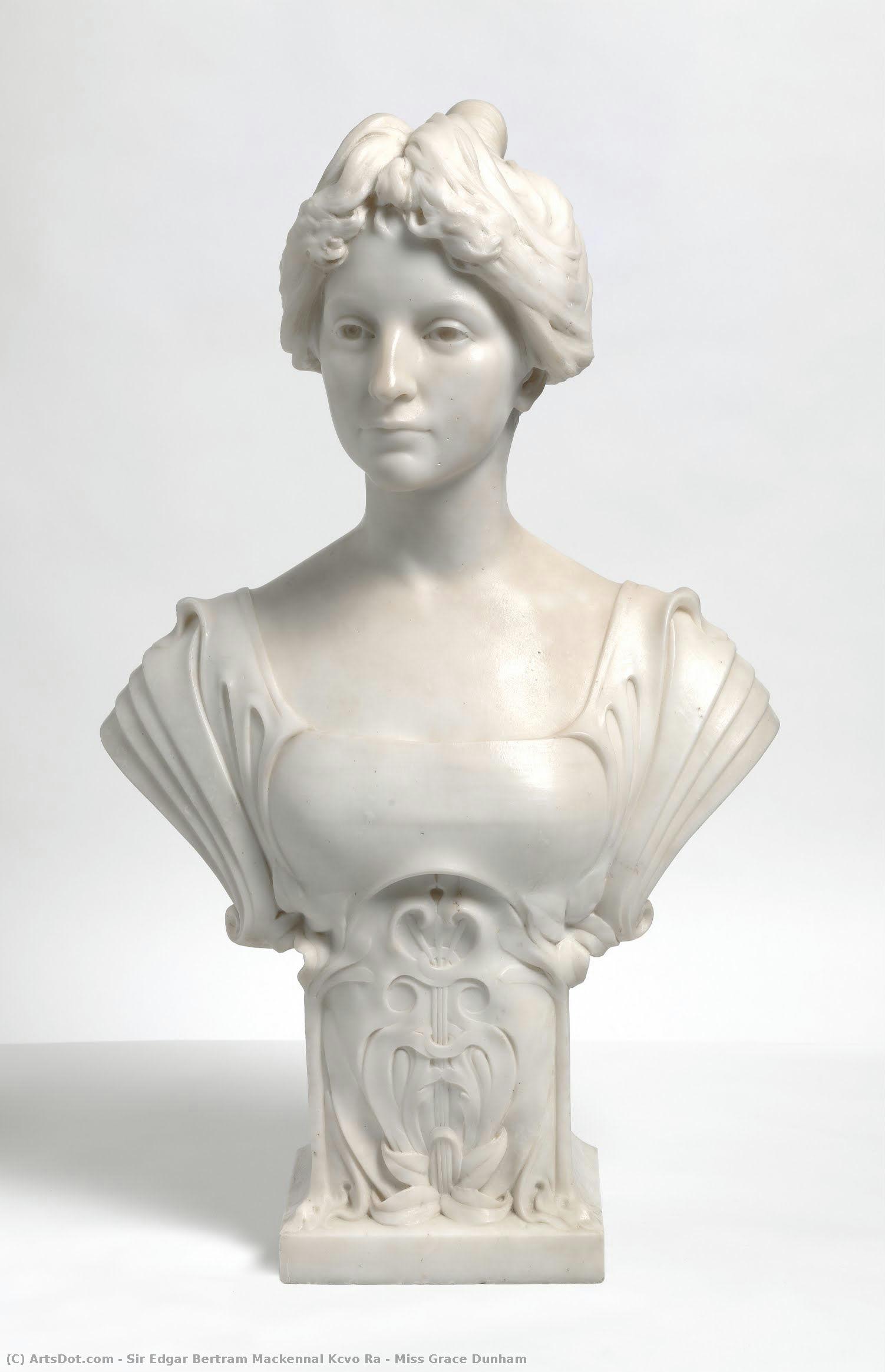
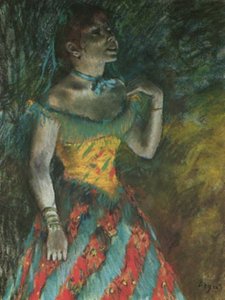
StatsMiss Grace Dunham
 1896
1896 490.0 x 800.0 cm
 Nacionalna galerija Australije
 Pročitaj više
Kupite digitalnu sliku visoke rezolucije i poboljšanog kvaliteta, koja je znatno superiornija od onoga što vidite u online prikazu.
Svaka datoteka je pedantno pripremljena od strane naših stručnjaka koristeći napredne alate i profesionalnu ručnu retušu. Osiguravamo da svaka slika ima izuzetnu oštrinu, preciznu reprodukciju boja i fine detalje.
Konačna datoteka se dostavlja putem e-pošte u roku od 72 sata, optimizovana za neposrednu upotrebu u profesionalnim, izdavačkim i štamparskim okruženjima. To je isti kvalitet kojem veruju vrhunski studiji dizajna, izdavači i galerije.
Digitalna slika
Preuzmite datoteku visoke rezolucije za ličnu upotrebu, štampanje i kreativne projekte. ( Switch to Print Kupi ručno naslikanu sliku)
Uključeno uz svaku porudžbinu digitalne slike
Profesionalna digitalna isporuka, zagarantovana
Kada odaberete ArtsDot.com, ne dobijate samo sliku – vi primate profesionalno unapređeno digitalno umetničko delo, izrađeno sa najvećom preciznošću i uz garanciju zadovoljstva. Evo svega što automatski dolazi uz vašu porudžbinu:

Brza dostava putem e-pošte
Vaša digitalna slika visoke rezolucije biće vam poslata putem e-pošte u roku od 72 sata od poručivanja – spremna za trenutnu upotrebu.

Digitalna datoteka unapređena veštačkom inteligencijom
Vaše umetničko delo je profesionalno optimizovano korišćenjem naprednih AI alata i ručne obrade, čime se osiguravaju maksimalni detalji, oštrina i preciznost boja.

Besplatna ponovna isporuka doživotno
Slučajno ste obrisali ili izgubili svoju datoteku? Ne brinite – poslaćemo vam je ponovo u bilo kom trenutku, potpuno besplatno.

Bez troškova uvoza – zauvek
Uživajte u svojim umetničkim delima trenutno, bez carine, dažbina ili troškova dostave – digitalni download je uvek bez poreza.

Garancija vernosti boja
Uz pomoć profesionalnih alata i upravljanja bojama, osiguravamo da vaša digitalna slika što vernije odražava originalne boje.

Garancija zadovoljstva od 100 dana
Ako niste zadovoljni svojom digitalnom slikom, izvršićemo reviziju ili ćemo vam vratiti 100% novca u roku od 100 dana – bez ikakvih pitanja.

100% garancija povrata novca
Niste zadovoljni? Dobijte puni povraćaj novca u roku od 100 dana od prijema digitalne datoteke – bez suvišnih pitanja.

Popusti na velike porudžbine
Kupite 3 slike, uštedite 10% - Kupite 5 slika, uštedite 15% - Kupite 10+ slika, uštedite 20%. Odlično za kreativne projekte, galerije i agencije.
Srodna umetnička dela


Biografija umetnika
Early Life and Training
Sir Edgar Bertram Mackennal (1863-1931) was born in Melbourne, Australia, the second son of John Simpson Mackennal (1832-1901), a Scottish immigrant and architectural sculptor, and Annabella Hyde. His father instilled in him an early passion for sculpture, recognizing his innate talent and providing him with invaluable training from a young age. Bertram’s formative years were spent studying under his father's guidance, absorbing the principles of craftsmanship and artistic vision that would define his future career. He continued his education at Melbourne School of Art, honing his skills in modeling and design before embarking on a transformative journey to London in 1882. There, he enrolled at the National Gallery Schools, immersing himself in the burgeoning British sculptural tradition and encountering influential mentors who shaped his artistic sensibilities.London Years and Artistic Development
Upon arriving in London, Mackennal joined forces with fellow students Charles Douglas Richardson and Tom Roberts, establishing a studio that fostered intellectual exchange and collaborative experimentation. This formative period exposed him to the avant-garde currents of Impressionism and Symbolism, profoundly impacting his artistic style. He actively participated in exhibitions at the Royal Academy, showcasing his evolving repertoire of works—from monumental sculptures like St George’s Chapel, Windsor – a joint commission with Sir Edwin Lutyens – to smaller, more intimate pieces exploring themes of mythology and human emotion. His dedication to mastering technique and capturing nuanced expressions solidified his reputation as one of Britain's leading sculptors.Notable Sculptures and Commissions
Mackennal’s prolific output spanned a remarkable range of projects—memorial tombs, monumental sculptures celebrating royal figures (including George V), decorative reliefs for public buildings, and numerous portraits capturing the likenesses of prominent individuals. His most celebrated achievements include the design of the coinage featuring George V – a testament to his meticulous craftsmanship and artistic vision – and the creation of ‘Circe,’ a striking depiction of mythological figure inspired by Gustave Moreau’s paintings, which garnered honorable mention at the Paris Salon. These commissions underscored Mackennal's ability to translate conceptual ideas into tangible forms, leaving an indelible mark on the landscape of British sculpture.Recognition and Legacy
Mackennal was awarded an Associate Membership of the Royal Academy in 1909 and a Knight Commander Order of the Victorian Crown (KCVO) in 1921, recognizing his distinguished contributions to art and scholarship. He remained active until his death in London in 1931, continuing to pursue artistic endeavors and mentor younger sculptors. His influence extended beyond his own lifetime, shaping the aesthetic sensibilities of subsequent generations and establishing him as a pivotal figure in the British Sculpture Movement—a movement characterized by its embrace of expressive realism and exploration of psychological depth.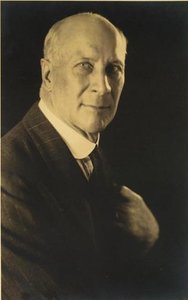
sir edgar bertram mackennal kcvo ra
1863 - 1931 , Australia
Kratke činjenice
- Artistic Movement Or Style: Early Sculpture Movement
- Artists Or Movements Influenced By This Artist: ['Rodin']
- Artists Who Influenced This Artist:
- Charles Douglas Richardson
- Tom Roberts
- Date Of Birth: June 12, 1863
- Date Of Death: October 10, 1931
- Full Name: Sir Edgar Bertram Mackennal KCVO RA
- Nationality: Australian
- Notable Artworks:
- The Dancer
- Daphne
- Circe
- Place Of Birth: Melbourne, Australia