

 Pošalji
 Podeli
 Detalji o delu

 Преузми
 Slični predmeti
 Slajdovi
 Stats
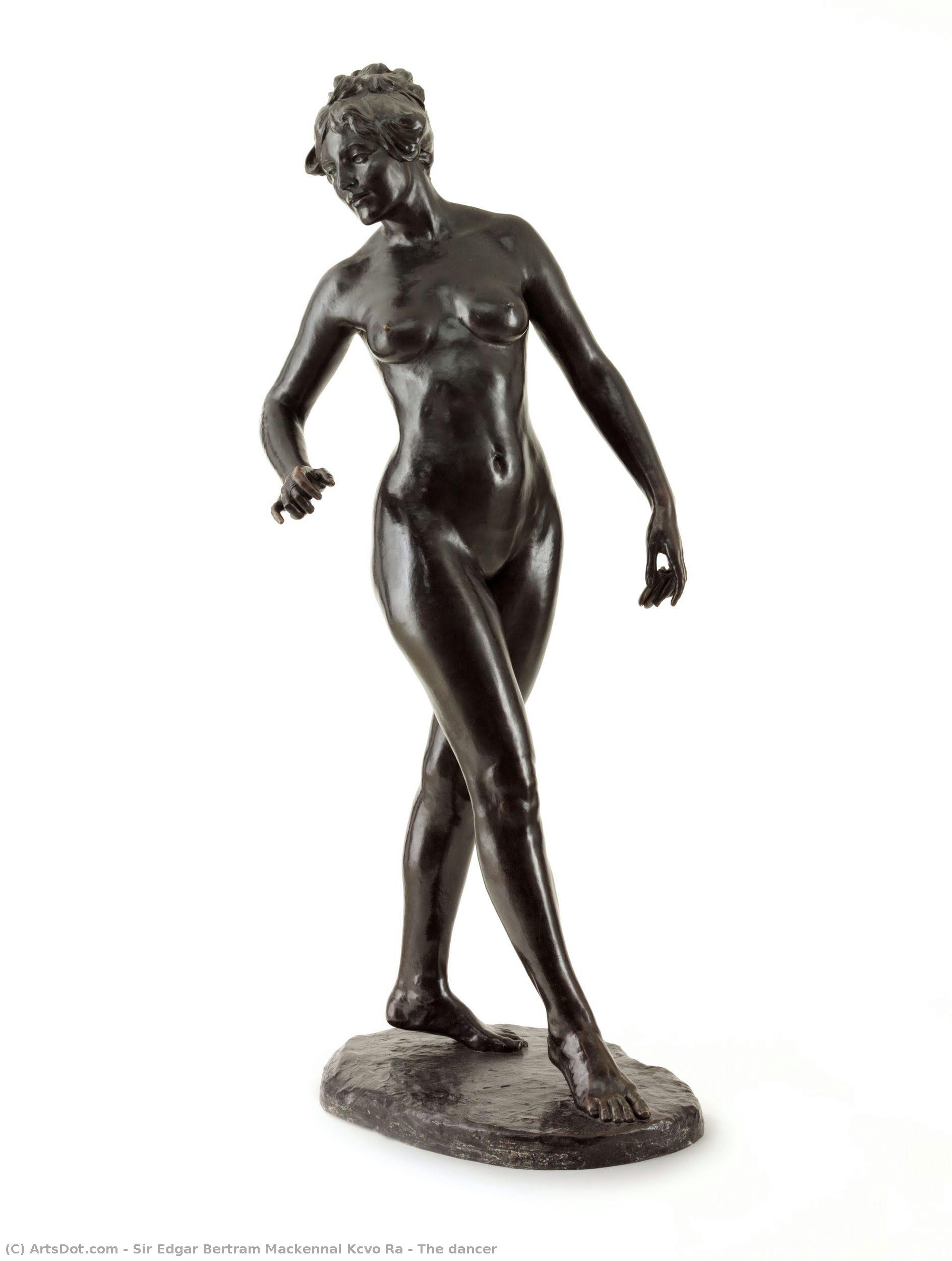
StatsThe dancer
 Bronze
- Sculpture
- Edwardian Style
 1904
1904 168.0 x 71.0 cm
 Art Gallery of New South Wales
 Pročitaj više
Ručno rađena uljana reprodukcija
Ručno oslikano uljanim bojama na platnu u dimenzijama i okviru po vašem izboru, izrađeno po porudžbini od strane naših umetnika. ( Switch to Print Switch to Digital Image)




































Izaberite jednu od naših unapred definisanih veličina koje odgovaraju originalnim proporcijama umetničkog dela.

Можете унети сопствене димензије како бисте прилагодили дело одређеном оквиру или простору. Ако одабрана величина не одговара пропорцијама оригинала, слика ће бити исечена или проширена додатним елементима који се ручно насликавају. Дигитални prikaz ће вам бити послат на одобрење пре почетка производње.
Имајте на уму да преглед на екрану не одражава стварно исецање или проширење. Само приказ (mockup) ће тачно приказати коначну композицију.
Иако су доступне прилагођене величине, препоручујемо да одаберете димензију из дефинисане листе како бисте сачували оригиналне пропорције.
Nakon narudžbine, tim ArtsDot.com će klijentu putem e-pošte poslati uputstva i dostaviti prikaz predloženog rešenja
Isporuka širom sveta () za 3/4 nedelje umesto uobičajenih 5 nedelja. (8 септембар). Bez kompromisa po pitanju kvaliteta.

Besplatna ekspresna dostava širom sveta

Visokokvalitetno laneno platno

Kompletno osiguranje transporta

Garancija povraćaja carine i uvoznih dažbina

Garancija vernosti boja

Politika povraćaja u roku od 100 dana (isključivo u slučaju nedostataka)

Garancija povrata novca od 100%

Popust pri grupnoj kupovini
 Opcija sa staklom dostupna je samo za dimenzije manje od 110 cm

The dancer
Tehnika reprodukcije
Dimenzije reprodukcije
-


Konačna cena
$ 263
A Moment Frozen in Grace: Bertram Mackennal’s “The Dancer”
Sir Edgar Bertram Mackennal's "The Dancer," created in 1904, is more than just a bronze sculpture; it’s a captivating distillation of Edwardian elegance and the burgeoning spirit of modernism. This life-size masterpiece, currently residing within the esteemed collection of the Art Gallery of New South Wales, offers a profound glimpse into the artistic sensibilities of an Australian expatriate who achieved international acclaim. Mackennal, born in Melbourne and trained initially by his father, a skilled architectural modeller, possessed a rare ability to capture movement and emotion with remarkable realism – a quality that resonated deeply with audiences and critics alike during his prolific career.
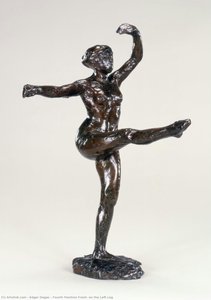
The sculpture depicts a female dancer caught mid-pirouette, her body a study in fluid curves and dynamic tension. She holds Spanish castanets aloft, a subtle nod to the vibrant cultural influences of the era—a period marked by increased international exchange and fascination with Iberian traditions. Mackennal’s choice of subject matter wasn't merely decorative; it reflected a broader artistic trend towards celebrating the beauty of the human form and exploring themes of movement, sensuality, and grace. The pose itself is remarkably poised – not overtly provocative, but imbued with an undeniable sense of power and control.
Crafting Movement: Technique and Material
Mackennal’s technical mastery is immediately apparent in the sculpture's remarkable detail and expressive modelling. Executed in bronze using the lost-wax casting process—a technique that allowed for intricate detailing and a rich, textured surface—the work showcases his deep understanding of form and material. The artist skillfully manipulated the wax model to capture the subtle nuances of muscle movement and weight distribution, translating these observations into the enduring solidity of bronze. Note the careful rendering of the castanets, their delicate curves mirroring the dancer’s own graceful gestures. The patina applied to the bronze—a dark, earthy tone—further enhances the sculpture's visual impact, adding depth and a sense of age and history.
The choice of bronze itself is significant. It was a favored material for sculptors during this period, prized for its durability, ability to capture fine detail, and capacity to achieve a rich, lustrous surface. Mackennal’s use of the lost-wax method ensured that every line and contour of the dancer's form was meticulously rendered, contributing to the sculpture’s overall sense of realism and dynamism.
Symbolism and Context: An Edwardian Vision
"The Dancer" is firmly rooted in the artistic currents of its time. The late 19th and early 20th centuries witnessed a shift away from rigid academic styles towards greater freedom of expression and a renewed interest in classical forms—particularly those associated with ancient Greece and Rome. Mackennal’s work reflects this trend, incorporating elements of both realism and stylized representation. The sculpture's emphasis on movement aligns with the Symbolist movement, which sought to capture fleeting moments of emotion and experience through evocative imagery. Furthermore, the inclusion of the castanets connects the piece to a specific cultural context—Spain and its rich musical traditions.
It’s important to consider “The Dancer” within the broader context of Mackennal's career. He was a pivotal figure in Australian art history, breaking through international barriers and establishing himself as one of the country’s most celebrated sculptors. His work embodies a sense of optimism and progress—a reflection of the Edwardian era’s confidence in technological advancement and social reform. The sculpture’s placement within the Art Gallery of New South Wales underscores its significance as a national treasure, representing both Australian artistic achievement and the enduring power of beauty.
A Timeless Masterpiece: Reproduction Possibilities
Reproductions of “The Dancer” offer an exceptional opportunity to bring this iconic work into your home or office. ArtsDot.com offers high-quality hand-painted reproductions that faithfully capture the sculpture’s original detail and artistry. Whether you choose a standard size or commission a custom reproduction tailored to your specific needs, you can enjoy the timeless beauty of Mackennal's masterpiece for years to come. The dynamic pose, rich textures, and evocative symbolism of “The Dancer” make it a truly captivating addition to any collection—a testament to the enduring legacy of one of Australia’s greatest sculptors.
Srodna umetnička dela
Biografija umetnika
Early Life and Training
Sir Edgar Bertram Mackennal (1863-1931) was born in Melbourne, Australia, the second son of John Simpson Mackennal (1832-1901), a Scottish immigrant and architectural sculptor, and Annabella Hyde. His father instilled in him an early passion for sculpture, recognizing his innate talent and providing him with invaluable training from a young age. Bertram’s formative years were spent studying under his father's guidance, absorbing the principles of craftsmanship and artistic vision that would define his future career. He continued his education at Melbourne School of Art, honing his skills in modeling and design before embarking on a transformative journey to London in 1882. There, he enrolled at the National Gallery Schools, immersing himself in the burgeoning British sculptural tradition and encountering influential mentors who shaped his artistic sensibilities.London Years and Artistic Development
Upon arriving in London, Mackennal joined forces with fellow students Charles Douglas Richardson and Tom Roberts, establishing a studio that fostered intellectual exchange and collaborative experimentation. This formative period exposed him to the avant-garde currents of Impressionism and Symbolism, profoundly impacting his artistic style. He actively participated in exhibitions at the Royal Academy, showcasing his evolving repertoire of works—from monumental sculptures like St George’s Chapel, Windsor – a joint commission with Sir Edwin Lutyens – to smaller, more intimate pieces exploring themes of mythology and human emotion. His dedication to mastering technique and capturing nuanced expressions solidified his reputation as one of Britain's leading sculptors.Notable Sculptures and Commissions
Mackennal’s prolific output spanned a remarkable range of projects—memorial tombs, monumental sculptures celebrating royal figures (including George V), decorative reliefs for public buildings, and numerous portraits capturing the likenesses of prominent individuals. His most celebrated achievements include the design of the coinage featuring George V – a testament to his meticulous craftsmanship and artistic vision – and the creation of ‘Circe,’ a striking depiction of mythological figure inspired by Gustave Moreau’s paintings, which garnered honorable mention at the Paris Salon. These commissions underscored Mackennal's ability to translate conceptual ideas into tangible forms, leaving an indelible mark on the landscape of British sculpture.Recognition and Legacy
Mackennal was awarded an Associate Membership of the Royal Academy in 1909 and a Knight Commander Order of the Victorian Crown (KCVO) in 1921, recognizing his distinguished contributions to art and scholarship. He remained active until his death in London in 1931, continuing to pursue artistic endeavors and mentor younger sculptors. His influence extended beyond his own lifetime, shaping the aesthetic sensibilities of subsequent generations and establishing him as a pivotal figure in the British Sculpture Movement—a movement characterized by its embrace of expressive realism and exploration of psychological depth.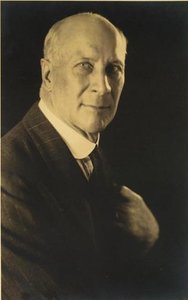
sir edgar bertram mackennal kcvo ra
1863 - 1931 , Australia
Osnovne informacije
- Artistic Movement Or Style: Early Sculpture Movement
- Artists Or Movements Influenced By This Artist: ['Rodin']
- Artists Who Influenced This Artist:
- Charles Douglas Richardson
- Tom Roberts
- Date Of Birth: June 12, 1863
- Date Of Death: October 10, 1931
- Full Name: Sir Edgar Bertram Mackennal KCVO RA
- Nationality: Australian
- Notable Artworks:
- The Dancer
- Daphne
- Circe
- Place Of Birth: Melbourne, Australia
Povezani članci
The Enduring Legacy of Bronze: History, Technique & Artistic Expression for the Collector
Explore the rich history & enduring appeal of bronze sculpture with expert insights for collectors at ArtsDot. Learn about casting techniques, iconic artists, and collecting tips.

Bronze Age to Modern Masters: 10 Sculptures That Redefined Art | ArtsDot
Journey through art history with 10 legendary bronze sculptures – from Michelangelo's David to Rodin’s Thinker. Explore the stories, techniques & timeless beauty of these masterpieces. Find museum-quality reproductions & elevate your home decor on ArtsDot.com.

The Enduring Legacy of Bronze: A Historical & Artistic Exploration for the Collector
Explore the rich history & enduring appeal of bronze sculpture with expert insights for collectors at ArtsDot. Learn about casting techniques, iconic artists, collecting tips & contemporary interpretations.

The Enduring Legacy of Bronze Sculpture: A Collector's Guide to Form & Cultural Significance
Explore the rich history & enduring appeal of bronze sculpture with expert insights for collectors at ArtsDot. Learn about casting techniques, iconic artists, and collecting tips to build a discerning art collection.

Bronze Sculptures That Defined Art History | ArtsDot
Journey through art history with our Top 10 bronze sculptures! Explore masterpieces by Rodin, Michelangelo & more. Discover stories behind iconic statues and find museum-quality reproductions for your home decor at ArtsDot.com.