

 Pregledaj u prostoru
 Pošalji
 Podeli
 Detalji o delu

 Преузми
 Slični predmeti
 Rendgenski snimak
 Slajdovi
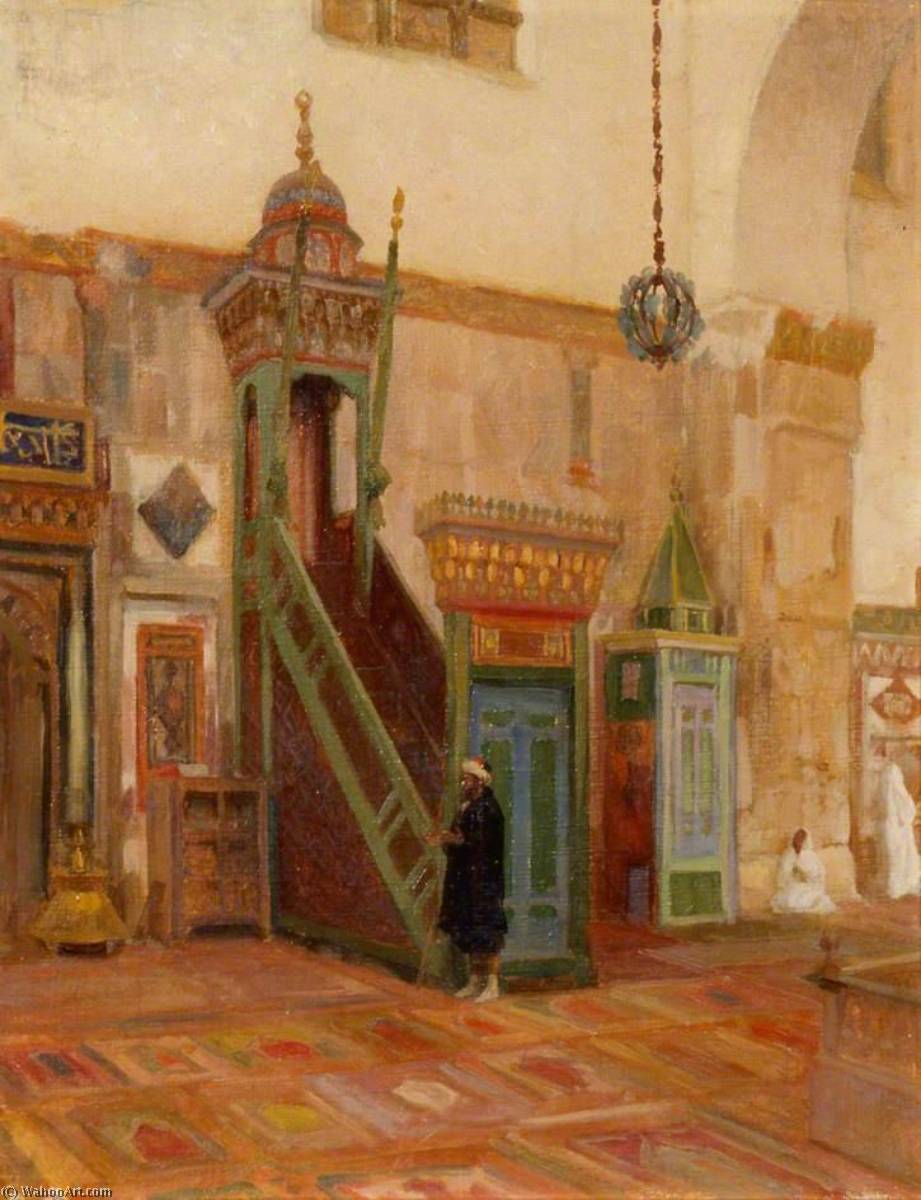
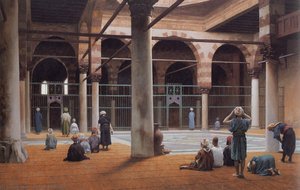
Interior of a Mosque or the Mimbar of the Great Mosque at Damascus


 Pročitaj više
Giclee štampa / Umetnički otisak
Giclée štampa ili print na platnu muzejskog kvaliteta uz brzu proizvodnju i fleksibilne opcije završne obrade. ( Kupi ručno naslikanu sliku Kupi digitalnu sliku)




P118B $10

P118H $10

P118W $10

P438Z $10

P508JH $12

P508YH $12

P805H $10

P805Z $10

P919BZ $10

P919G $10

P919XJ $10

P959ZH $10

P968JZ $12

W106C $8

W218G $10

W218JH $8

W218Y $10

W307PJ $10

W316G $10

W316PJ $8

W316Y $10

W398PJ $8

W4111J $10

W500HY $15

W500JH $15

W692G $12

W849H $8

W940BG $15

W953PJ $8




Izaberite jednu od naših unapred definisanih veličina koje odgovaraju originalnim proporcijama umetničkog dela.

Možete uneti sopstvene dimenzije kako biste umetničko delo prilagodili specifičnom okviru ili prostoru. Ako odabrani format ne odgovara proporcijama originalne slike, mi ćemo ili iscrtati deo dela ili proširiti sliku pomoću ogledane ivice ili jednobojnog popunjavanja. Digitalni prikaz će vam biti poslat na odobrenje pre početka proizvodnje.
Imajte na umu da pregled na ekranu ne odražava stvarno iscrtavanje ili proširivanje. Samo će prikaz (mockup) precizno pokazati finalnu kompoziciju.
Iako su prilagođene dimenzije dostupne, preporučujemo da odaberete dimenziju sa unapred definisane liste kako biste očuvali originalne proporcije.
Dostava širom sveta () za 2 nedelje umesto uobičajenih 4/5 nedelja. (31 август)

Besplatna ekspresna dostava širom sveta

Visokokvalitetno laneno platno

Kompletno osiguranje transporta

Garancija povraćaja carine i uvoznih dažbina

Garancija vernosti boja

Politika povrata u roku od 60 dana (samo u slučaju nedostataka)

Garancija povrata novca od 100%

Popust pri grupnoj kupovini
 Opcija sa staklom dostupna je samo za dimenzije manje od 110 cm

Interior of a Mosque or the Mimbar of the Great Mosque at Damascus
Giclee štampa / Umetnički otisak
Dimenzije reprodukcije
-


Konačna cena
$ 62
A Glimpse of Sacred Space: The Majesty of Leighton's Damascus
Sir Frederic Leighton’s “Interior of a Mosque or the Mimbar of the Great Mosque at Damascus,” painted in 1878, is more than just a depiction of an Islamic prayer hall; it’s a meticulously crafted tableau of reverence, architectural grandeur, and a profound understanding of both Eastern aesthetics and Western academic painting. Leighton, a master of historical and religious subjects, here transports the viewer to the heart of Damascus, capturing not merely the physical space but also the atmosphere of contemplation and devotion that permeates such sacred environments. The painting immediately draws the eye towards the imposing mihrab – the niche in the wall indicating the direction of Mecca – a vibrant green structure adorned with intricate geometric patterns and topped by a delicate dome, instantly establishing the focal point of the composition.
The scene unfolds with a carefully orchestrated sense of perspective. A single figure, dressed in traditional Arab attire, stands before the mihrab, his posture suggesting quiet contemplation. This human element provides scale and anchors the viewer within the vastness of the mosque, hinting at the daily rituals and spiritual practices that unfold within its walls. Leighton’s brushwork is remarkably controlled, a blend of academic precision with a subtle Pre-Raphaelite sensuality – evident in the rich textures and luminous colors. The layering of architectural elements—arches, columns, and decorative panels—creates an illusion of depth, while the muted palette dominated by warm earth tones, accented by the striking green of the mihrab and the cool blues of the ceiling, evokes a sense of serenity and timelessness.
The Painter’s Vision: Leighton's Academic Realism
Leighton’s approach to this subject reflects his commitment to academic realism, a style deeply rooted in classical tradition. He meticulously studied Islamic architecture, drawing inspiration from his extensive travels throughout the Middle East and North Africa. His research is evident in the accurate depiction of architectural details—the intricate carvings, the geometric patterns, and the proportions of the mihrab – all rendered with remarkable attention to detail. Yet, Leighton doesn’t simply replicate reality; he elevates it through a masterful use of light and color, creating an atmosphere that is both believable and profoundly evocative.
The painting's composition subtly echoes Renaissance principles, particularly those championed by artists like Raphael and Michelangelo. The central focus on the mihrab, combined with the carefully arranged figures and architectural elements, creates a harmonious balance of form and content. Furthermore, Leighton’s background as President of the Royal Academy underscores his commitment to upholding artistic standards and promoting classical ideals within the British art world. This piece stands as a testament to his dedication to capturing beauty and grandeur through rigorous observation and skillful execution.
A Legacy of Orientalist Art
“Interior of a Mosque” is a quintessential example of Orientalist painting, a genre that flourished in 19th-century Europe. Orientalism, however, wasn’t simply about depicting the East; it was often shaped by European perceptions and anxieties surrounding non-Western cultures. Leighton's work, while undoubtedly informed by his travels and studies, avoids simplistic stereotypes, presenting instead a nuanced portrayal of Islamic architecture and ritual. The inclusion of the solitary figure adds a layer of mystery and invites contemplation on themes of faith, spirituality, and the human condition.
The painting’s enduring appeal lies in its ability to transport the viewer to another time and place—a world of ancient traditions, breathtaking beauty, and profound spiritual significance. It's a reminder of Leighton’s artistic genius and his remarkable talent for capturing the essence of distant lands through the power of paint.
Further Exploration: Delving Deeper into Leighton’s World
- Frederic Leighton (1830-1896): A British Victorian painter, draughtsman, and sculptor. His works depicted historical, biblical, and classical subject matter in an academic style. Learn more on Wikipedia
- Leighton House Museum: Visit the home of Frederic Leighton in London to experience his opulent interiors and see many of his original works. Explore the museum’s website
- History of Wood Carving: Understanding the techniques and materials used in ancient wood carving provides context for appreciating the craftsmanship evident in Leighton's work. Read more about this fascinating art form
Srodna umetnička dela
Biografija umetnika
Живот у купалу светлости: Свет Сер Фредерика Лорда Лејтона
Рођен у привилегованој породици у Скарбороу, Енглеска, 1830. године, пут Фредерика Лејтона до уметничке славе био је оуткан из јединствене комбинације богатства, образовања и ненаситог интересовања за класични свет. Деда, познати лекар царева Русије, обезбедио је финансијску основу која је младом Фредерику омогућила да се без ограничења посвети својој страсти – ретка предност у често несигурном животу деветнаестовековног уметника. Та слобода му је омогућила опсежна путовања кроз Европу, уроњење у уметничке струјање Италије, Немачке и Француске. Током тих формитивних година, студирајући под мајсторима као што су Едуард фон Штајнле и Ђовани Коста, Лејтон је почео да негује свој карактеристичан стил – мешавину академске прецизности, Пре-Рафаелитске сензуалности и дубоког поштовања према класичној антици. Посебно емотиван тренутак у раном животу догодио се када је са седамнаест година срео филозофа Артура Шопенхауера у Франкфурту, створивши једини познати портрет чувеног повученог мислиоца. Тај сусрет наговештава Лејтонову интелектуалну дубину и његово фасцинирање истраживањем сложености људског стања – теме које су проткале његову уметност деценијама касније.Сликарски загрљај мита и историје
Уметничка каријера Лејтона цветала је у ери опседнутој историјским наративима, библијским причама и класичном митологијом. Он није само илустровао те теме; он их је *населио*, педантски истражујући костиме, окружења и нијансе древног живота да створи дела која су изгледала аутентично и драматично убедљива. Његови радови нису били само приказани – то су била импресивна искуства, која су преносила гледаоце у светове богова, хероја и заборављених царстава. *Клитија*, можда једно од његових најславнијих дела, оличава овај приступ. Слика приказује нимфу Клитију трансформисану у сунцоцвет, чезњу за богом Аполом. То није само лепа слика; то је истраживање неприличене љубави, жеље и трансформативне моћи природе – рендеровано са запањујућим детаљима и луминозним квалитетом који се чини да еманира изнутра. Слично томе, *Дафнефорија*, која приказује процесију у част бога Аполона, демонстрира Лејтоново мајсторство композиције, боје и његову способност да зароби покрет и енергију на платну. Није се плашио да прихвати раскошне текстуре, богате тканине и драматично осветљење – елементе који су допринели чистој визуелној величини његовог рада.Иза платна: Скулптура и архитектонска визија
Иако је првенствено познат као сликар, Лејтонове уметничке амбиције протезале су се даље од дводимензионалног царства. Био је талентован вајар, а његов Атлета који се бори са питоном, направљен између 1888. и 1891. године, означио је преломни тренутак у британској скулптури – често се сматра покретачем ренесансе у савременој скулпторској пракси познатој као „Нова скулптура“. Ово дело, изрезбарено од чистог белог мрамора, отелотворује и физичку моћ и драматичну напетост. Али Лејтонова креативна визија није стајала ту. Био је страствени колекционар уметности и артефакта, посебно оних из Блиског Истока. Ова блага нису само приказивана; они су били интегрисани у саму структуру његове куће, Лејтонове куће у Холанду Парку, Лондону. Дизајнирана од стране Џорџа Ајчисона, Лејтонова кућа је ремек-дело само по себи – запањујући пример естетизма који је служио и као резиденција и атеље. Иконична арапска сала, са својим сложеним плочицама и уздижућим луковима, стоји као сведочанство Лејтоновог еклектичног укуса и његове жеље да створи тотално уметничко дело – окружење које би инспирисало и негује његову креативност.Наслеђе и одјеци ере
Лејтонов утицај на британску уметност био је дубок. Служио је као председник Краљевске академије од 1878. године до своје смрти 1896. године, позицију коју је обављао са разликовањем, заговарајући уметничку изврсност и неговајући живописну креативну заједницу. Витезован је 1878. године, баронет 1886. године, а чудно, добио је племство само дан пре своје смрти – сведочанство огромног поштовања које је имао у уметничком свету и шире. Иако је његово дело изгубило на популарности неко време после његове смрти, помрачено успоном модернизма, било је значајно обнављање интересовања за Лејтонову уметност последњих деценија. Данас се његови радови славе због своје техничке бриљантности, евокативне моћи и способности да пренесу гледаоце у светове лепоте и чуда.- Његова дела настављају да инспиришу уметнике и одушевљавају публику широм света.
- Лејтонова кућа Музеј стоји као трајно сведочанство његове уметничке визије и остаје важан културни споменик.
- Он представља фасцинантно пресецње викторијанских идеала, класичних утицаја и Пре-Рафаелитске осетљивости – јединствени глас у историји британске уметности.
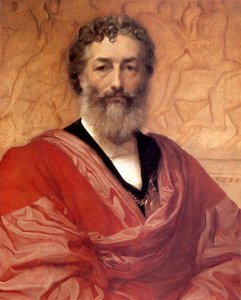
Фредерик Лорд Лејтон
1830 - 1896 , Уједињено Краљевство
Osnovne informacije
- Artistic Movement Or Style: Akademizam, Pre-Raphaeliti
- Artists Or Movements Influenced By This Artist: ['Novi pokret skulpture']
- Artists Who Influenced This Artist:
- Eduard von Steinle
- Giovanni Costa
- Date Of Birth: 3. decembar 1830.
- Date Of Death: 25. januar 1896.
- Full Name: Ser Frederic Lord Leighton
- Nationality: Britanski
- Notable Artworks (List Of Titles):
- Clytie
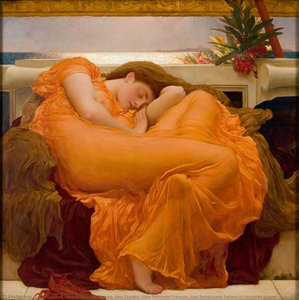
- Flaming June
- Athlete wrestling python
- Place Of Birth (City And Country): Scarborough, Ujedinjeno Kraljevstvo
Povezani članci
19th Century Masterpieces: 10 Paintings That Defined an Era | ArtsDot
Journey through 19th century art with ArtsDot! Explore 10 iconic paintings – from Monet & Renoir to Courbet – and discover the stories behind Romanticism, Realism & Impressionism. Find museum-quality reproductions for your home decor. Explore the full collection online!
Sir Frederic Leighton: Aestheticism, Academic Mastery & Victorian Masculinity
Explore the life & art of Sir Frederic Leighton, a master of Victorian Aestheticism. Discover his academic training, sculptural innovations, and captivating depictions of beauty. Expert insights for collectors.
Edmund Blair Leighton: Victorian Romance & Narrative Painting's Golden Age
Explore the captivating world of Edmund Blair Leighton, Victorian master of romantic narrative painting. Discover his iconic works & Pre-Raphaelite influences at ArtsDot.
The Allure of the Exotic: Orientalism in 19th-Century Art
Explore the captivating world of 19th-century Orientalist art! Discover iconic painters like Gérôme & Benjamin-Constant, key themes, and collecting insights. Expert analysis at ArtsDot.
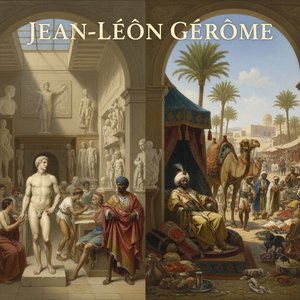
Jean-Léon Gérôme: Academic Rigor & Orientalist Visions Shaping 19th-Century French Painting
Explore the captivating world of Jean-Léon Gérôme, a master of 19th-century academic painting & orientalism. Discover his historical works, artistic techniques, and lasting influence on art history.

