

 Pregledaj u prostoru
 Pošalji
 Podeli
 Detalji o delu

 Преузми
 Slični predmeti
 Rendgenski snimak
 Slajdovi
 Stats
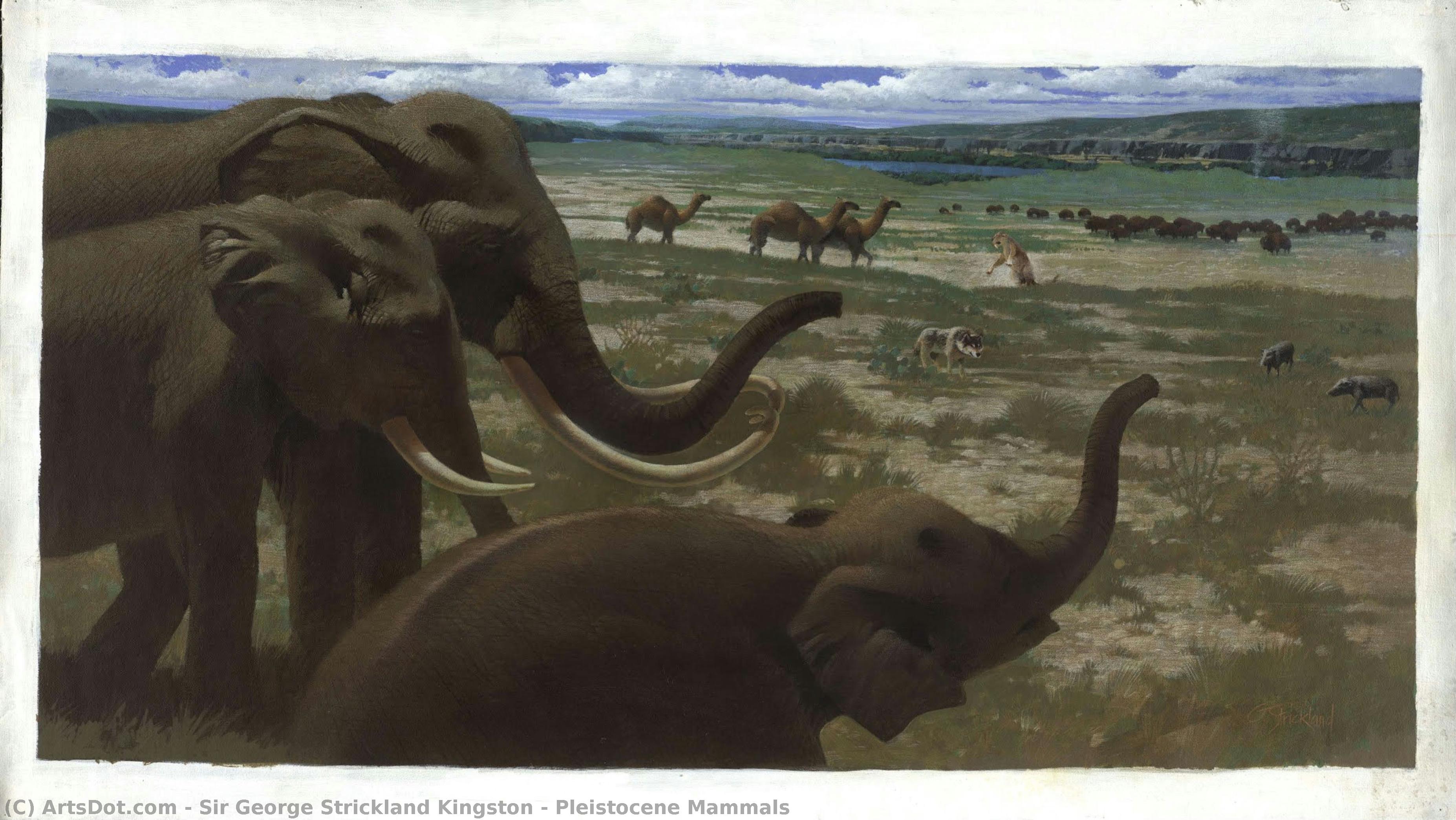
StatsPleistocene Mammals


 Pročitaj više
Ručno rađena uljana reprodukcija
Ručno oslikano uljanim bojama na platnu u dimenzijama i okviru po vašem izboru, izrađeno po porudžbini od strane naših umetnika. ( Switch to Print Switch to Digital Image)




































Izaberite jednu od naših unapred definisanih veličina koje odgovaraju originalnim proporcijama umetničkog dela.

Можете унети сопствене димензије како бисте прилагодили дело одређеном оквиру или простору. Ако одабрана величина не одговара пропорцијама оригинала, слика ће бити исечена или проширена додатним елементима који се ручно насликавају. Дигитални prikaz ће вам бити послат на одобрење пре почетка производње.
Имајте на уму да преглед на екрану не одражава стварно исецање или проширење. Само приказ (mockup) ће тачно приказати коначну композицију.
Иако су доступне прилагођене величине, препоручујемо да одаберете димензију из дефинисане листе како бисте сачували оригиналне пропорције.
Nakon narudžbine, tim ArtsDot.com će klijentu putem e-pošte poslati uputstva i dostaviti prikaz predloženog rešenja
Isporuka širom sveta () za 3/4 nedelje umesto uobičajenih 5 nedelja. (8 септембар). Bez kompromisa po pitanju kvaliteta.

Besplatna ekspresna dostava širom sveta

Visokokvalitetno laneno platno

Kompletno osiguranje transporta

Garancija povraćaja carine i uvoznih dažbina

Garancija vernosti boja

Politika povraćaja u roku od 100 dana (isključivo u slučaju nedostataka)

Garancija povrata novca od 100%

Popust pri grupnoj kupovini
 Opcija sa staklom dostupna je samo za dimenzije manje od 110 cm

Pleistocene Mammals
Tehnika reprodukcije
Dimenzije reprodukcije
-


Konačna cena
$ 263
Srodna umetnička dela








Biografija umetnika
Early Life and Education
George Strickland Kingston (August 23, 1807 – November 26, 1880) was born in Bandon, County Cork, Ireland—one of five children of George Kingston and Hester Holland. His father, a lumberyard owner, instilled in him an appreciation for craftsmanship and precision, shaping his future artistic pursuits. Strickland’s upbringing amidst the burgeoning industrial landscape of Cork fostered a keen interest in engineering and exploration. He emigrated to England in 1832, securing employment in Birmingham where he honed his skills as a civil engineer—a profession that would prove instrumental in his later endeavors. His formative years instilled within him a dedication to observation and meticulous detail, qualities that would become hallmarks of his artistic style.Birmingham’s industrial dynamism undoubtedly influenced Kingston's worldview.- Born: August 23, 1807, Bandon, County Cork
- Parents: George Kingston (lumberyard owner), Hester Holland
- Education: Training as an architect and civil engineer
Career as Surveyor General and Pioneer of South Australian Landscape Art
Kingston’s professional trajectory took a decisive turn when he accepted the role of Deputy Surveyor to William Light in 1836—a commission tasked with charting the nascent colony of South Australia. This assignment propelled him into the forefront of colonial exploration, immersing him in the rugged beauty of the Australian Outback.Light's vision for Adelaide and its environs profoundly impacted Kingston’s artistic sensibilities. Departing Ireland aboard the Cygnet in March 1836, he joined Light and his team on their arduous journey to Nepean Bay—a pivotal moment that would solidify his reputation as a visionary cartographer. The Cygnet’s arrival was delayed by logistical challenges, highlighting the difficulties faced by early settlers.The Cygnet voyage itself served as an inspiration for Kingston's later depictions of wilderness landscapes. Kingston quickly established himself as a leader among surveyors, skillfully navigating bureaucratic hurdles and fostering collaborative relationships with fellow explorers. His meticulous attention to detail—evident in his topographical maps—became synonymous with the spirit of discovery.- Appointment: Deputy Surveyor General
- Colony: South Australia
- Ship: Cygnet
Illustrations of Pleistocene Mammals and Artistic Style
Kingston’s artistic talent extended beyond surveying; he possessed a remarkable ability to capture the essence of prehistoric life through detailed illustrations.His fascination with paleontological specimens—particularly Pleistocene mammals—fueled his creative imagination. Returning to England in 1837, Kingston pursued architectural projects and engineering commissions while simultaneously cultivating his artistic pursuits. He embraced a distinctive style characterized by precise linework and subtle shading—techniques that conveyed both accuracy and emotional resonance.Kingston’s approach mirrored the scientific rigor of his profession, blending observation with expressive artistry. Notable works include designs for Government House in Adelaide (1839), the Adelaide Jail (1840), and residences like Cummins at Camden Park (1841)—testaments to his mastery of architectural form and detail. His contribution to the Burra Special Survey—a collaborative effort with Edward Stephens—further cemented his legacy as a pioneer of Australian landscape art.- Notable Projects: Government House, Adelaide Jail, Camden Park
- Style: Precise linework, subtle shading
Legacy and Historical Significance
Kingston’s influence extended beyond architectural commissions; he championed the cause of civil liberty and played a crucial role in establishing South Australia's democratic constitution.His unwavering commitment to republican ideals resonated with progressive thinkers of his era. Elected Speaker of the Legislative Council in 1857, Kingston presided over a period of significant political reform—a testament to his conviction that governance should serve the interests of all citizens. His tireless advocacy for responsible government helped shape Australia’s political landscape.Kingston's role as Speaker underscored his belief in participatory democracy and its importance for societal advancement. He was knighted in 1870, recognizing his distinguished service to the nation—a fitting culmination of a life dedicated to exploration, innovation, and civic engagement. His enduring contribution to Australian art and governance continues to inspire admiration.- Political Role: Speaker of Legislative Council
- Recognition: Knighted
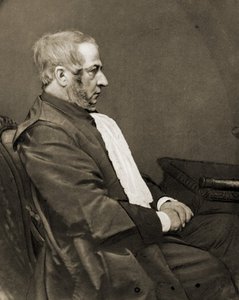
sir george strickland kingston
1807 - 1880 , United Kingdom
Osnovne informacije
- Artistic Movement Or Style: Pleistocene mammal illustration
- Artists Or Movements Influenced By This Artist: ['Romanticism']
- Artists Who Influenced This Artist: ['William Light']
- Date Of Death: November 26, 1880
- Full Name: George Strickland Kingston
- Nationality: Irish
- Notable Artworks: ['Light Square Monument']
- Place Of Birth: Bandon, County Cork, Ireland