

 Pregledaj u prostoru
 Pošalji
 Podeli
 Detalji o delu

 Преузми
 Slični predmeti
 Rendgenski snimak
 Slajdovi
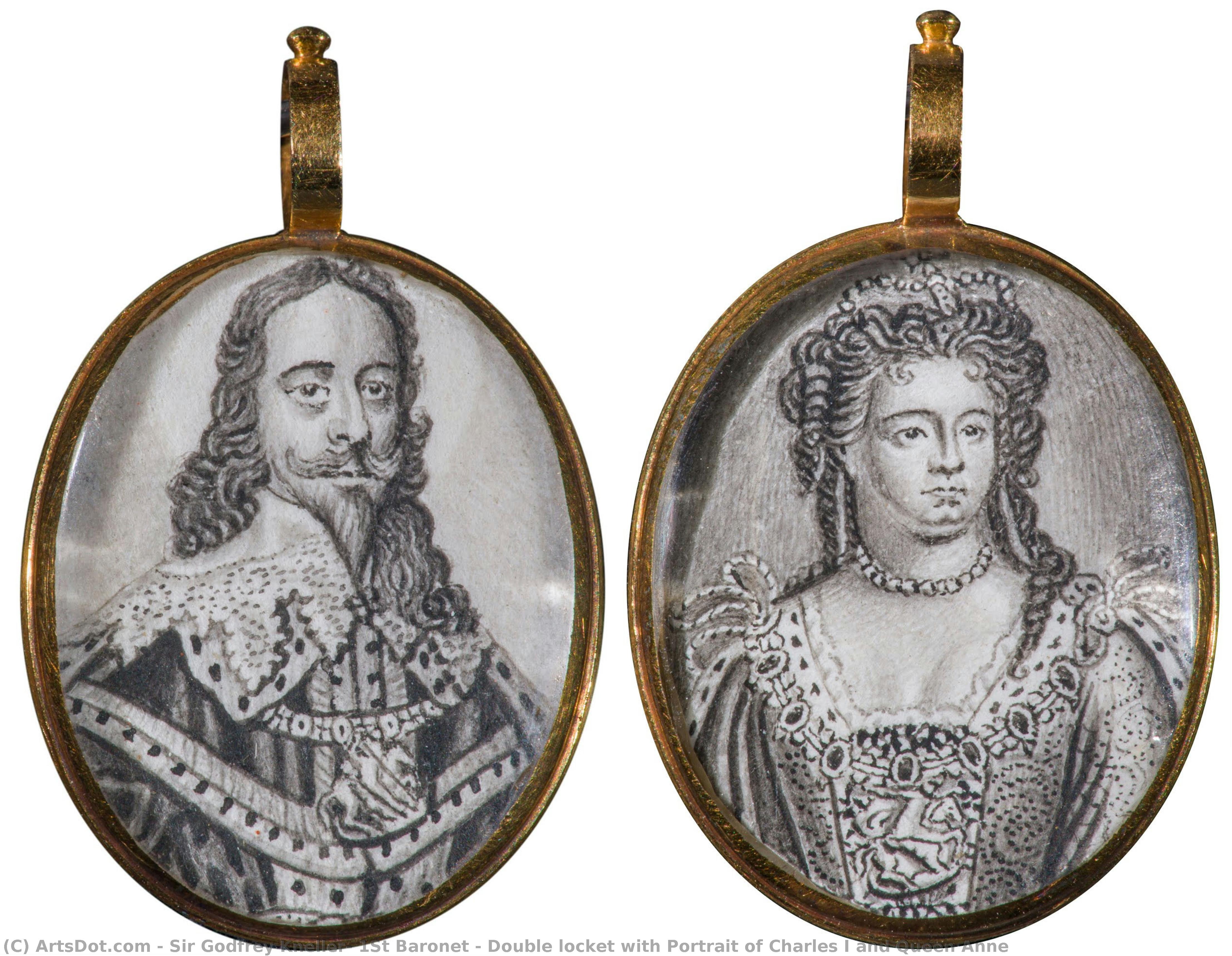
Double locket with Portrait of Charles I and Queen Anne


 Pročitaj više
Giclee štampa / Umetnički otisak
Giclée štampa ili print na platnu muzejskog kvaliteta uz brzu proizvodnju i fleksibilne opcije završne obrade. ( Kupi ručno naslikanu sliku Kupi digitalnu sliku)




P118B $10

P118H $10

P118W $10

P438Z $10

P508JH $12

P508YH $12

P805H $10

P805Z $10

P919BZ $10

P919G $10

P919XJ $10

P959ZH $10

P968JZ $12

W106C $8

W218G $10

W218JH $8

W218Y $10

W307PJ $10

W316G $10

W316PJ $8

W316Y $10

W398PJ $8

W4111J $10

W500HY $15

W500JH $15

W692G $12

W849H $8

W940BG $15

W953PJ $8




Izaberite jednu od naših unapred definisanih veličina koje odgovaraju originalnim proporcijama umetničkog dela.

Možete uneti sopstvene dimenzije kako biste umetničko delo prilagodili specifičnom okviru ili prostoru. Ako odabrani format ne odgovara proporcijama originalne slike, mi ćemo ili iscrtati deo dela ili proširiti sliku pomoću ogledane ivice ili jednobojnog popunjavanja. Digitalni prikaz će vam biti poslat na odobrenje pre početka proizvodnje.
Imajte na umu da pregled na ekranu ne odražava stvarno iscrtavanje ili proširivanje. Samo će prikaz (mockup) precizno pokazati finalnu kompoziciju.
Iako su prilagođene dimenzije dostupne, preporučujemo da odaberete dimenziju sa unapred definisane liste kako biste očuvali originalne proporcije.
Dostava širom sveta () za 2 nedelje umesto uobičajenih 4/5 nedelja. (3 септембар)

Besplatna ekspresna dostava širom sveta

Visokokvalitetno laneno platno

Kompletno osiguranje transporta

Garancija povraćaja carine i uvoznih dažbina

Garancija vernosti boja

Politika povrata u roku od 60 dana (samo u slučaju nedostataka)

Garancija povrata novca od 100%

Popust pri grupnoj kupovini
 Opcija sa staklom dostupna je samo za dimenzije manje od 110 cm

Double locket with Portrait of Charles I and Queen Anne
Giclee štampa / Umetnički otisak
Dimenzije reprodukcije
-


Konačna cena
$ 62
Double Locket with Portrait of Charles I and Queen Anne
This exquisite miniature double locket offers a captivating glimpse into the artistic sensibilities of 18th century England, specifically capturing the solemn grandeur of King Charles I and Queen Anne – figures inextricably linked to dramatic political upheaval and enduring royal legacy. Measuring just under one inch tall, this remarkable piece exemplifies the meticulous craftsmanship characteristic of the era’s finest decorative arts, presenting a portrait rendered in grisaille on card by an artist whose identity remains elusive.A Study in Grisaille: Technique and Style
The artist's masterful use of grisaille—a monochrome technique employing shades of gray—is immediately striking. This method, favored by Baroque painters like Rembrandt and Sir Godfrey Kneller himself, prioritizes tonal gradation to convey depth and form with remarkable subtlety. The resulting image eschews vibrant color, instead focusing on capturing the psychological essence of its subjects through nuanced shading – a deliberate choice reflecting the prevailing aesthetic ideals of the time. It’s a technique that speaks volumes about artistic restraint and intellectual precision.Royal Portraiture: Context and Influence
The portrait's subject matter—the Stuart monarchs—holds profound historical significance. Charles I reigned during a period marked by religious conflict and ultimately culminated in his tragic downfall at the Battle of Naseby, cementing his place as a symbol of royal defiance against Puritan ascendancy. Queen Anne’s reign followed swiftly, albeit fraught with challenges stemming from palace intrigue and debilitating illness – events immortalized in the darkly comedic film “The Favourite.” The likeness chosen for this locket—based closely on Sir Godfrey Kneller's 1703 coronation portrait—demonstrates the enduring influence of royal patronage on artistic production.Symbolism and Emotional Resonance
Beyond its technical prowess, the double locket embodies symbolic representations of faith and remembrance. The inclusion of a portrait within a protective casing speaks to the desire to preserve memory and honor lineage – sentiments deeply ingrained in aristocratic culture during the Restoration period. The somber gray tones contribute to an atmosphere of solemn contemplation, inviting viewers to engage with the weighty themes explored by the artwork. It’s a piece that transcends mere visual representation, conveying a palpable sense of history and emotion.Legacy and Reproduction
The enduring fascination with this miniature stems from its ability to encapsulate both artistic innovation and historical drama. ArtsDot.com offers high-quality reproductions that allow collectors and enthusiasts alike to appreciate the beauty and intellectual depth of Sir Godfrey Kneller’s masterful achievement. Examining a faithful rendition provides an opportunity to delve deeper into the stylistic conventions of Baroque portraiture and contemplate the enduring impact of royal iconography on Western art history.Srodna umetnička dela
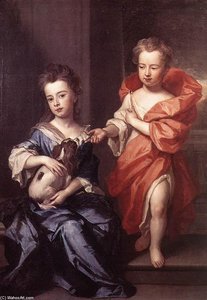
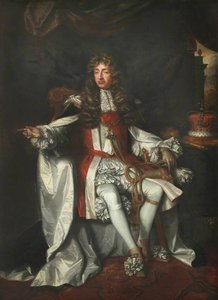
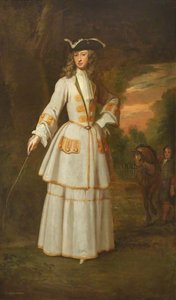
Biografija umetnika
Sir Godfrey Kneller: A Life in Portraiture
- Born: August 8, 1646, Lübeck, Germany
- Died: October 19, 1723, London, England
- Known for: Baroque portrait painting, Court Painter to English Monarchs, Kit-Cat Portraits
Early Life and Training
- Kneller was born into a family of artists; his father, Zacharias Kniller, was a portrait painter in Lübeck.
- He received early artistic training in Leiden before becoming a pupil of Ferdinand Bol and Rembrandt Harmenszoon van Rijn in Amsterdam. This period significantly shaped his style, exposing him to the Dutch Baroque tradition.
- Travels with his brother, John Zacharias Kneller, took him to Rome and Venice where he painted historical subjects and portraits under Carlo Maratti, further refining his skills and broadening his artistic influences.
Career in England: Royal Portraitist
- Kneller arrived in England in 1676 and quickly gained patronage, including from the Duke of Monmouth.
- He became a leading portrait artist, succeeding Peter Lely as Principal Painter in Ordinary to the Crown under Charles II. This appointment marked the beginning of his long and successful career as court painter.
- Kneller served successive monarchs, including James II, William III & Mary, and George I, solidifying his position as the most sought-after portraitist in England.
- He was knighted in 1691 and created a Baronet in 1715, further demonstrating his elevated status within English society.
Major Works and Artistic Style
- Kit-Cat Portraits: These are perhaps Kneller’s most famous works – a series of half-length portraits of members of the Kit-Cat Club, a prominent political and literary association. They are characterized by their standardized size (36 x 28 inches) and focus on capturing the likeness and personality of the sitters.
- The Hampton Court Beauties: A series commissioned by William III to depict fashionable women of the court.
- Portraits of Royalty: Kneller painted numerous portraits of monarchs, including Charles II, James II, William III & Mary, and George I, showcasing his ability to capture regal dignity and power.
- Artistic Style: Kneller’s style was broadly Baroque, characterized by a sense of grandeur, dramatic lighting, and rich colors. While sometimes criticized for being formulaic, he possessed a keen eye for characterization and an ability to create compelling likenesses. He often employed studio assistants to complete portions of his paintings, particularly draperies and backgrounds.
Legacy and Historical Significance
- Kneller’s influence on English portraiture was significant. He established a highly successful studio that produced portraits for the elite, shaping tastes and setting standards for artistic excellence.
- He played a crucial role in transitioning English art from its earlier influences to a more distinctly Baroque style.
- His work helped to popularize portraiture among the upper classes, contributing to a culture of self-representation and social display.
- Kneller is commemorated at Westminster Abbey with a marble memorial by John M. Rysbrack, recognizing his lasting contribution to British art.
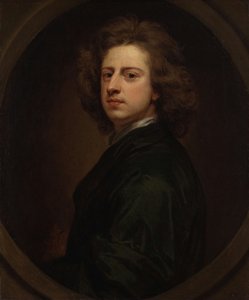
sir godfrey kneller, 1st baronet
1646 - 1723 , Germany
Osnovne informacije
- Artistic Movement Or Style: Baroque portraiture
- Artists Who Influenced This Artist:
- Ferdinand Bol
- Rembrandt Harmenszoon van Rijn
- Carlo Maratti
- Date Of Birth: August 8, 1646
- Date Of Death: October 19, 1723
- Full Name: Sir Godfrey Kneller, 1st Baronet
- Nationality: German-British
- Notable Artworks:
- Portrait of a Lady with Daughter
- Charles II
- Portrait of Marcello Durazzo
- Place Of Birth: Lübeck, Germany
Povezani članci
Sir Joshua Reynolds' Masterpieces: 25 Portraits of Power & Refinement | ArtsDot
Explore 25 captivating portraits by Sir Joshua Reynolds, a master of British art. Discover stories behind his iconic paintings, elegant style & historical influence. Find museum-quality reproductions and elevate your home decor on ArtsDot.com.
Sir Godfrey Kneller: Portraiture, Power & Artistic Identity in Restoration England
Explore the life & work of Sir Godfrey Kneller, leading portraitist of Restoration England. Discover his Baroque style, influence on aristocratic society, and lasting legacy in English art history. Learn about Kit-Cat portraits & more!

Sir Alfred Munnings' Masterpieces: 25 Paintings That Define Equine Art | ArtsDot
Explore 25 iconic Sir Alfred Munnings paintings! Discover the beauty of British Impressionism, equine art & rural England. Find museum-quality reproductions and elevate your home decor with ArtsDot. Explore the full collection online.

Барокна драма: Уношење величине и емоција у савремене ентеријере
Откријте барокну драму и унесите величину у ваш ентеријер! ArtsDot нуди ручно насликане репродукције, персонализоване портрете и стручне консултације за љубитеље класичне уметности. Потражите савршено дело већ данас!

Barok Majstor dela: Top 10 Umjetničkih Remeka za Vaš Dom
Otkrijte 10 remek dela koja su definisala baroknu umetnost! Karavagio, Bernini i više – istražite priče iza ovih ikoničnih slika. Inspiracija za vaš dom? Pogledajte kolekciju na ArtsDot.com!

