

 Pregledaj u prostoru
 Pošalji
 Podeli
 Detalji o delu

 Преузми
 Slični predmeti
 Rendgenski snimak
 Slajdovi
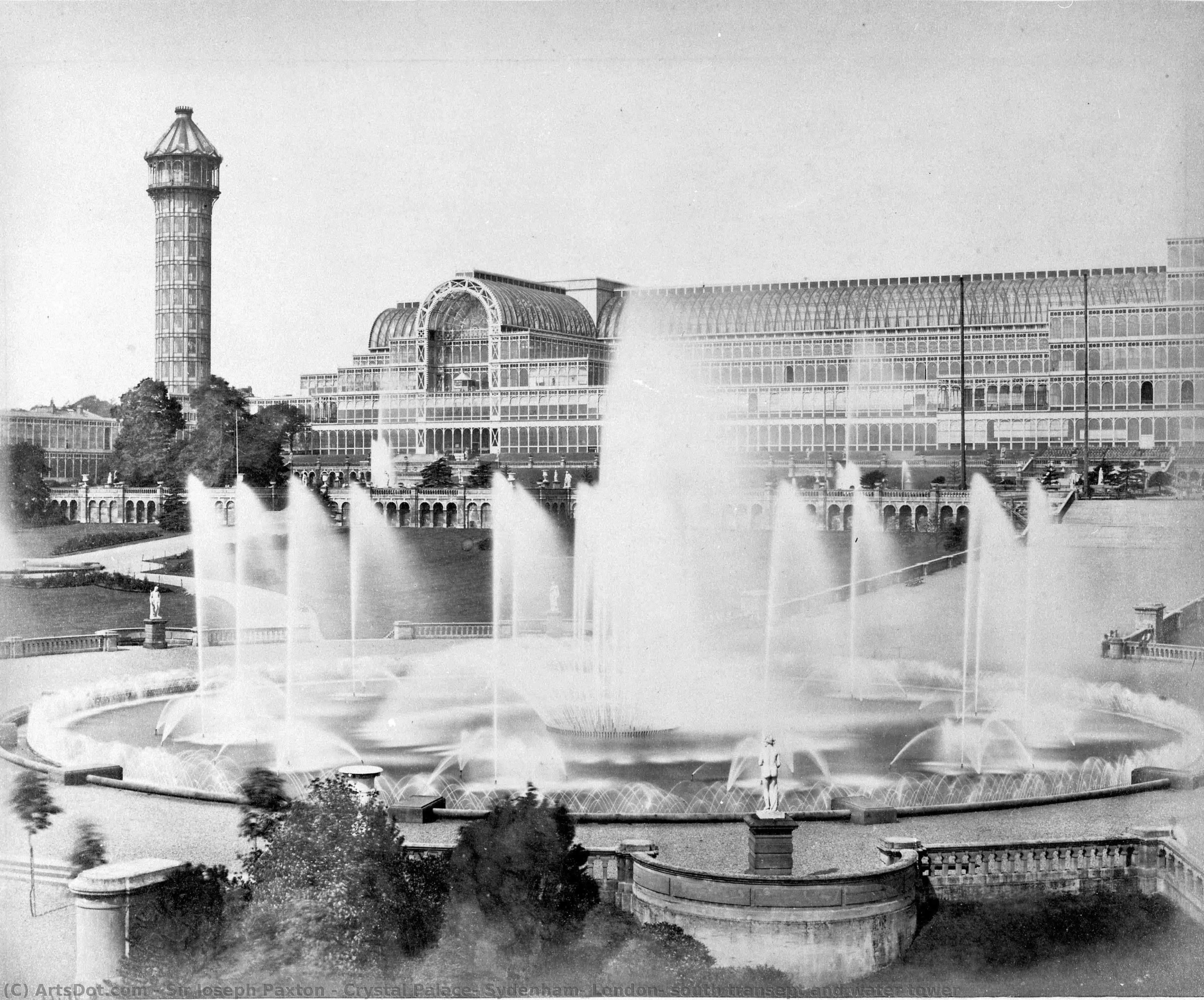
Crystal Palace, Sydenham, London: south transept and water tower


 Pročitaj više
Ručno rađena uljana reprodukcija
Ručno oslikano uljanim bojama na platnu u dimenzijama i okviru po vašem izboru, izrađeno po porudžbini od strane naših umetnika. ( Kupi print Kupi digitalnu sliku)




P118B $10

P118H $10

P118W $10

P438Z $10

P508JH $12

P508YH $12

P805H $10

P805Z $10

P919BZ $10

P919G $10

P919XJ $10

P959ZH $10

P968JZ $12

W106C $8

W218G $10

W218JH $8

W218Y $10

W307PJ $10

W316G $10

W316PJ $8

W316Y $10

W398PJ $8

W4111J $10

W500HY $15

W500JH $15

W692G $12

W849H $8

W940BG $15

W953PJ $8




Izaberite jednu od naših unapred definisanih veličina koje odgovaraju originalnim proporcijama umetničkog dela.

Можете унети сопствене димензије како бисте прилагодили дело одређеном оквиру или простору. Ако одабрана величина не одговара пропорцијама оригинала, слика ће бити исечена или проширена додатним елементима који се ручно насликавају. Дигитални prikaz ће вам бити послат на одобрење пре почетка производње.
Имајте на уму да преглед на екрану не одражава стварно исецање или проширење. Само приказ (mockup) ће тачно приказати коначну композицију.
Иако су доступне прилагођене величине, препоручујемо да одаберете димензију из дефинисане листе како бисте сачували оригиналне пропорције.
Nakon narudžbine, tim ArtsDot.com će klijentu putem e-pošte poslati uputstva i dostaviti prikaz predloženog rešenja
Isporuka širom sveta () za 3/4 nedelje umesto uobičajenih 5 nedelja. (26 август). Bez kompromisa po pitanju kvaliteta.

Besplatna ekspresna dostava širom sveta

Visokokvalitetno laneno platno

Kompletno osiguranje transporta

Garancija povraćaja carine i uvoznih dažbina

Garancija vernosti boja

Politika povrata u roku od 60 dana (samo u slučaju nedostataka)

Garancija povrata novca od 100%

Popust pri grupnoj kupovini
 Opcija sa staklom dostupna je samo za dimenzije manje od 110 cm

Crystal Palace, Sydenham, London: south transept and water tower
Tehnika reprodukcije
Dimenzije reprodukcije
-


Konačna cena
$ 363
Opis umetničkog dela
The Crystal Palace: A Victorian Marvel of Innovation
Sir Joseph Paxton’s Crystal Palace stands as an unparalleled testament to Victorian ingenuity—a fusion of botany, architecture, and engineering that irrevocably altered the landscape of design and captivated audiences worldwide. Constructed in Hyde Park, London, for the Great Exhibition of 1851, this monumental structure wasn't merely a building; it was a declaration of Britain’s industrial prowess and a bold reimagining of public spaces.
The Conception of Grandeur
Following the rejection of several ambitious designs by prominent architects like Richard Turner and Hector Horeau, Paxton seized upon an opportunity to showcase his visionary approach. Inspired by the colossal Victoria Amazonica waterlily—a symbol of exotic beauty and scientific exploration—he conceived a revolutionary building system based on modular iron beams and laminated wood panels. This ingenious method dramatically reduced construction time and cost, proving that elegance could coexist with efficiency.
A Structural Triumph: The Paxton System
Paxton’s innovative “ridge-and-furrow” roof design—a groundbreaking feat of engineering—became the cornerstone of the Crystal Palace's success. Utilizing prefabricated cast iron components and employing a revolutionary technique for assembling glass sheets, Paxton achieved unprecedented speed and precision. This system served as inspiration for countless subsequent buildings and cemented his reputation as one of Britain’s foremost innovators.
Symbolism and Spectacle
More than just a display of technological advancement, the Crystal Palace embodied Victorian ideals of progress and optimism. Its soaring height—reaching 128 feet—served as a visual metaphor for aspiration and ambition, while its expansive interior space fostered a sense of wonder and communal celebration. The shimmering glass walls reflected sunlight, creating an ethereal atmosphere that transported visitors to distant lands and illuminated the wonders of the Industrial Revolution.
Legacy and Inspiration
The Crystal Palace’s destruction by fire in 1936 marked the end of an era but its influence endured—inspiring architects and designers for generations. Its pioneering use of prefabricated materials, combined with its breathtaking scale and aesthetic beauty, continues to resonate today as a symbol of Victorian grandeur and a testament to the transformative power of innovation.
Srodna umetnička dela


Biografija umetnika
The Visionary Architect of Light and Leaf
In the heart of the Victorian era, a period defined by rapid industrial expansion and scientific curiosity, there emerged a figure whose life work bridged the gap between the organic beauty of the natural world and the rigid precision of modern engineering. Sir Joseph Paxton was not merely an architect or a gardener; he was a polymath of the landscape, a man who could translate the delicate veins of a tropical leaf into the soaring iron ribs of a monumental glass palace. Born Milton Bryan in the quietude of Bedfordshire in 1803, his journey from a humble farming background to the heights of British political and architectural influence is a testament to an intellect that refused to be confined by traditional boundaries.
Paxton’s early fascination with botany, nurtured by his father’s horticultural passion, provided the essential foundation for his later structural triumphs. This deep-seated understanding of biological form became his greatest creative tool. He did not simply build structures; he cultivated them. His mastery of horticulture was famously demonstrated through his successful cultivation of the Cavendish banana, a feat that brought a taste of the tropics to Britain and established his reputation as a premier botanist. This intimate knowledge of how light, moisture, and structure interact within a living organism would later become the very soul of his architectural philosophy.
The Triumph of the Crystal Palace
The pinnacle of Paxton’s career arrived with the 1851 Great Exhibition, an event designed to showcase the industrial might of the British Empire. Tasked with designing a venue for this unprecedented global gathering, Paxton bypassed the heavy, stone-laden traditions of his contemporaries. Instead, he drew inspiration from the Victoria Amazonica, a colossal waterlily whose expansive leaves offered a blueprint for modularity and strength. This botanical metaphor led to the creation of the Crystal Palace, a breathtaking marvel of glass and iron that seemed to defy the weight of its own materials.
The construction of this edifice was nothing short of a revolution in engineering. By utilizing prefabricated components and an innovative "ridge-and-furrow" roof design, Paxton achieved a level of speed and efficiency previously thought impossible. The structure acted as a shimmering, translucent skin, allowing natural light to flood the interior and blurring the lines between the indoor exhibits and the surrounding greenery. It was a masterpiece of transparency, embodying the Victorian era's optimism and its belief in the infinite possibilities of progress. Through this work, Paxton proved that the industrial age could be just as elegant and organic as the gardens he so loved.
A Legacy Written in Glass and Greenery
Beyond the ephemeral glory of the Great Exhibition, Paxton’s influence permeated the very fabric of the English landscape. His architectural prowess extended to the design of magnificent public spaces, such as Birkenhead Park, which served as a vital precursor to the modern urban park system. His ability to integrate structural innovation with ecological sensitivity ensured that his legacy was not just found in museums or history books, but in the breathing, living spaces of the public. As the Director of Kew Gardens from 1845 until his death in 1865, he continued to shape the botanical landscape of the nation, ensuring that science and art remained inextricably linked.
The historical significance of Sir Joseph Paxton lies in his role as a pioneer of modernism. He anticipated the move toward lightweight, modular construction long before it became a global standard. His life remains a profound example of how scientific observation can drive artistic innovation. To look upon the legacy of the Crystal Palace is to see the moment when humanity learned to harness the strength of iron and the clarity of glass to celebrate the splendor of the natural world.
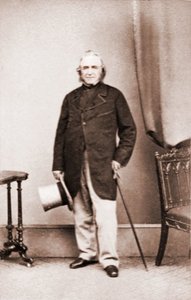
sir joseph paxton
1803 - 1865 , United Kingdom
Osnovne informacije
- Artistic Movement Or Style: Victorian Architecture
- Artists Or Movements Influenced By This Artist: ['Neo-classical']
- Artists Who Influenced This Artist: ['Charles Barry']
- Date Of Birth: August 3, 1803
- Date Of Death: June 8, 1865
- Full Name: Joseph Paxton
- Nationality: British
- Notable Artworks:
- Crystal Palace
- Knole House
- Place Of Birth: Milton Bryan, United Kingdom
Povezani članci

Industrial Revolution on Canvas: 10 Artworks That Define a Modern Aesthetic
Explore 10 iconic artworks capturing the Industrial Revolution’s grit & beauty. From Monet to Manet, discover realism, impressionism & powerful scenes of urban life. Find museum-quality reproductions for your home at ArtsDot.com.

The Gritty Muse: Industrial Vibe as Defining Aesthetic in Modern Artwork
Explore the captivating world of industrial aesthetics in modern art. Discover key movements, influential artists & collecting insights at ArtsDot.com – your source for museum-quality reproductions and expert art guidance.
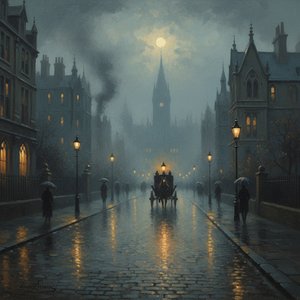
John Atkinson Grimshaw: Atmospheric Realism & the Victorian Nocturne
Explore the captivating world of John Atkinson Grimshaw, Victorian master of atmospheric nightscapes. Discover his iconic paintings, unique techniques & enduring legacy. Learn about collecting Grimshaw's art today!
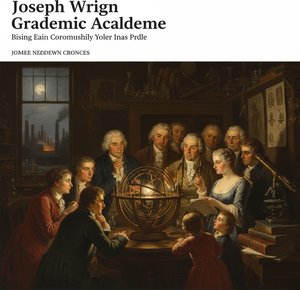
Illuminating Enlightenment: Joseph Wright of Derby's Scientific Vision
Explore the captivating world of Joseph Wright of Derby, a pioneer of Enlightenment art. Discover his masterful chiaroscuro, scientific themes & investment potential. Expert analysis for collectors.

Joseph Stella: Modernism's Dynamic Vision of Industry, Urban Life & the American Spirit
Explore the captivating world of Joseph Stella, a pioneer of American Modernism. Discover his iconic depictions of industry, urban life & the Brooklyn Bridge. Expert analysis for art collectors.

