

 Pregledaj u prostoru
 Pošalji
 Podeli
 Detalji o delu

 Преузми
 Slični predmeti
 Rendgenski snimak
 Slajdovi
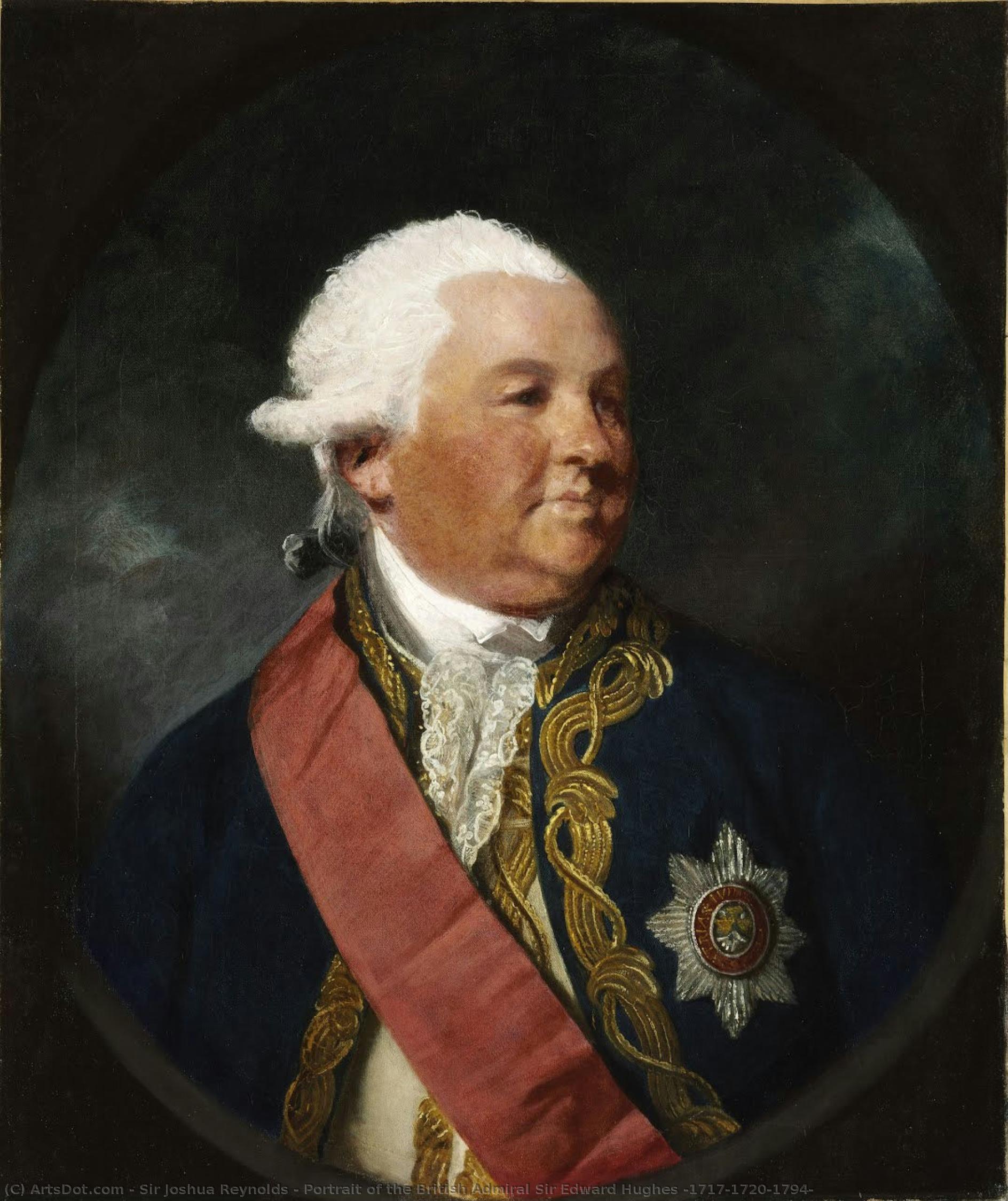
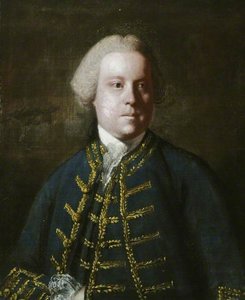
Portrait of the British Admiral Sir Edward Hughes (1717/1720–1794)
 Oil On Canvas
- WallArt
- Rococo Portraiture
 1787
1787 76.0 x 63.0 cm
 Музеј личних уметности Будимпешта
 Pročitaj više
Kupite digitalnu sliku visoke rezolucije i poboljšanog kvaliteta, koja je znatno superiornija od onoga što vidite u online prikazu.
Svaka datoteka je pedantno pripremljena od strane naših stručnjaka koristeći napredne alate i profesionalnu ručnu retušu. Osiguravamo da svaka slika ima izuzetnu oštrinu, preciznu reprodukciju boja i fine detalje.
Konačna datoteka se dostavlja putem e-pošte u roku od 72 sata, optimizovana za neposrednu upotrebu u profesionalnim, izdavačkim i štamparskim okruženjima. To je isti kvalitet kojem veruju vrhunski studiji dizajna, izdavači i galerije.
Digitalna slika
Preuzmite datoteku visoke rezolucije za ličnu upotrebu, štampanje i kreativne projekte. ( Kupi print Kupi ručno naslikanu sliku)
Uključeno uz svaku porudžbinu digitalne slike
Profesionalna digitalna isporuka, zagarantovana
Kada odaberete ArtsDot.com, ne dobijate samo sliku – vi primate profesionalno unapređeno digitalno umetničko delo, izrađeno sa najvećom preciznošću i uz garanciju zadovoljstva. Evo svega što automatski dolazi uz vašu porudžbinu:

Brza dostava putem e-pošte
Vaša digitalna slika visoke rezolucije biće vam poslata putem e-pošte u roku od 72 sata od poručivanja – spremna za trenutnu upotrebu.

Digitalna datoteka unapređena veštačkom inteligencijom
Vaše umetničko delo je profesionalno optimizovano korišćenjem naprednih AI alata i ručne obrade, čime se osiguravaju maksimalni detalji, oštrina i preciznost boja.

Besplatna ponovna isporuka doživotno
Slučajno ste obrisali ili izgubili svoju datoteku? Ne brinite – poslaćemo vam je ponovo u bilo kom trenutku, potpuno besplatno.

Bez troškova uvoza – zauvek
Uživajte u svojim umetničkim delima trenutno, bez carine, dažbina ili troškova dostave – digitalni download je uvek bez poreza.

Garancija vernosti boja
Uz pomoć profesionalnih alata i upravljanja bojama, osiguravamo da vaša digitalna slika što vernije odražava originalne boje.

Garancija zadovoljstva u roku od 60 dana
Ako niste zadovoljni svojom digitalnom slikom, revidirat ćemo je ili vratiti 100% novca u roku od 60 dana – bez ikakvih pitanja.

100% garancija povrata novca
Niste zadovoljni? Obezbedite pun povrat novca u roku od 60 dana od trenutka kada ste primili svoju digitalnu datoteku – bez suvišnih pitanja.

Popusti na velike porudžbine
Kupite 3 slike, uštedite 10% - Kupite 5 slika, uštedite 15% - Kupite 10+ slika, uštedite 20%. Odlično za kreativne projekte, galerije i agencije.
A Portrait of Power and Prestige: Sir Edward Hughes by Joshua Reynolds
Sir Joshua Reynolds’s “Portrait of the British Admiral Sir Edward Hughes” is more than simply a likeness; it's a meticulously constructed tableau of 18th-century power, social standing, and the burgeoning confidence of Britain during its naval ascendancy. Completed in 1787, this painting offers a captivating glimpse into the life of a prominent figure within the Royal Navy – a man whose career was inextricably linked to the nation’s maritime ambitions. The work resides at the Museum of Fine Arts in Budapest, Hungary, and exemplifies Reynolds's masterful command of the ‘Grand Style,’ a technique he championed that prioritized elegance, idealized beauty, and an astute understanding of aristocratic expectations.
Reynolds’s skill lies not just in his ability to capture Sir Edward Hughes’s physical features – the crisp lines of his wig, the dignified bearing of his posture, the subtle hint of a mustache – but also in his profound awareness of how portraiture functioned as a statement. The Admiral is presented within a carefully orchestrated setting: a dark background serves to dramatically highlight his attire and create an aura of importance. The rich blue coat, adorned with elegant gold trim, speaks volumes about his rank and wealth, while the vibrant red sash adds a touch of regal flair. These details aren’t merely decorative; they are deliberate symbols of authority and status – hallmarks of Reynolds's approach to representing his aristocratic clientele.
The Grand Style and Reynolds’s Technique
“Portrait of the British Admiral Sir Edward Hughes” is a quintessential example of Reynolds’s ‘Grand Style.’ This approach, heavily influenced by Renaissance masters like Titian and Rubens, emphasized a carefully balanced composition, luminous colors, and an idealized portrayal of the subject. Notice how Reynolds employs subtle modeling to create a sense of volume and depth – the folds of the coat, the texture of the fabric, even the suggestion of light catching on the Admiral’s face. Reynolds was a master of *chiaroscuro*, skillfully manipulating light and shadow to draw attention to key elements and imbue the portrait with drama. The use of oil paint allows for rich textures and subtle gradations of color, contributing significantly to the painting's overall impact.
Furthermore, Reynolds’s meticulous attention to detail extends beyond mere physical representation. He carefully considered the Admiral’s gaze – directed squarely at the viewer – as a means of establishing a connection and conveying confidence. This direct engagement invites us into the scene, making us feel like silent observers within this portrait of power. The composition itself is balanced and harmonious, reflecting Reynolds's belief that beauty and order were essential components of a successful portrait.
Historical Context: Naval Power and British Identity
To fully appreciate “Portrait of the British Admiral Sir Edward Hughes,” it’s crucial to understand the historical context in which it was created. The late 18th century marked a period of unprecedented naval expansion for Britain, fueled by colonial ambitions and a growing sense of national identity. Figures like Sir Edward Hughes played a vital role in securing Britain's maritime dominance – his career exemplified the ambition and strategic importance of the Royal Navy. Reynolds, as a leading artist of his time, was deeply embedded within this social and political landscape, frequently commissioned to paint portraits of prominent naval officers and officials.
The painting therefore serves not only as an individual portrait but also as a subtle advertisement for British power and prestige. It’s a visual testament to the nation's maritime strength and the importance of its leadership – a carefully crafted image designed to reinforce these values within the context of the Enlightenment. Considering this, one can see how Reynolds skillfully blended artistic skill with political messaging, solidifying his position as a pivotal figure in British art history.
Collecting a Reproduction: Bringing History Home
ArtsDot offers meticulously crafted hand-painted reproductions of “Portrait of the British Admiral Sir Edward Hughes,” allowing you to bring this captivating work into your home or office. Our skilled artists replicate Reynolds’s masterful technique and attention to detail, ensuring that your reproduction captures the painting's original beauty and historical significance. Whether you are an art enthusiast, a collector, or simply seeking a stunning piece of decorative art, our reproductions provide an authentic and accessible way to experience the grandeur of this iconic portrait. Explore our collection today and discover the perfect addition to your space – a tangible link to a pivotal moment in British history.
Srodna umetnička dela
Biografija umetnika
Sir Joshua Reynolds (1723 - 1792): Leading British portrait painter of the 18th century & first Royal Academy President
Born in 1723 in the quaint Devonshire town of Plympton, Sir Joshua Reynolds emerged as a pivotal figure during a period of immense cultural transformation in Britain. His father, Reverend Samuel Reynolds, instilled in him a love for learning and intellectual pursuits, initially steering young Joshua towards a scholarly path. However, an undeniable artistic inclination soon surfaced, leading to his apprenticeship with Thomas Hudson in London at the age of seventeen. This formative experience provided Reynolds with a solid foundation in portraiture—a genre that would define his illustrious career. Hudson’s studio was a bustling hub of fashionable society, exposing Reynolds to the demands and expectations of aristocratic patrons, shaping not only his technique but also his understanding of the social landscape he would come to depict so masterfully. It wasn't merely about capturing likeness; it was about constructing an image that reflected status, taste, and aspiration.Early Life and Artistic Formation
Reynolds attended the Plympton grammar school of which his father, a clergyman, was master. The young Reynolds became well read in the writings of classical antiquity and throughout his life was to be much interested in literature, counting many of the finest British authors of the 18th century among his closest friends. Reynolds early aspired to become an artist, and in 1740 he was apprenticed for four years in London to Thomas Hudson, a conventional portraitist and the pupil and son-in-law of Jonathan Richardson. In 1743 he returned to Devon and began painting at Plymouth naval portraits that reveal his inexperience. Returning to London for two years in 1744, he began to acquire a knowledge of the old masters and an independent style marked by bold brushwork and the use of impasto, a thick surface texture of paint, such as in his portrait of Captain the Honourable John Hamilton (1746). This early exposure to Hudson’s workshop profoundly influenced Reynolds' artistic sensibilities—a connection that would endure throughout his career.The Influence of Raphael and Michelangelo: Embracing the ‘Grand Style’
Reynolds didn’t simply replicate what he learned from Hudson. He embarked on a journey of artistic exploration, fueled by a deep admiration for the Old Masters—particularly Raphael, Michelangelo, and Titian. A pivotal moment in his development was a sojourn to Rome in 1750, where he immersed himself in classical art and absorbed the principles of the ‘Grand Style’ – an approach that prioritized idealized beauty, dramatic composition, and historical or mythological allusions. Artists like Raphael and Michelangelo served as beacons of artistic excellence, inspiring Reynolds to elevate British painting beyond mere representation—to imbue it with a sense of dignity and intellectual weight previously unseen. He believed that portraits should not just record physical appearances but also reveal the sitter's character and social standing. This ambition led him to incorporate elements of history painting into his work, often depicting his subjects in elaborate costumes or staged settings reminiscent of classical narratives.Rome and Artistic Innovation: Establishing a Distinctive Technique
Reynolds’ meticulous study of Roman sculpture and painting solidified his conviction that British art needed to emulate the grandeur and sophistication of its continental counterparts. He experimented tirelessly with pigments and glazes, striving to achieve luminous effects and subtle tonal gradations—techniques he had observed firsthand in Rome. His distinctive brushwork—characterized by bold strokes and textured surfaces—became a hallmark of his style, distinguishing him from many of his contemporaries. The influence of Rembrandt van Rijn and Anthony van Dyck was also palpable in Reynolds’ oeuvre, demonstrating his mastery of chiaroscuro—the dramatic interplay of light and shadow—a technique perfected by the Dutch Baroque masters. He sought to capture not just what he saw but what he *felt*, conveying emotion and psychological complexity through carefully crafted visual narratives.A Legacy of Patronage and Artistic Leadership
Reynolds’s success as a portrait painter brought him considerable acclaim and attracted the patronage of wealthy aristocrats—including William Cavendish, Duke of Devonshire, who commissioned numerous portraits showcasing Reynolds' skill in capturing aristocratic grandeur. He was elected the first president of the Royal Academy of Arts in 1768—a position he held until his death in 1792—transforming British art into a respected profession and establishing an institution dedicated to fostering artistic talent and promoting national identity. Reynolds tirelessly advocated for the importance of art education and championed the recognition of artists as professionals deserving of respect and patronage. His annual Discourses – lectures delivered to Academy students – became seminal texts on artistic theory and practice, outlining his vision for a distinctly British school of painting. He regarded history painting, which typically represents mythological or religious subjects, as the noblest work of the painter, but the popularity of his portraits resulted in him producing comparatively few works of this type. Reynolds’s enduring legacy rests not only on his artistic achievements but also on his transformative role in shaping the cultural landscape of Britain—a testament to his unwavering belief in the power of art to inspire and elevate humanity. His paintings continue to captivate audiences with their elegance, psychological depth, and historical significance—a reminder that true artistry transcends time itself.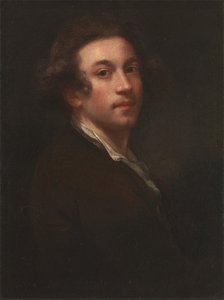
Џорџ Хајмс Ројс
1723 - 1792 , Уједињено Краљевство
Kratke činjenice
- Artistic Movement Or Style: Grand Stil
- Artists Or Movements Influenced By This Artist: ['Thomas Gainsborough']
- Artists Who Influenced This Artist: ['Thomas Hudson']
- Date Of Birth: 1723
- Full Name: Sir Joshua Reynolds
- Nationality: Britanski umetnik
- Notable Artworks:
- Peter Darnell Muilman...
- Mr and Mrs William Lindow
- Portrait of John Hayes...
- Place Of Birth: Plymouth, UK

